Wall of the Seven Serpents: Cusco's Inca Masterpiece
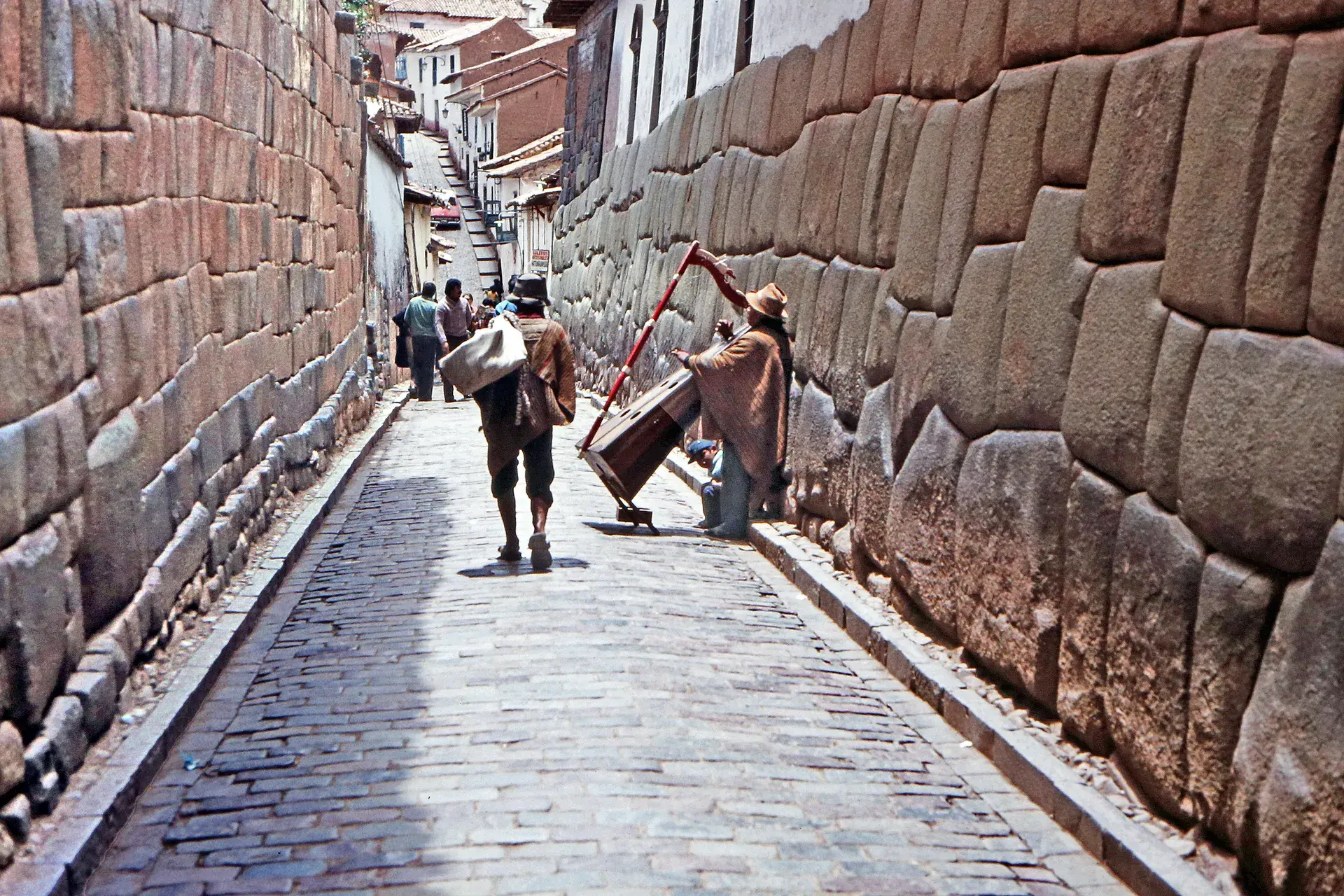
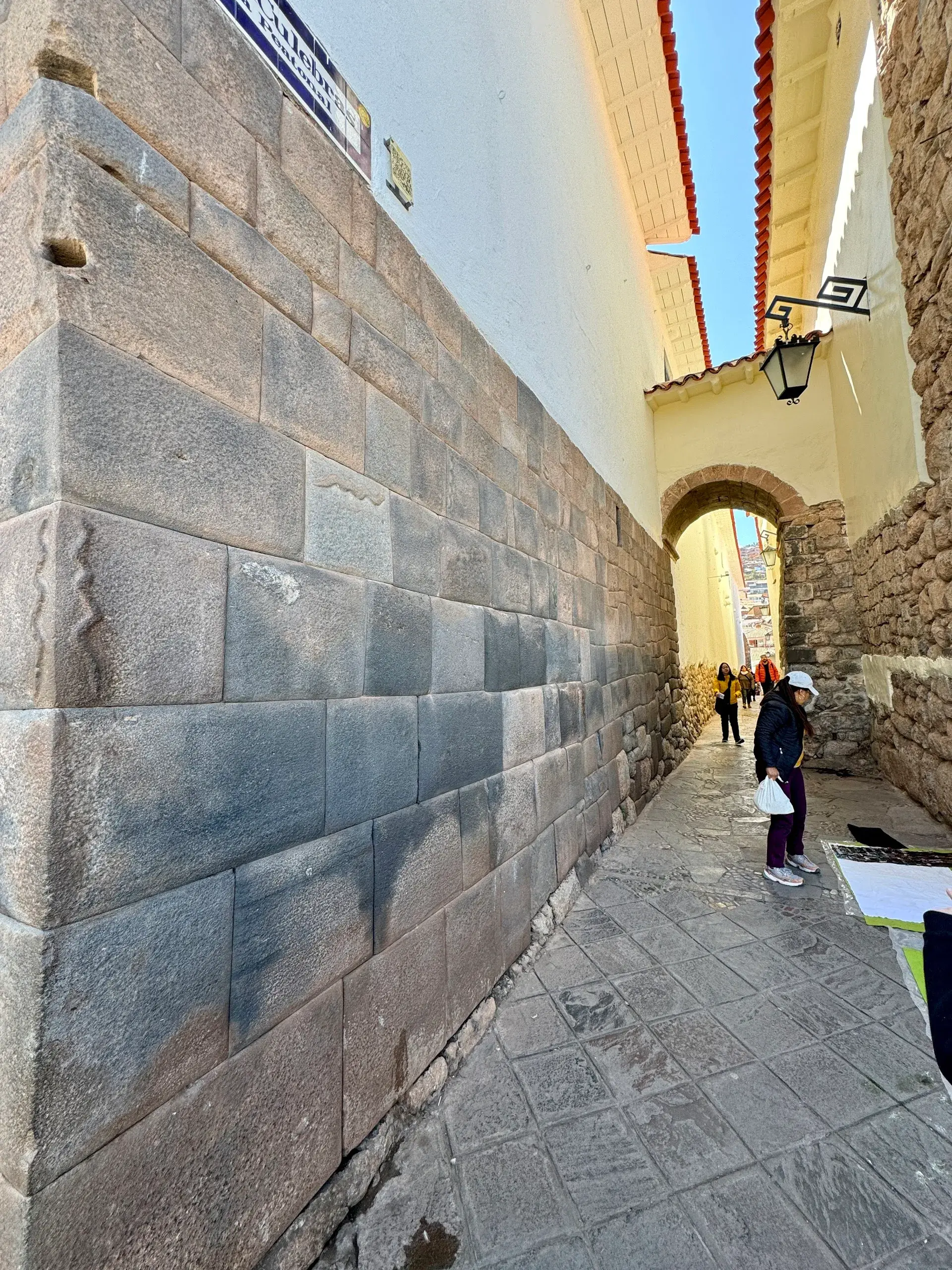
In the historic heart of Cusco, Peru, stands the Wall of the Seven Serpents, an ancient Inca stone masterpiece. Officially located on Siete Culebras Street, its original Quechua name was Amaru Ccata, meaning 'wall of snakes.' Here, intricately carved serpents appear to slither across massive stone blocks, revealing a profound symbolic meaning rooted in Inca cosmology.
Historical and Symbolic Significance
The street, once known as Amaru Ccata, was a place of great spiritual importance during the Inca Empire. It is believed to have been part of a center for wisdom and spiritual practices. The snake, or 'Amaru' in Quechua, was a sacred animal representing wisdom, profound knowledge, renewal, and transformation, inspired by its ability to shed its skin. It was also linked to the Uku Pacha, the underworld or world of the dead, embodying ancestral energies and the cycle of life and death.
The high-relief carvings of the snakes acted as guardians, thought to protect the sacred space from negative energies. Some traditions suggest the area was a training center for priests or astronomers, or located near a 'Yachaywasi' (Inca learning center). After the Spanish conquest, the street retained its original Inca layout even as it became a residential area for the viceregal elite, showcasing the endurance of Inca heritage.
An Architectural and Cultural Marvel
The walls exemplify the precision and durability of Inca architecture. A surprising detail is that despite its name, the site features a total of 14 carved snakes—seven on each side of the wall. The name 'Seven Serpents' likely derives from the profound sacred significance of the number seven in the Andean worldview, which symbolized a spiritual connection between the physical and divine realms.
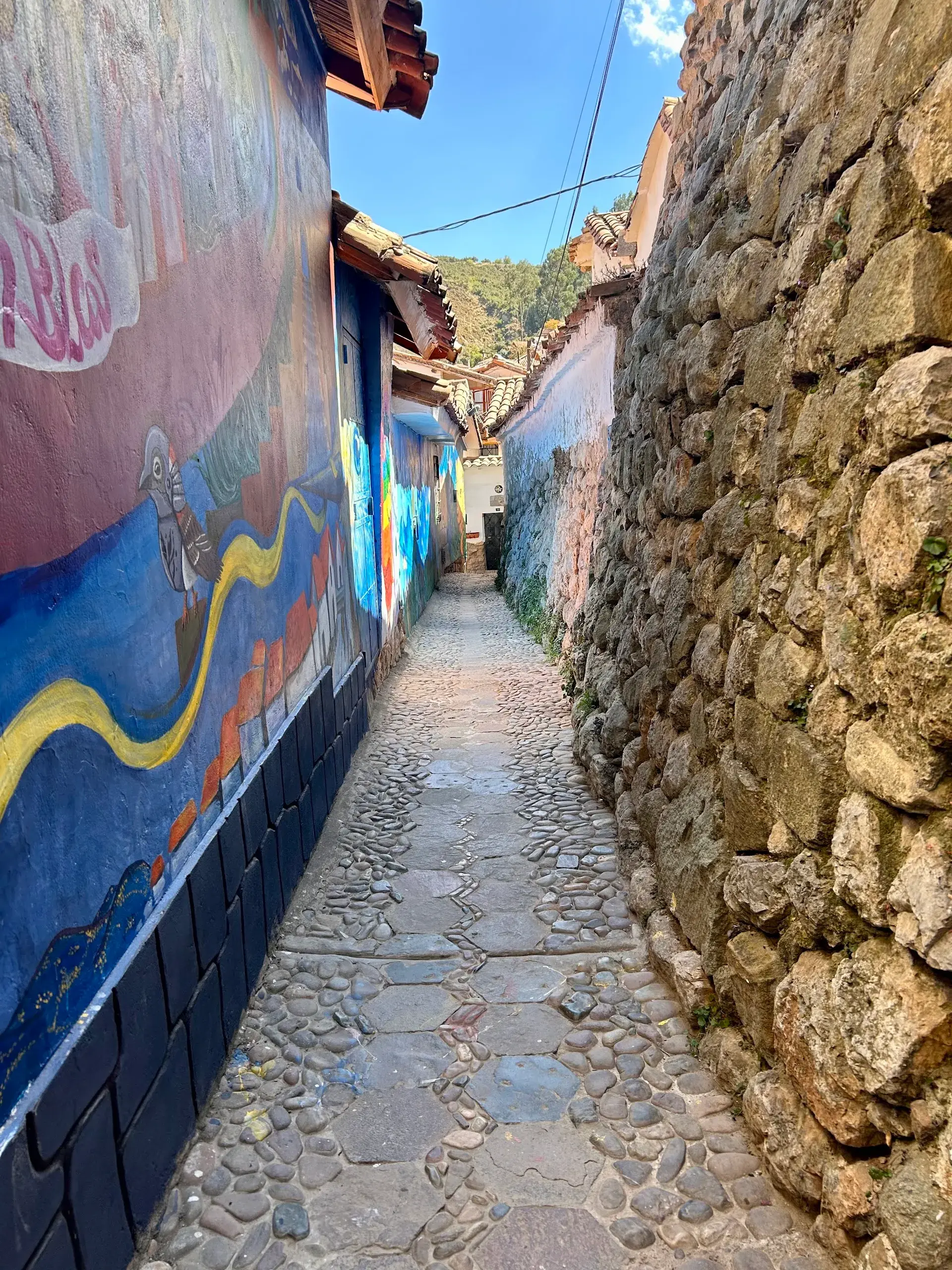
This narrow cobblestone passageway, with sections just 80 centimeters wide, is part of the Qhapaq Ñan, the vast Inca road system recognized as a UNESCO World Cultural Heritage site. The robust Inca foundations of the street have helped it survive earthquakes that devastated other parts of the city over the centuries.
The Wall of the Seven Serpents Today
Located in the San Blas neighborhood a short distance from the Plaza de Armas, Siete Culebras Street is a prominent destination for visitors exploring Cusco's historic center. The street is freely accessible 24 hours a day with no entrance fee. It offers a tangible connection to the past, where ancient Inca structures blend seamlessly with colonial buildings.
The unique carvings and historical atmosphere make it a popular spot for photography. The cobblestones feel cool in the morning and warm under the afternoon sun. Visitors will often find local artists and artisans selling their crafts nearby, adding to the vibrant character of this remarkable site, which is part of a National Historic Monument.
FAQ
Why is it called the Wall of the Seven Serpents if there are 14 snakes?
The wall has 14 snakes, seven on each side. The name likely reflects the sacred significance of the number seven in the Inca worldview, which represented a link between the physical and divine realms, rather than a literal count of all the carvings.
What did the snake symbolize to the Incas?
For the Incas, the snake, or 'Amaru', was a sacred animal symbolizing wisdom, profound knowledge, renewal, and transformation. It also represented the underworld (Uku Pacha), ancestral energies, and the cycle of life and death.
Where is the Wall of the Seven Serpents located?
The wall is on Siete Culebras Street (its original Quechua name was Amaru Ccata) in the historic San Blas neighborhood of Cusco, Peru, near the Plaza de las Nazarenas.
Is there an entrance fee to see the Wall of the Seven Serpents?
No, Siete Culebras Street is a public passageway that is freely accessible 24/7 with no entrance fee.
Discover Cusco like never before
Dive into Cusco hidden stories and secret spots with Ciceru interactive tours.
Explore tour
Audioguide
Quizzes
Maps
Solo
Couples
Groups & families

© Photo by Andres Annoni via Google Maps · Google Places