Calle Loreto: Cusco's Enduring Inca Walls
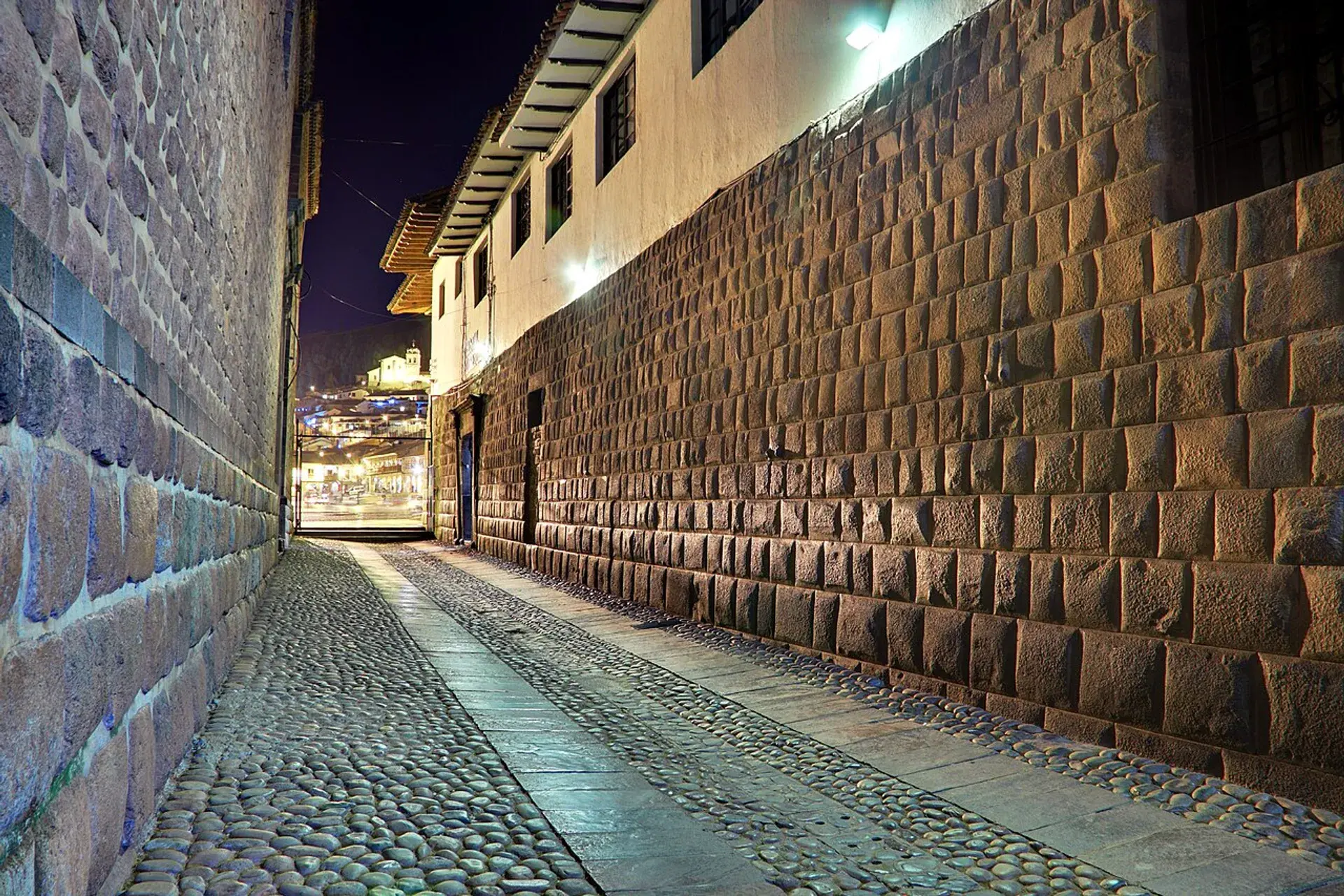
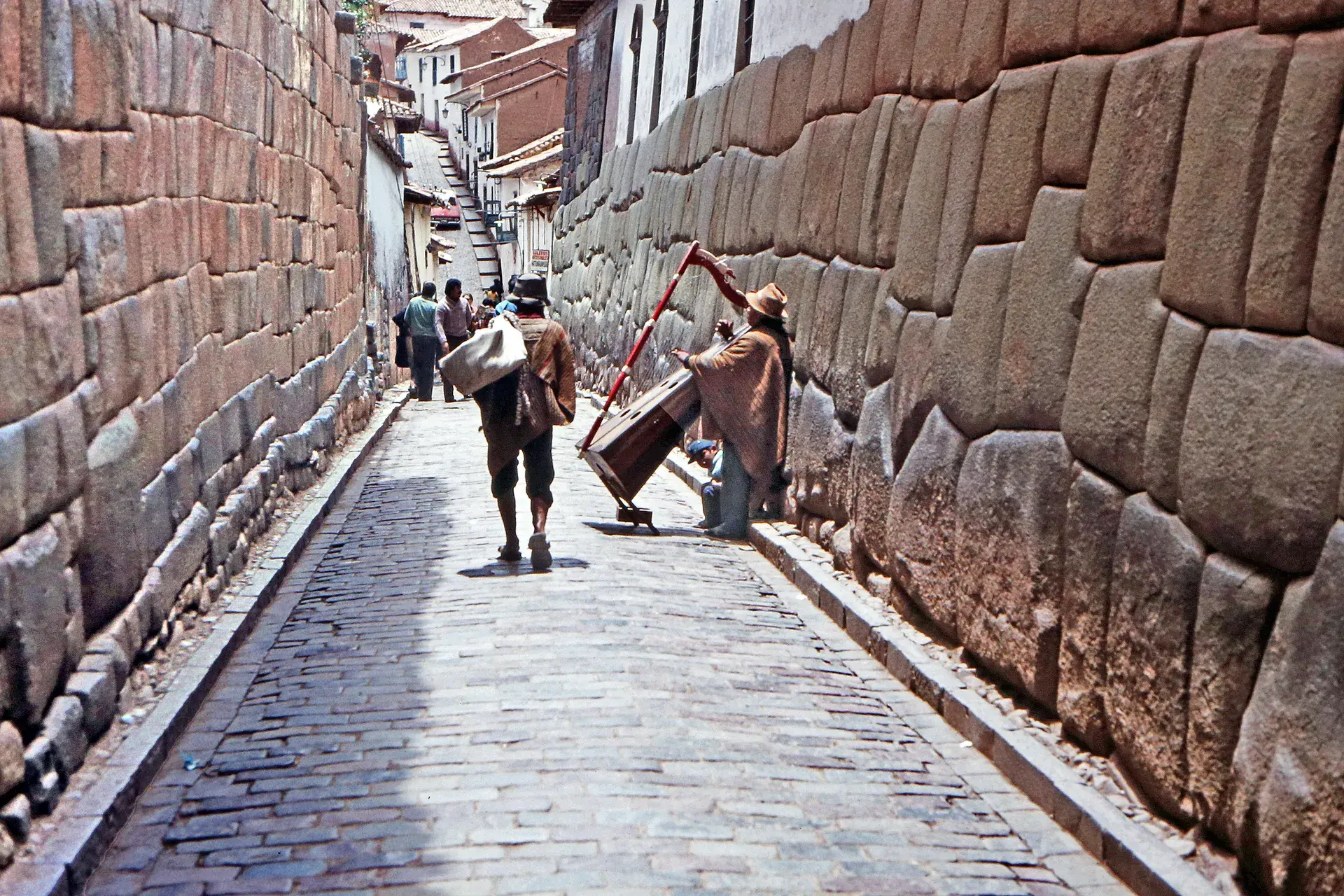
In the heart of Cusco, Peru, lies Calle Loreto, a pedestrian street that serves as a living museum of Inca history. Originally known by its Quechua name, Intik'ijllu or "Alley of the Sun," this 231-meter-long passage is defined by the magnificent, well-preserved Inca walls that line both sides. The perfectly fitted, unmortared stones stand as a testament to the empire's masterful craftsmanship.
A Tale of Two Imperial Walls
Calle Loreto was a vital thoroughfare in the Inca capital, flanked by two of its most significant structures. On one side stood the Amaru Cancha, or "Serpent Enclosure," believed to be the palace of the eleventh Inca ruler, Huayna Cápac. The name may have come from snake carvings on a lintel near the enclosure.
On the opposite side was the Acllahuasi, the "House of the Chosen Women." This building was home to the Virgins of the Sun, priestesses dedicated to the sun god, Inti, who served crucial religious and administrative roles within the Inca elite.
Masterful Inca Engineering
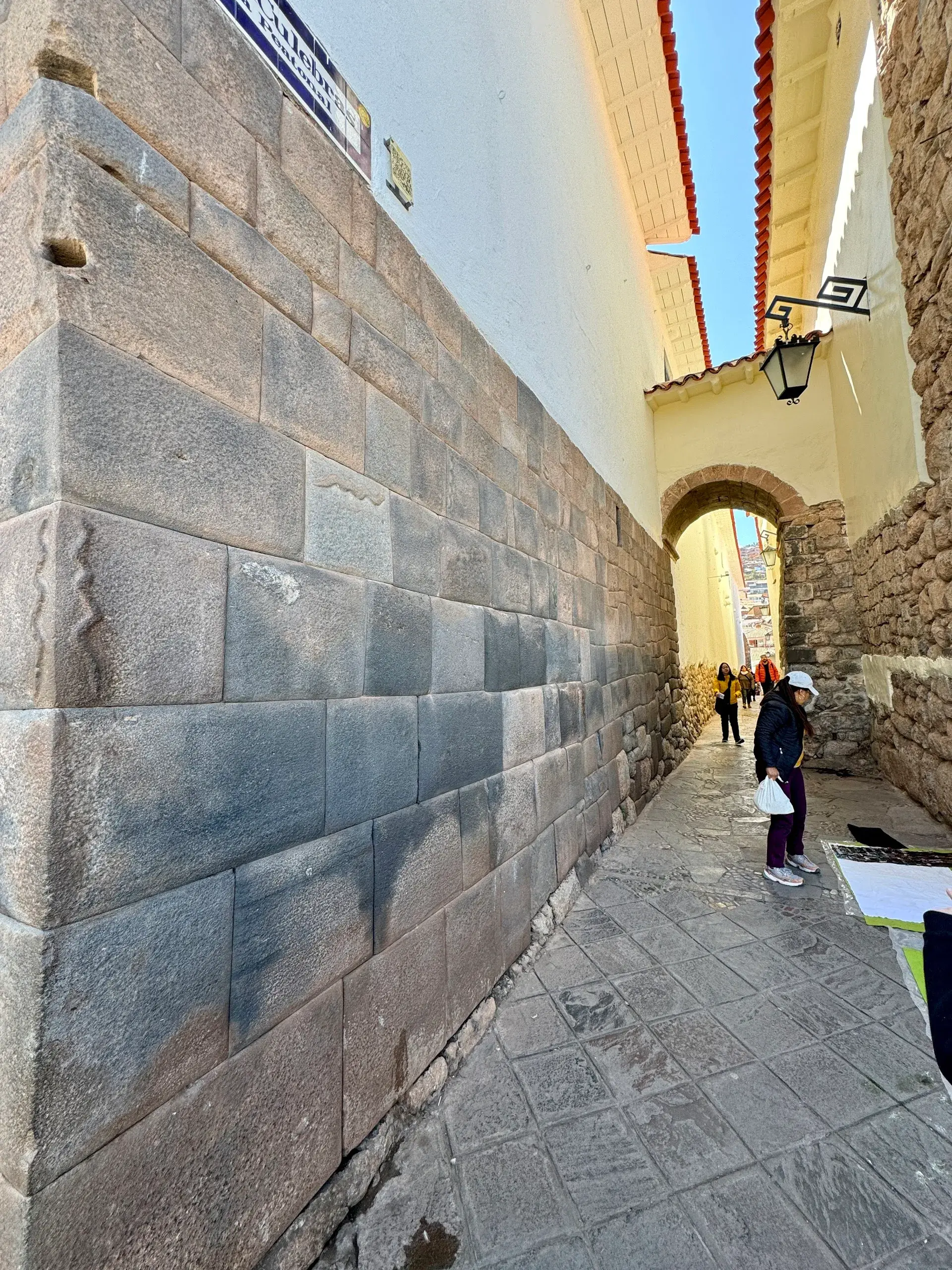
The walls of Calle Loreto showcase the pinnacle of Inca architectural skill. They are constructed in the polished style, featuring precisely cut, trapezoidal stones that fit together perfectly without any mortar. This ingenious design was not just for aesthetics; it made the walls remarkably earthquake-resistant.
During seismic events, the stones are able to shift and then resettle into place, a quality that has allowed them to endure for centuries. In major earthquakes, such as the one in 1950, the Spanish colonial structures built atop these foundations often sustained heavy damage, while the Inca stonework remained largely intact.
From Inca Alley to Colonial Street
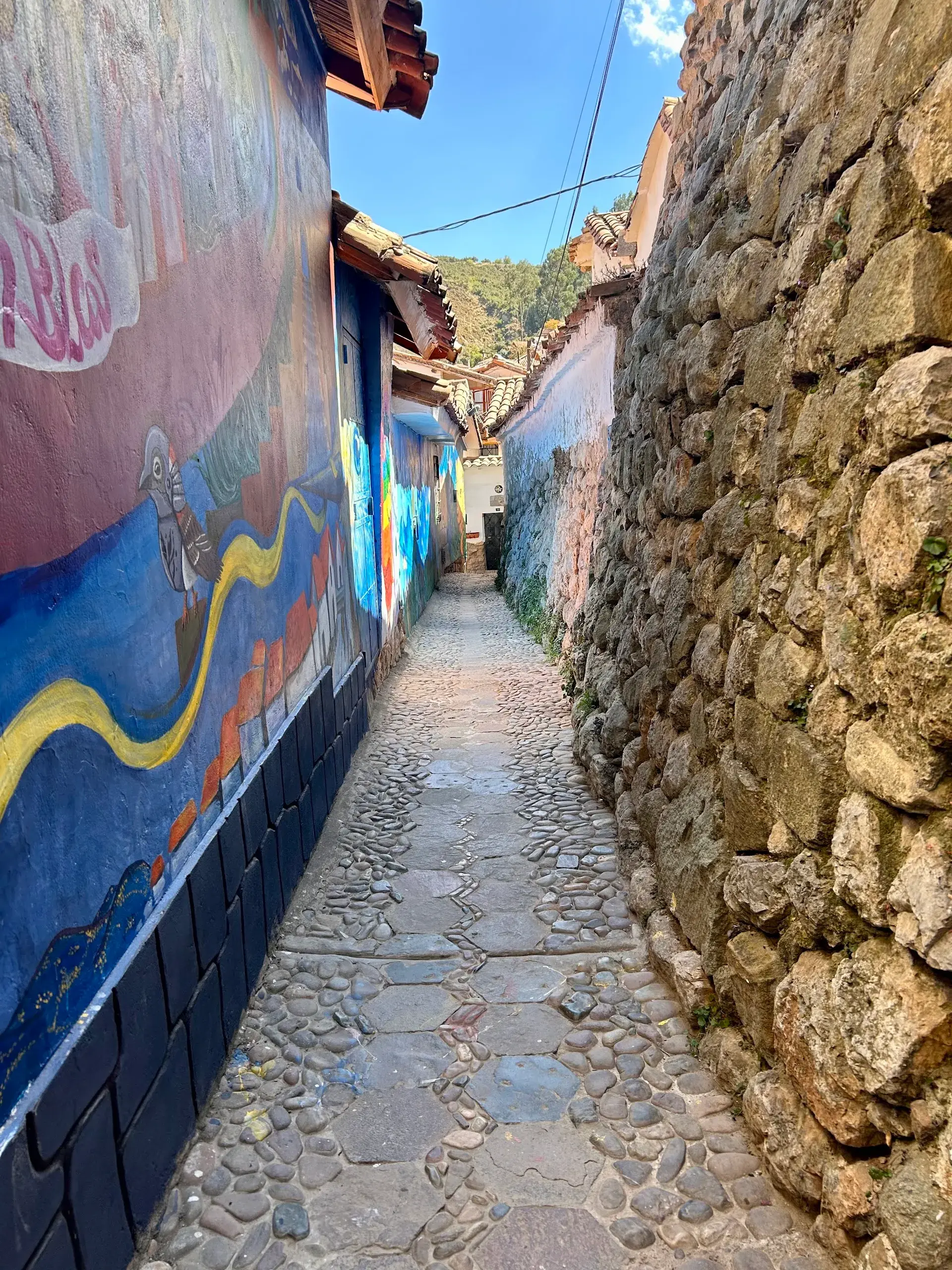
The 16th-century Spanish conquest brought significant changes to Cusco. The Spanish dismantled many Inca buildings but often built their own colonial structures directly upon the robust Inca foundations. This practice is evident along Calle Loreto, creating a unique architectural blend.
The street was renamed after the Chapel of Nuestra Señora de Loreto, which was constructed during the colonial era. This transition from the "Alley of the Sun" to a street named for a Catholic chapel reflects the profound cultural and religious shifts of the period.
Calle Loreto Today
Today, Calle Loreto remains a bustling pedestrian street connecting the Plaza de Armas with the Coricancha area. It is a popular destination for visitors and locals, lined with artisan stalls, shops, and cafes. Many modern homes and businesses are still built upon the original Inca walls.
As a frequent stop on walking tours, the street offers a direct connection to Cusco's past. Visitors should wear comfortable shoes to navigate the uneven cobblestone pavement. To best appreciate the intricate stonework and avoid crowds, it is advisable to visit in the early morning or late afternoon when the light is optimal.
FAQ
What is Calle Loreto in Cusco famous for?
Calle Loreto is famous for its exceptionally well-preserved Inca walls that line both sides of the street. These walls once belonged to the Amaru Cancha palace and the Acllahuasi (House of the Chosen Women).
Why are the Inca walls on Calle Loreto so durable?
The walls are built with precisely cut, trapezoidal stones that fit together without mortar. This design allows the stones to move and resettle during earthquakes, making them incredibly resilient to seismic activity.
What was Calle Loreto's original name?
Its original Quechua name was Intik'ijllu, which translates to "Alley or Street of the Sun," reflecting its importance within the Inca capital.
Can you visit Calle Loreto?
Yes, Calle Loreto is a public pedestrian street in the historic center of Cusco, easily accessible from the Plaza de Armas. It is open to everyone and is a popular spot for walking tours.