Qorikancha: Cusco's Golden Temple of the Sun
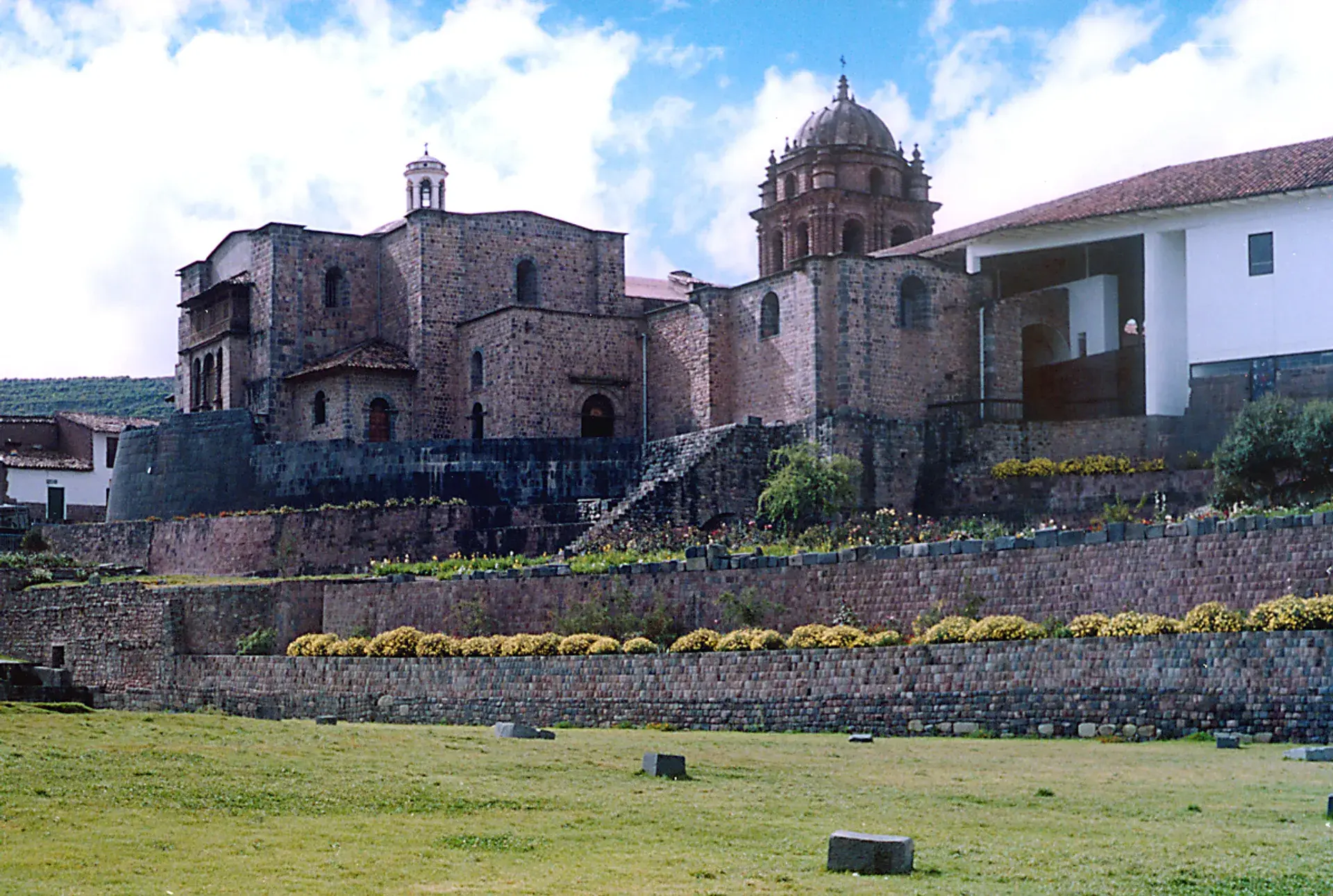
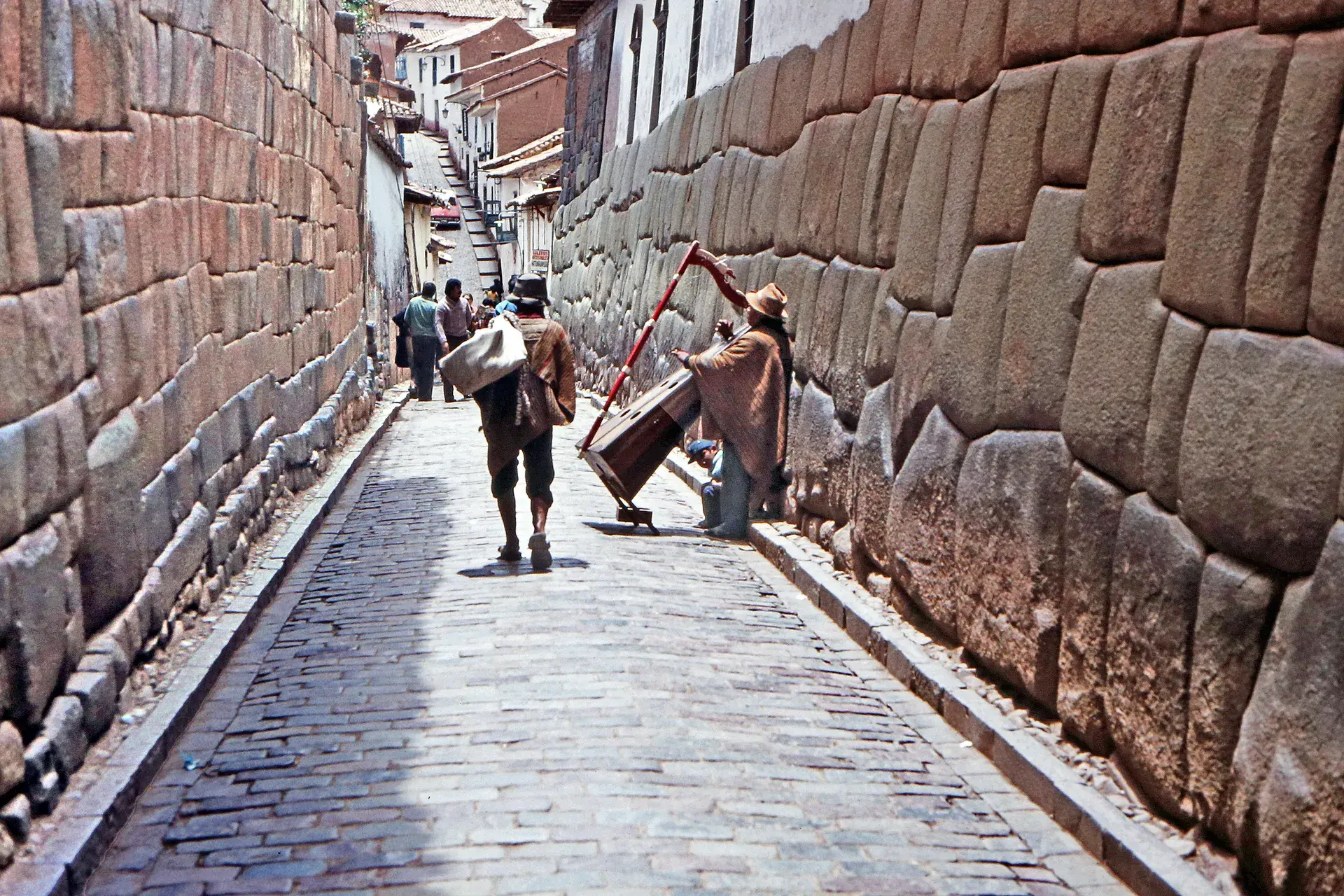
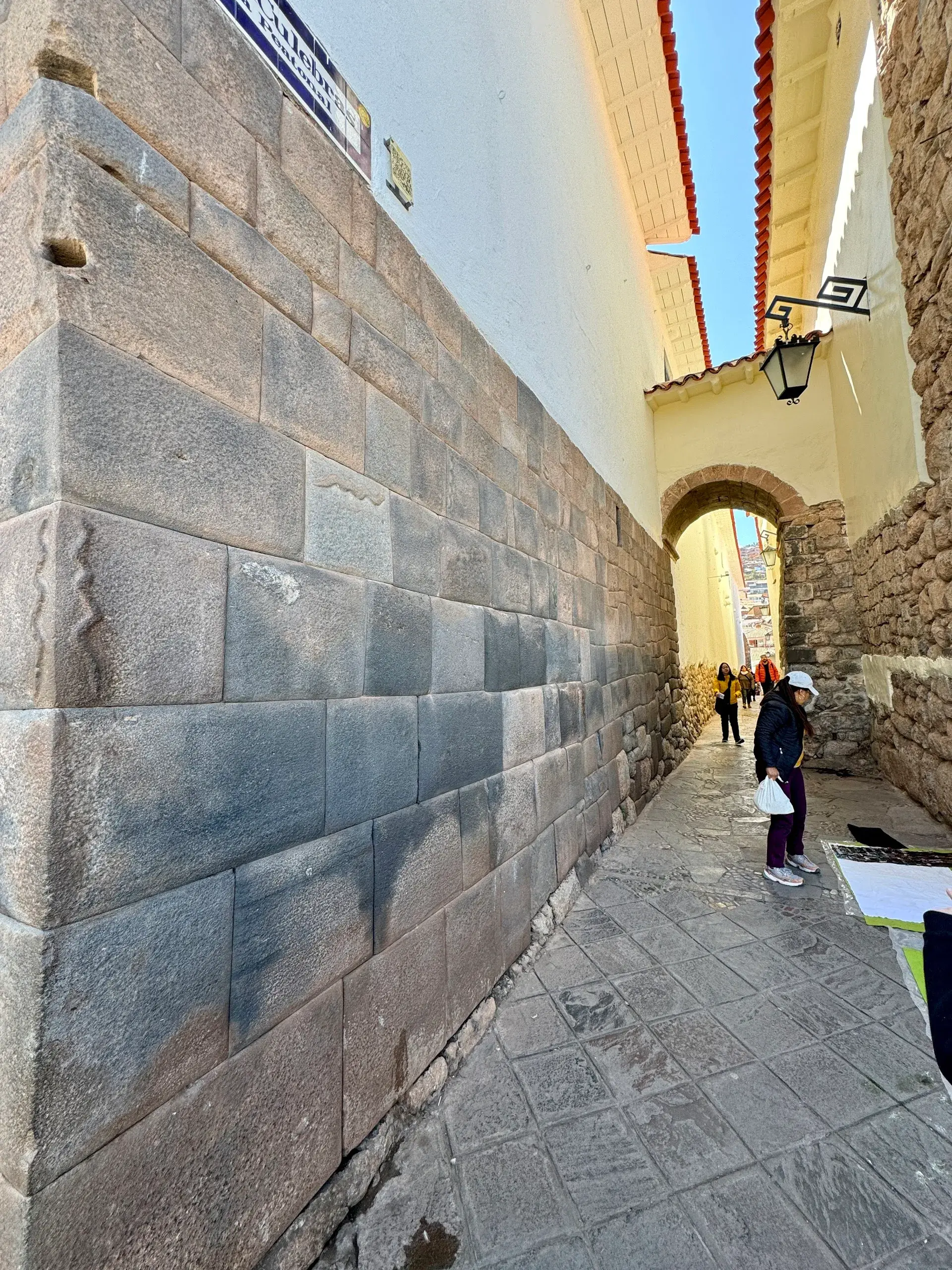
From the street, the ancient Inca walls of Qorikancha showcase perfect stone masonry that once formed a magnificent temple adorned with pure gold. This site in Cusco represents a profound intersection of cultures, where the spiritual center of the Inca Empire lies beneath a Spanish colonial convent.
The Golden Enclosure of the Inca
Originally founded as Inticancha by Manco Cápac in the early 12th century, the site was the paramount spiritual, political, and astronomical center of the Inca Empire. Around 1438, the ninth Inca ruler, Pachacútec Inca Yupanqui, transformed it into the spectacular Qorikancha, meaning 'Golden Enclosure'. He ordered its walls to be covered with sheets of pure gold and silver. The temple housed a golden idol of the sun god, Inti, and the mummified remains of past Inca rulers.
Qorikancha was also the nexus of the 'ceque system,' a complex network of 41 lines radiating from Cusco to connect 328 sacred sites, organizing the empire's religious and political life. In the symbolic design of Cusco as a jaguar, Qorikancha was positioned at its tail.
Conquest and Colonial Transformation
With the arrival of Spanish conquistadors in 1533, Qorikancha's splendor was dismantled. The temple was stripped of its immense wealth to help pay the ransom for the captured Inca emperor, Atahualpa. Chroniclers reported that over 700 gold plates, each weighing about two kilograms, were removed. The sacred golden Punchao disc was stolen in 1572, and its whereabouts remain unknown.
The site was granted to the Dominican Order, who began constructing the Convent of Santo Domingo directly on the temple's foundations in 1538. Completed in 1610, the Baroque-style church stands as a symbol of the imposition of a new religious and political order.
A Testament to Inca Engineering
The most striking feature of Qorikancha is the resilience of its original Inca construction. The walls, built with a mortarless technique called ashlar masonry, feature perfectly interlocking stones. This advanced, seismic-resistant design has proven superior to later constructions.
Major earthquakes in 1650 and 1950 severely damaged the colonial church, but the underlying Inca walls remained largely intact. The damage from the 1950 quake exposed more of the original Inca architecture, sparking a debate led by intellectuals like Luis E. Valcárcel, who advocated for the preservation of Peru's indigenous heritage.
Qorikancha Today
Today, Qorikancha is one of Peru's most visited heritage sites, attracting approximately 1.5 million visitors annually. It functions as both an archaeological museum and an active religious site within the Convent of Santo Domingo. Visitors can observe the unique architectural blend of indigenous and Spanish influences, a concept known as cultural mestizaje.
The site remains a vital cultural touchstone, fostering an appreciation for Peru's layered history. It continues to serve as the ceremonial starting point for the annual Inti Raymi, or Festival of the Sun, held every year on June 24th.
FAQ
What does the name Qorikancha mean?
Qorikancha means 'Golden Enclosure' in the Quechua language. It was named this after the Inca ruler Pachacútec ordered its walls to be covered in sheets of pure gold and silver.
Why is Qorikancha significant?
It was the most important spiritual and political center of the Inca Empire, dedicated to the sun god Inti. Today, its blend of Inca foundations and a Spanish colonial convent symbolizes cultural collision and indigenous resilience.
How did the Inca walls of Qorikancha survive major earthquakes?
The walls were built using ashlar masonry, featuring precisely cut stones that fit perfectly together without mortar. This advanced, seismic-resistant engineering allowed the walls to withstand major earthquakes in 1650 and 1950 that severely damaged the Spanish church built on top.
Is Qorikancha still used for ceremonies?
Yes, Qorikancha serves as the ceremonial starting point for the annual Inti Raymi, the Festival of the Sun, which takes place on June 24th.