Lantern of Memory: Lublin's Eternal Flame
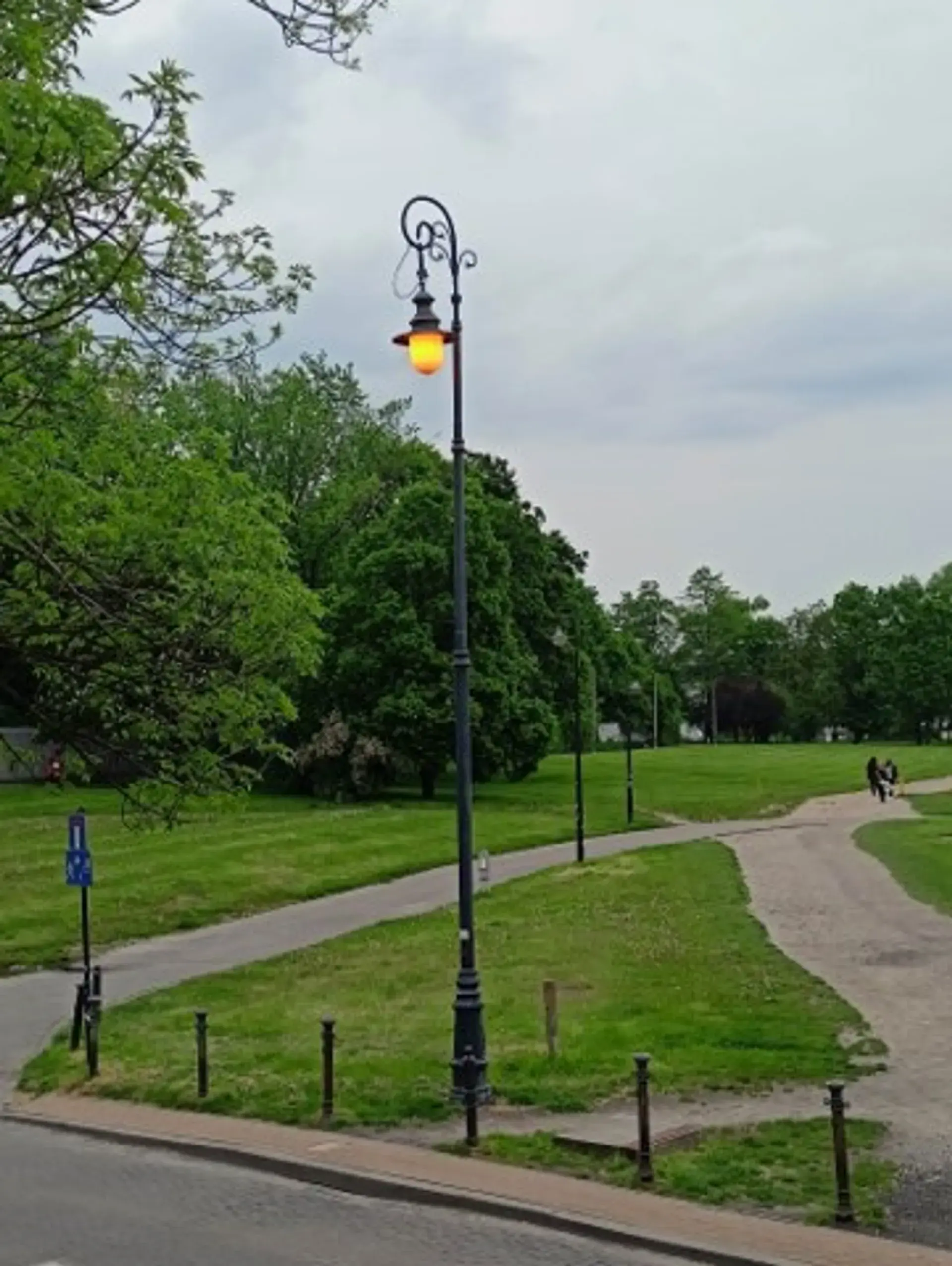
A single, authentic pre-war street lamp burns continuously in an empty field beneath Lublin Castle, illuminating a neighborhood that no longer exists. Known as the Lantern of Memory (Latarnia Pamięci), this quiet but visually arresting landmark provides a stark reminder of a community erased from the modern city map.
The Vanished Quarter of Podzamcze
From the 15th century until World War II, the Podzamcze area surrounding Lublin Castle served as the spiritual, cultural, and commercial heart of the city's Jewish population. During this time, Jewish residents made up approximately one-third of Lublin's total population. The dense historic streets were entirely transformed in March 1941 when Nazi German occupation authorities established a ghetto in the district.
Beginning on March 16, 1942, the launch of Aktion Reinhardt marked the end of the historic neighborhood. Between 28,000 and 30,000 Jewish residents were deported to the Bełżec extermination camp. The entire Podzamcze district was systematically razed to the ground, leaving open lawns, parking areas, and modern thoroughfares where thousands of homes once stood.
An Authentic Relic
In the autumn of 2004, the local cultural institution Grodzka Gate – NN Theatre Centre inaugurated the Lantern of Memory as part of a cultural mystery play meant to bring collective memory back to the leveled district. Unlike typical commemorative plaques or modern abstract monuments, the lantern is an original, surviving pre-war urban fitting. Originally gas-lit and later electrified, the cast-metal street lamp actually stood in the historic city.
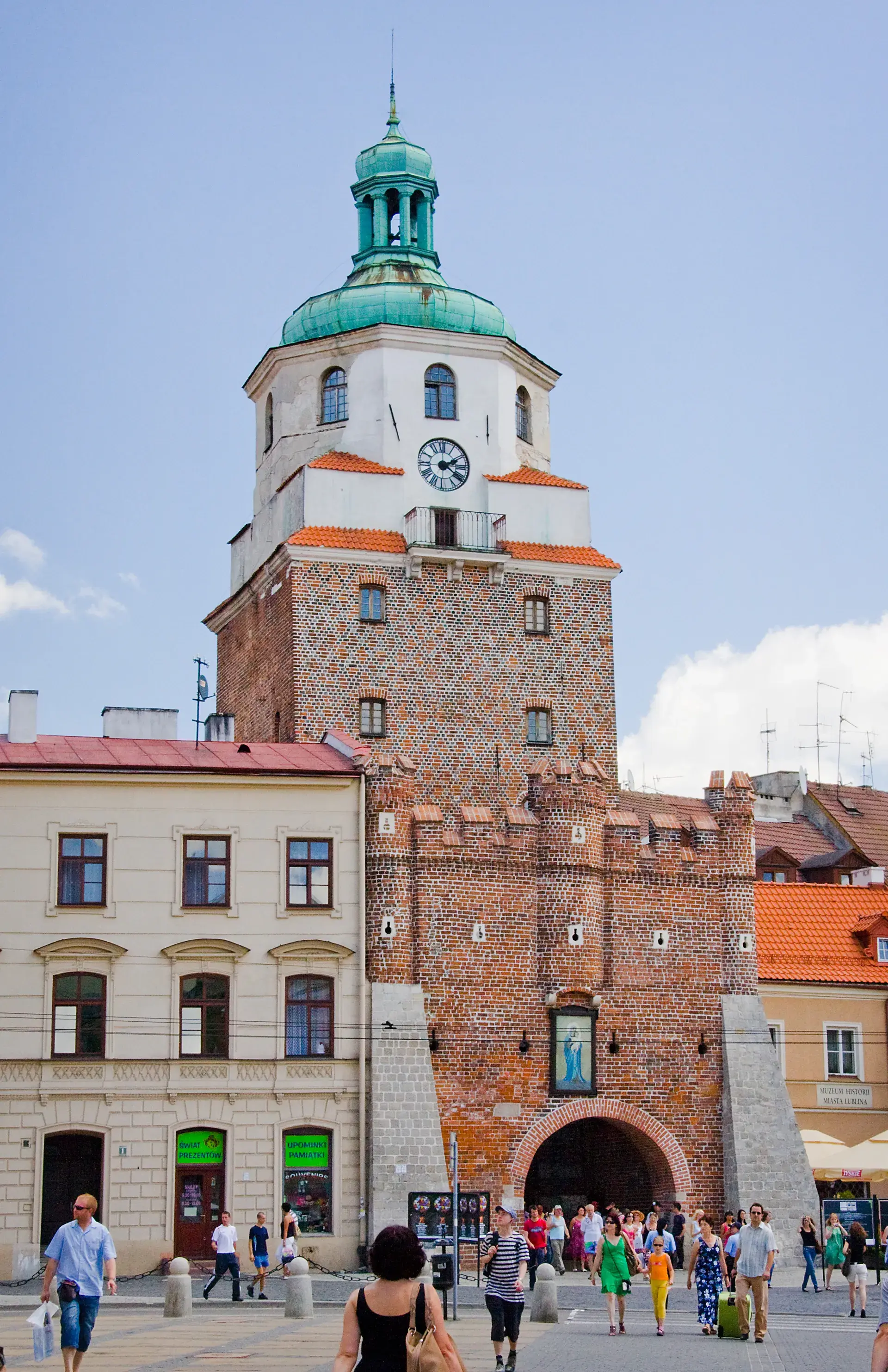
Its exact placement is highly intentional. The lantern marks the former intersection of Krawiecka and Podwale streets, a crossing that completely vanished during the district's destruction. Today, it sits directly below the Grodzka Gate, historically known as the "Jewish Gate" because it formed the boundary between the predominantly Christian Old Town and the Jewish city below the Castle.
A Secular Eternal Flame
The Lantern of Memory remains switched on 24 hours a day, 365 days a year. The visible, steady yellow-white glow emanating from the antique fixture in broad daylight creates a deliberate perceptual dissonance against the empty green space. It acts as a secular civic equivalent of the ner tamid—the eternal light found in Jewish synagogues.
Serving as a primary marker on the Lublin Holocaust Memorial Trail, the lantern is the focal point of an annual commemoration. Every year on March 16, the anniversary of the ghetto's liquidation, a ceremony called the Mystery of Light and Darkness takes place. All ambient municipal lights across the former Jewish town are extinguished except for this single lantern. Participants then carry a flame from the lantern along a route to the former railway loading ramp on ulica Zimna.
FAQ
Where is the Lantern of Memory located?
The lantern is situated on ulica Podwale at the foot of Lublin Castle hill. It marks the exact pre-war intersection of Krawiecka and Podwale streets, an area that was once part of the dense Jewish quarter.
Why does the Lantern of Memory stay lit during the day?
The lantern shines continuously 24 hours a day, 365 days a year, serving as a secular eternal flame to commemorate Lublin's vanished Jewish community and the demolished Podzamcze district.
What is the significance of the lantern's design?
Rather than being a modern replica or abstract monument, the memorial is an authentic, surviving pre-war street lamp that actually stood in the historic city before World War II.