Plac Po Farze: Lublin's Vanished Gothic Church
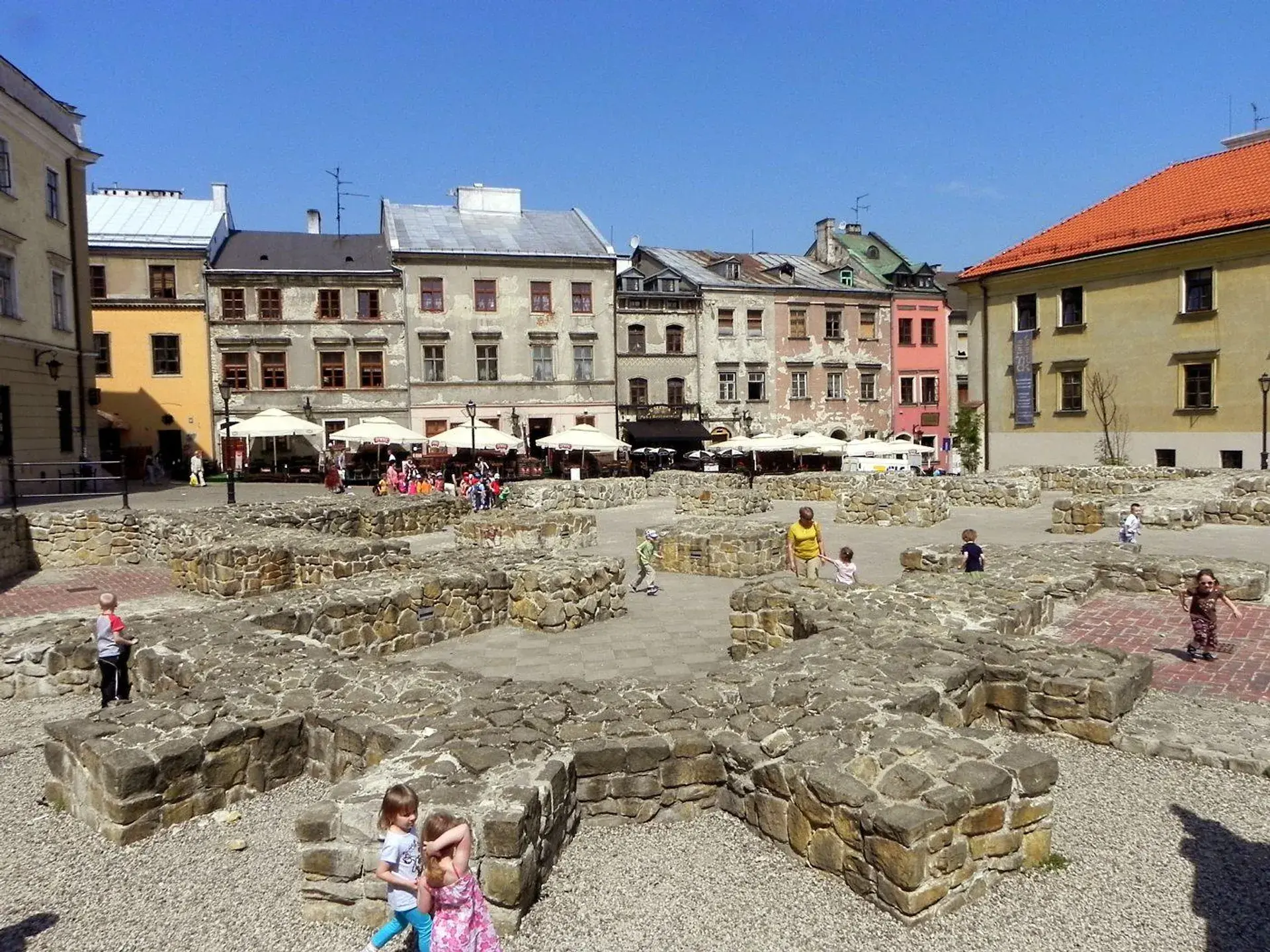
Plac Po Farze, which literally translates to 'Square After the Parish Church,' sits midway between the Old Town Market Square and the Royal Castle in Lublin. This open-air square occupies the footprint of the demolished Church of St. Michael the Archangel. Today, the site physically maps out the layout of the vanished chancel, nave, and side chapels using knee-high traces of limestone and brick masonry.
A Church Made of Air
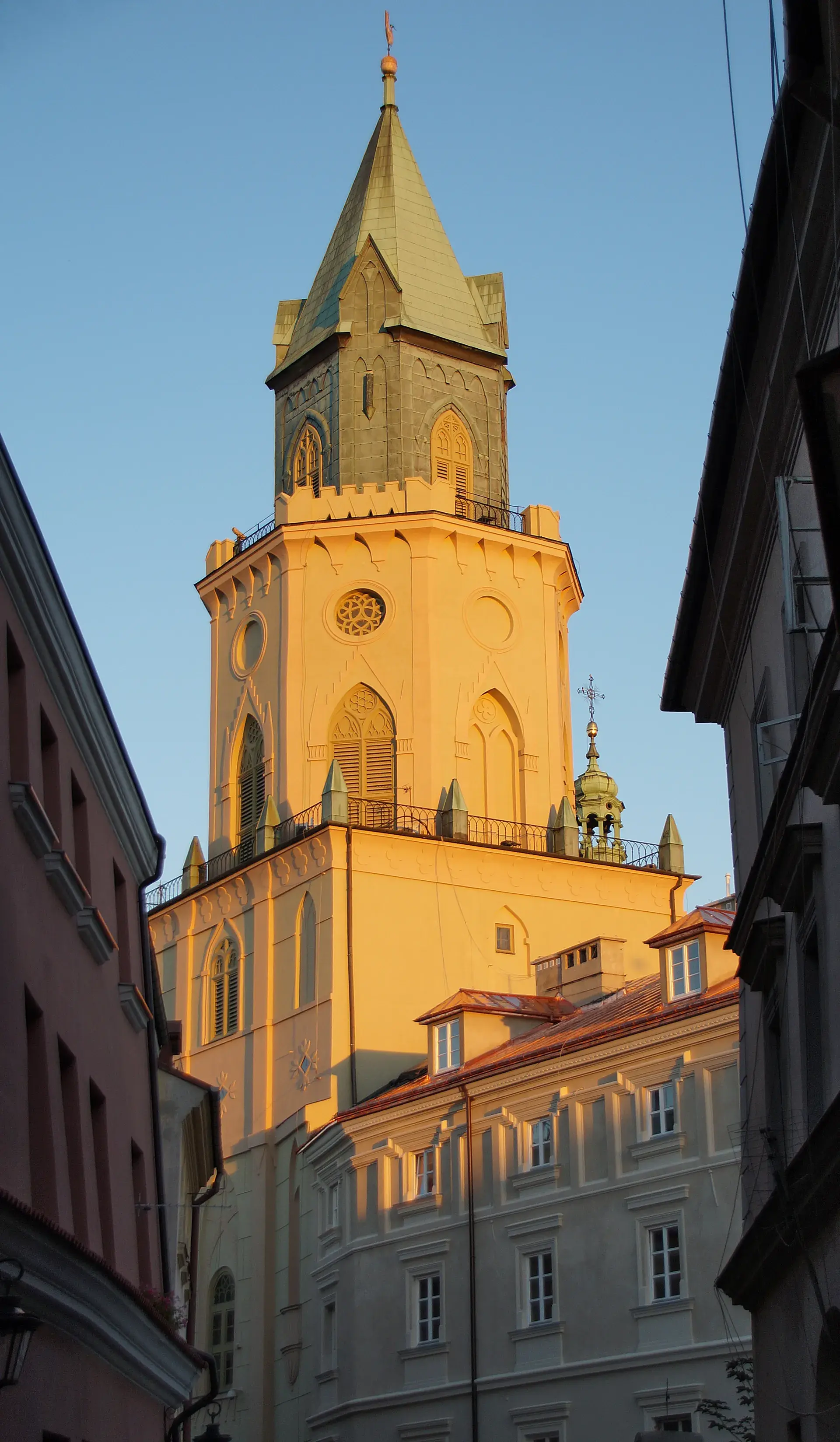
The site originally functioned as a Christian cemetery between the 11th and 13th centuries. By the late 13th or early 14th century, a permanent stone church was constructed, eventually becoming medieval Lublin's spiritual center. The structure featured a tall Gothic tower that underwent rebuilding following devastating city fires in 1575 and 1653.
The building was elevated to a collegiate church in 1574 and temporarily served as the Lublin Diocese cathedral from 1826 to 1832. After cathedral functions were transferred to a former Jesuit church, the building fell into neglect. Due to severe structural dilapidation, Tsarist-era administrators dismantled the church between 1846 and the 1850s to prevent its collapse. Lublin poet Józef Czechowicz famously commemorated the missing structure as a 'church made of air,' writing that on clear nights, stars shine through its invisible Gothic ribs.
Legends of the Oak Tree
According to the chronicles of Jan Długosz, Duke Leszek the Black ordered the church's construction in 1282. The Duke reportedly dreamed of Archangel Michael and chose to build the church directly over the trunk of an oak tree where he had experienced the vision. Local accounts claim that a petrified oak trunk was indeed discovered beneath the altar floor during the 19th-century demolition of the building.
Excavation and Modern Revival
The medieval foundations were excavated between 1936 and 1938 by Józef Edward Dutkiewicz. Decades later, the square was revitalized into its modern format between 2001 and 2002. To help contextualize the ruins, a tactile bronze scale model sits on the square, providing a three-dimensional reference for the multi-story Gothic architecture that once dominated the space.
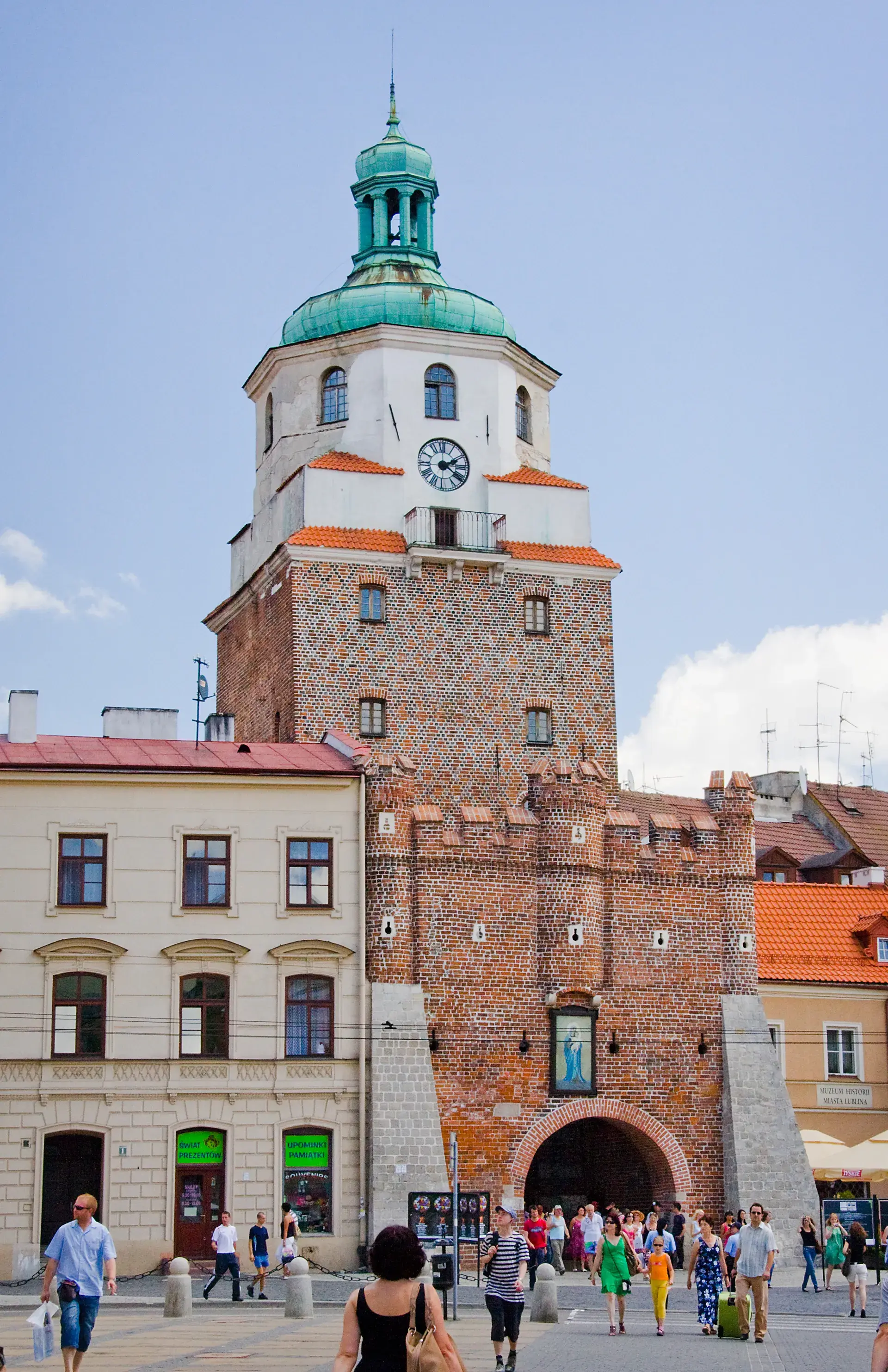
Today, Plac Po Farze functions as a public gathering space used for walking tours, casual seating, open-air concerts, and city festivals. It also provides a prominent scenic viewpoint, offering panoramic vistas overlooking Lublin Castle, the Grodzka Gate area, and Czwartek Hill.
FAQ
What happened to the church at Plac Po Farze?
The Church of St. Michael the Archangel fell into severe disrepair in the 19th century. To prevent its collapse, Tsarist-era administrators dismantled the structure between 1846 and the 1850s.
What can visitors see at Plac Po Farze today?
Visitors can view the exposed knee-high limestone and brick foundations of the former church, a tactile bronze scale model of the building, and panoramic views of Lublin Castle and Czwartek Hill.
How old are the ruins at Plac Po Farze?
The exposed foundations belong to a permanent stone church constructed in the late 13th or early 14th century, though the site itself was used as a Christian cemetery as early as the 11th century.