Dialogue Centre Upheavals: Szczecin's Underground Museum
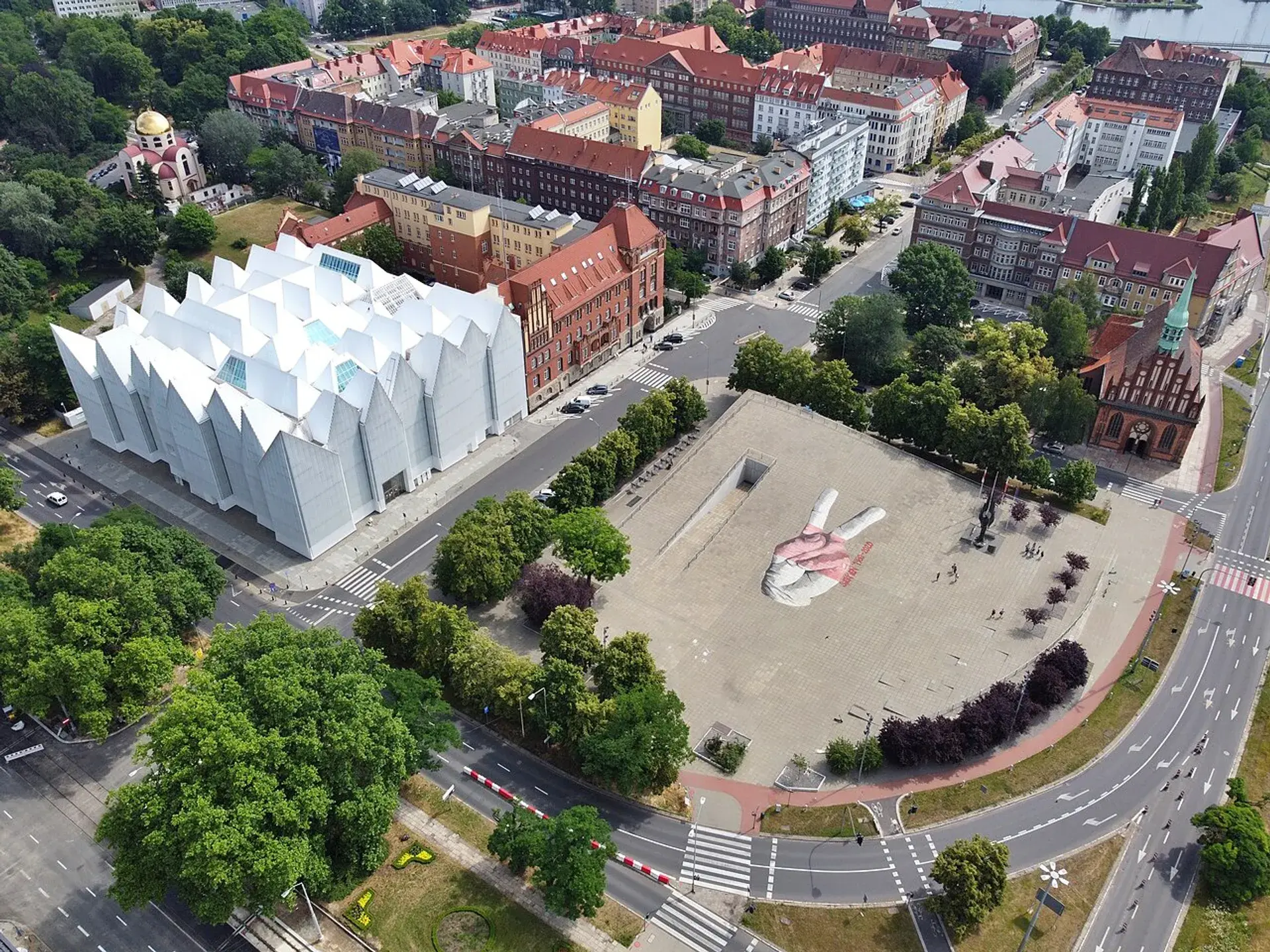
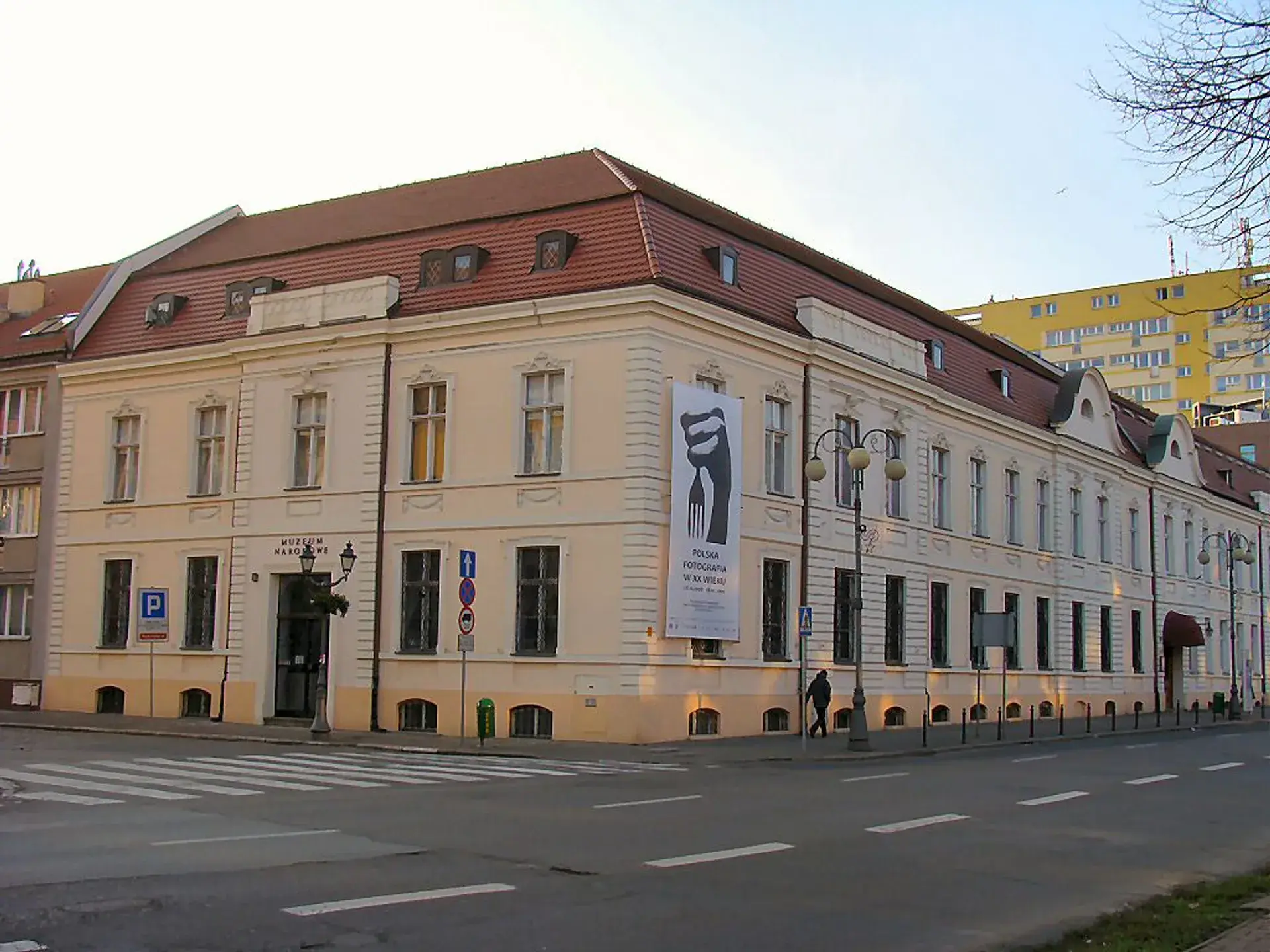
Beneath a sweeping concrete plaza where skateboarders ride and a city once bled, Szczecin has buried the most turbulent chapters of its modern history. The Dialogue Centre Upheavals (Centrum Dialogu „Przełomy”), a branch of the National Museum in Szczecin, is located directly beneath Solidarity Square (Plac Solidarności). The site encapsulates the 20th-century identity rupture, communist oppression, and grassroots recovery of the region.
A Tragic and Transformative History
Before World War II, the area was a dense urban quarter of representative tenements. Allied bombing raids destroyed the block, and following post-war border shifts that transitioned the city from German Stettin to Polish Szczecin, the cleared void evolved into a public square.
The location holds deep historical significance. On December 17, 1970, communist security forces opened fire on coastal workers protesting food price hikes, killing 16 people. During these violent demonstrations, striking workers dragged a decorative wooden playground boat from the square to use as a battering ram against the nearby police headquarters. The square subsequently became a primary rallying site for the anti-communist opposition and the Solidarity movement. In 2005, the Angel of Freedom monument was erected on the plaza to honor the 1970 victims.
Award-Winning Architecture
Designed by Polish architect Robert Konieczny and the KWK Promes practice, the structure won the European Prize for Urban Public Space in July 2016 and World Building of the Year in November 2016. The square's design is an urban hybrid that uses raised edges to trace the boundaries of the pre-war enclosed street block while maintaining a post-war open gathering space.
The architect intentionally submerged the building underground so its visual presence would not compete with the striking white facade of the adjacent Philharmonic Hall. Monolithic, continuous concrete paving sweeps gently upward from ground level into sculpted rises at opposite diagonal corners.
The Museum Experience
Transitioning from the bright, open amphitheater of the square, the structure descends into deep black, dimly lit underground exhibition halls designed to evoke a well of history. The subterranean galleries feature interactive multimedia, archival documents, personal testimonies, and art installations. The exhibits heavily focus on the region's trauma, migration, totalitarian control, and the breakthroughs of 1970, 1980, 1981, and 1989.
A Living Civic Plaza
Despite housing a solemn historical memorial museum directly below, the sloping concrete roof functions as an active civic space. It was deliberately designed to remain open for skateboarding, rollerblading, and winter sledding. This dual-use approach has transformed a site of historic tragedy into a vibrant, intergenerational gathering place at a prominent cultural crossroads in Szczecin.
FAQ
Where is the Dialogue Centre Upheavals located?
It is situated directly beneath Solidarity Square (Plac Solidarności) in central Szczecin, across from the Philharmonic Hall.
What does the Dialogue Centre Upheavals exhibit?
The museum focuses on the history of Szczecin, Western Pomerania, and Poland from 1939 to 1989. It covers the shift from German Stettin to Polish Szczecin, communist oppression, and the grassroots resistance movements like Solidarity.
Why is the museum built underground?
Architect Robert Konieczny intentionally submerged the building so its visual presence would not compete with the striking white facade of the neighboring Philharmonic Hall.
What historical event happened at Solidarity Square in 1970?
On December 17, 1970, communist security forces opened fire on coastal workers who were striking against food price hikes, resulting in the deaths of 16 people.