Guide to the 'Under the Heads' Palace in Szczecin
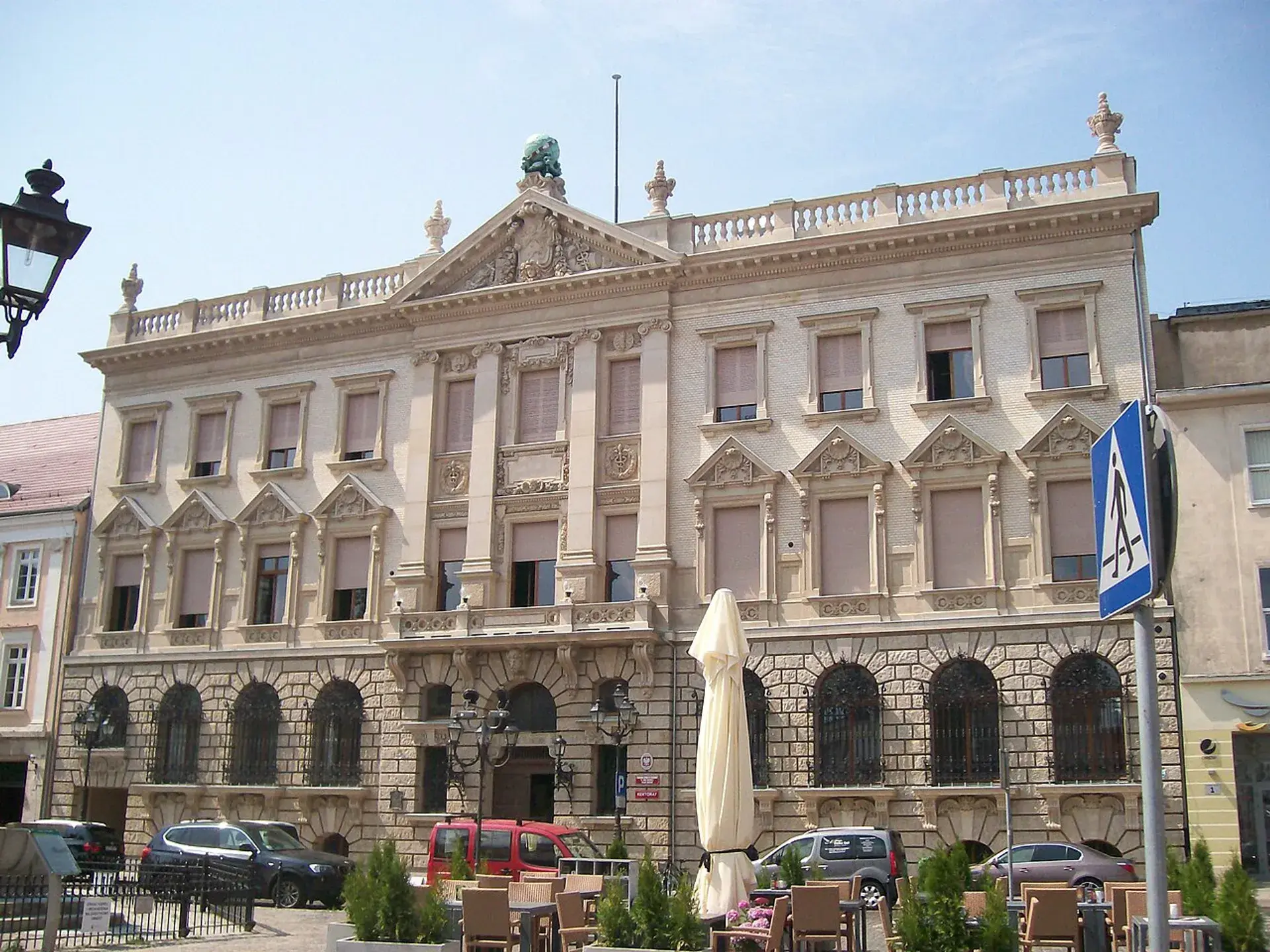
The 'Under the Heads' Palace, officially known as Pałac Pod Głowami, is a prominent Neoclassical structure situated at the corner of Plac Żołnierza Polskiego and Staromłyńska Street in the Old Town of Szczecin. Positioned directly across from the Palace of the Pomeranian Estates and within walking distance of the Royal Gate, the building acts as a bridge between the city's Prussian military history and its vibrant post-war cultural rebirth.
Origins and Military History
The current structure was established in 1889 when two late 18th-century tenement buildings were unified into a single administrative palace. The building initially housed the Royal Post before transitioning into a military stronghold. From the 1870s until 1945, it served as the official headquarters of the Prussian II Army Corps.
The palace suffered severe damage during World War II air raids. In the 1950s, a major reconstruction effort took place, with the restoration officially concluding around 1958. This post-war rebuilding phase shifted the building's purpose entirely toward municipal cultural institutions.
The Faces on the Facade
The palace derives its name from the sculpted stone heads mounted above the first-floor window lintels. Before 1945, these keystones featured portraits of ancient, classical heroes.
During the 1950s restoration, sculptor Sławomir Lewiński transformed the facade by replacing the classical gods with nine distinct portraits of real 20th-century citizens. These sculptures honor the contemporary figures who helped rebuild the cultural and physical landscape of Szczecin after the war. The stone faces immortalize local residents such as urban architect Bohdan Skłodowski, who was responsible for the city's post-war reconstruction layout, and maritime writer Jan Papuga. Other notable figures depicted include archaeologist Władysław Filipowiak, art historian Zofia Krzymuska-Fafius, painter Janina Kosińska-Brzozowska, and journalist Józef Barecki.
Modern Cultural Institutions
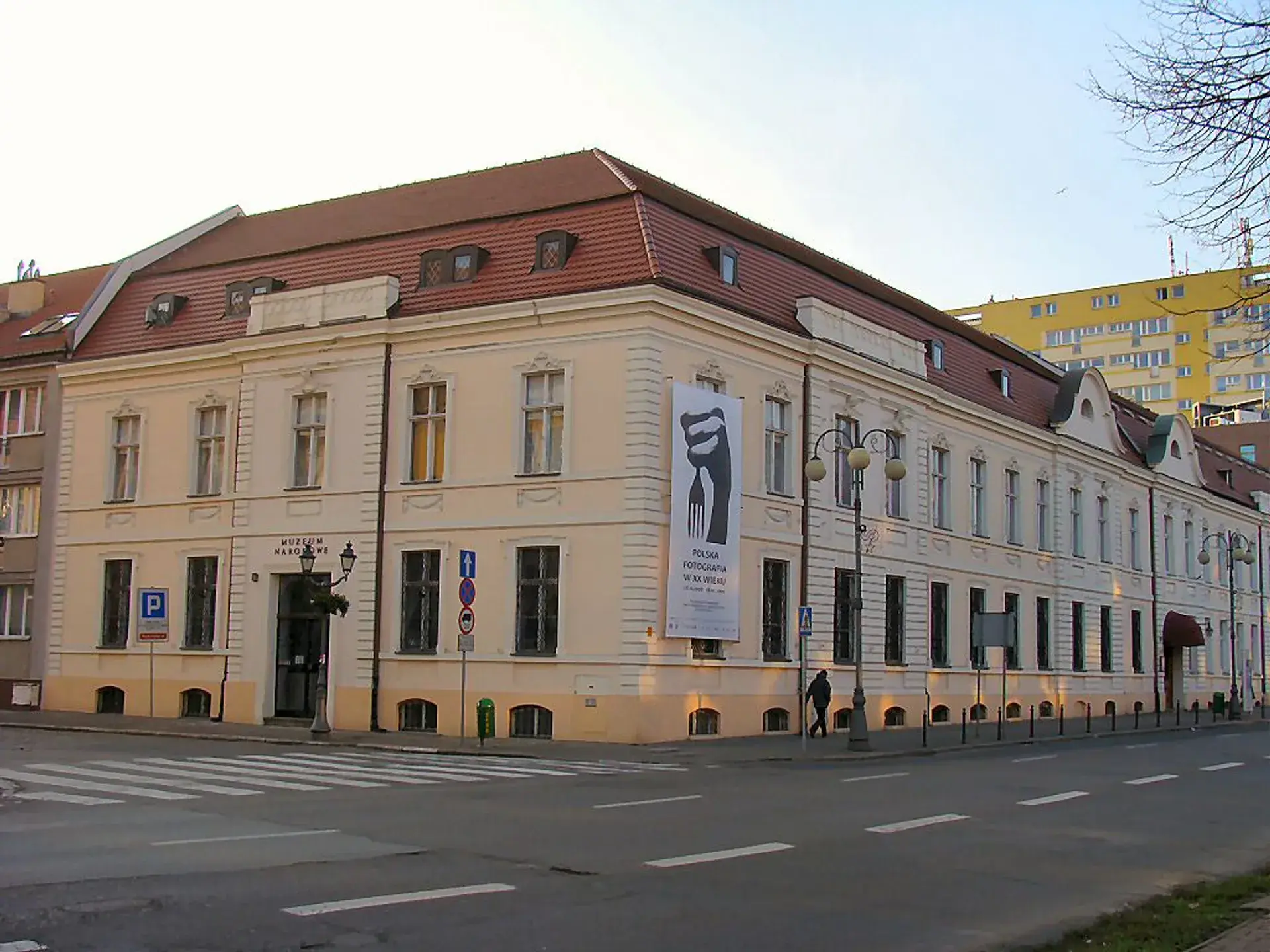
Today, the 'Under the Heads' Palace remains a cornerstone of Szczecin's arts community. The western wing of the building houses the Dom Kultury 13 Muz (Club 13 Muses). This prominent cultural center and salon for creative communities was established in part through the efforts of the renowned Polish poet Konstanty Ildefons Gałczyński.
Meanwhile, the eastern wing operates as the Museum of Contemporary Art. This institution functions as a dedicated branch of the National Museum in Szczecin, cementing the palace's modern legacy as a hub for artistic preservation and exhibition.
FAQ
Who are the stone faces on the 'Under the Heads' Palace?
The nine stone heads depict 20th-century residents who helped rebuild Szczecin's cultural life after World War II. Sculpted by Sławomir Lewiński in the 1950s, the portraits replaced earlier sculptures of ancient heroes and feature locals like architect Bohdan Skłodowski, maritime writer Jan Papuga, and art historian Zofia Krzymuska-Fafius.
When was the 'Under the Heads' Palace built?
The Neoclassical palace was formed in 1889 by unifying two separate late 18th-century tenement buildings. It was later reconstructed in the 1950s following severe damage from World War II air raids.
What is inside the 'Under the Heads' Palace today?
The building is home to two major cultural institutions. The western wing houses the Dom Kultury 13 Muz (Club 13 Muses), a prominent cultural center, while the eastern wing operates as the Museum of Contemporary Art, a branch of the National Museum in Szczecin.