St. Johns' Cathedral Toruń: Bells & Copernicus
A Monument of Brick and Faith
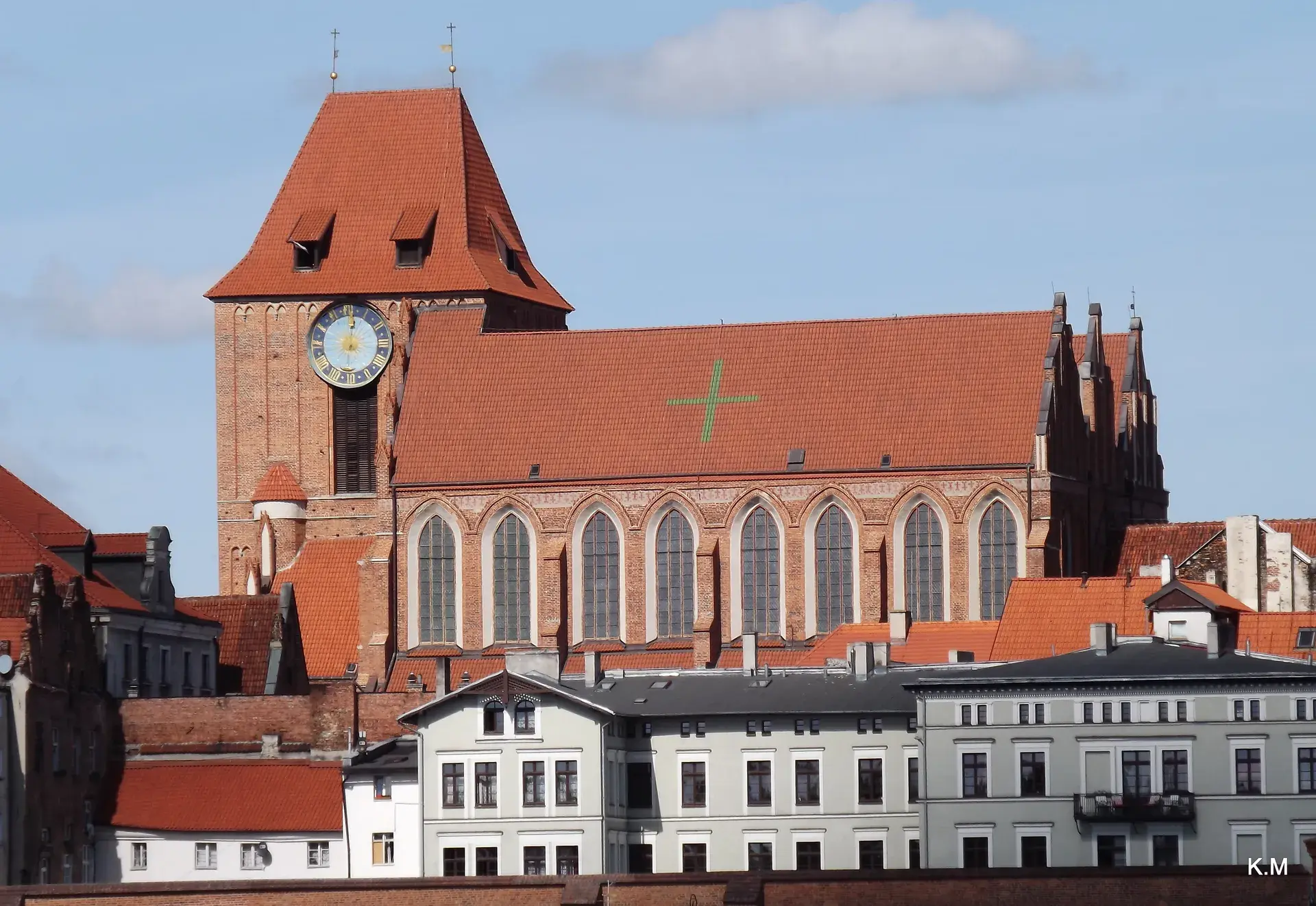
Anchoring Żeglarska Street in Toruń, the Cathedral Basilica of St. John the Baptist and St. John the Evangelist is a monumental red-brick Gothic hall church. Construction began in the mid-13th century and spanned roughly 200 years. The structure features a 52-meter-high west tower and an interior distinguished by soaring star vaults, 14th-century wall murals, and dark brick pillars flanked by carved merchant epitaphs.
Civic Center and Copernicus Connection
Historically, the cathedral served as the religious and civic heart of Toruń's wealthy Hanseatic merchant community. Until the early 16th century, municipal elections for the City Council were held directly inside the church building.
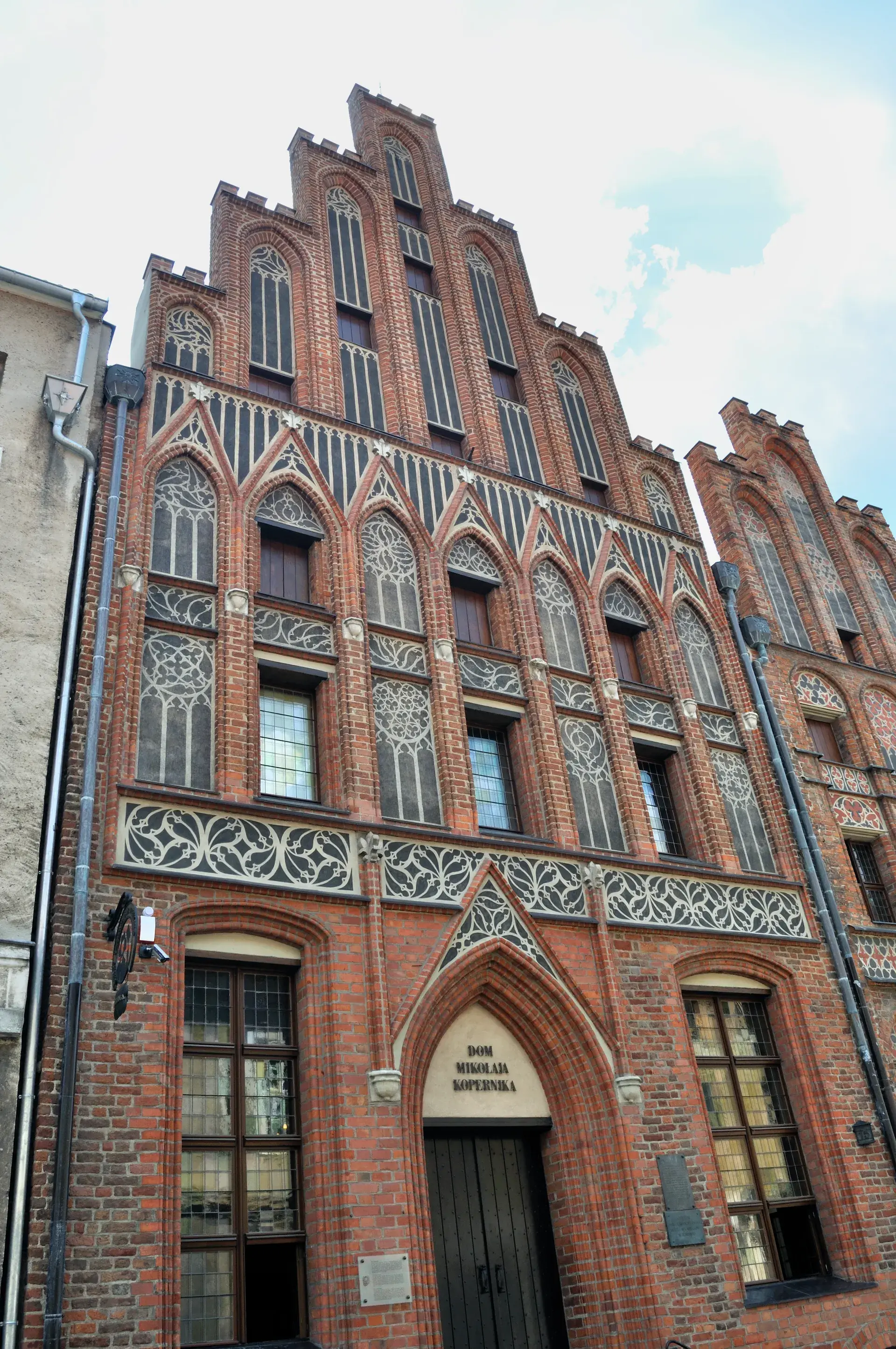
The cathedral is deeply tied to the astronomer Nicolaus Copernicus, who was baptized here in 1473. The Copernicus Chapel preserves the original 13th-century stone font used for his baptism, alongside the oldest known sculpted bust of the astronomer, crafted in 1766. Behind this chapel, the church also houses the interred heart of Polish King John I Albert, who died in 1501.
The Tuba Dei Bell and Digitus Dei Clock
The cathedral's tower houses the Tuba Dei (God's Trumpet), a colossal 7.2-tonne bell traditionally dated to 1500. Local lore claims citizens commissioned the enormous bell to avert a predicted biblical Apocalypse. During 18th-century wartime occupations, Toruń burghers paid a substantial ransom to Swedish forces specifically to prevent the massive bell from being looted and melted down. Today, its rare ringing produces a deep, low-frequency acoustic rumble that physically vibrates the timber frame and brick tower.
On the tower's south exterior facing the Vistula River is the Digitus Dei (God's Finger) clock. Known as the Rafters' Clock, it features a single hour hand shaped like an extended finger, designed so boatmen navigating the river could easily read the time from the water.
Visiting the Cathedral Today
Elevated to a Minor Basilica in 1935 and a Cathedral in 1992, the church operates as the active primary cathedral of the Roman Catholic Diocese of Toruń. General admission to the interior is open to visitors. Those seeking a broader perspective can purchase a ticket to climb the tower, passing the Tuba Dei bell on the way to an observation platform with panoramic views over the Old Town and the Vistula River. Local custom holds that visitors climbing the tower who touch the bell's 200-kilogram clapper with their left hand will have a wish granted.
FAQ
Can visitors climb the tower at St. Johns' Cathedral?
Yes, while general admission to the interior is free, a separate ticket allows visitors to climb the 52-meter-high west tower. The path leads past the massive Tuba Dei bell up to an observation platform with panoramic views of the city.
Why is there only one hand on the cathedral's clock?
The Digitus Dei (God's Finger) clock on the tower's exterior features a single hour hand shaped like an extended finger. It was designed this way so that rafters and boatmen navigating the Vistula River could easily read the time from a distance.
What is the Tuba Dei bell?
The Tuba Dei is a massive 7.2-tonne bell cast around 1500. According to local tradition, it was commissioned to avert the biblical Apocalypse. When it rings, it produces a deep rumble that vibrates the entire tower structure.