National Bank of Romania Museum: History & Architecture
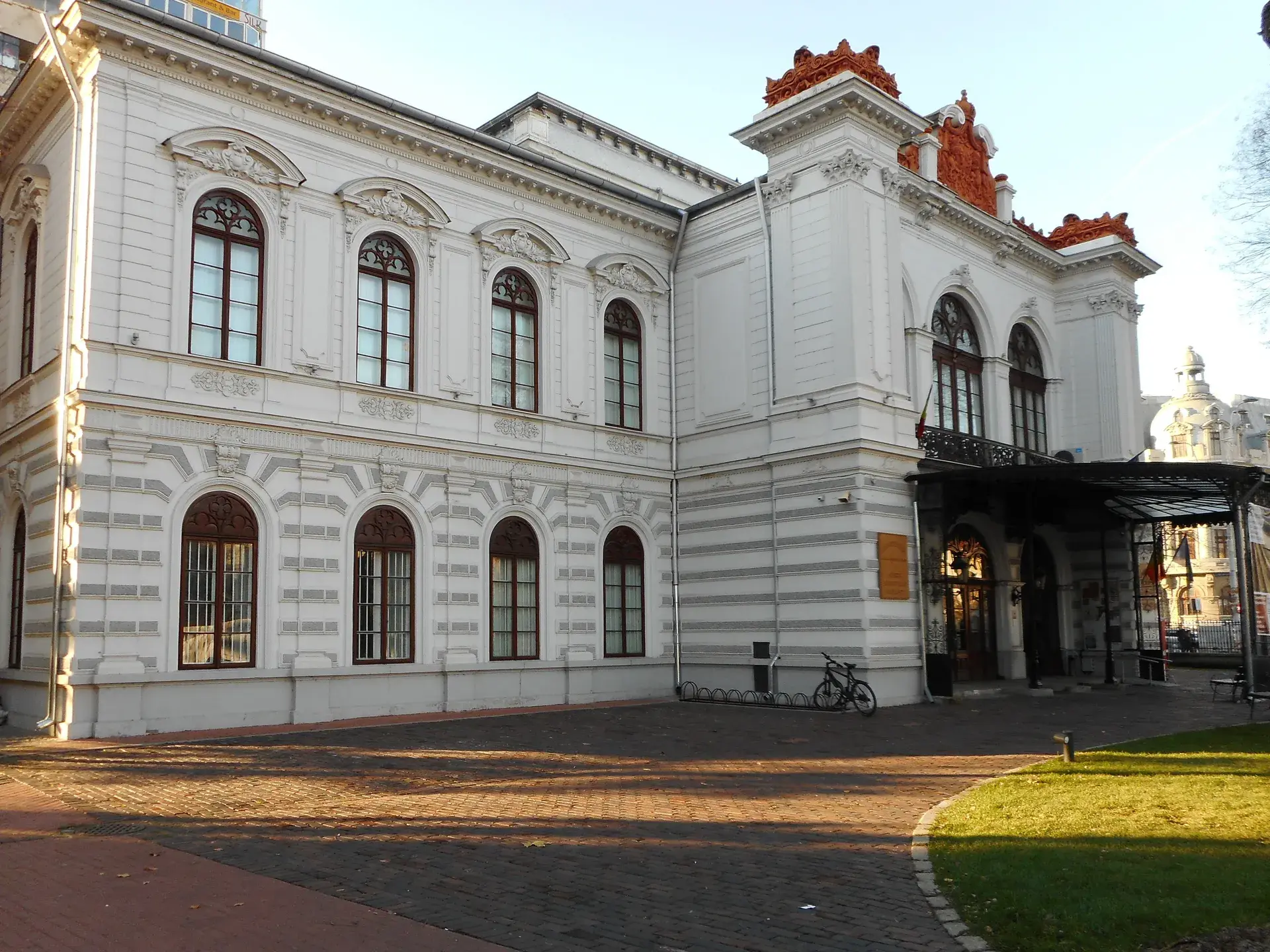
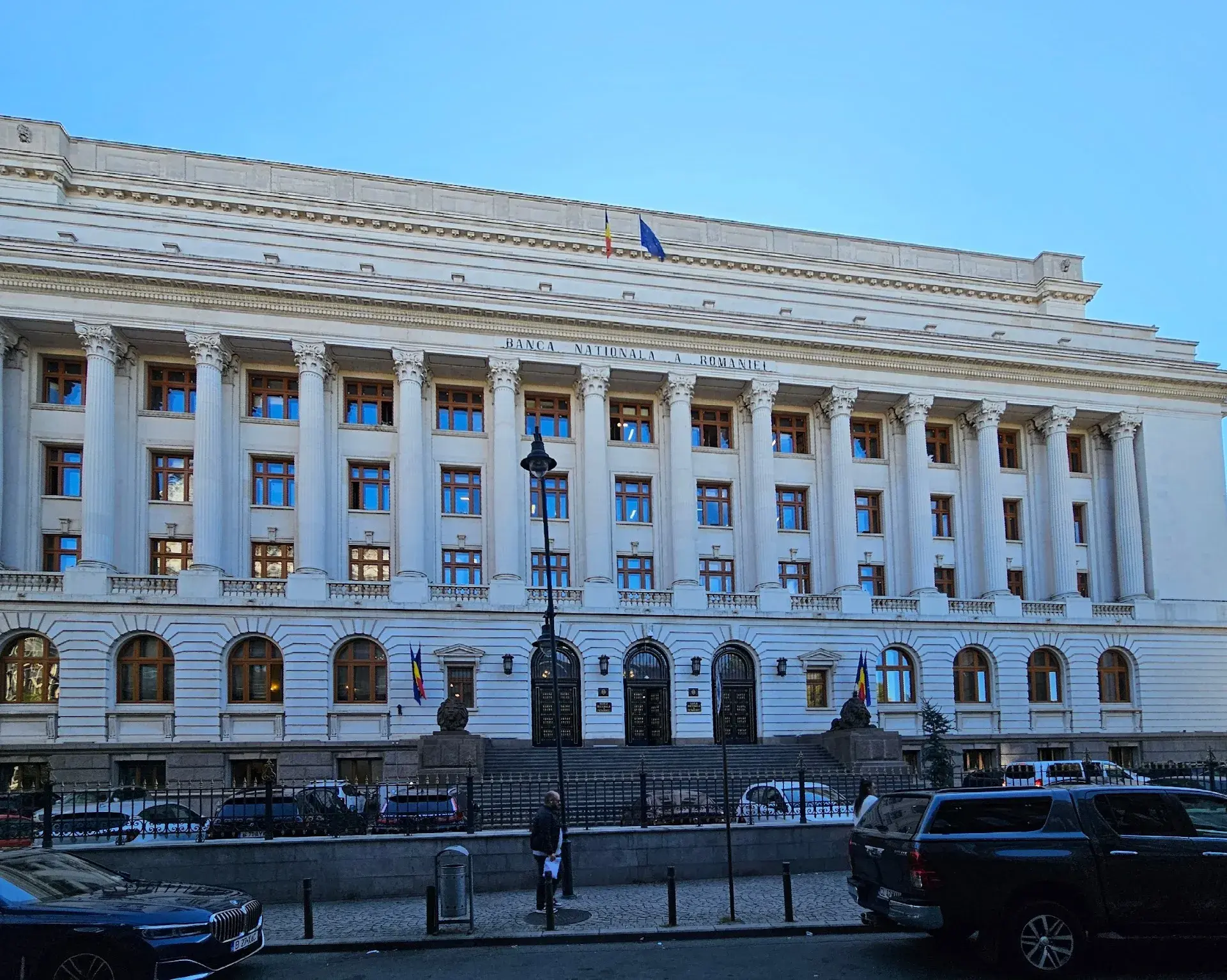
The National Bank of Romania Museum, housed within the institution's historic palace in Bucharest's Old Town, safeguards the nation's monetary history. Its imposing 19th-century facade stands as a testament to Romania's economic and cultural journey into the modern era.
Architectural Grandeur
The Old Palace of the National Bank was constructed between 1884 and 1890 on the site of the former 17th-century Șerban Vodă inn. Designed by French architects Cassien Bernard and Albert Galleron, the building is a magnificent example of eclectic French academic architecture, blending Renaissance and Classicism elements. Renowned Romanian architect Ion Mincu once declared it "the most beautiful building in Bucharest." A small section of the original inn's ruins has been unearthed and is visible to visitors through a glass floor in front of the palace.
A newer wing, designed in a neoclassical style with rationalist influences, was added between 1937 and 1944. This wing is the primary location for the museum's exhibits. A notable interior space is the Marble Hall, which was engineered with special acoustics to absorb echoes, ensuring privacy for the sensitive banking operations that once took place there.
A Storied History
Established in 1880, the National Bank of Romania was the 16th central bank created in the world, marking the country's early integration into modern financial systems. The construction of its headquarters was a monumental task, extending from a planned three years to six due to supply disruptions and other difficulties.
Throughout its history, the palace has witnessed significant events. It was occupied by the German army during World War I. In 1916, many of the bank's valuables, known as the 'Romanian Treasure,' were sent to Moscow for safekeeping, though most were never returned. The building was also the site of the Eastern Bloc's most famous bank robbery in 1959, when the Ioanid Gang stole 1.6 million lei from an armored car.
The Museum Collections
The idea for a museum dates back to 1914, but it was officially reorganized and inaugurated in its current form on May 3, 1997. The museum showcases over 2,500 years of Romania's financial and numismatic history through an extensive collection of coins, banknotes, and historical documents.
Visitors can view remarkable artifacts such as the oldest coin ever minted on Romanian territory and the smallest-ever Romanian paper money. The collections also include various gold items, and a popular interactive exhibit allows guests to try lifting a 13-kilo gold bar. Admission is free, but visits are by mandatory guided tour only, which must be booked online at least two working days in advance. Tours are offered in Romanian and English on weekdays.
FAQ
How much does it cost to visit the National Bank of Romania Museum?
Admission to the National Bank of Romania Museum is free. However, visitors must book a mandatory guided tour at least two working days in advance via online registration.
What can I see at the National Bank of Romania Museum?
The museum displays over 2,500 years of Romania's financial history, with collections of coins, banknotes, and documents. Highlights include the oldest coin minted in Romanian territory and the smallest Romanian paper money.
What is special about the architecture of the National Bank of Romania Palace?
The Old Palace (1884-1890) is a landmark of eclectic French academic architecture. It was built on the ruins of a 17th-century inn, which are visible through a glass floor. Its Marble Hall also has special acoustics designed to ensure privacy.
When is the National Bank of Romania Museum open?
The museum operates only on weekdays from 9:00 AM to 3:00 PM. Advance online registration is required for its mandatory guided tours.
Discover Bucharest like never before
Dive into Bucharest hidden stories and secret spots with Ciceru interactive tours.
Explore tour
Audioguide
Quizzes
Maps
Solo
Couples
Groups & families

© Photo by Timo van Roermund via Google Maps · Google Places