Bucharest's Old Town: History, Sights & Nightlife
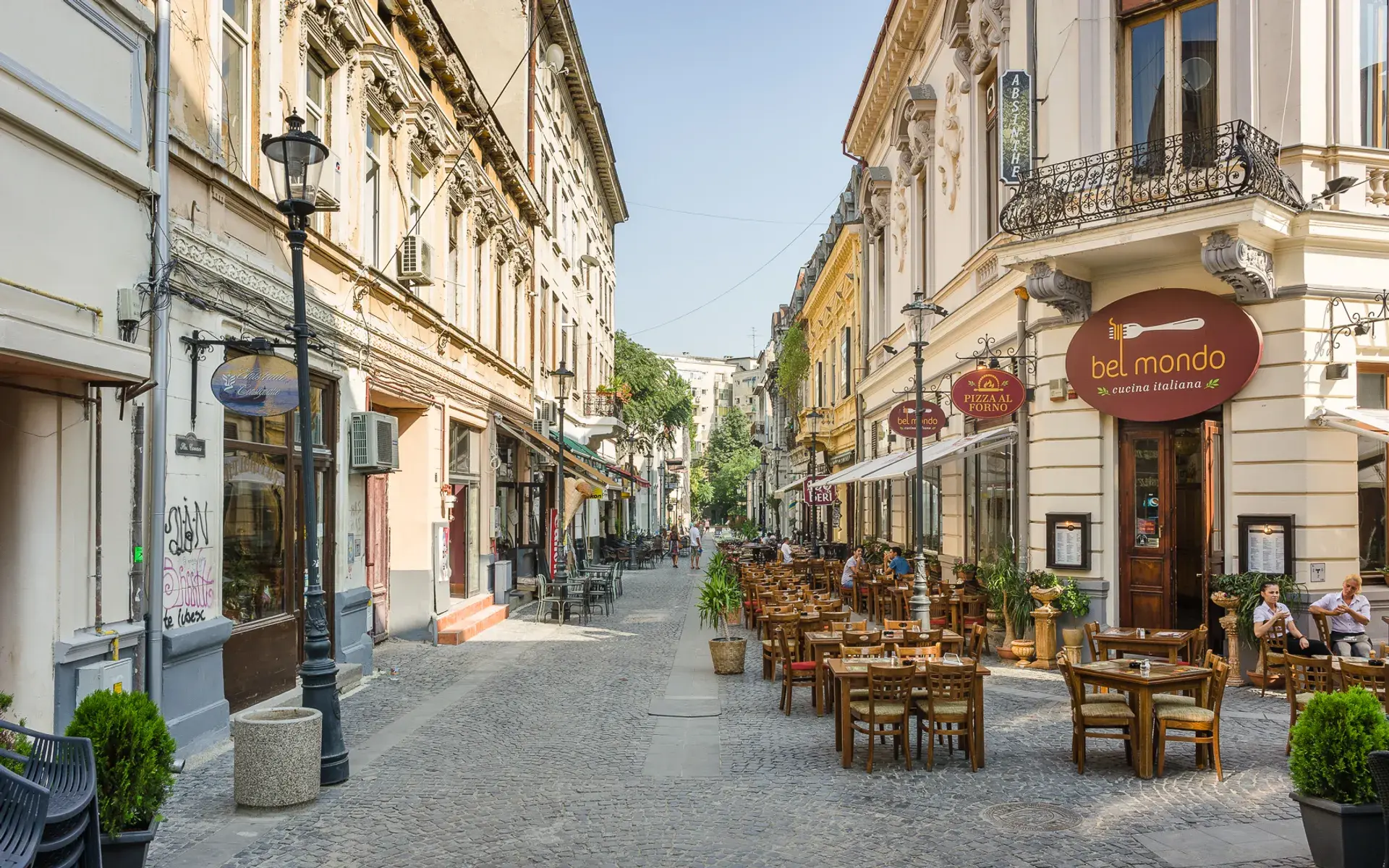
Bucharest's Old Town, also known as the Lipscani district, is the historic heart of the Romanian capital. Once a bustling center for merchants and artisans, it has transformed into a vibrant, pedestrianized entertainment hub where historic buildings house modern cafes, restaurants, and clubs, reflecting the city's ongoing story of adaptation.
Medieval Origins and Commercial Growth
The first documented mention of the area dates to September 20, 1459, in a text issued by Prince Vlad III Dracula, also known as Vlad the Impaler. The district flourished around the Princely Court, which was established in the mid-16th century by Mircea Ciobanul. Legend attributes the city's founding to a shepherd named Bucur.
Situated on ancient trading routes that connected the Ottoman Empire with central European cities like Leipzig, the Old Town became a vital commercial center. After 1698, during the reign of Prince Constantin Brâncoveanu, Bucharest became the permanent capital of Wallachia, further cementing the district's importance.
Architectural Heritage
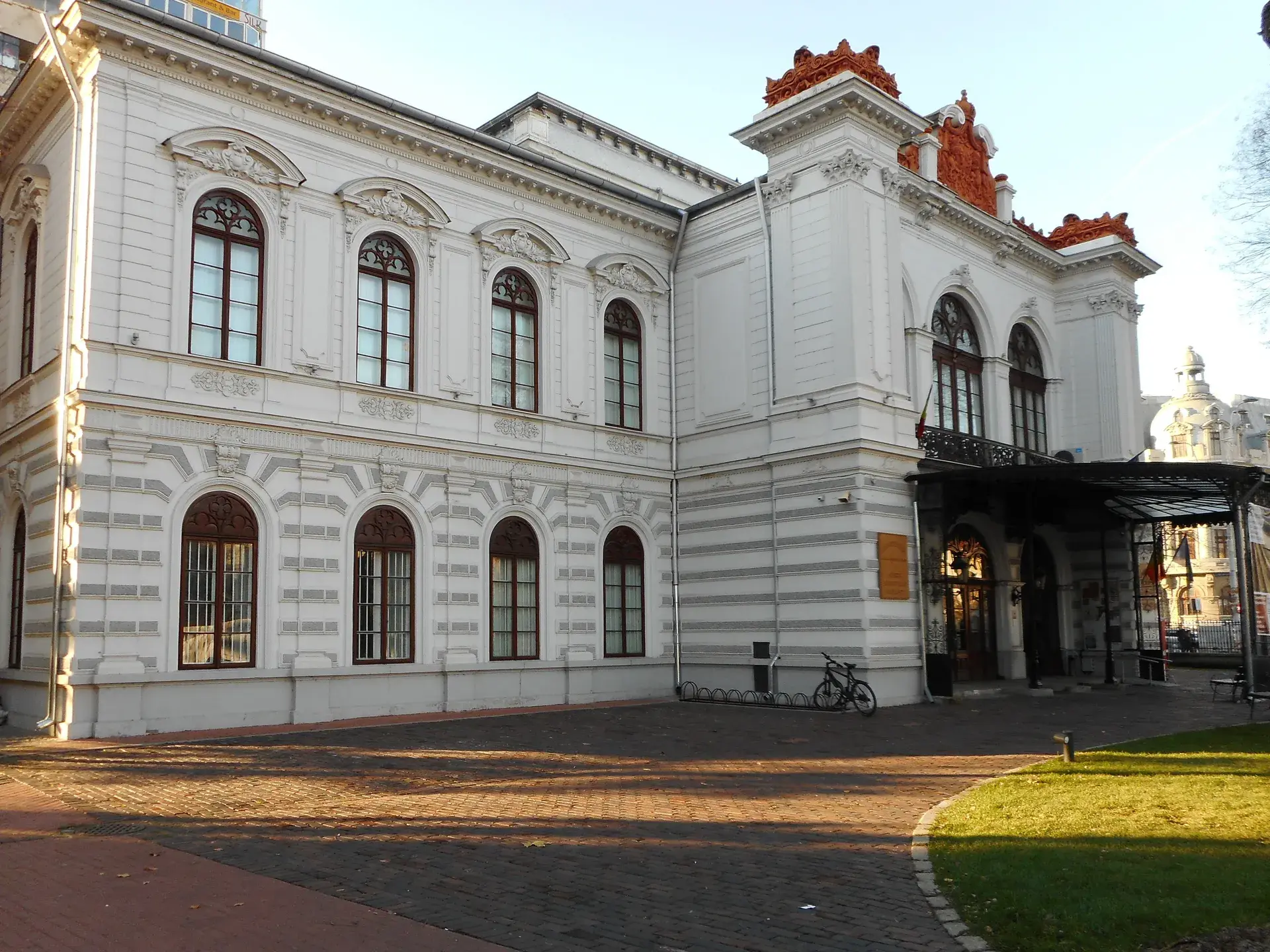
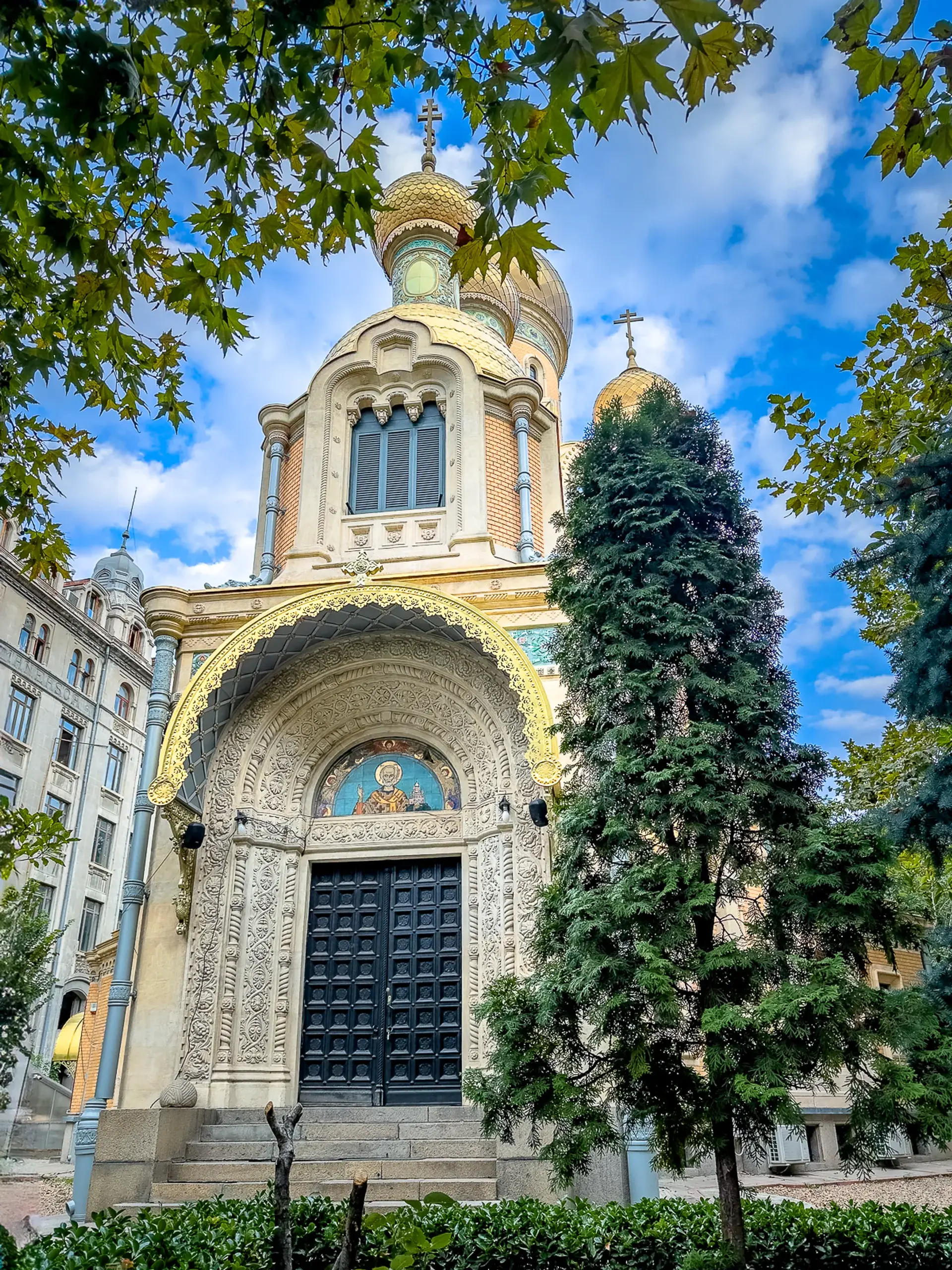
The architecture of the Old Town is a rich tapestry of styles, predominantly featuring Neoclassical and Neo-baroque elements. A distinct local style, Brancovenesc, is visible in important structures like the Stavropoleos Church, founded in the early 18th century by the Greek monk Ioanichie.
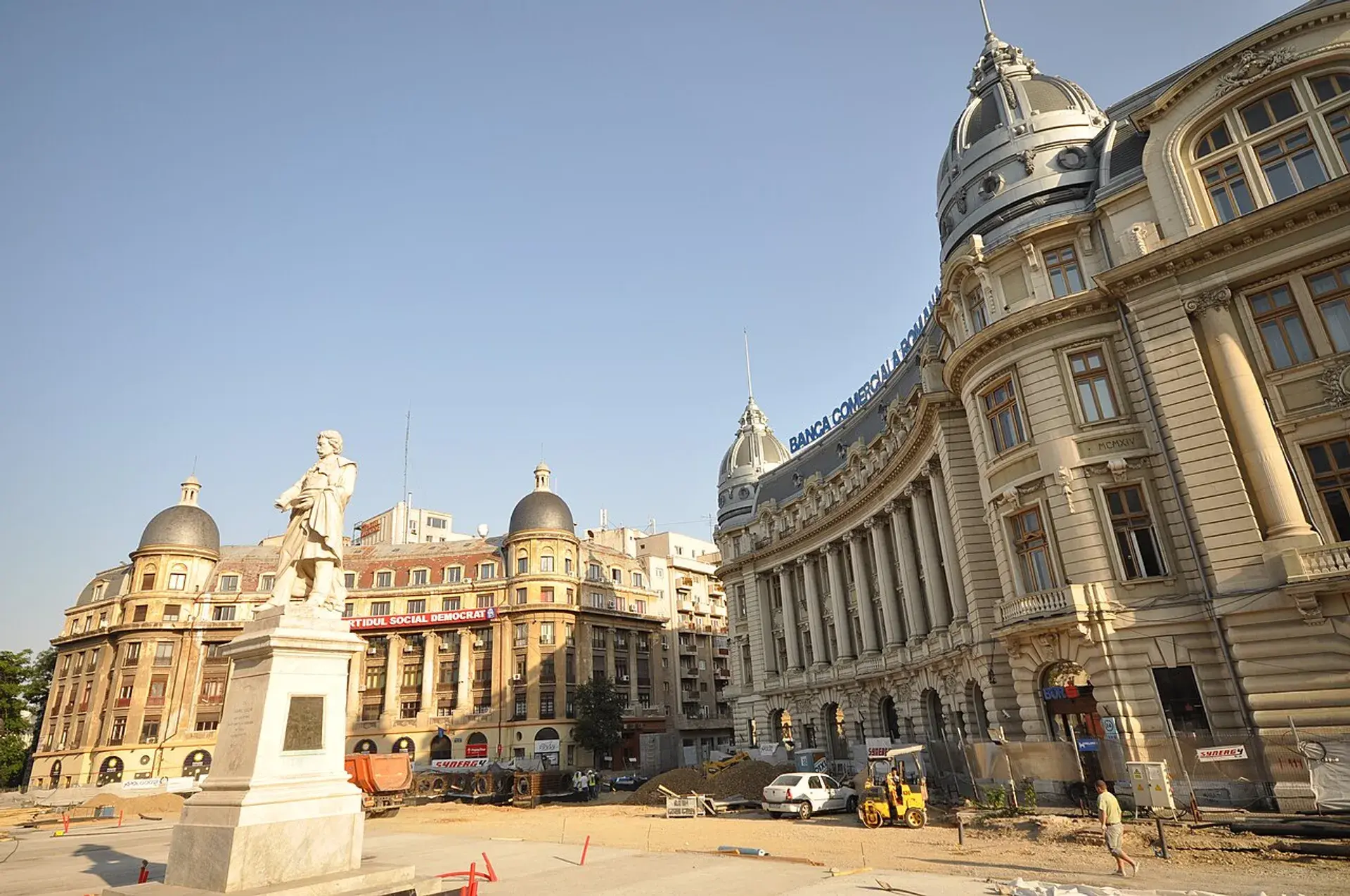
Notable historic buildings include Hanul lui Manuc (Manuc's Inn), built in 1808 by Armenian merchant Emanuel Mârzaian, and Hanul cu Tei (The Linden Tree Inn), constructed in 1833. Hanul lui Manuc even hosted preliminary peace negotiations that ended the Russo-Turkish War of 1806-1812. Nearby, the Belle Époque CEC Palace, designed by Paul Gottereau and built between 1897 and 1900, stands as a prominent landmark.
Resilience and Revitalization
The Old Town has endured several disasters, including earthquakes and fires. The Great Fire of March 23, 1847, was particularly devastating, destroying approximately 2,000 buildings, which constituted a third of the city. Despite this, the area was rebuilt, and in 1862, Bucharest became the capital of the newly formed Principality of Romania.
After decades of neglect during the Communist era, the district has undergone significant revitalization. Today, it is a lively, pedestrianized area popular with both locals and tourists, especially in the evenings and on weekends.
The Old Town Today
Modern Old Town is Bucharest's primary entertainment district. Its 48 streets are filled with cafes, bars, art galleries, and boutique shops. Many historic buildings have found new life, such as a renovated 19th-century building that now houses the multi-story Carturești Carusel bookstore. Historic establishments like Caru' cu Bere, founded in 1879, continue to serve traditional Romanian food, while Hanul lui Manuc still operates as an inn and restaurant.
Hidden Stories of Lipscani
Many of the Old Town's street names hint at its past as a center for craft guilds. Lipscani is named for traders from Leipzig, while other streets include Blanari ('Furriers'), Selari ('Saddlers'), and Covaci ('Blacksmiths'). A fascinating architectural quirk is the Macca-Villacrosse Passage, a yellow glass-covered arcade that forks into two arms because a hotel owner refused to sell their property during construction, forcing the design to wrap around the building. Beneath the streets lies a hidden network of vaulted cellars and passages from former inns and shops.
FAQ
When did Bucharest's Old Town originate?
The first historical mention of the area, also known as Lipscani, is in a document from Prince Vlad III Dracula dated September 20, 1459. It grew as a district for artisans and merchants around the 16th-century Princely Court.
What is Bucharest's Old Town known for today?
Today, the Old Town is a lively, pedestrianized entertainment district. It is a popular hub for locals and tourists, filled with cafes, restaurants, bars, clubs, and boutique shops housed in restored historic buildings.
What do the street names in the Old Town mean?
Many street names reflect the craft guilds that once worked there. For example, Lipscani is named after merchants who sourced goods from Leipzig, Blanari means 'Furriers', Selari means 'Saddlers', and Covaci means 'Blacksmiths'.
Are there any historic inns still operating in the Old Town?
Yes, Hanul lui Manuc (Manuc's Inn), originally built in 1808, continues to operate as both an inn and a restaurant within the Old Town.