Grand Hotel Toplice: History of Bled's Famous Spa
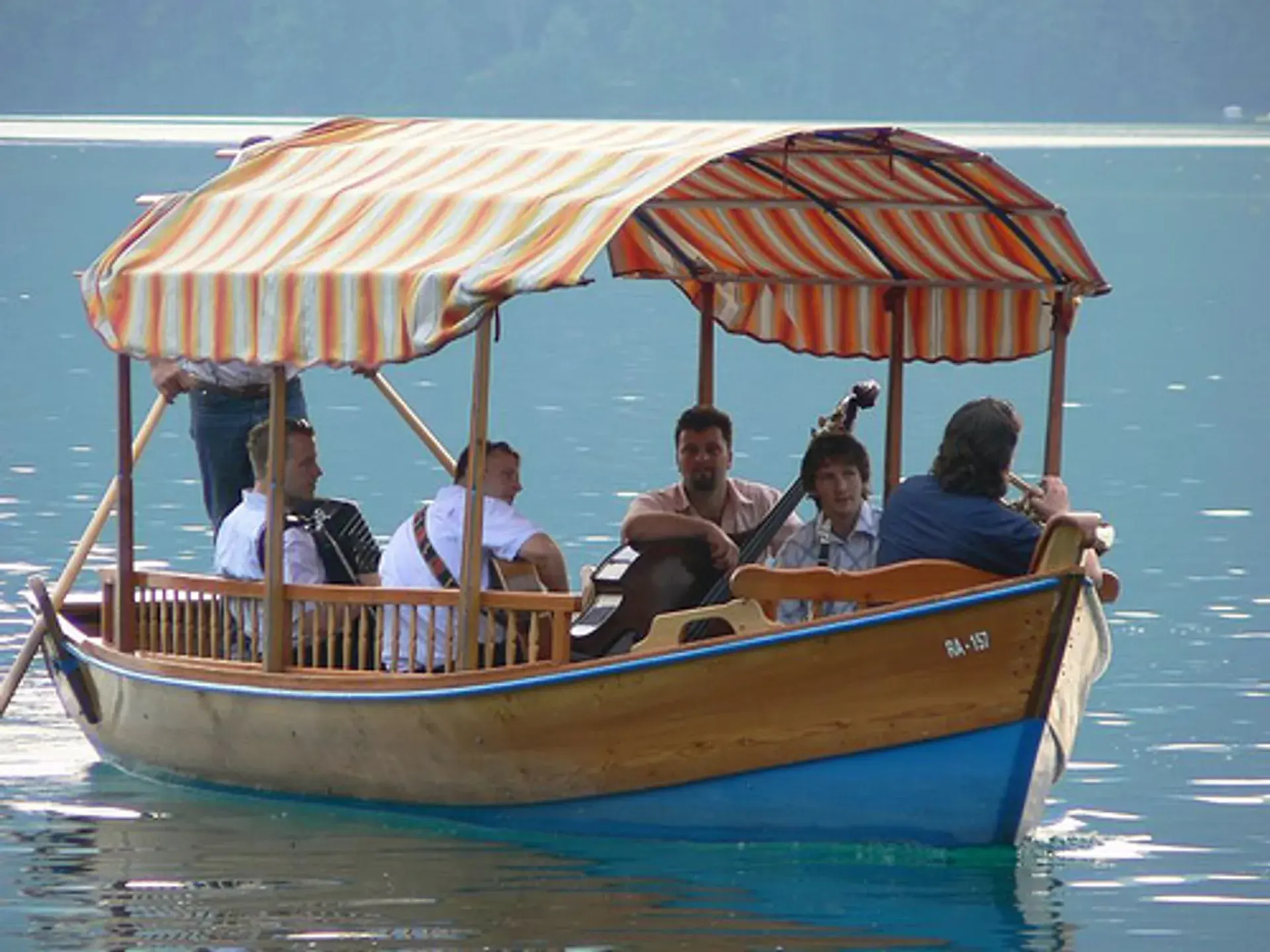
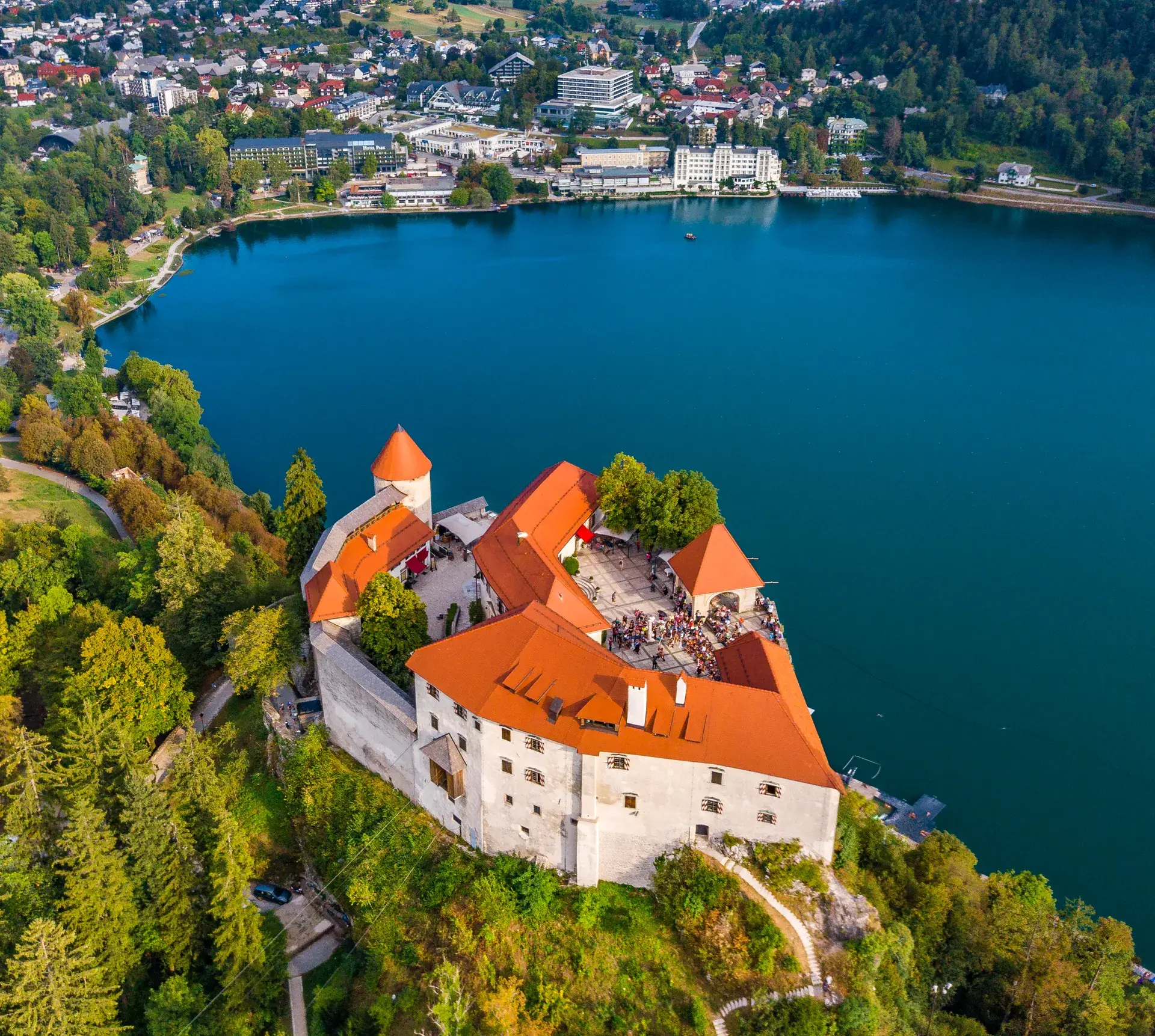
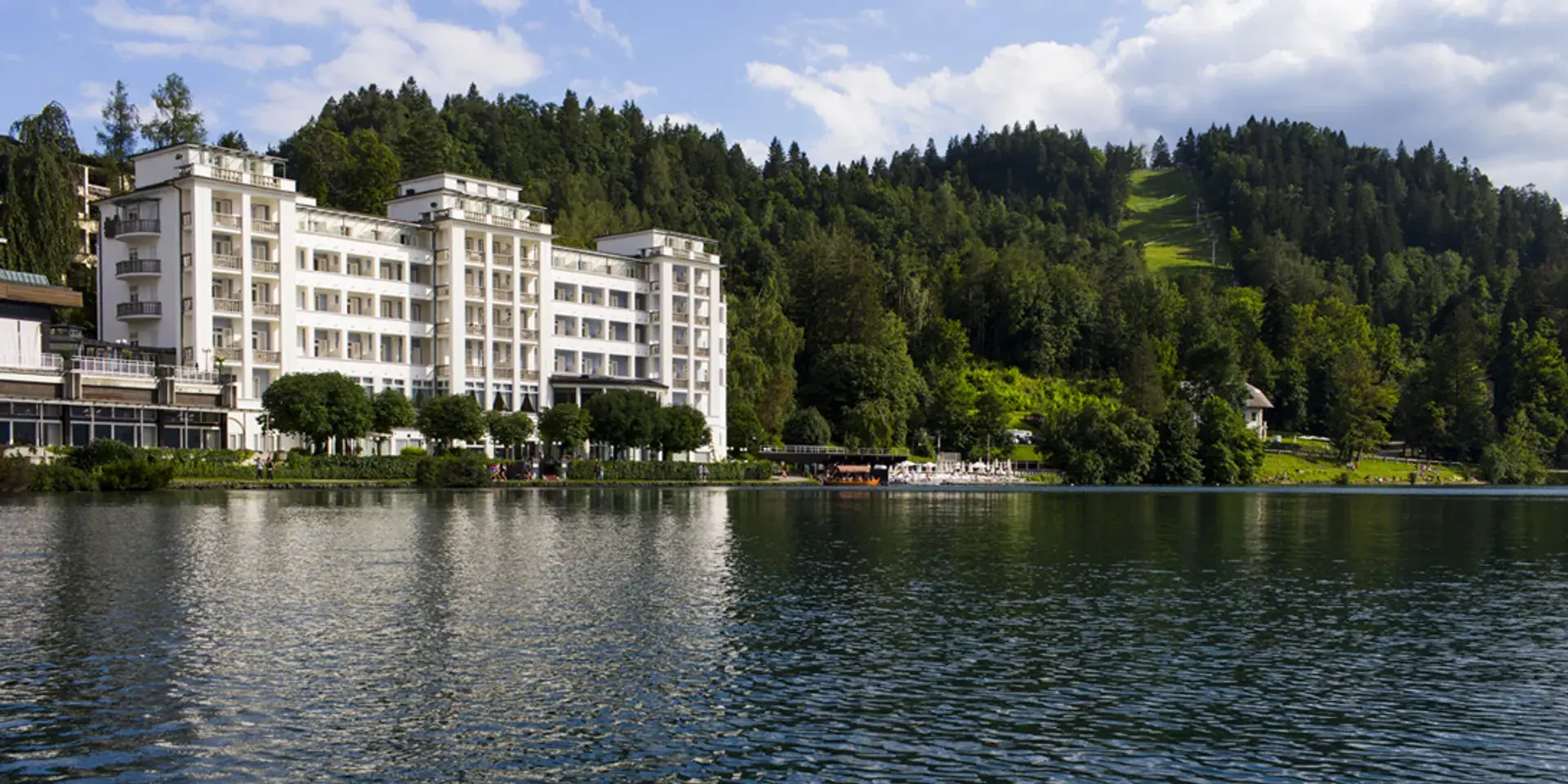
Positioned along Cesta svobode on the eastern shore of Lake Bled, Grand Hotel Toplice stands directly at the water’s edge. Overlooking Bled Island and Bled Castle, the property forms an architectural link between the town center and the lakeside path leading toward Vila Bled and traditional pletna boat docks. The hotel marks the historical transformation of Bled from a modest alpine settlement into an internationally known wellness resort and diplomatic hub.
The Origins of Lake Bled's Thermal Bathing
Thermal bathing in the region was documented as early as 1689 by polymath Janez Vajkard Valvasor, who noted local use of the lakeside springs. In 1818, natural thermal springs were discovered at the current hotel site, leading to the construction of simple wooden bath enclosures in the 1820s. The Slovenian word toplice itself translates to warm thermal springs or spa baths.
In 1854, Ljubljana postmaster Hoffmann established Hotel Louisenbad over the springs, naming the enterprise after his wife. The property evolved throughout the late 19th century under subsequent owners. Count Camillo Aichelburg expanded the hotel in the 1870s, and hotelier Gustav Valtrini added high-end dining, lake cruises, and thermal drinking cures in 1889.
Arnold Rikli and the 19th-Century Health Boom
While traditional bathing developed along the shore, Swiss naturopath Arnold Rikli reshaped the town's broader identity. Arriving in Bled in 1852, Rikli established his Institute of Natural Healing in 1854–1855. He introduced a distinctive "atmospheric cure" that utilized sun, fresh mountain air, lake swimming, barefoot walks on dew-covered morning grass, and a strict vegetarian diet.
Rikli's regimen earned Lake Bled a reputation across Europe as an elite destination for recuperation and natural therapy. This influx of health seekers fueled a building boom of bathhouses, villas, and promenades along the lake, creating the demand that sustained the lakeside hotel site.
Jula Vovk Molnar and the 1931 Modernization
In 1919, following World War I, local innkeeper's daughter Jula Vovk Molnar purchased the aging Louisenbad property. Recognizing the demands of modern luxury travel, Molnar became one of Central Europe's earliest prominent female hoteliers. She traveled through Switzerland and Austria to study the operations and standards of premier alpine resorts before undertaking a complete reconstruction.
Molnar demolished the existing structures and commissioned Austrian architect Franz Baumgartner to design a modern, Art Deco-influenced establishment. When it reopened in 1931 as Grand Hotel Toplice, the building emerged as the social and architectural centerpiece of Lake Bled.
A Hub for Royalty, Diplomats, and Global Figures
During the interwar era, King Alexander I of Yugoslavia established his summer residence in Bled. Each summer, royal administration, government ministries, and the international diplomatic corps relocated from Belgrade to the lake, turning Grand Hotel Toplice into an epicenter of state diplomacy and aristocratic society.
Over the decades, the hotel hosted significant political, cultural, and sporting events. In 1959, it served as the venue for the Candidates Chess Tournament, where a 16-year-old Bobby Fischer faced elite international grandmasters. Prominent guests included playwright Arthur Miller, Chilean poet Pablo Neruda, and King Hussein of Jordan.
During a 1967 trip to the region, mystery writer Agatha Christie stayed in Bled and Bohinj. An eager local reporter jumped between hotel balconies with a bouquet of flowers to interview her. When asked about setting a story in the area, Christie famously declined, explaining that the peaceful lake and mountain setting was "too beautiful for murder."
Heritage and the Spring-Fed Spa Luisa
Today, Grand Hotel Toplice operates as a five-star lakeside heritage hotel managed by Sava Hotels & Resorts. The property preserves elements of its 1930s design, including original artwork, parquet floors, sweeping staircases, and Secessionist woodwork, alongside lake-view guest suites, lakeside dining terraces, and a private wooden lido.
The centerpiece of the hotel's Spa Luisa is an indoor pool built directly above the thermal source discovered two centuries ago. Fed straight from subterranean rock, the unheated thermal mineral water maintains a constant temperature of approximately 22 °C (72–73 °F) and is completely refreshed on a daily basis, offering guests a buoyant, low-chlorine mineral bath that preserves the spa's earliest traditions.
FAQ
What makes the thermal pool at Grand Hotel Toplice unique?
The pool is fed directly from an unheated subterranean thermal spring that stays at a constant 22 °C (72–73 °F). The mineral water is completely changed and refreshed every day.
How did Arnold Rikli influence Lake Bled's reputation as a spa resort?
Arnold Rikli was a Swiss naturopath who established his Institute of Natural Healing in Bled in the 1850s. His natural health regimen—emphasizing fresh air, sun exposure, lake bathing, and barefoot morning walks—established Bled as a prominent European health retreat.
Who was Jula Vovk Molnar?
Jula Vovk Molnar was an early 20th-century Slovenian entrepreneur and one of Central Europe's first prominent female hotel owners. She bought the site in 1919 and oversaw its 1931 reconstruction by Austrian architect Franz Baumgartner.
What did Agatha Christie say about Lake Bled?
During a 1967 visit to the region, Agatha Christie was questioned by a journalist who leaped across hotel balconies and remarked that the tranquil alpine scenery was 'too beautiful for murder,' ruling it out as a setting for her detective stories.
Discover Bled like never before
Dive into Bled hidden stories and secret spots with Ciceru interactive tours.
Explore tour
Audioguide
Quizzes
Maps
Solo
Couples
Groups & families

© Photo by Grand Hotel Toplice via Google Maps · Google Places