Vila Bled: Royal Estate to Historic Lakeside Hotel
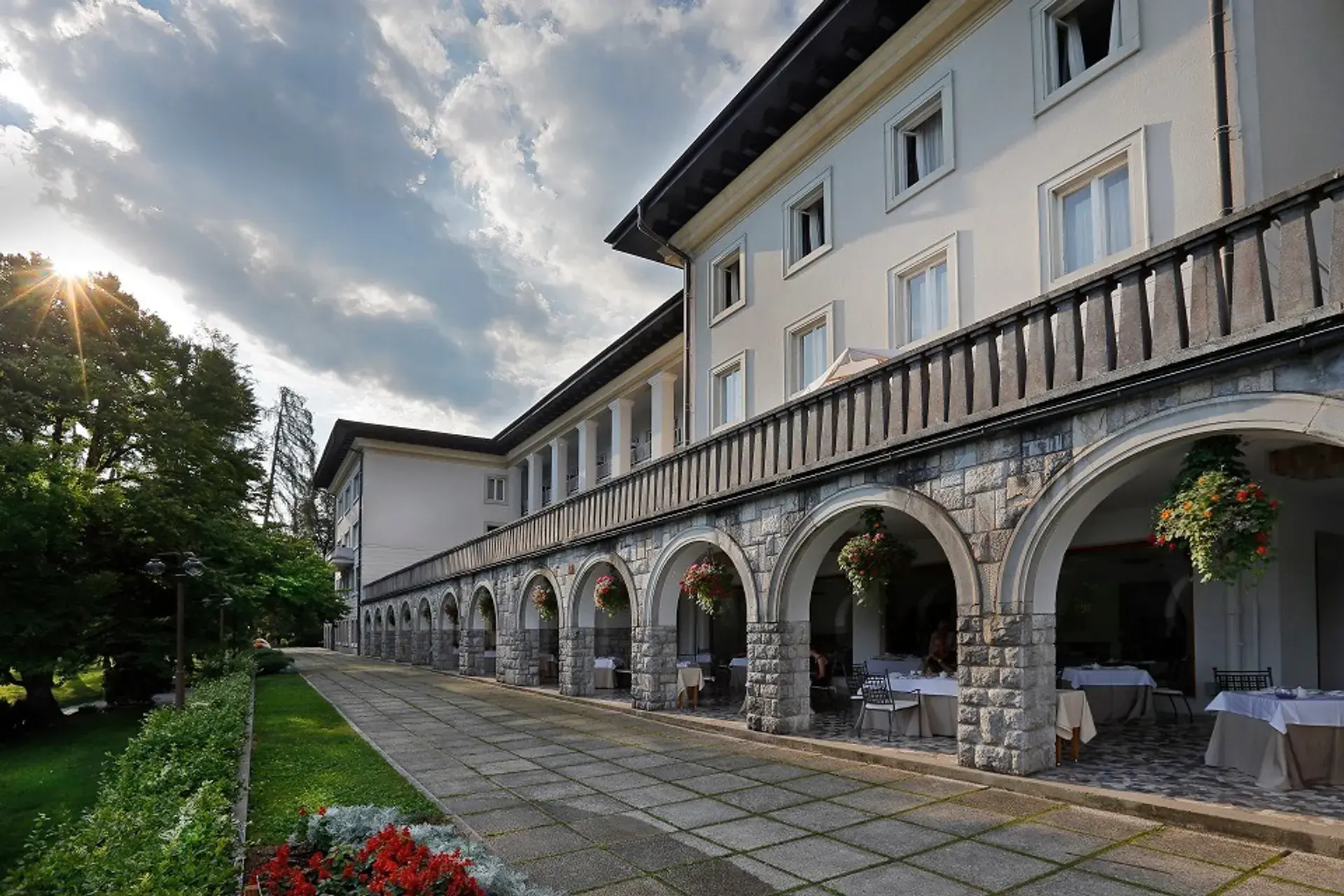
Set within a secluded park on the southern shore of Lake Bled, Vila Bled represents a direct architectural and historical link between central European aristocratic heritage and mid-twentieth-century geopolitics. Its grounds reflect Slovenia's transition from an imperial spa destination for Austro-Hungarian nobility into a primary venue for Yugoslav statecraft.
From Habsburg Manor to Royal Yugoslav Seat
The estate originated between 1883 and 1885, when Austrian Duke Ernest Windischgrätz commissioned a neo-Gothic, English-style manor on the lakeshore. Throughout the late Habsburg period, the property hosted prominent members of the nobility, including Prince Otto Windischgrätz and Archduchess Elisabeth Marie of Austria, the granddaughter of Emperor Franz Joseph, who spent part of their honeymoon here in 1902.
In 1922, King Alexander I of Yugoslavia purchased the estate as a royal summer retreat, renaming it Suvobor Mansion to commemorate a key World War I battle. Queen Maria and the royal princes spent summers on the grounds, and in 1929, Prince Andrew was born on the estate. Following King Alexander's assassination in 1934, plans were drawn up by court architect Rajko Tatić alongside renowned architect Jože Plečnik to replace the original manor with a monumental royal palace. Demolition and foundation work commenced in the late 1930s, but the project was halted by the outbreak of World War II.
Tito's Summer Residence and Diplomatic Stage
Following postwar nationalization, Slovenian architect Vinko Glanz adapted the surviving foundations and pillars into an official summer residence for Yugoslav President Josip Broz Tito. Completed in 1947, the new socialist-classical design emphasized monumental dressed stone, wide reception halls, polished Slovenian marble, and warm natural wood paneling.
Throughout the Cold War, Vila Bled functioned as a central stage for international diplomacy, particularly within the Non-Aligned Movement. President Tito received world leaders and heads of state on the lakeside grounds, including Jawaharlal Nehru, Gamal Abdel Nasser, Sukarno, Nikita Khrushchev, Haile Selassie, and King Hussein of Jordan.
Architecture, Art, and the Belvedere Pavilion
The interior of Vila Bled retains notable artistic works from the early socialist era. Dominating the former ballroom and concert hall is an expansive 1947 panoramic wall mural painted by Slovenian artist Slavko Pengov. Rendered in the socialist-realist style, the fresco chronicles the Yugoslav Partisan struggle against Axis occupation between 1941 and 1945, ending in celebratory scenes of postwar reconstruction.
Perched higher on the wooded hillside sits the Belvedere Pavilion, resting atop monumental 30-meter stone pillars designed by Jože Plečnik during the 1930s royal rebuilding phase. Originally envisioned as a grand waiting hall for dignitaries awaiting an audience with King Alexander I, the pavilion terrace was later utilized by Tito for informal diplomatic sessions accompanied by tea, cognac, and cigars.
Modern Hospitality on Lake Bled
Today, Vila Bled is preserved as an architectural monument managed by the public institution JGZ Brdo, operating as a four-star boutique hotel and state protocol venue. The property maintains its 1950s protocol furnishings, geometric lines, and quiet parkland setting overlooking the lake.
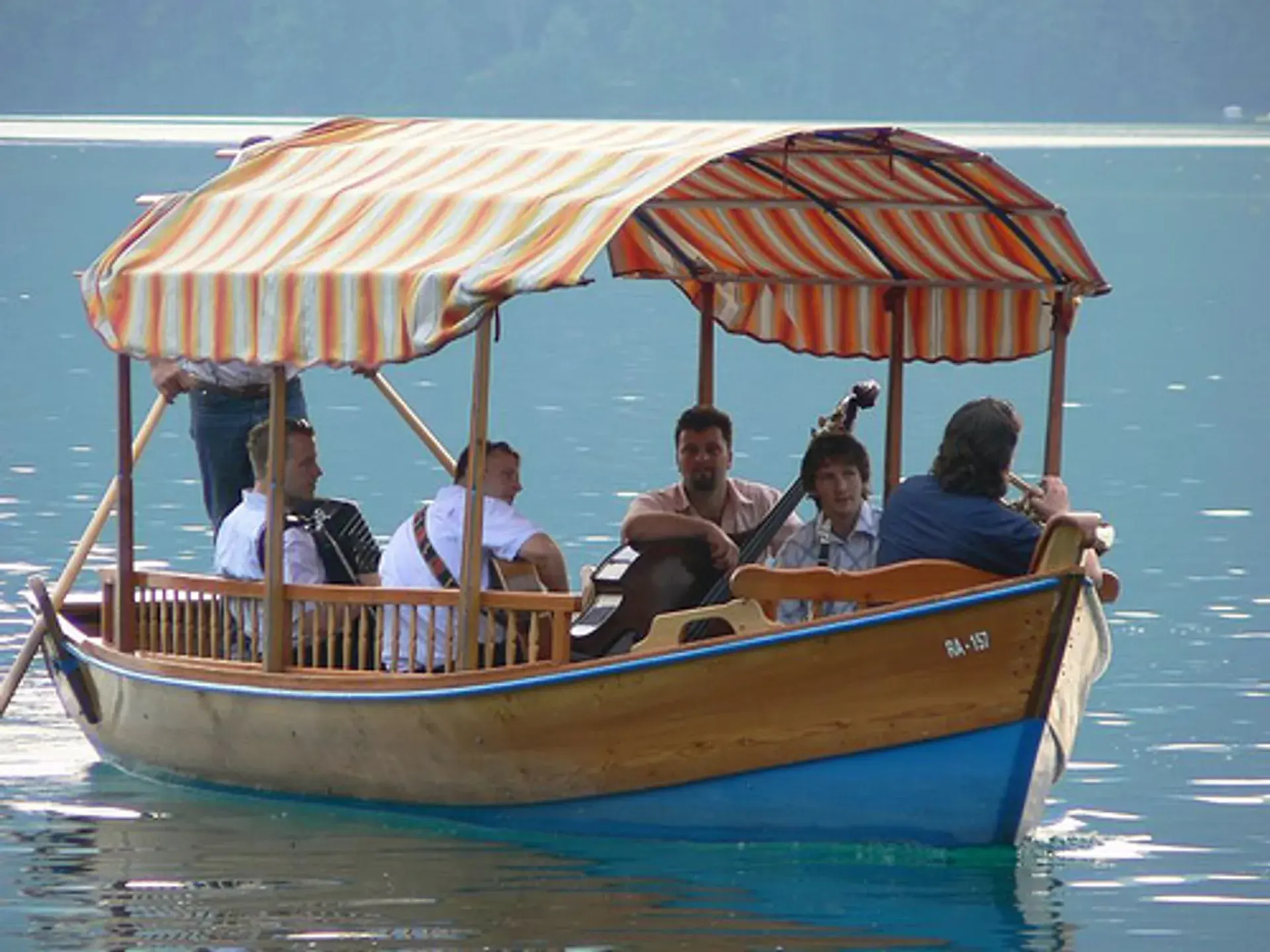
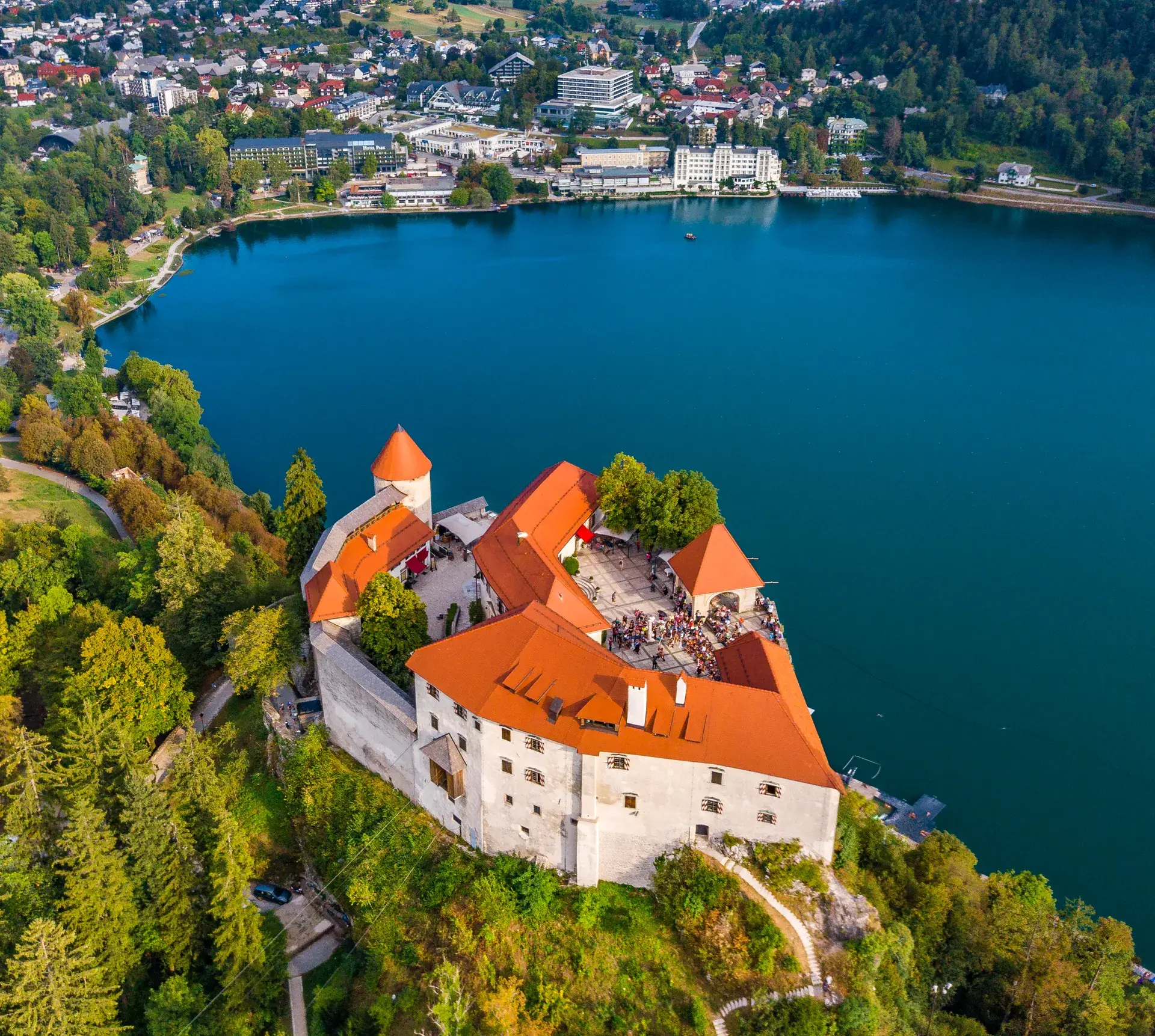
Located along the southern section of Lake Bled's six-kilometer circular perimeter path, the estate offers an on-site restaurant serving protocol-inspired cuisine, private parkland, and a lake swimming deck equipped with traditional wooden rowboats. Within the estate park, the elevated Belvedere Pavilion opens seasonally as Café Belvedere, offering views across the water toward Bled Island and serving traditional Bled cream cake (kremna rezina).
FAQ
What was Vila Bled before it became a hotel?
Vila Bled was originally built in the 1880s as a neo-Gothic manor for Austrian Duke Ernest Windischgrätz, later becoming a Yugoslav royal residence under King Alexander I and eventually an official summer residence for President Josip Broz Tito.
What is the Belvedere Pavilion at Vila Bled?
The Belvedere Pavilion is an elevated structure set on 30-meter stone pillars designed by architect Jože Plečnik. Originally meant as a royal waiting hall, it was later used by President Tito for informal diplomatic meetings and now operates seasonally as Café Belvedere.
What notable artwork is found inside Vila Bled?
The former ballroom contains a large 1947 panoramic mural by Slovenian artist Slavko Pengov, depicting the Yugoslav Partisan campaign from 1941 to 1945 alongside scenes of postwar reconstruction.
Which international leaders visited Vila Bled during the Cold War?
During Josip Broz Tito's presidency, Vila Bled hosted foreign leaders including Nikita Khrushchev, Jawaharlal Nehru, Gamal Abdel Nasser, Sukarno, Haile Selassie, and King Hussein of Jordan.
Discover Bled like never before
Dive into Bled hidden stories and secret spots with Ciceru interactive tours.
Explore tour
Audioguide
Quizzes
Maps
Solo
Couples
Groups & families

© Photo by Vila Bled via Google Maps · Google Places