Calle Mayor Cartagena: A Historic Marble Street
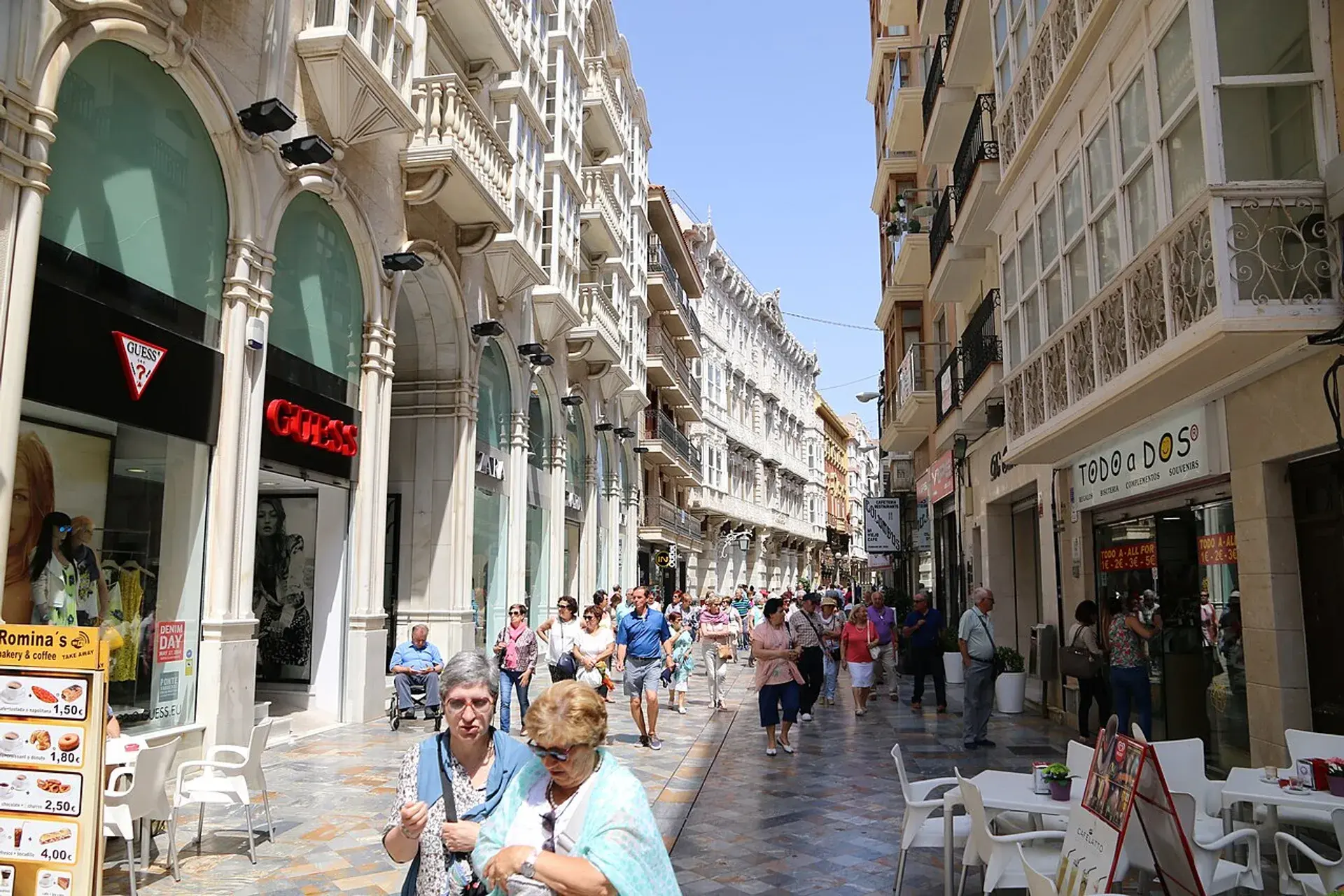
Paved with distinctive blue marble tiles, Calle Mayor is the bustling main pedestrian thoroughfare of Cartagena, Spain. This historic street serves as the city's primary retail district and social hub, connecting the port to the historic center and showcasing centuries of architectural and cultural evolution.
A Storied Past
Originally known as Rua Principal, Calle Mayor has been the backbone of Cartagena since at least 1590, serving as the essential gateway between the port and the walled city. Its strategic location made it a center for civic, commercial, and political life. The street played a role in the organization of the Canton of Cartagena in 1873 and was heavily bombed during this period, which necessitated significant new construction. After a period of decline in the first half of the 20th century due to economic stagnation and the Spanish Civil War, Calle Mayor was later declared an Asset of Cultural Interest, cementing its importance.
The Golden Age of Modernista Architecture
Calle Mayor's greatest period of splendor occurred in the late 19th and early 20th centuries, fueled by an economic boom from local mining and industry. Wealthy bourgeois families built opulent residences, businesses, and leisure centers, transforming the street into a showcase of Modernista (Art Nouveau) architecture.
Many of these architectural gems were designed by Víctor Beltrí, an architect influenced by masters like Antoni Gaudí. Notable buildings include the Casa Cervantes (1897-1900), the Aguirre Palace (1899), and the remarkable Casa Llagostera (1913), which once had a façade entirely covered in decorative tiles (azulejos). During this era, the 18th-century Palace of the Marquis of Casa Tilly was also transformed into the grand Casino of Cartagena.
Calle Mayor Today
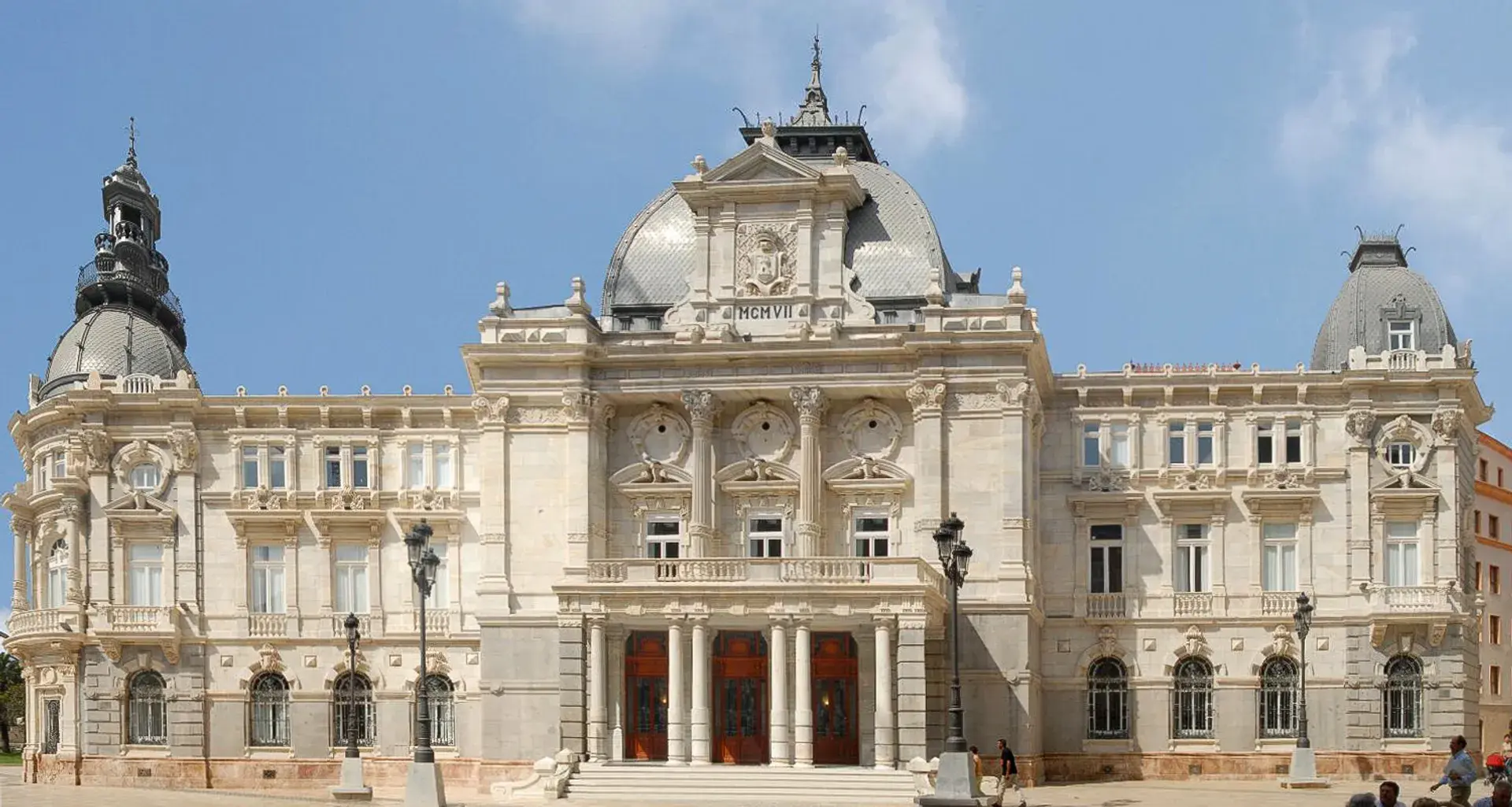
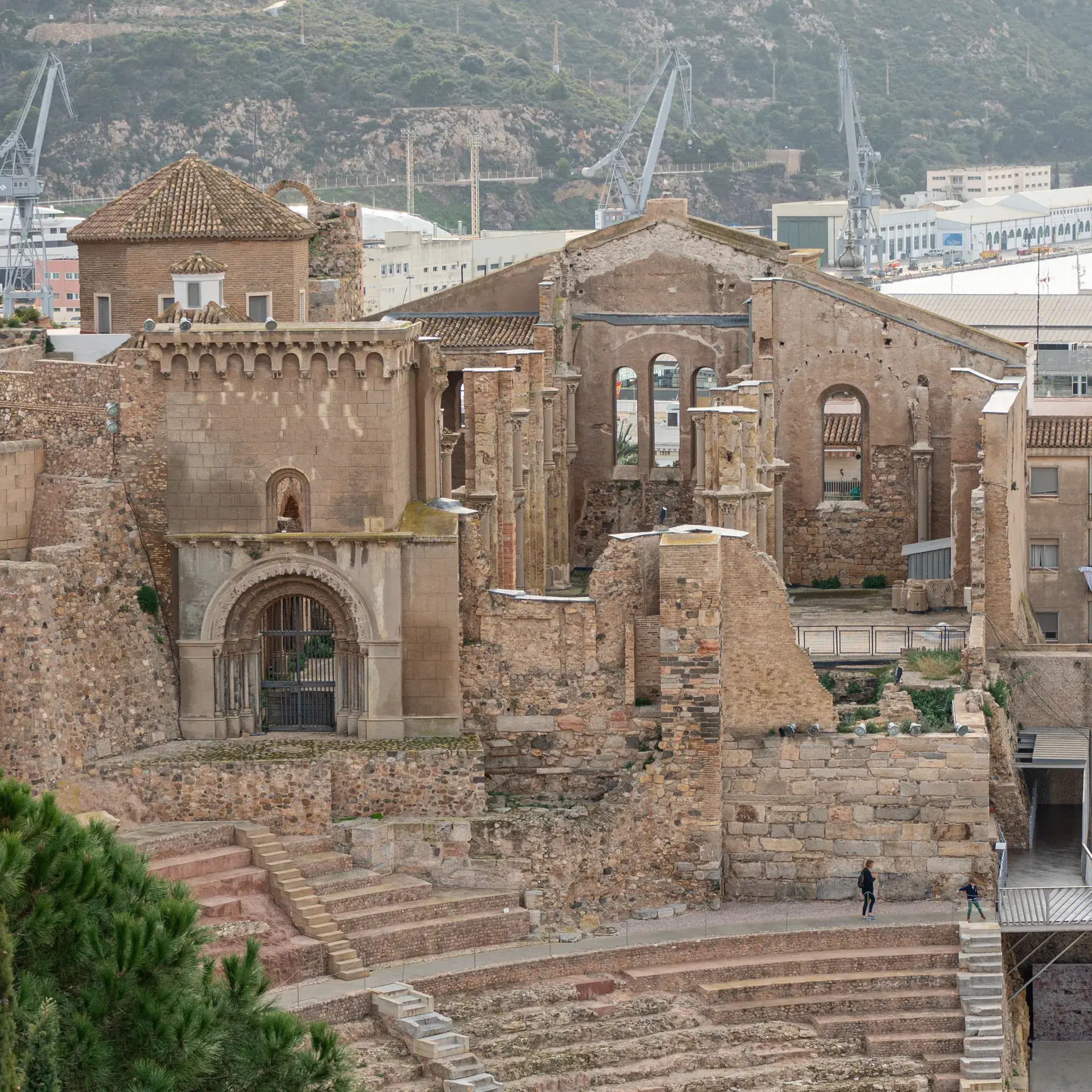
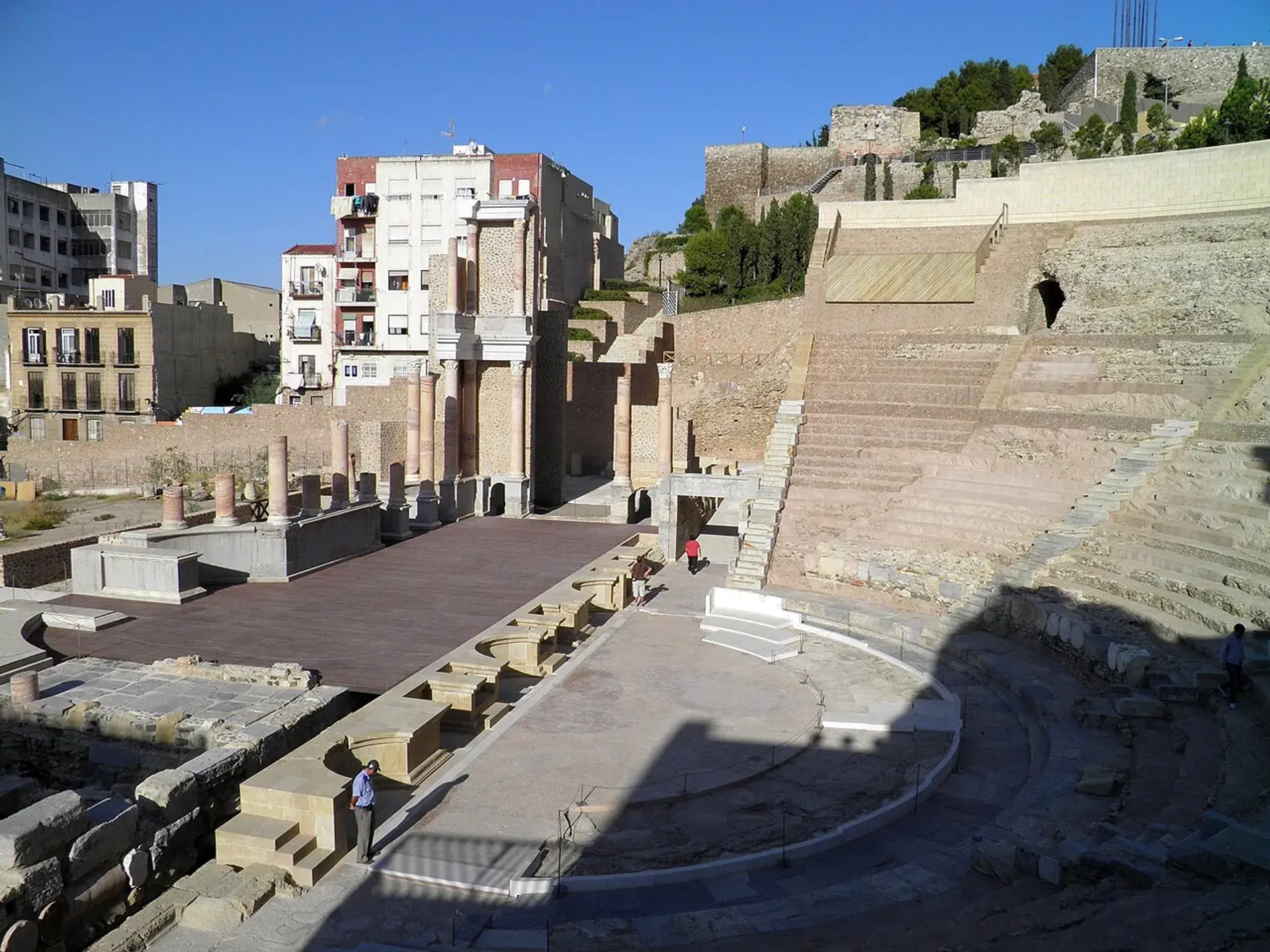
Today, Calle Mayor is Cartagena's primary retail and social artery. The pedestrian-only street is lined with a diverse array of shops, from department stores and fashionable boutiques to jewelry shops. It is also a popular destination for dining and leisure, with numerous restaurants, cafes, and bars featuring outdoor terraces perfect for people-watching. Financial institutions have rehabilitated several of the historic buildings. The street remains a vibrant hub where locals and visitors gather, providing access to key landmarks like the Roman Theatre Museum and the Palacio Consistorial (Town Hall).
Uncovering Layers of History
Beyond its Modernista facades, Calle Mayor holds traces of a much deeper past. On one side of the street, archaeological remains of the Roman Port Wharf are visible, offering a glimpse into the ancient harbor infrastructure of Carthago Nova. The street itself is a living museum, reflecting Cartagena's resilience and its layered history from Roman times to its modern commercial prosperity.
FAQ
What is Calle Mayor in Cartagena famous for?
Calle Mayor is famous for its distinctive blue marble paving, its impressive collection of Modernista architecture, and its role as Cartagena's main pedestrian shopping and dining street.
What important buildings are on Calle Mayor?
Prominent buildings on Calle Mayor include the Modernista works of Casa Llagostera, Casa Cervantes, and the Aguirre Palace, as well as the historic Casino of Cartagena.
Can you see ancient Roman history on Calle Mayor?
Yes, archaeological remains of the Roman Port Wharf, which served the ancient city of Carthago Nova, are visible along Calle Mayor.
Why is there so much Modernista architecture on Calle Mayor?
The concentration of Modernista architecture is a result of the economic prosperity Cartagena experienced from mining and industry in the late 19th and early 20th centuries, when wealthy families commissioned elaborate residences on the street.