Old Cathedral of Cartagena: A Ruin's Layered History
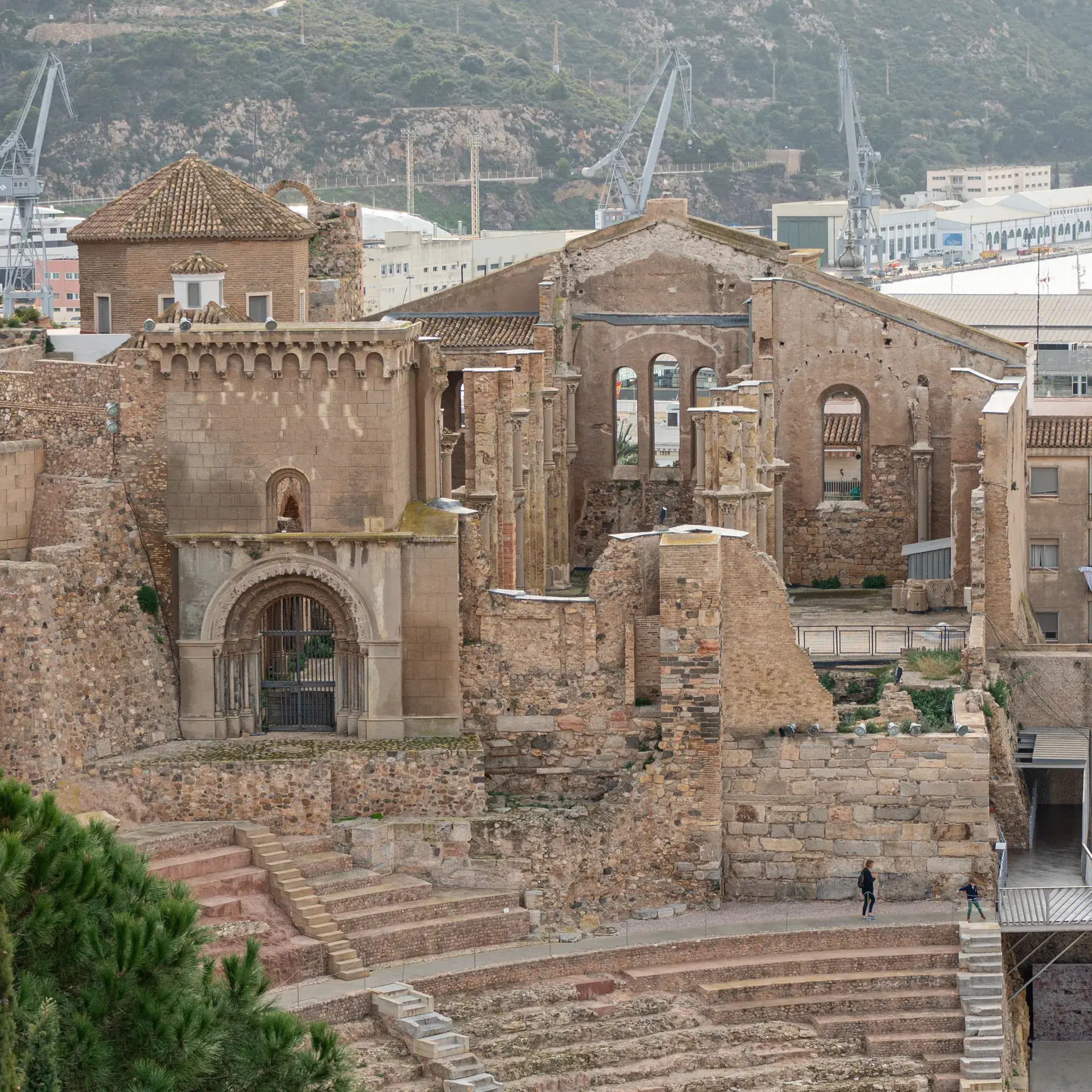
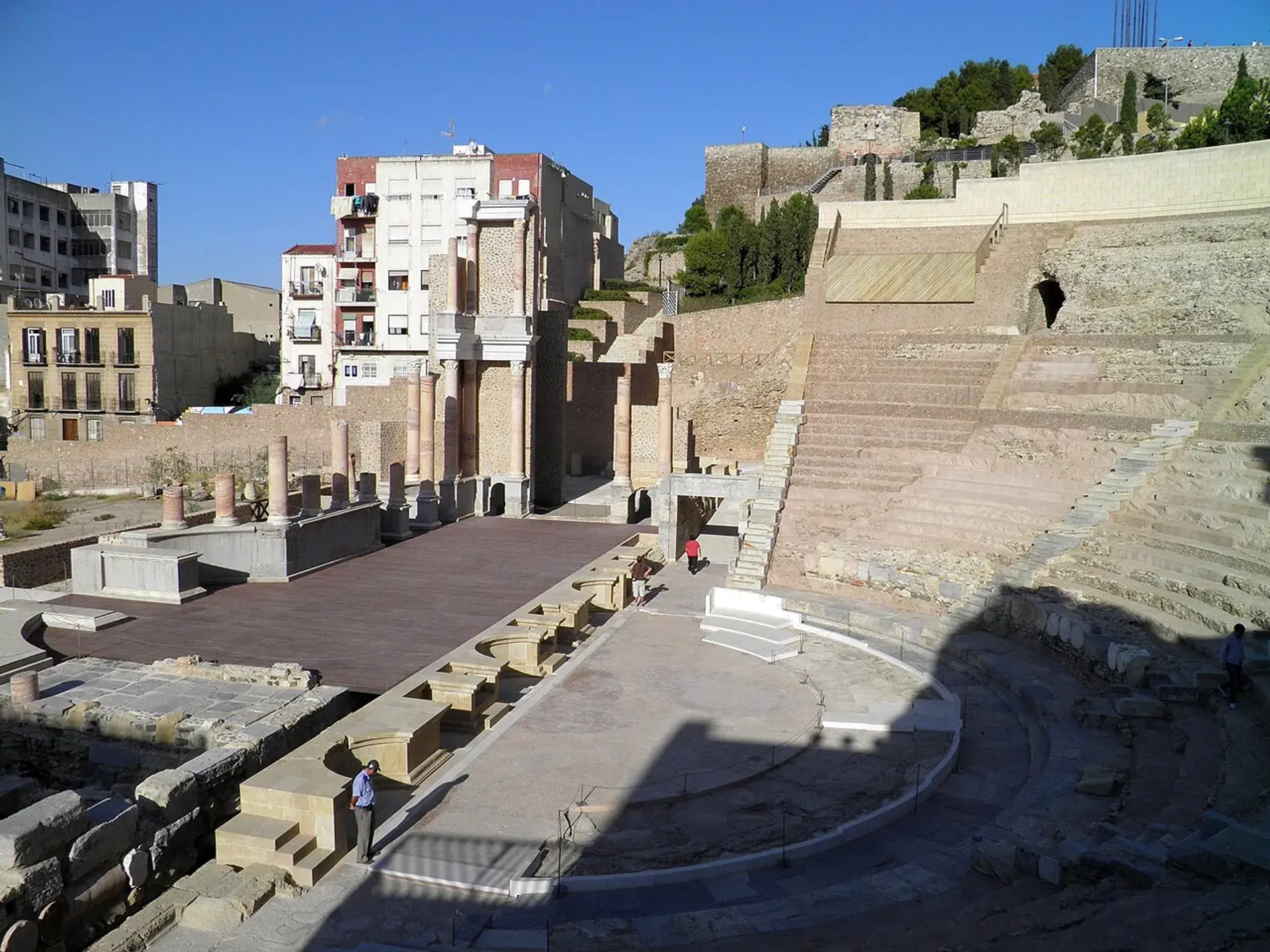
The Old Cathedral of Cartagena, Santa María la Vieja, stands as a poignant ruin, a testament to the city's deep and layered history. What appears as the remains of a medieval church holds a remarkable secret: it was constructed in the 13th century directly upon the foundations of a much older Roman theater, which lay hidden for centuries until its rediscovery in 1988.
A Foundation of Empires
The initial construction of the cathedral began in the 13th century, following the Christian reconquest of the region. Builders erected the Gothic-plan church directly over a Roman theater, even incorporating some of its materials into the new structure. This incredible layering of history remained a secret for centuries, with the ancient theater only being accidentally found during construction work in 1988. Archaeological excavations, which began in 1958, continue to explore this unique historical connection. An even earlier discovery in 1877 revealed a 1st-century AD Roman mosaic within an underground crypt of the cathedral.
From Diocese Seat to Decline
Following the reconquest, King Alfonso X 'El Sabio' re-established the Christian Diocese in Cartagena around 1245 and designated the church as its seat. However, this prestigious status was short-lived. In 1291, with the consent of King Sancho IV, the diocesan seat was controversially relocated to Murcia, though the diocese officially retained the name 'Carthaginensis'.
Over the centuries, the cathedral underwent several modifications. Renaissance elements were added to the original Gothic structure. Notable additions include the Cuatro Santos chapel, built by Juan Bautista Antonelli around 1571, and the Cristo del Socorro chapel, constructed in 1691 by Pedro de Colón y Portugal, Duke of Veragua.
Destruction in the 20th Century
In 1902, architect Victor Beltrí led a significant Neo-Roman restoration of the cathedral. This renewed structure, however, would face complete devastation just a few decades later. During the Spanish Civil War, Cartagena served as a loyalist supply and munitions base. In 1939, the cathedral was almost entirely destroyed by shelling from Nationalist forces, leaving it in the ruined state seen today.
The Cathedral Today
Currently, the Old Cathedral is an open-air archaeological site and an Item of Cultural Interest, offering visitors a direct view of its ancient, exposed walls. Although largely in ruins since 1939, a small part of the structure, specifically the Cristo del Socorro chapel, continued to be used for religious ceremonies and Holy Week processions until the 1990s.
Today, the site functions as a unique venue for cultural events, including concerts during the Cartagena Mar de Músicas festival. Future plans include a significant restoration project, with funds already allocated for work on the Council Chapel.
FAQ
Why is the Old Cathedral of Cartagena in ruins?
The cathedral was almost entirely destroyed by shelling from Nationalist forces in 1939 during the Spanish Civil War. At the time, Cartagena was operating as a supply and munitions base for the loyalist side.
What is underneath the Old Cathedral of Cartagena?
The 13th-century cathedral was constructed directly on top of a Roman theater. The ancient theater remained buried and undiscovered for centuries until it was accidentally found during construction work in 1988.
Is the Old Cathedral of Cartagena still used for religious services?
The cathedral is primarily a ruin and archaeological site and is not used for regular services. However, the Cristo del Socorro chapel hosted religious celebrations until the 1990s. Today, the site is mainly used for cultural events.
Where is the original altarpiece from the Old Cathedral?
An alabaster altarpiece that once adorned one of the cathedral's side chapels was removed in 1871. It was donated by the city council to the National Archaeological Museum of Spain in Madrid, where it is now located.