Cartagena Town Hall: A Modernist Palace's Story
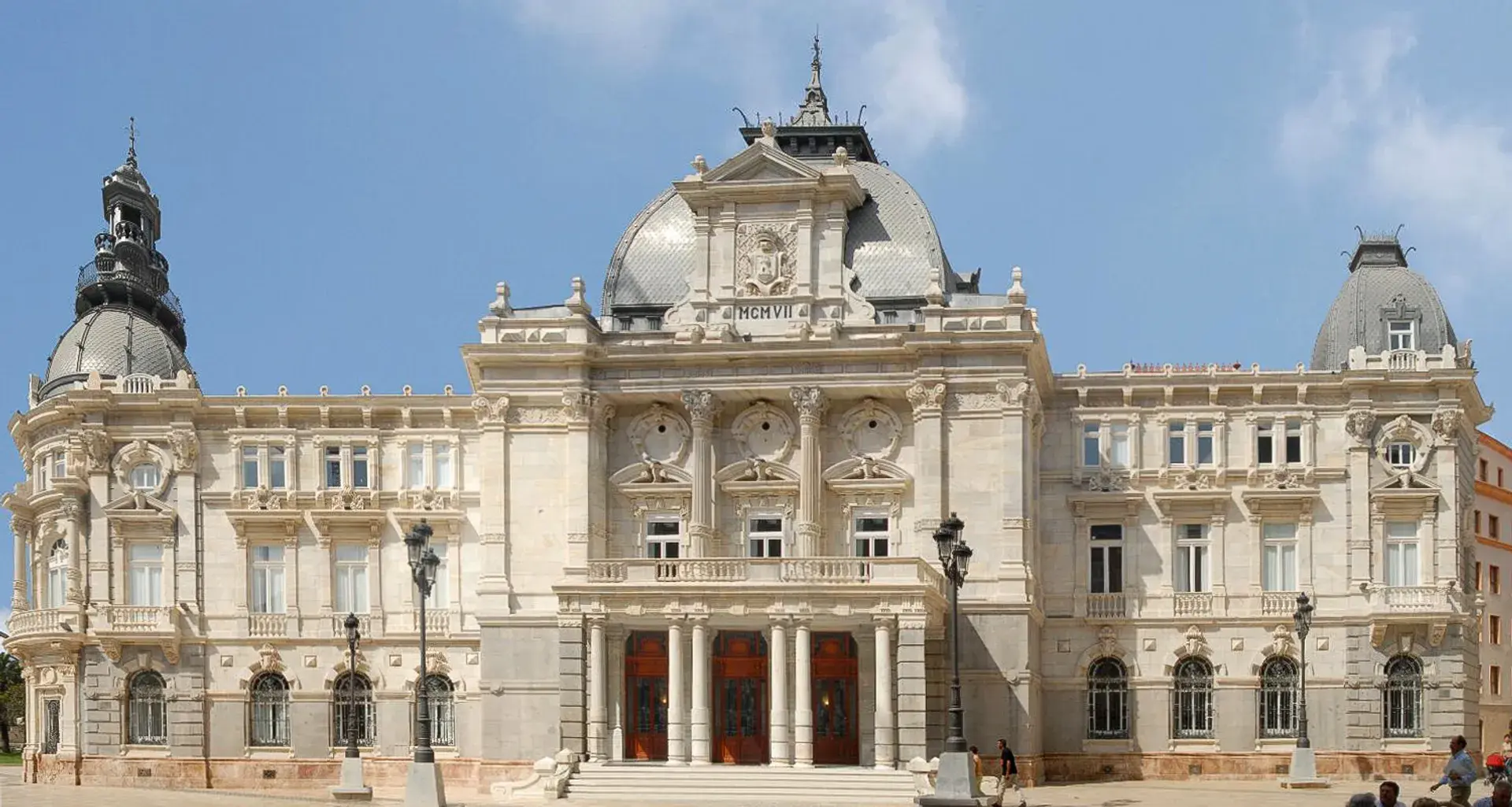
The Plaza del Ayuntamiento is a foundational part of Cartagena's urban identity, connecting the historic city center with the port. Dominating the square is the Palacio Consistorial, the city's Town Hall, an ornate palace that symbolizes early 20th-century prosperity but also a cautionary tale of ambition, as it was built on unstable ground reclaimed from the sea.
A Symbol of Prosperity
Constructed between 1900 and 1907, the Palacio Consistorial was designed to showcase the splendor of a city burgeoning from mining and industrial wealth. It replaced a smaller 16th-century town hall that was no longer adequate for the growing city. The project was led by principal architect Tomás Rico Valarino, a key figure in Cartagena's modernist movement, with collaboration from Francisco de Paula Oliver and Juan Antonio Molina Serrano.
The building's architectural style is eclectic and classicist, with distinct French influences on its exterior and significant modernist details in its interior. The grand inauguration took place on April 8, 1907, an event presided over by King Alfonso XIII.
Architectural Details
The Palacio Consistorial features a unique triangular plan, resulting in three distinct facades. The exterior is richly decorated with emblems of the city. Repeated motifs include the Castillo de la Concepción (Castle of the Conception) from the city's coat of arms and the mural crown, a distinction said to have been granted by the Roman general Scipio Africanus. Its striking appearance has earned it a place among the top 20 most spectacular city halls in Spain, as ranked by TripAdvisor's Niumba blog.
Near Collapse and Restoration
Despite its grandeur, the Town Hall's foundation was its critical flaw. Built on unstable land reclaimed from the sea and with insufficient foundations, the structure began to suffer severe damage over the decades. By 1995, the problems were so severe that the building was closed to the public. An extensive and complex restoration project was undertaken, lasting eleven years. The fully restored Palacio Consistorial reopened in 2006.
The Town Hall Today
Today, the Palacio Consistorial serves as the official seat of the Cartagena City Council, housing the mayor's office, the plenary hall, and various municipal departments. Beyond its administrative duties, it plays a representative and cultural role. The ground floor contains two exhibition halls; one, named 'Subjetiva,' is dedicated to promoting emerging young artists. The building also houses a Tourist Information Point facing the port.
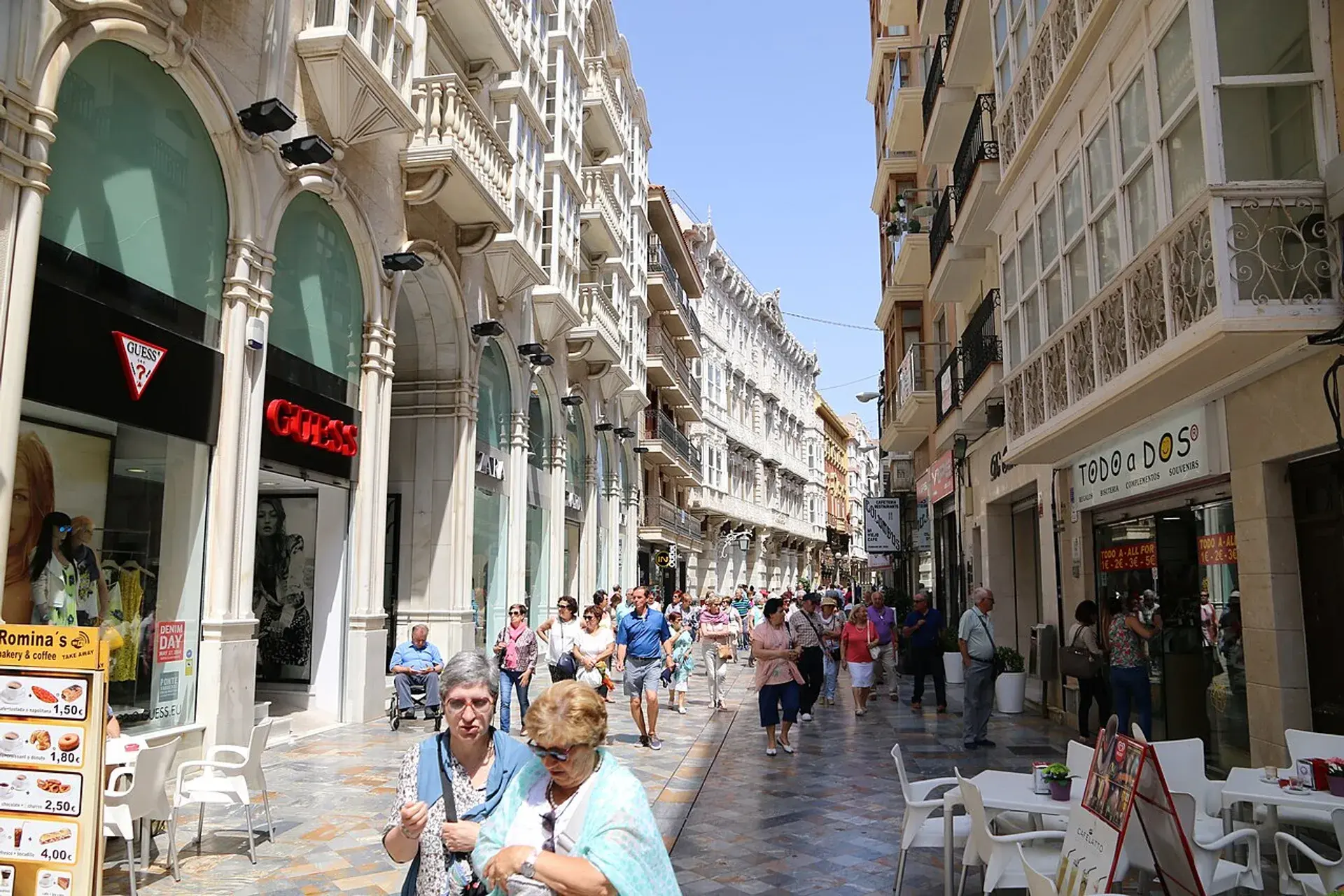
The surrounding Plaza del Ayuntamiento is a vibrant urban center and a popular meeting point. The square is frequently used for public concerts and other cultural events, cementing its role as a hub of city life.
FAQ
Why was the Cartagena Town Hall closed for over a decade?
The Town Hall was closed from 1995 to 2006 to undergo extensive restoration. It had suffered severe structural damage because it was originally built on unstable land reclaimed from the sea with inadequate foundations.
What is the architectural style of Cartagena's Town Hall?
The Palacio Consistorial features an eclectic and classicist style with notable French influences. Its interior is characterized by significant modernist design elements.
What is the Cartagena Town Hall used for now?
It is the official seat of the Cartagena City Council, containing the mayor's office and municipal departments. It also serves a cultural purpose, with two exhibition halls and a Tourist Information Point.
Who designed the Palacio Consistorial in Cartagena?
The principal architect was Tomás Rico Valarino, who worked in collaboration with architects Francisco de Paula Oliver and Juan Antonio Molina Serrano.