Casa de la Fortuna: A Roman Home in Cartagena
Beneath the modern streets of Cartagena lies the Casa de la Fortuna, a remarkably preserved Roman house that remained hidden for nearly two millennia. This ancient residence, along with a segment of a Roman road, was only unearthed by chance during construction work in 1971, offering a direct window into the domestic life of the Roman elite.
History of the Domus
The Casa de la Fortuna is a 'domus,' a type of private residence owned by a wealthy family, dating back to the first century BC during the reign of Emperor Augustus. The home was built in the prosperous city of Carthago Nova, a vital commercial hub in the Roman Empire. Evidence suggests the house was remodeled in the 1st century AD before being abandoned during an economic crisis in the 2nd century AD. After its accidental discovery, a project was undertaken in 2000 to transform the site into a museum, which officially opened on April 1, 2004.
Architecture and Artifacts
Covering 204 square meters, the house provides a clear example of the opulent lifestyle of its inhabitants, who were likely prosperous merchants. The layout includes several distinct rooms, such as the triclinium (dining room), cubicula (bedrooms), tablinum (reception room or study), and the central atrium. The house gets its modern name from a mosaic on the atrium floor with the Latin inscription 'Fortuna Propitia' (good fortune), a welcoming wish for visitors.
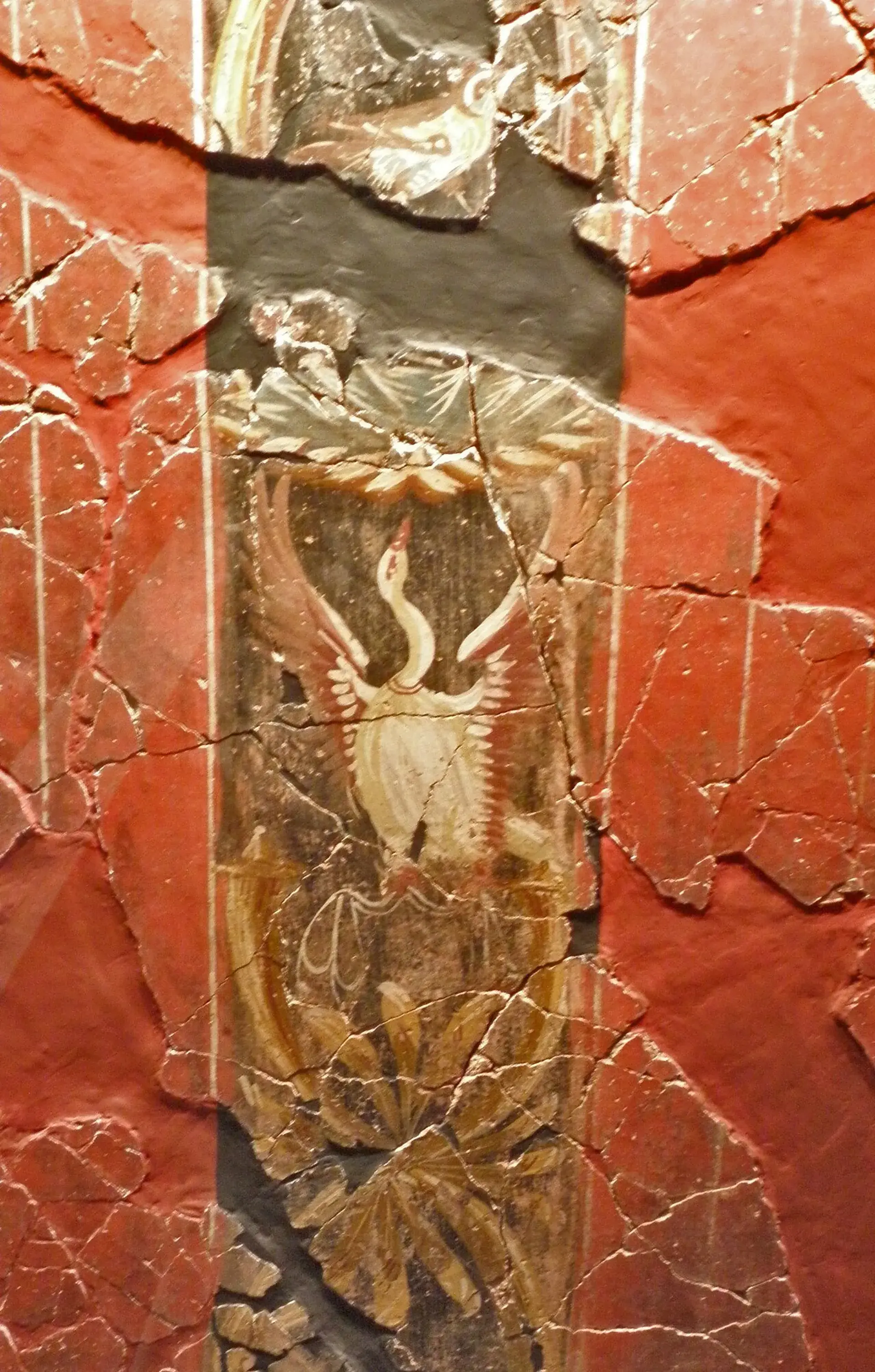
Today, the Casa de la Fortuna operates as an underground museum. Visitors can view original murals and intricate mosaics that decorated the home. The museum also displays a collection of everyday Roman artifacts found on-site, including personal adornments, lamps, and dishes. A highlight of the site is a preserved section of an original Roman street, complete with its limestone paving and a sophisticated drainage system.
The Museum Today
Located at Plaza de Risueño, 14, the Casa de la Fortuna is an integral part of Cartagena's archaeological park system. The site is designed for accessibility, featuring a stairlift, ramps, and adapted facilities for visitors with limited mobility. It stands as a testament to the wealth of ancient Carthago Nova and offers a tangible connection to the city's Roman past.
FAQ
Why is it called the Casa de la Fortuna?
The house is named for a Latin inscription, 'Fortuna Propitia' (good fortune), found in a floor mosaic in the atrium. This served as a welcoming greeting to visitors entering the home.
When was the Casa de la Fortuna discovered?
The Roman house was discovered accidentally in 1971 during modern construction work in the center of Cartagena, after remaining completely hidden underground for almost 2,000 years.
What can you see at the Casa de la Fortuna?
The site features the preserved rooms of a Roman 'domus,' including a dining room, bedrooms, and atrium. Visitors can see original murals, mosaics, and artifacts like lamps and dishes, as well as a section of an ancient Roman street.
Who would have lived in the Casa de la Fortuna?
The Casa de la Fortuna was a 'domus,' a residence for a wealthy family in ancient Carthago Nova. Its size and decoration suggest the owner was likely a prosperous merchant, reflecting the city's economic success during the Roman Empire.