Concepción Castle & Panoramic Lift in Cartagena
Perched atop the highest hill in Cartagena, Concepción Castle stands as a monument to the city's layered and strategic history. This medieval fortress, accessible via a modern Panoramic Lift, now serves as an interpretation center, offering insights into 3,000 years of civilization and providing commanding views of the port and city.
A History of Fortification
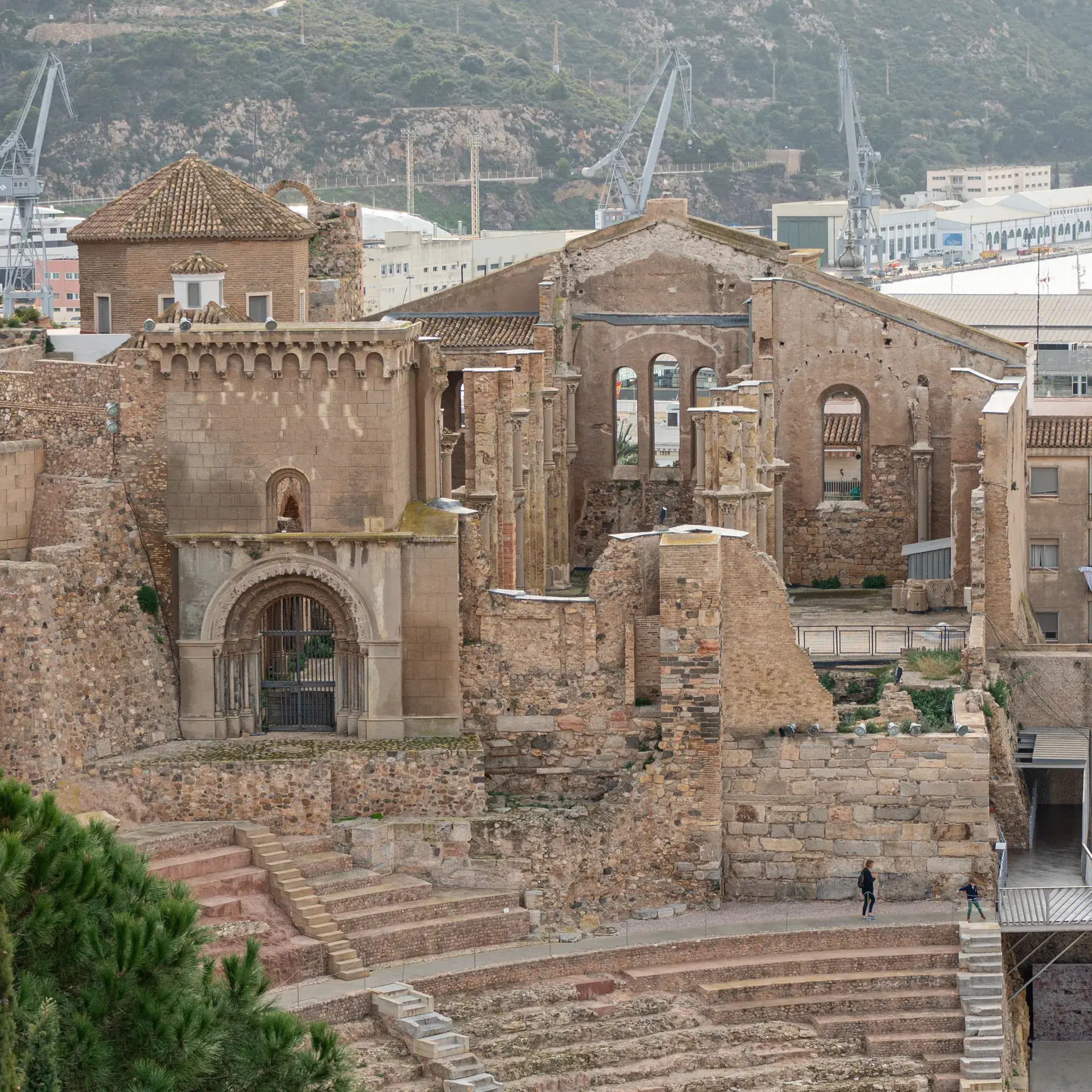
The site of Concepción Castle has been strategically vital for millennia. The Greek historian Polybius noted that a Roman temple dedicated to the god of medicine, Aesculapius, once stood on the summit. This was later replaced by a 12th-century Muslim alcazaba, or citadel. Following the Reconquista in 1245, King Alfonso X the Wise initiated the construction of the current medieval castle to fortify Castile's only Mediterranean port. The project was never completed, partly due to the dissolution of the naval Order of Santa María de España. Over the centuries, the structure saw various uses; its water tanks served as a prison in the 19th century, and during the Spanish Civil War, it housed a critical air-raid warning siren.
Architectural Reuse and Hidden History
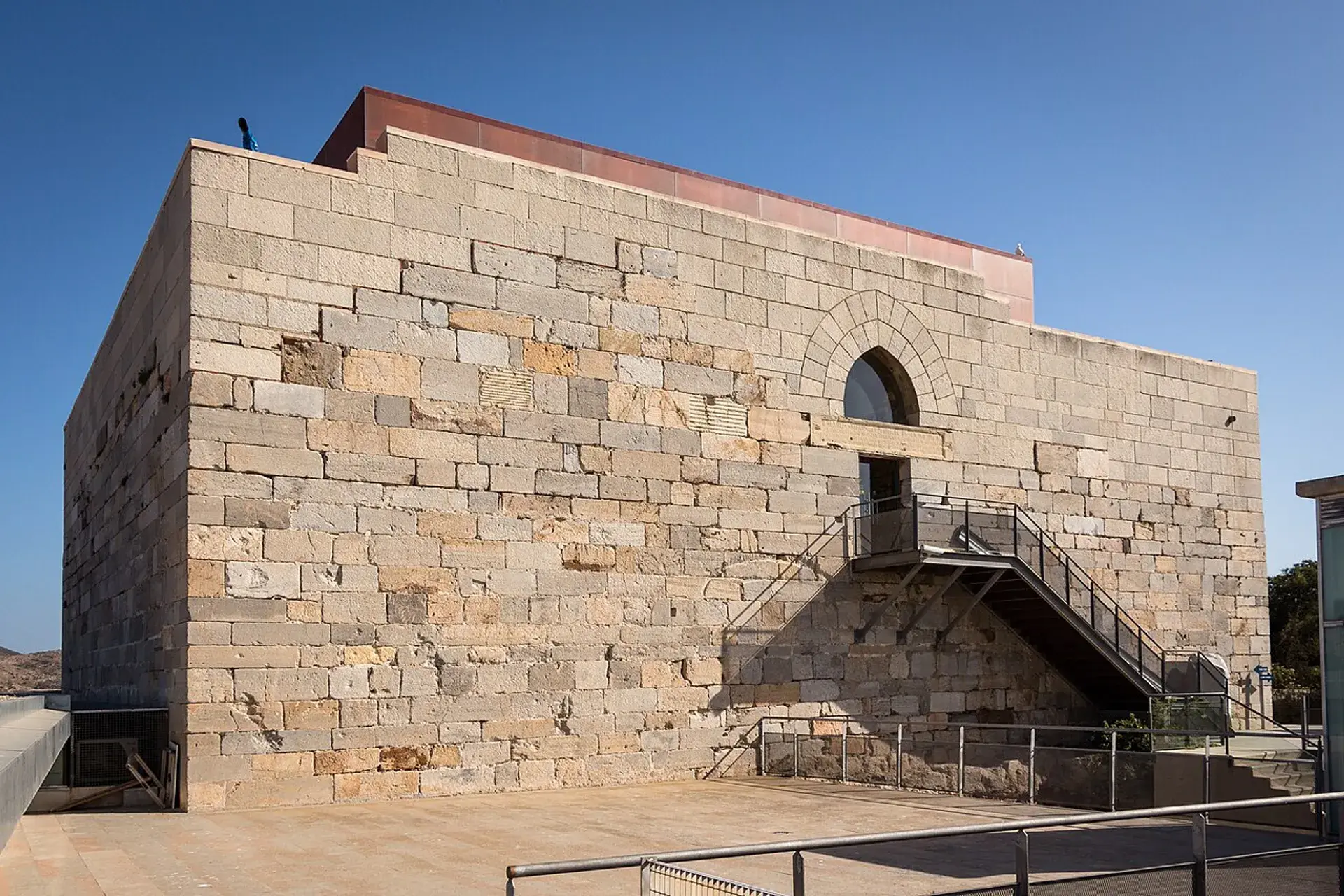
Concepción Castle is a remarkable example of historical materials being repurposed. Recent restorations have revealed that its first floor was built upon reused Roman cisterns. The castle's homage tower, known as El Macho, features a particularly striking example of this practice: a large Roman tombstone belonging to Lucio Emilio Recto was pragmatically incorporated as a lintel at its entrance. These elements show how the castle's builders integrated the remnants of older civilizations into their own defensive structure.
From Fortress to Public Space
In the early 20th century, the castle nearly faced demolition but was instead transformed. During the 1920s, its grounds became a public park with gardens, ponds, and animals, earning it the affectionate local nickname "Castillo de los Patos" (Castle of the Ducks). Today, after extensive restoration by the Cartagena Port of Cultures consortium, the castle functions as an Interpretation Centre. Inside, visitors can see preserved architectural elements, while the surrounding Torres Park is known for its gardens and roaming peacocks. The castle is also prominently featured on Cartagena's coat of arms, symbolizing the city's defensive strength.
The Panoramic Lift: A Modern Ascent
Providing a modern gateway to this ancient site, the Panoramic Lift was inaugurated in 2004. Designed by architects Andrés Cánovas and Martín Lejárraga, this engineering feat connects Gisbert Street with Torres Park, ascending 45 meters. The lift offers scenic views during the ride and provides convenient access to both Concepción Castle and the Civil War Air Raid Shelter Museum located at its base.
FAQ
What is Concepción Castle used for today?
Concepción Castle is now an Interpretation Centre and museum dedicated to the 3,000-year history of Cartagena. It offers panoramic views of the city, its harbor, and the port.
Why is Concepción Castle sometimes called the 'Castle of the Ducks'?
In the 1920s, the castle grounds were converted into a public park with gardens, ponds, and various animals, which led to the local nickname "Castillo de los Patos" (Castle of the Ducks).
What is the purpose of the Panoramic Lift?
The Panoramic Lift was built in 2004 to transport visitors 45 meters from Gisbert Street to Torres Park on Concepción Hill, providing convenient and scenic access to the castle and the Civil War Air Raid Shelter Museum.
What is unique about the castle's construction?
The castle's construction incorporates repurposed materials from earlier eras. Its homage tower uses a Roman tombstone as a lintel, and its first floor was built by reusing ancient Roman cisterns.