Port & Naval Harbour of Cartagena: A Historic Spanish Hub
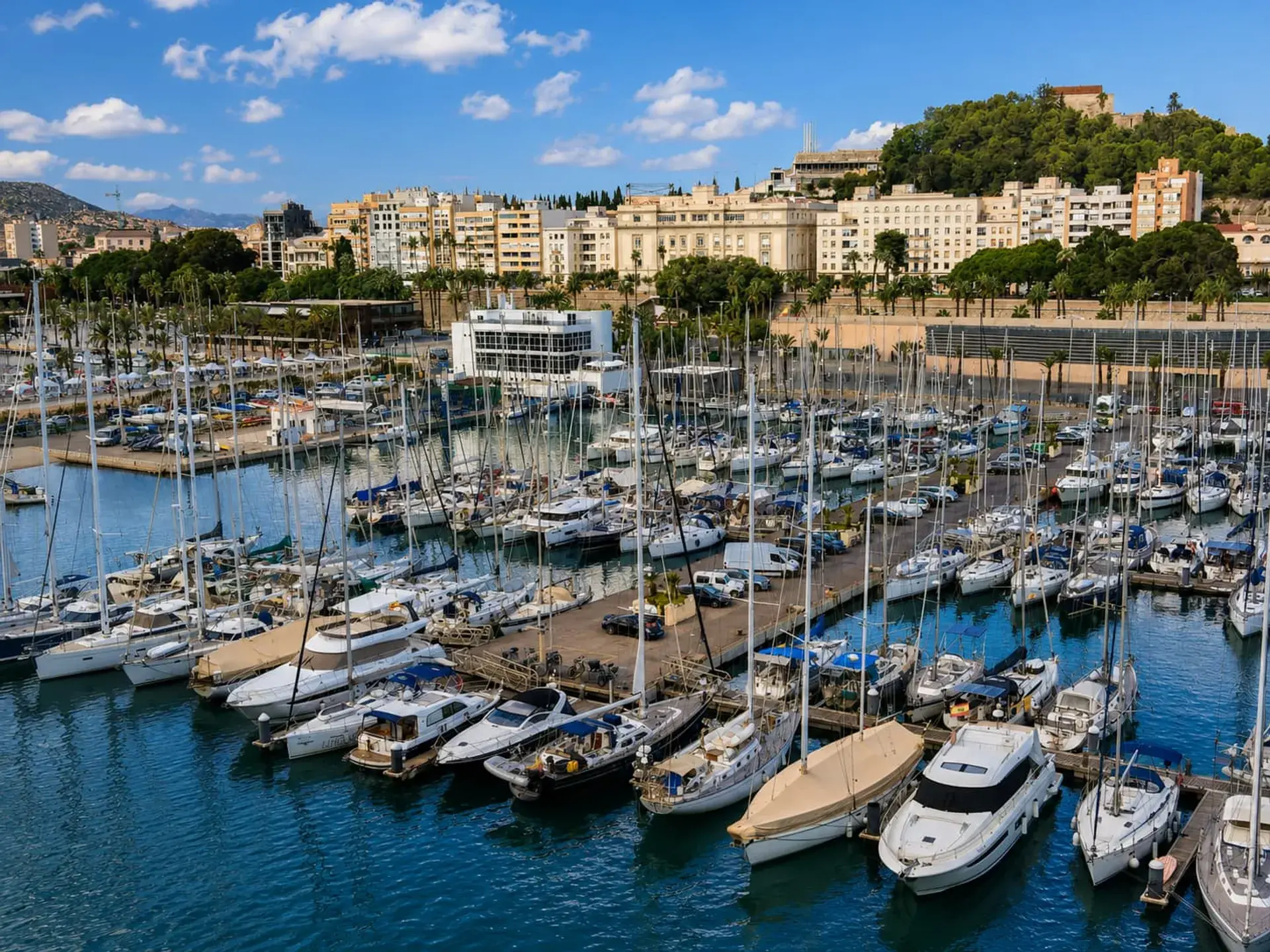
The Port of Cartagena, situated on the southeastern Mediterranean coast of Spain's Murcia region, is a site of immense historical and modern strategic importance. Its natural deep-water harbor has defined the city's identity for millennia, serving as a coveted asset for numerous civilizations and continuing today as a vital military and commercial center.
Ancient Origins and Naval Revival
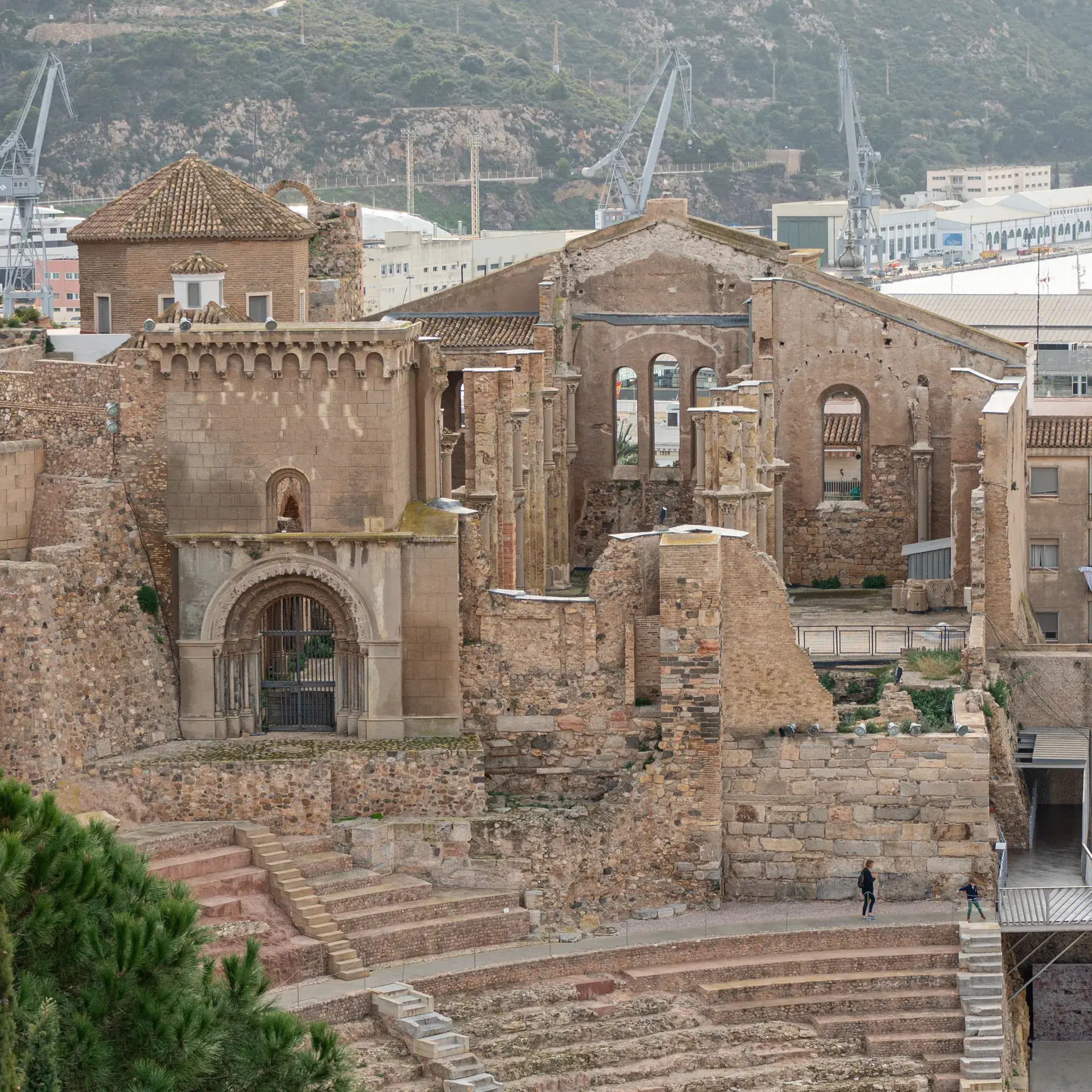
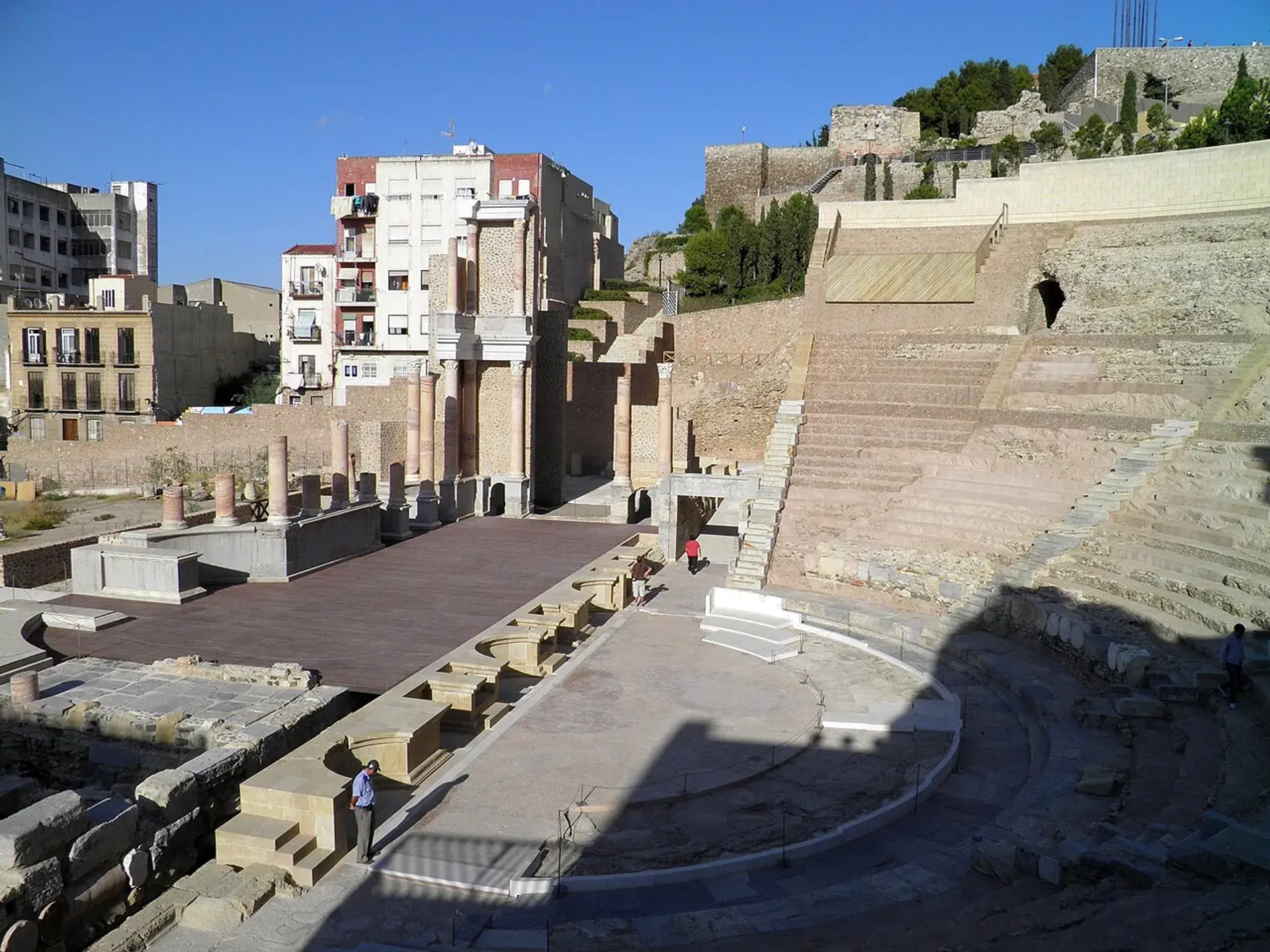
The port's strategic value was recognized in antiquity. The Carthaginian general Hasdrubal the Fair founded the city as Qart Hadasht around 227 BC. It later flourished under Roman rule as Carthago Nova. After centuries of shifting control, the port's significance was revitalized in the 18th century when King Philip V designated it a principal naval base for the Spanish Navy in the Mediterranean.
This era marked a period of monumental construction. The Sea Wall was built during the reign of King Charles III, who also oversaw the completion of the vast Arsenal. The port also became a center for innovation, most notably with the launch of the first successful electric battery-powered submarine in 1888, invented by Cartagena native Isaac Peral.
The Arsenal of Cartagena
Construction of the Arsenal of Cartagena, a massive naval shipyard and base, commenced in late 1731 and concluded in 1782. Overseen by architects like Sebastián Feringán and Mateo Vodopich, the project cost approximately 112 million reales. It became a huge industrial complex, employing thousands and constructing dozens of warships, including 21 ships of the line and 17 frigates in the latter half of the 18th century. The construction utilized the forced labor of slaves and convicts. The original building for the Naval Museum, for instance, was first built as a barracks for this workforce.
A Modern Military and Commercial Powerhouse
Today, the Port of Cartagena remains Spain's main military haven and the primary base for the Spanish Navy in the Mediterranean. It is the headquarters for the nation's main submarine fleet. The moats of the Arsenal's original dry docks were converted into submarine docks in 1918, a function they still serve.
Commercially, the port is a national leader. It ranks as the fourth-largest in Spain for freight traffic and is the country's leading port for bulk cargo. It handles a majority of the region's trade, managing 60% of exports and 80% of imports for Murcia. The port is also one of Spain's top eight cruise destinations, with the centrally located Alfonso XII Pier allowing easy access to the city's attractions and seafront promenade.
Future and Cultural Significance
The Port Authority continues to pursue development with projects like the Barlomar and El Gorguel docks, which aim to significantly increase container capacity. The port's history is preserved and displayed at the Cartagena Naval Museum, which occupies a 1926 Modernist building and shares its space with the Polytechnic University of Cartagena. The museum showcases naval history and the original Peral Submarine, connecting the public to the port's enduring legacy.
FAQ
What is the historical significance of the Port of Cartagena?
Its history dates to its founding around 227 BC by the Carthaginians. It was a key city for the Romans and was re-established as Spain's main Mediterranean naval base in the 18th century, a role it continues to hold today.
What is the Port of Cartagena used for today?
It serves as Spain's primary Mediterranean naval base and submarine fleet headquarters. Commercially, it is the fourth-largest port in Spain for freight, a leading cruise destination, and vital for the Murcia region's trade.
Who was Isaac Peral?
Isaac Peral was a Cartagena-born naval engineer who invented the first successful electric battery-powered submarine. His prototype, launched from the port in 1888, is a key piece of naval history associated with the city.
What is the Arsenal of Cartagena?
The Arsenal is a vast naval base and shipyard complex. Its construction began in 1731 and was completed in 1782 under King Charles III, becoming a major industrial center for the Spanish Navy that produced numerous warships.