Calleja de las Flores: Córdoba's Famous Flower Alley
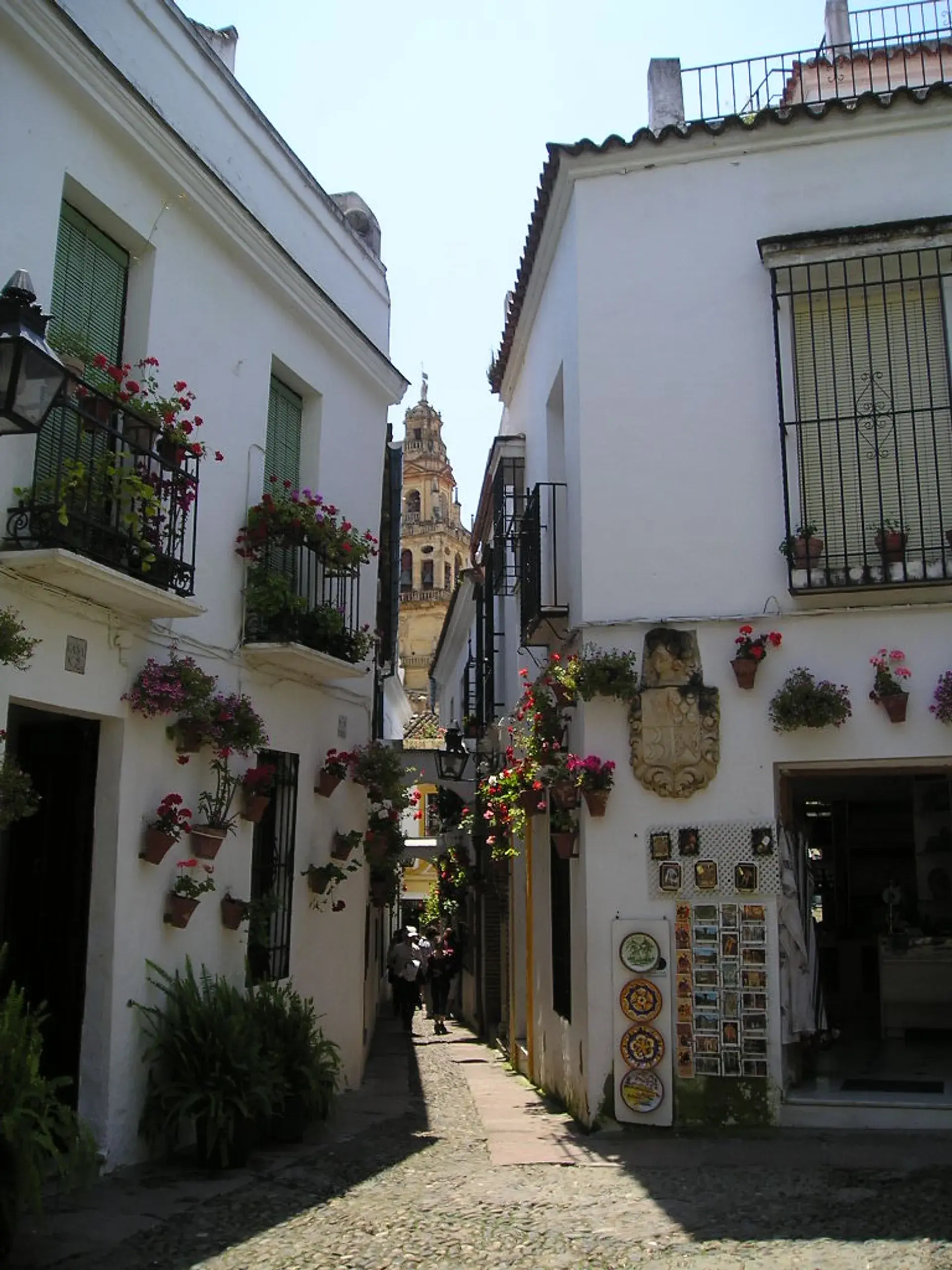
Nestled in Córdoba's historic Jewish Quarter, a UNESCO World Heritage Site, the Calleja de las Flores is one of the city's most photographed and picturesque scenes. This narrow, cobbled, dead-end alley is famed for its traditional whitewashed walls and balconies overflowing with colorful flowers, creating a quintessential Andalusian vista.
A Modern Vision for an Ancient Path
While the alley itself is centuries old, with origins tracing back to Moorish times, its current iconic appearance is surprisingly modern. The charming aesthetic was largely established during a beautification project in the 1950s, initiated by Mayor Alfonso Cruz Conde. Municipal architect Víctor Escribano Ucelay designed the renovation, adding the distinctive arches, installing traditional Cordoban cobblestone, and whitewashing the walls to accentuate the floral displays.
The tradition of adorning the street with flowers began organically. In 1939, a resident named Felisa, finding her terrace full, started placing her numerous flowerpots out in the alley, sparking a trend that would come to define the street's character.
Architectural and Sensory Details
The alley is a feast for the senses. The air carries the pleasant aroma of flowers like geraniums, bougainvilleas, and petunias. A sense of coolness is provided by small channels of clean water that run along the walls, creating a soft murmuring sound.
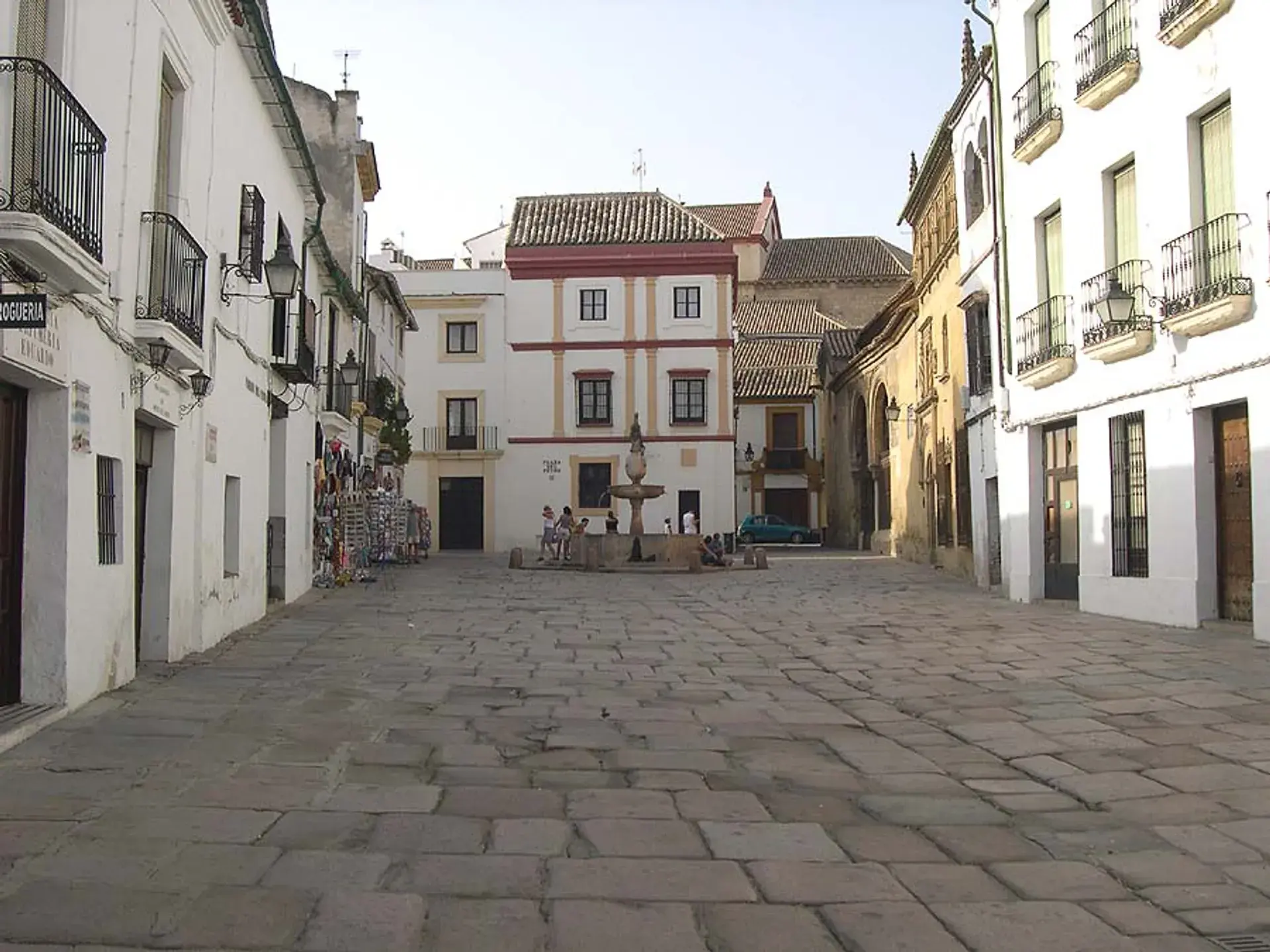
At the end of the short passage, which is less than 50 meters long, is a small square. Here, a fountain features a granite column topped with a deteriorated Roman Corinthian capital, identified by scholars as dating from the era of Emperor Hadrian. This artifact serves as a subtle nod to Córdoba's deep and layered history.
A Celebrated Attraction
Today, the Calleja de las Flores is a major tourist attraction, celebrated for the stunning view it offers of the Mezquita-Catedral's bell tower, perfectly framed by the alley's arches and flowers. While many of the original homes have been converted into souvenir shops, the alley retains its charm. It is a public pedestrian street, accessible at all hours for leisurely strolls and photography. Its beauty has been recognized internationally, with publications like Tredencias and Condé Nast Traveler naming it one of the most beautiful streets in Spain and the world.
FAQ
Is the Calleja de las Flores always open?
Yes, the Calleja de las Flores is a public pedestrian street and is accessible 24 hours a day, all year round.
What is the famous view from the Calleja de las Flores?
The alley is renowned for its iconic view of the Mezquita-Catedral's bell tower, which is perfectly framed by the narrow passage and its flowers.
How old is the Calleja de las Flores?
While the passage itself dates back centuries, its current iconic appearance with distinctive arches and cobblestone paving was the result of a major renovation project in the 1950s.
What is the Roman artifact in the alley?
A fountain at the end of the alley features a granite column topped with a Corinthian capital dating back to the Roman period, specifically the time of Emperor Hadrian.