Calleja del Pañuelo: Córdoba's Handkerchief Alley
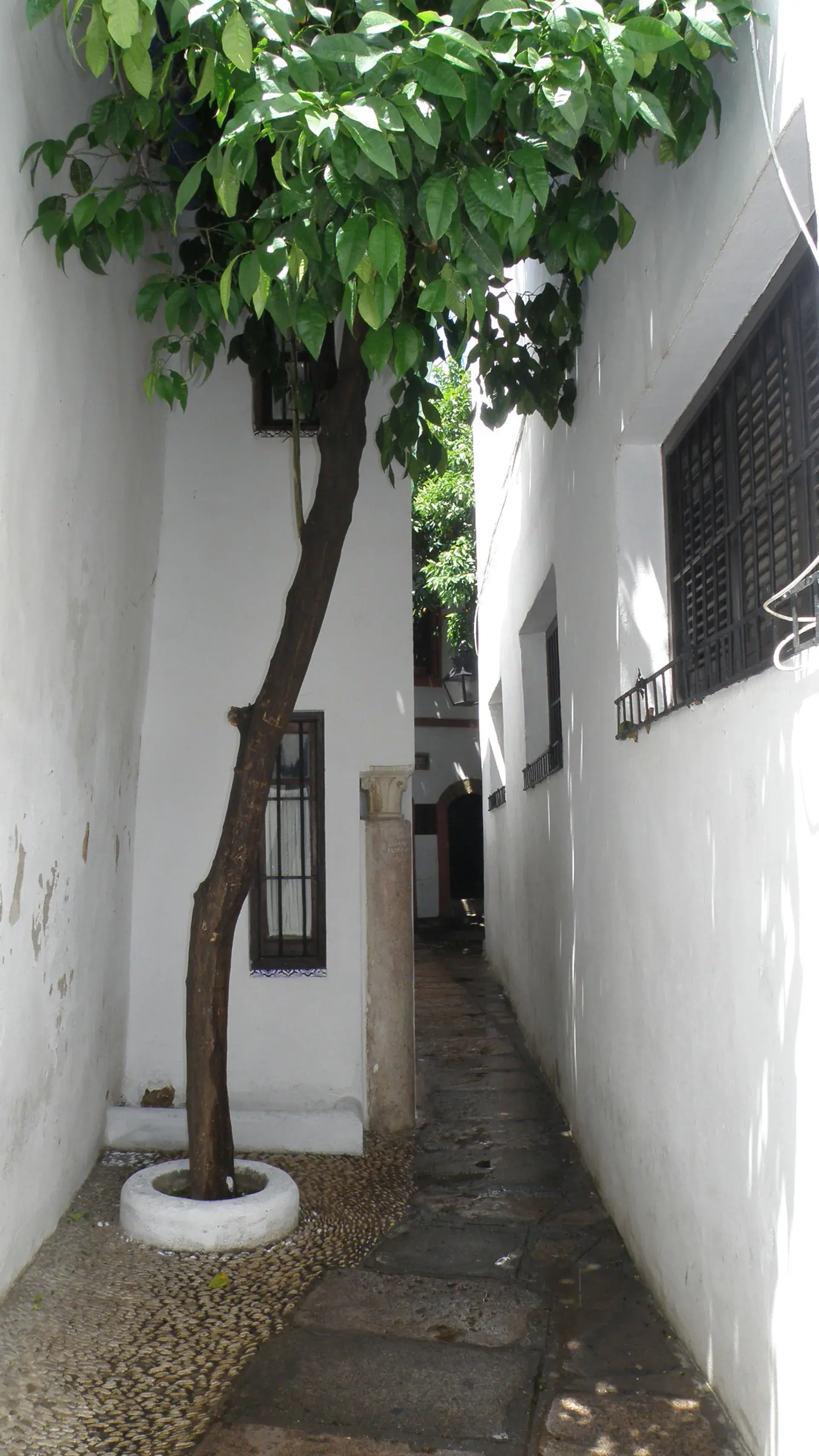
Located in the historic Judería quarter of Córdoba, near the Mosque-Cathedral, lies the Calleja del Pañuelo. Officially named Calle de Pedro Jiménez, this alley is a popular tourist attraction renowned for being the narrowest street in the city and one of the most slender in Europe. It is a key feature within Córdoba's historic center, a designated UNESCO World Heritage Site since 1994.
A Legacy of Moorish Design
The alley's origins date back to the Cordoban Caliphate period between the 8th and 11th centuries. Its design is a classic example of Moorish urban planning, where narrow, winding streets served practical purposes. This architectural style was intended to maximize living space, create a defensible labyrinth, and provide natural cooling and shade from the intense Andalusian heat.
The Tale of Two Names
The popular name, Calleja del Pañuelo, translates to 'Handkerchief Alley.' Legend holds that its tightest point, measuring approximately 50 centimeters, is the exact width of a gentleman's handkerchief. The alley's overall width varies from 70 cm to 250 cm over its 20-meter length.
Despite its famous nickname, the street's official designation is Calle de Pedro Jiménez. It honors a soldier from the Flanders Tercios who is reputed to have introduced the Pedro Ximénez grape variety to Andalusia. In a surprising tribute, grapevines of this variety can still be found growing within the alley.
The Plaza at the End
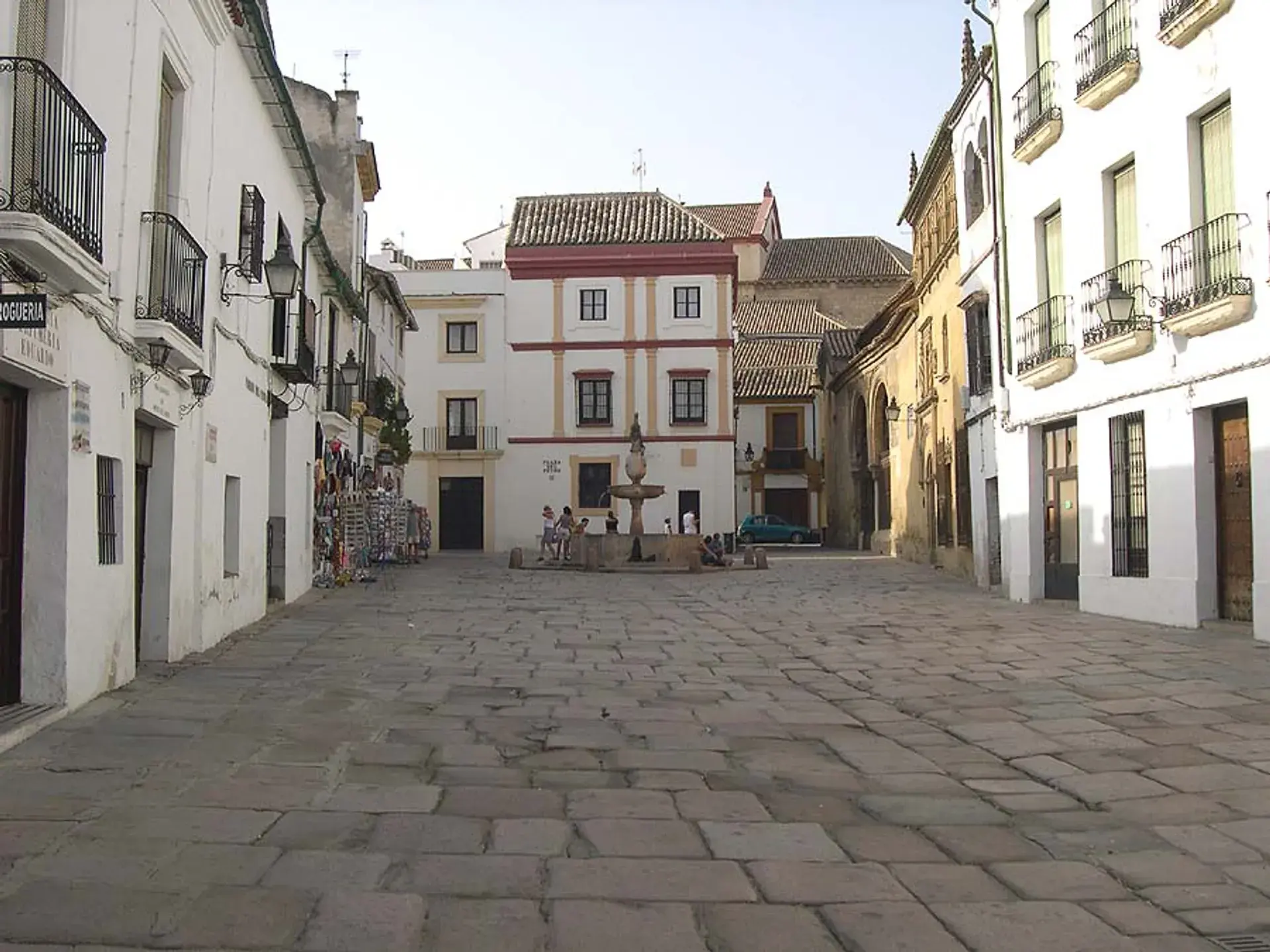
Calleja del Pañuelo culminates in a tranquil cul-de-sac plaza, considered by some to be one of the smallest squares in the world. This intimate space offers a retreat from the city's bustle, featuring the gentle sound of an Arab-style fountain and the scent of orange blossoms in the spring. The plaza also contains an Arab-origin well and the remains of an ancient column.
In 1953, under the direction of Mayor Antonio Cruz-Conde, the alley was paved and modernized with the installation of lamps, flower beds, and the fountain that now serves as the plaza's centerpiece. Today, the whitewashed walls adorned with colorful flowers make it a favorite spot for photography, while some adjacent houses still belong to the Cathedral Chapter (Cabildo).
FAQ
Why is it called Handkerchief Alley?
Its popular name, Calleja del Pañuelo (Handkerchief Alley), comes from the legend that its narrowest point, about 50 centimeters, is the same width as a gentleman's handkerchief.
How narrow is Calleja del Pañuelo?
The alley's width varies, but its tightest point measures approximately 50 centimeters (about 1.6 feet), making it the narrowest street in Córdoba.
What is at the end of Calleja del Pañuelo?
The alley opens into a small cul-de-sac plaza, considered one of the world's smallest. It features an Arab-style fountain, orange trees, an ancient well, and the remains of a column.
What is the official name of Handkerchief Alley?
The official name is Calle de Pedro Jiménez, honoring a soldier believed to have introduced the Pedro Ximénez grape variety to Andalusia. Grapevines of this variety can still be found growing in the alley.