Judería de Córdoba: Historic Jewish Quarter of Córdoba
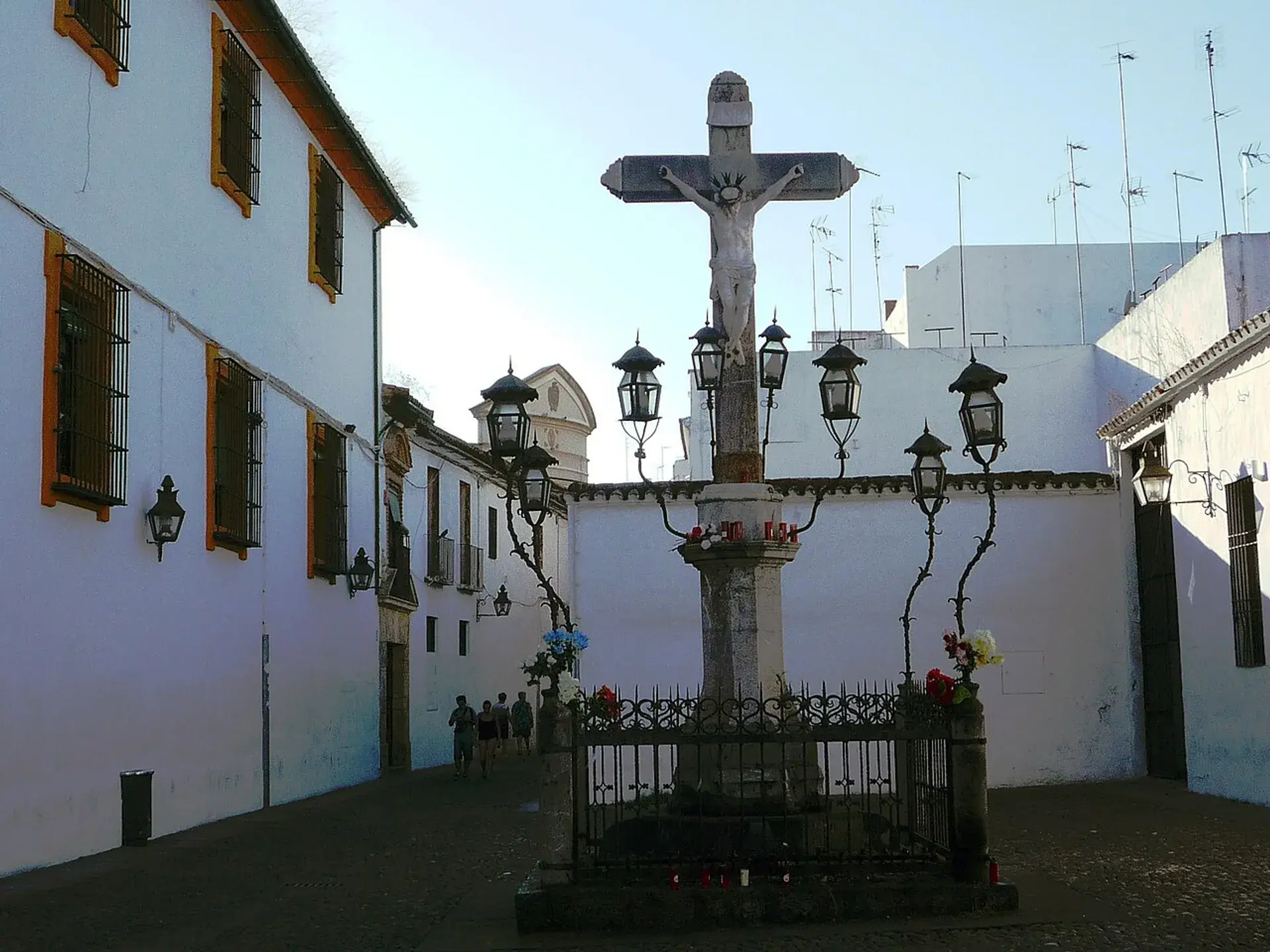
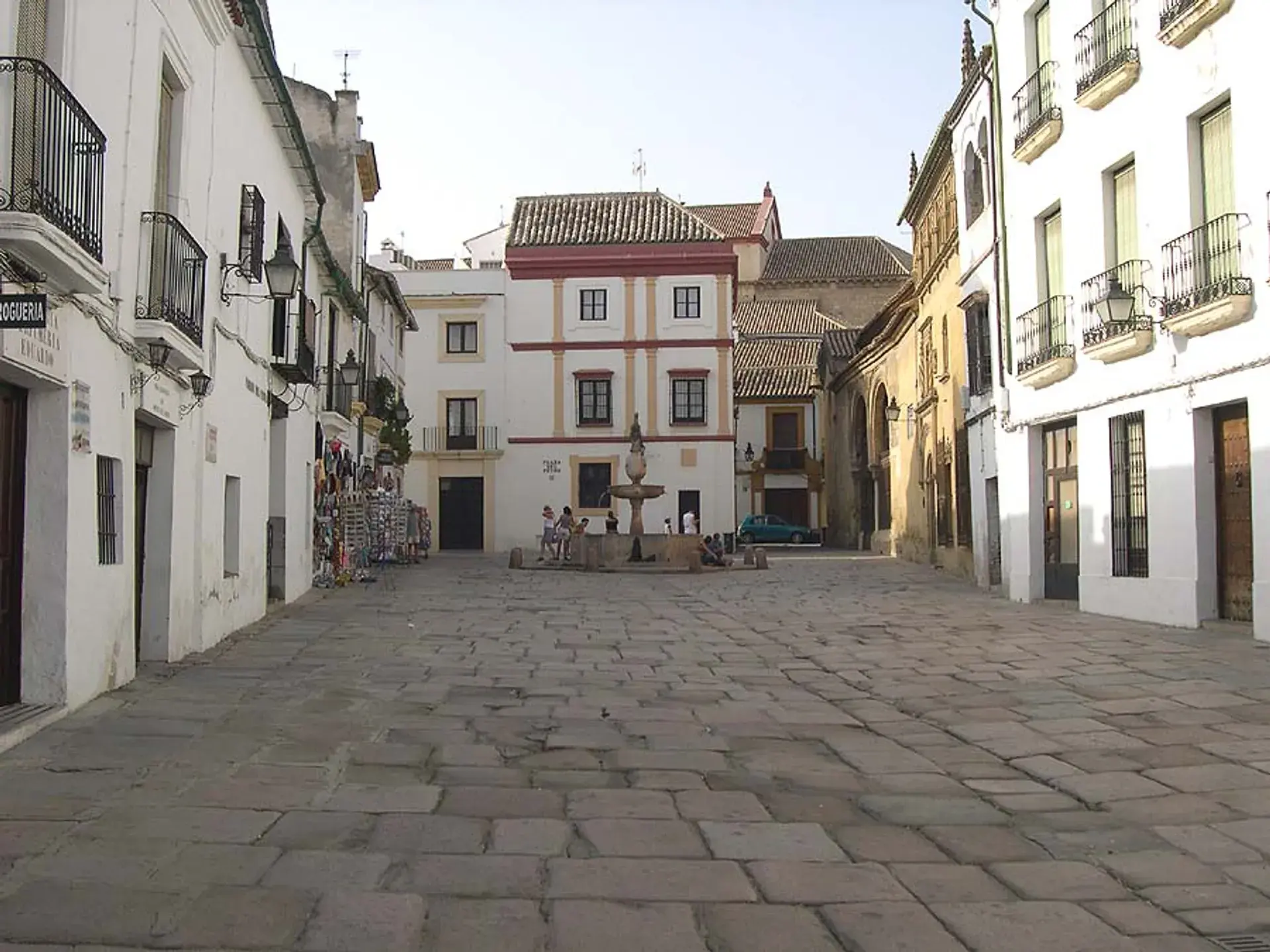
The Judería de Córdoba, the city's old Jewish quarter, is a historic neighborhood and a designated UNESCO World Heritage Site since 1994. Its labyrinth of narrow, winding streets, whitewashed walls, and flower-filled patios evokes the rich history of the Jewish communities that lived here between the 10th and 15th centuries. The area's distinctive layout is a legacy of Islamic urban planning, designed to provide shade from the intense summer heat.
A History of Flourishing and Persecution
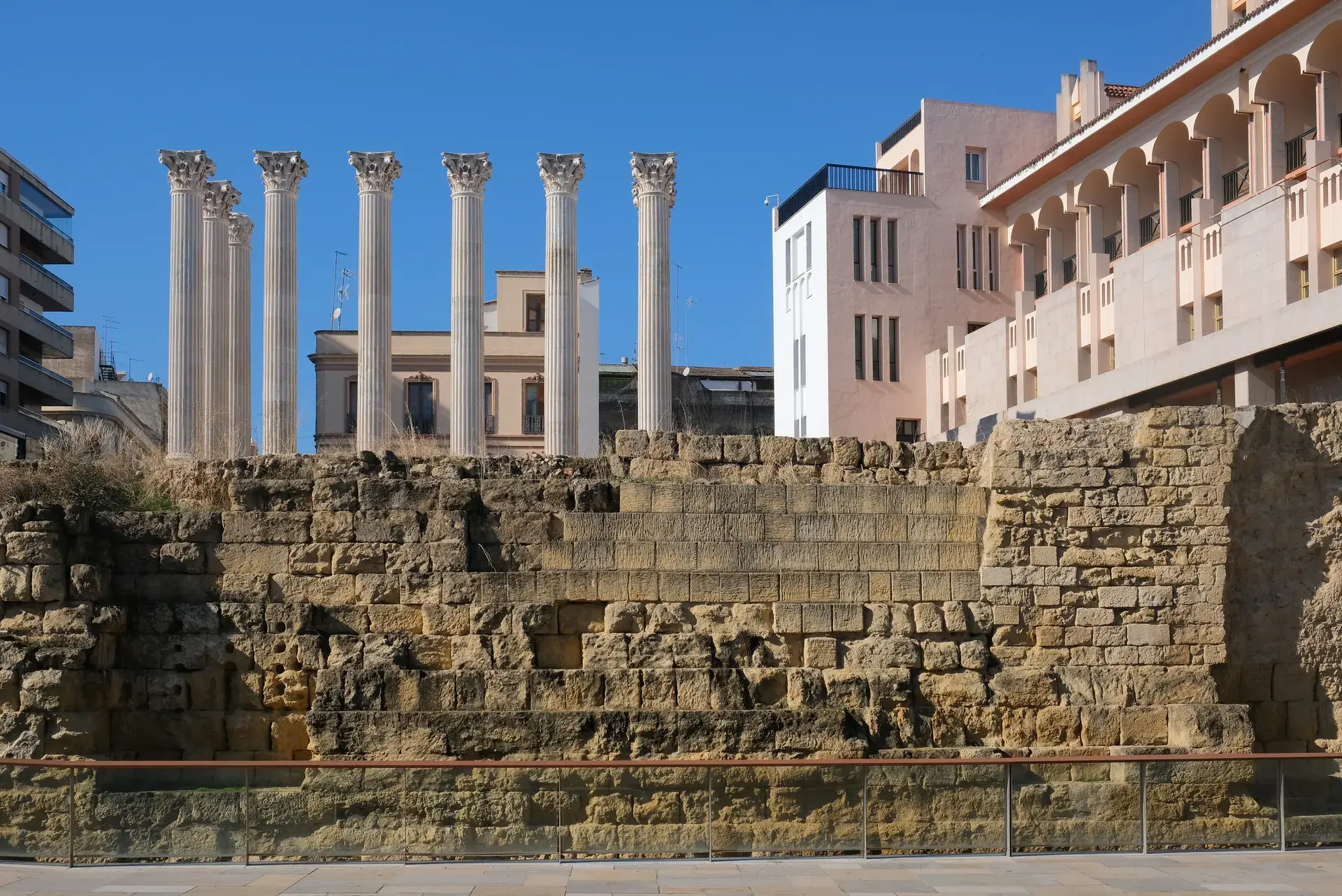
The Jewish presence in Córdoba dates back to Roman times, but it was during the Islamic period, under the Caliphate of Córdoba, that the community experienced a golden age. The Judería became a major intellectual and cultural center in Al-Andalus, producing influential figures like the minister Hasday ben Shaprut and the renowned philosopher and physician Maimonides, who was born here in 1135.
This period of 'convivencia' (coexistence) was not without turmoil. The Almohad invasion in 1148 forced many, including Maimonides' family, to flee. Following the Christian reconquest by Ferdinand III in 1236, Jews were allowed to resettle within the city walls, and King Alfonso X officially established the boundaries of the Jewish Quarter in 1272. However, the community faced increasing persecution, including violent riots in 1391 and 1473, which culminated in the Edict of Granada in 1492, mandating the final expulsion of all Jews from Spain.
The Córdoba Synagogue: A Resilient Landmark
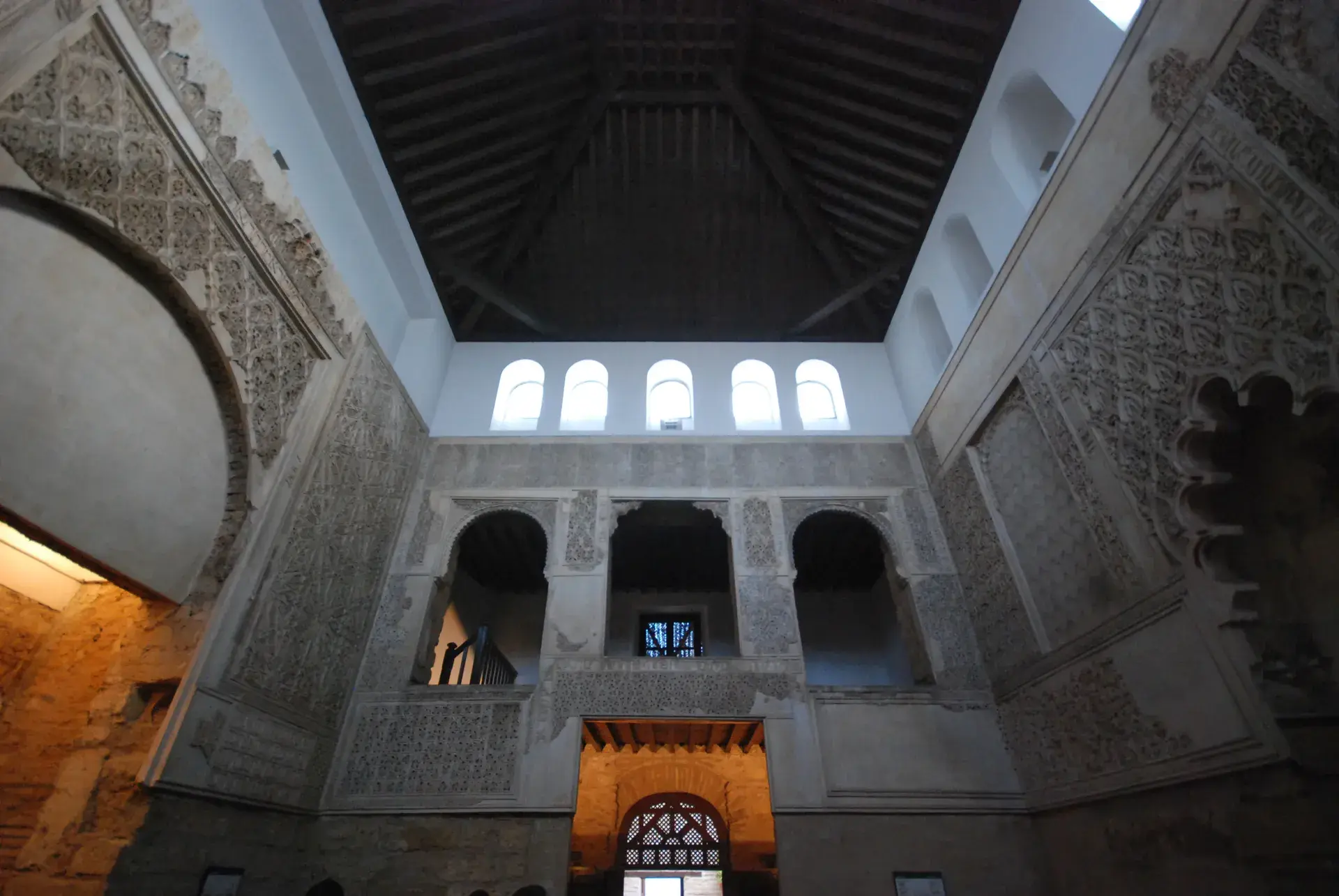
At the heart of the Judería stands the Córdoba Synagogue, a key landmark completed in 1315. Built by Isaac Makheb in the exquisite Mudéjar style, it served as a place of worship for over 170 years. After the 1492 expulsion, the building's sacred purpose was erased for centuries. It was converted into a hospital for rabies patients, then a chapel for the shoemakers' guild, and even a nursery school.
Its beautiful original decorations remained hidden under layers of plaster and paint until 1884. In a dramatic turn of events, a powerful storm caused the outer layers to peel away, revealing the intricate stucco work beneath. Today, the Synagogue functions as a museum, preserving its unique architecture and telling the story of its past.
The Judería Today
Modern-day Judería is a vibrant, largely pedestrianized area that attracts visitors from around the world. The narrow, cobbled streets are lined with souvenir shops, restaurants, and local businesses. While it is a major tourist destination, locals continue to live and work in the quarter, making it a living part of the city.
Points of interest include the Casa de Sefarad, a museum dedicated to Sephardic culture and history, and the exceptionally narrow Calleja del Pañuelo (Handkerchief Alley), so named because it is said to be as wide as a handkerchief. Local legends also speak of secret tunnels beneath the streets, rumored to have been escape routes during times of persecution.
FAQ
When was the Jewish community expelled from Córdoba?
The final expulsion of Jews from Spain, including Córdoba, was mandated by the Edict of Granada in 1492, issued by Ferdinand and Isabella. The community had also faced earlier periods of persecution and violent riots in 1391 and 1473.
Who was Maimonides?
Maimonides was an influential Jewish philosopher and physician born in Córdoba in 1135. He is known for major theological and philosophical works like 'Guide for the Perplexed'. His family was forced to flee the city in 1148 during the Almohad invasion.
What is the Córdoba Synagogue used for today?
After being used as a hospital, chapel, and school for centuries, the Córdoba Synagogue now functions as a museum. It preserves its historical and architectural significance as a rare example of a medieval Spanish synagogue.
Why are the streets in the Judería de Córdoba so narrow?
The narrow, winding streets are a legacy of Islamic urban planning. This design was intentionally created to provide maximum shade from the intense summer sun, creating a cooler microclimate within the quarter's alleys.