Mosque-Cathedral of Córdoba: Architectural Masterpiece
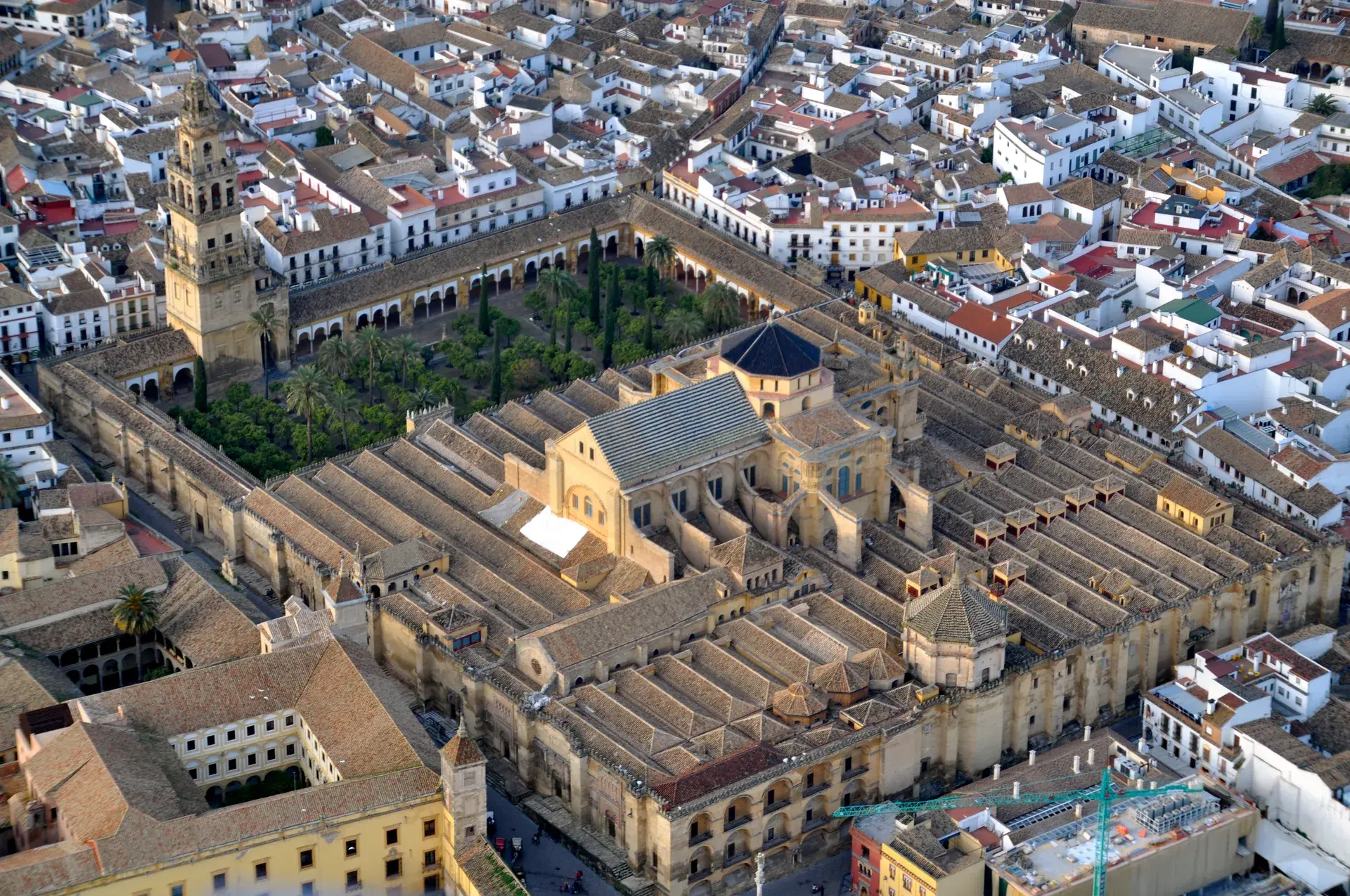
The Mosque-Cathedral of Córdoba, officially the Cathedral of Our Lady of the Assumption, stands as a monumental testament to the city's layered history. This UNESCO World Heritage site is a breathtaking architectural hybrid, a Christian cathedral built within the heart of a grand Islamic mosque, embodying centuries of cultural and religious evolution.
A Layered History
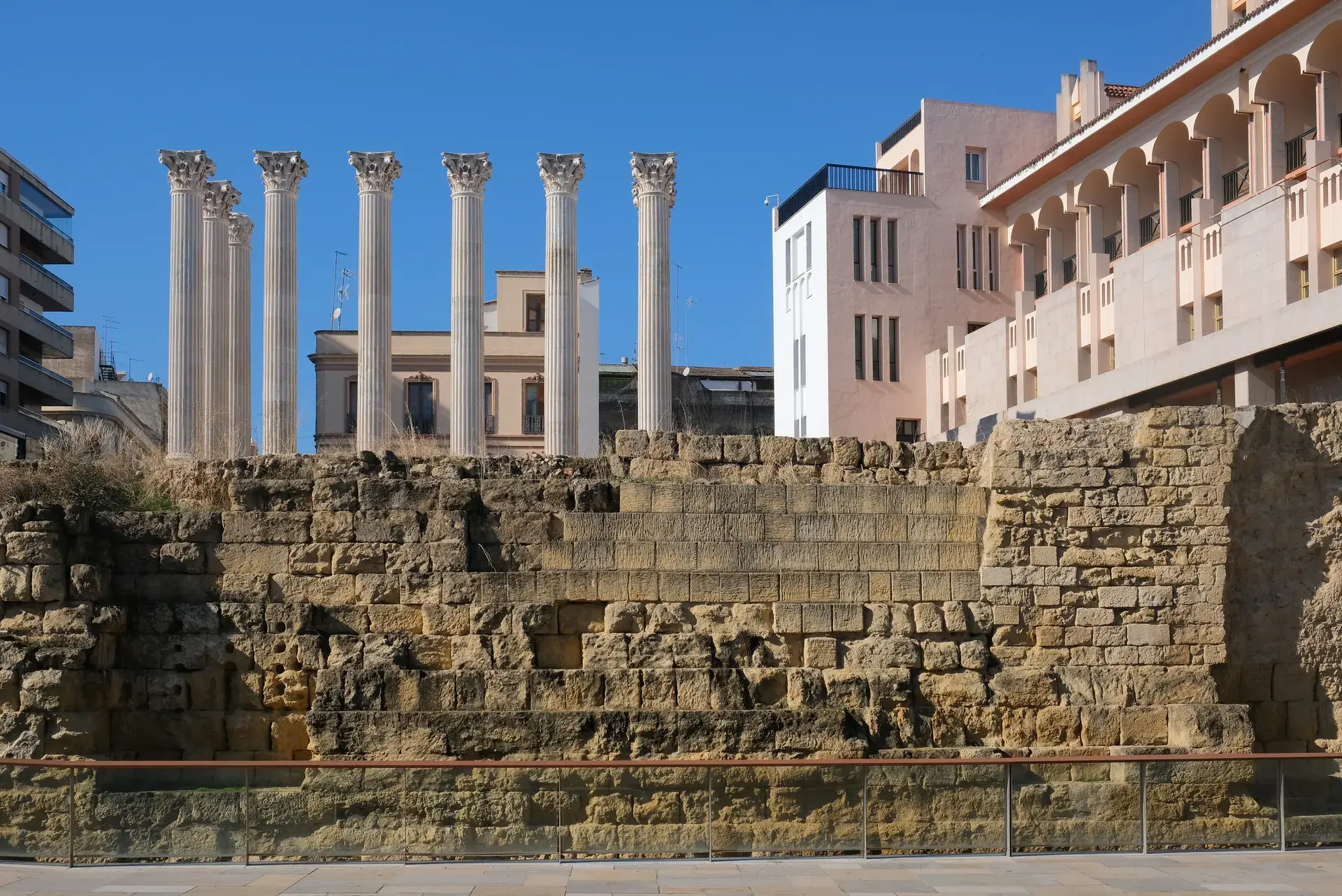
The ground on which the monument stands has a deep past, believed to have first hosted a Roman temple to Janus and later a Visigothic Christian basilica of Saint Vincent of Saragossa. After the Umayyad conquest, the basilica was initially shared by both Christians and Muslims. As the Muslim community expanded, Emir Abd al-Rahman I acquired the full site and began construction of the Great Mosque in 785 CE, aiming to create a structure that would rival the splendors of Damascus.
The Great Mosque of Al-Andalus
Under a series of Umayyad rulers, the Great Mosque underwent significant expansions. Abd al-Rahman II enlarged it, Abd al-Rahman III added a new minaret in 958 CE, and Almanzor conducted the final major expansion in the late 10th century. The caliph Al-Hakam II was responsible for the creation of the stunningly ornate mihrab (prayer niche) and the maqsurah (an enclosure for the ruler).
The mosque's most iconic feature is its vast hypostyle hall, a forest of 856 columns made from recycled Roman and Visigothic marble, jasper, and onyx. In a curious architectural decision, the mihrab does not face southeast towards Mecca, but due south. This was a deliberate choice, possibly to echo the orientation of the Great Mosque of Damascus, the Umayyad's former capital, rather than a navigational error.
Conversion to a Cathedral
Following the Reconquista, King Ferdinand III of Castile captured Córdoba in 1236 and consecrated the mosque as a Catholic cathedral dedicated to the Virgin Mary. Initial changes were minor, preserving much of the Islamic structure. However, the 16th century brought a dramatic and controversial alteration: the insertion of a soaring Renaissance cathedral nave and transept directly into the center of the building. The project, overseen by architects like Hernán Ruiz I, II, and III, was permitted by King Charles I, who later reportedly lamented the decision, stating, “They have taken something unique in all the world and destroyed it to build something commonplace.”
Architectural Fusion and Curiosities
Today, the building is an extraordinary palimpsest of architectural styles, including Umayyad, Gothic, Renaissance, Baroque, and Mudéjar. The current bell tower, remodeled in the Renaissance style, encases the original 10th-century minaret. Visitors can find other intriguing details, such as a starfish fossil embedded in one of the walls near the old Sabat's gate, which legend says brings blessings when touched. Another column, known as the 'Column from Hell,' is said to emit a distinct smell, a phenomenon attributed to a chemical reaction between its mineral composition and coins.
The Monument Today
The Mosque-Cathedral currently serves as the active cathedral for the Roman Catholic Diocese of Córdoba, with daily Mass celebrated amidst the Islamic arches. It is one of Spain's most significant tourist attractions, drawing around 1.5 million visitors annually. The building's dual identity continues to provoke conversations about heritage, control, and coexistence, with many locals still referring to the structure simply as 'la Mezquita' (the mosque).
FAQ
Why is it called the Mosque-Cathedral of Córdoba?
It was originally constructed as the Great Mosque of Córdoba starting in 785 CE. After the Reconquista in 1236, it was converted into a Catholic cathedral, but it retains its iconic Islamic architecture, leading to its hybrid name.
What is the main architectural style of the Mosque-Cathedral?
The building is a unique blend of styles. Its primary structure is Umayyad Islamic architecture, characterized by its hypostyle hall of columns. A large Renaissance cathedral nave and transept were inserted into its center in the 16th century, and it also features Gothic, Baroque, and Mudéjar elements.
Does the Mosque-Cathedral's mihrab face Mecca?
No. In a departure from tradition, the mihrab is oriented south. This is believed to have been a deliberate choice to align with the orientation of the Great Mosque of Damascus, rather than an error in calculating the direction of Mecca (southeast from Córdoba).
Is the Mosque-Cathedral of Córdoba still a functioning church?
Yes, it currently functions as the cathedral of the Roman Catholic Diocese of Córdoba. Daily Mass is celebrated within the building.