Rascacielos de Cuenca: Medieval Cliffside High-Rises
The Medieval Skyscrapers of Cuenca
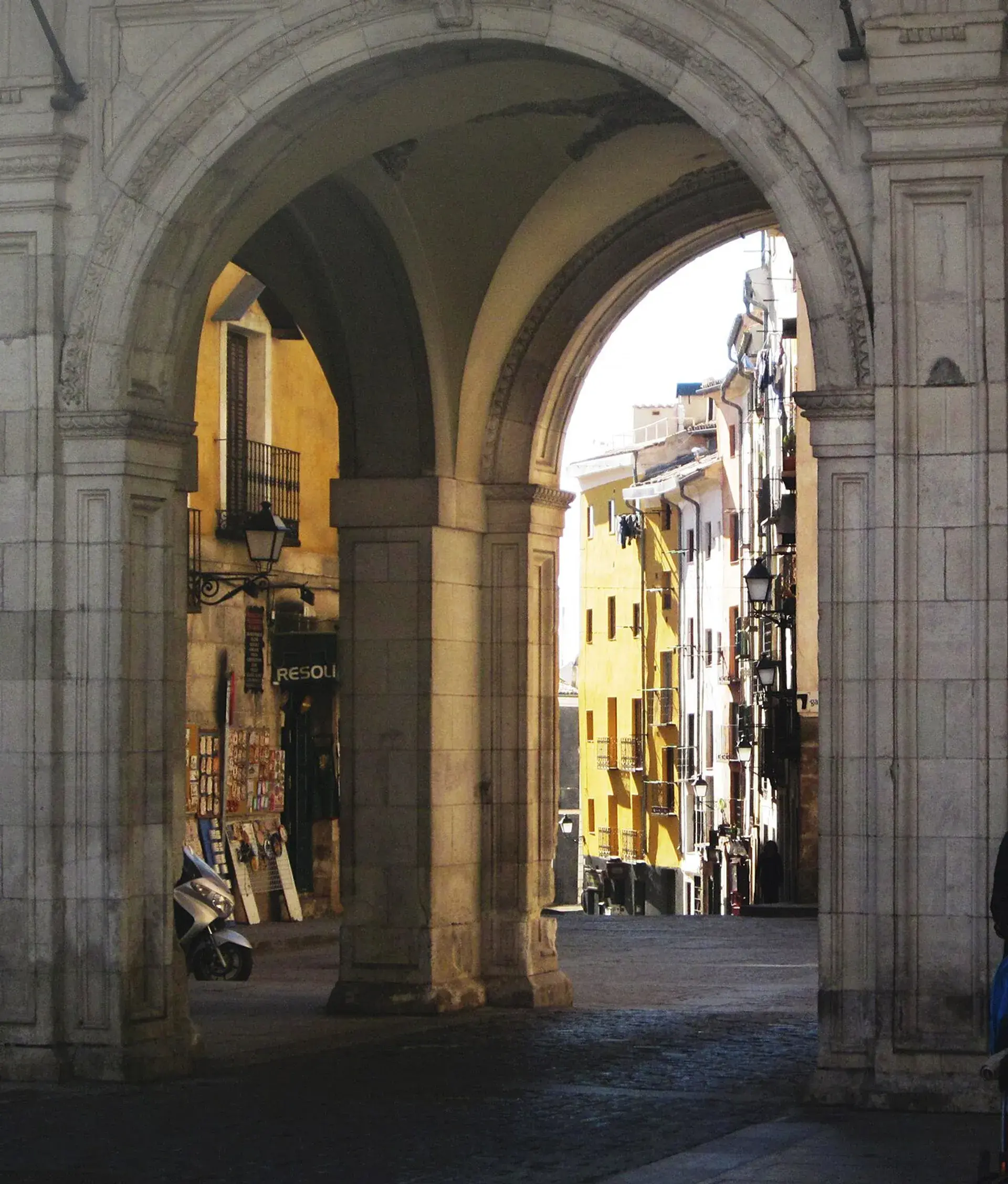
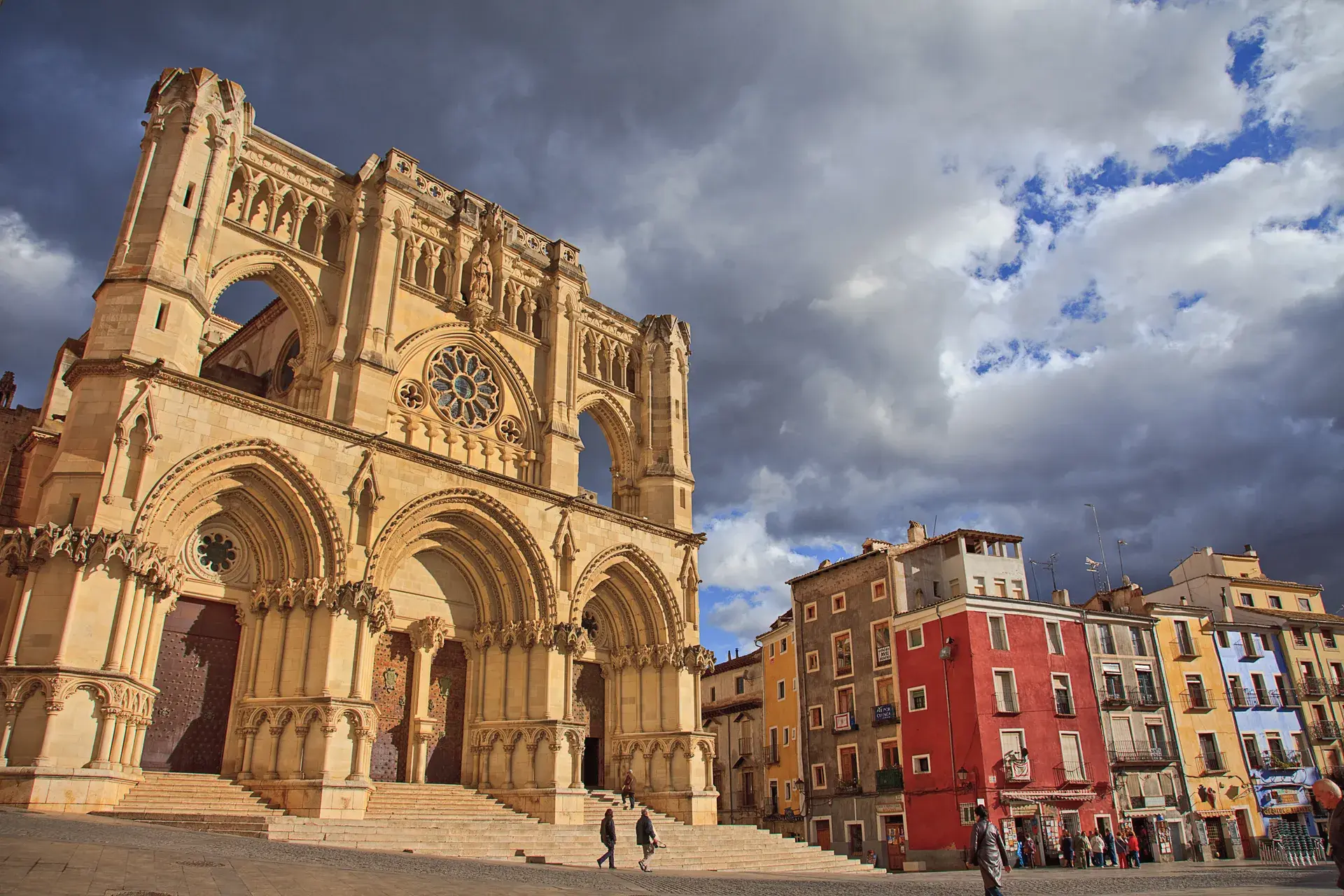
Ascending through the historic upper quarter (Ciudad Alta) of Cuenca, Calle Alfonso VIII serves as the main spine connecting the lower town near Calle Palafox with the Plaza Mayor and the Cathedral. The multi-tiered structures lining the southern and eastern edge of this thoroughfare, bordering the Barrio de San Martín, are celebrated as some of Europe’s earliest high-rise residential buildings. Known collectively as the rascacielos de San Martín or the Rascacielos de Cuenca, these buildings showcase an extraordinary architectural response to rugged geography.
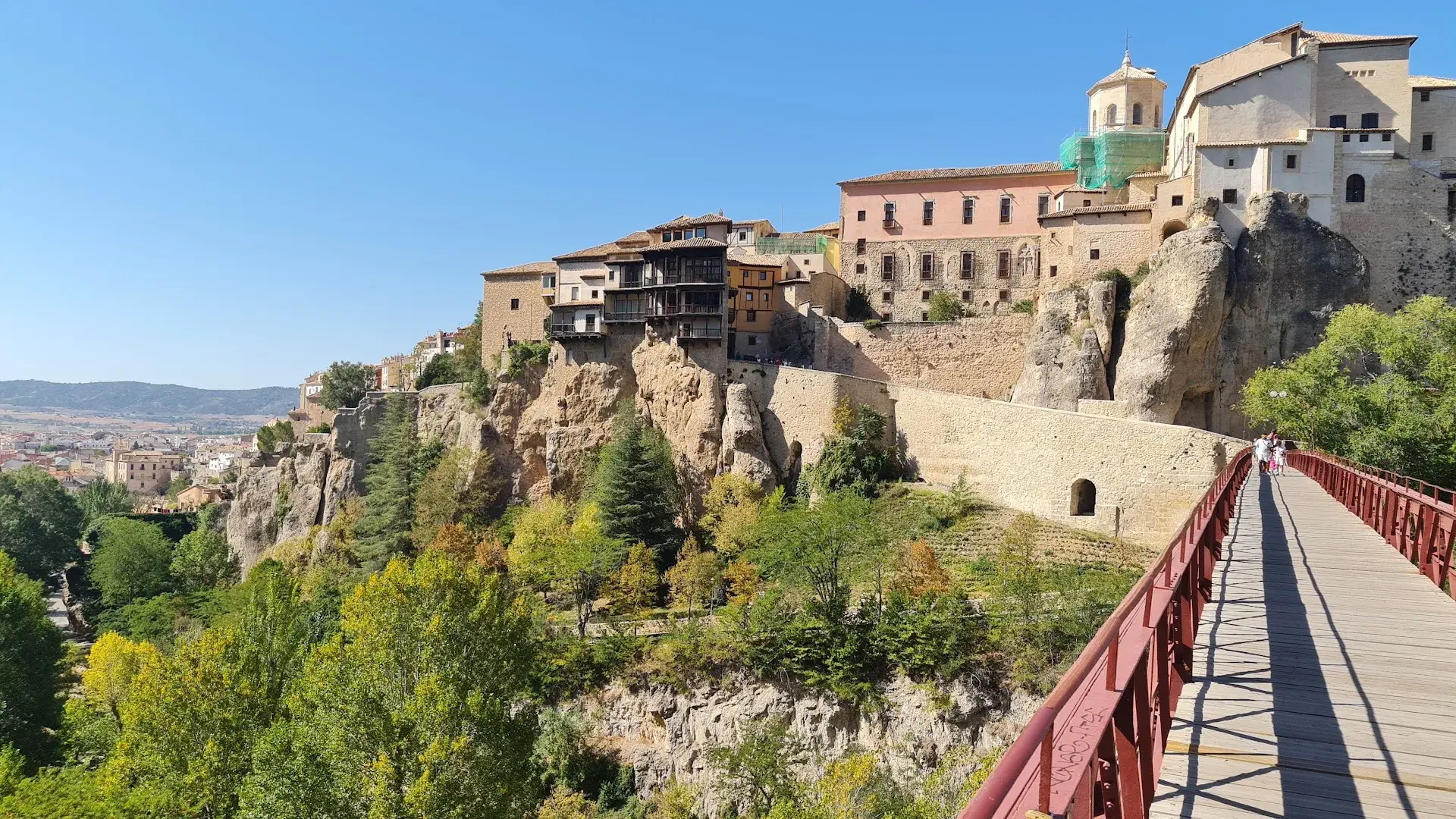
From the street, the buildings appear modest, presenting colorful facades rising only three to four storeys above the pavement. Behind these front doors, however, the structures anchor directly into the vertical limestone rock face of the Huécar River Gorge (Hoz del Huécar). When viewed from the ravine below, the true scale of the architecture becomes visible, descending the cliff face to reach total heights of between 9 and 12 storeys.
Origins of Cliffside Verticality
Following the conquest of Muslim Kuvenka by King Alfonso VIII in September 1177, the settlement expanded rapidly along its narrow ridgetop. Hemmed in on both sides by the deep chasms carved by the Júcar and Huécar rivers, outward urban growth was geographically impossible. During the 15th and 16th centuries, local builders resolved this severe space shortage by constructing downward directly over the cliff edge, pioneering multi-family vertical dwellings.
Over the centuries, the street evolved alongside the city’s civic life. Prior to receiving its royal dedication to Alfonso VIII, the route was known as Calle de Correduría due to its concentration of commerce and merchants. Later, it was called Calle de la Cárcel, as it housed both the municipal prison and the administrative seat of the local magistrate, or Corregidor.
The "Hell-Scrapers" and Subterranean Entrances
Because the bulk of their vertical mass plunges downward into the gorge rather than ascending into the open sky, locals historically bestowed these buildings with the paradoxical nickname rascainfiernos ("hell-scrapers").
This inverse construction created unique interior configurations. Inside the entry portals along Calle Alfonso VIII, foyers commonly split into two separate staircases: one climbing upward to the street-level upper floors, and an opposing staircase dropping deep into the cliff-clinging subterranean apartments below. The unusual vertical alignment once surprised the writer Pío Baroja, who observed donkeys gazing out of fifth- and sixth-floor balconies overlooking the Huécar ravine; the animals were simply housed in street-level stables that aligned with the upper storeys of the gorge-facing structures.
The Túnel de Alfonso VIII
Cuenca’s vertical ingenuity extends beneath the cobblestones as well. Carved directly into the limestone bedrock below the street lies the Túnel de Alfonso VIII, an underground gallery measuring approximately 90 meters in length and covering 250 square meters.
During the Spanish Civil War (1936–1939), passive defense authorities converted the limestone cavity into an air-raid shelter for local residents. The shelter was engineered with angled entrances (en codo) specifically designed to deflect destructive bomb blasts and shrapnel. Following the war in the mid-20th century, the dark, damp conditions of the tunnel were repurposed to cultivate button mushrooms (champiñones). Today, the site forms part of the municipal Cuenca Subterránea network and is open to the public through guided and dramatized visits.
World Heritage and Modern Life
The vernacular architecture along Calle Alfonso VIII was central to Cuenca earning its designation as a UNESCO World Heritage site in 1996, cited for the seamless fusion of civil engineering with natural ravine topography. Today, the street functions as the primary vehicular, bus, and pedestrian artery leading into the upper historic core. The historic high-rises remain vibrant elements of the urban landscape, continuing to serve as private homes and hospitality venues perched over the Huécar abyss.
FAQ
Why were these buildings nicknamed "rascainfiernos"?
Locals historically referred to them as rascainfiernos ("hell-scrapers") because, unlike traditional skyscrapers that rise into the sky, these structures plunge downward into the depths of the river gorge.
How many storeys do the Rascacielos de Cuenca have?
From Calle Alfonso VIII, the buildings appear to be only three to four storeys tall. However, because they are anchored into the cliff face of the Huécar Gorge, they reach a total height of 9 to 12 storeys when viewed from the valley below.
What was the Túnel de Alfonso VIII used for?
Carved beneath the street, the tunnel served as an air-raid shelter during the Spanish Civil War, featuring angled entrances to deflect blasts. In the mid-20th century, it was repurposed as an underground farm for button mushrooms before opening for public historical visits.