Museo Picasso Málaga: Art in a Renaissance Palace
History of the Palacio de Buenavista
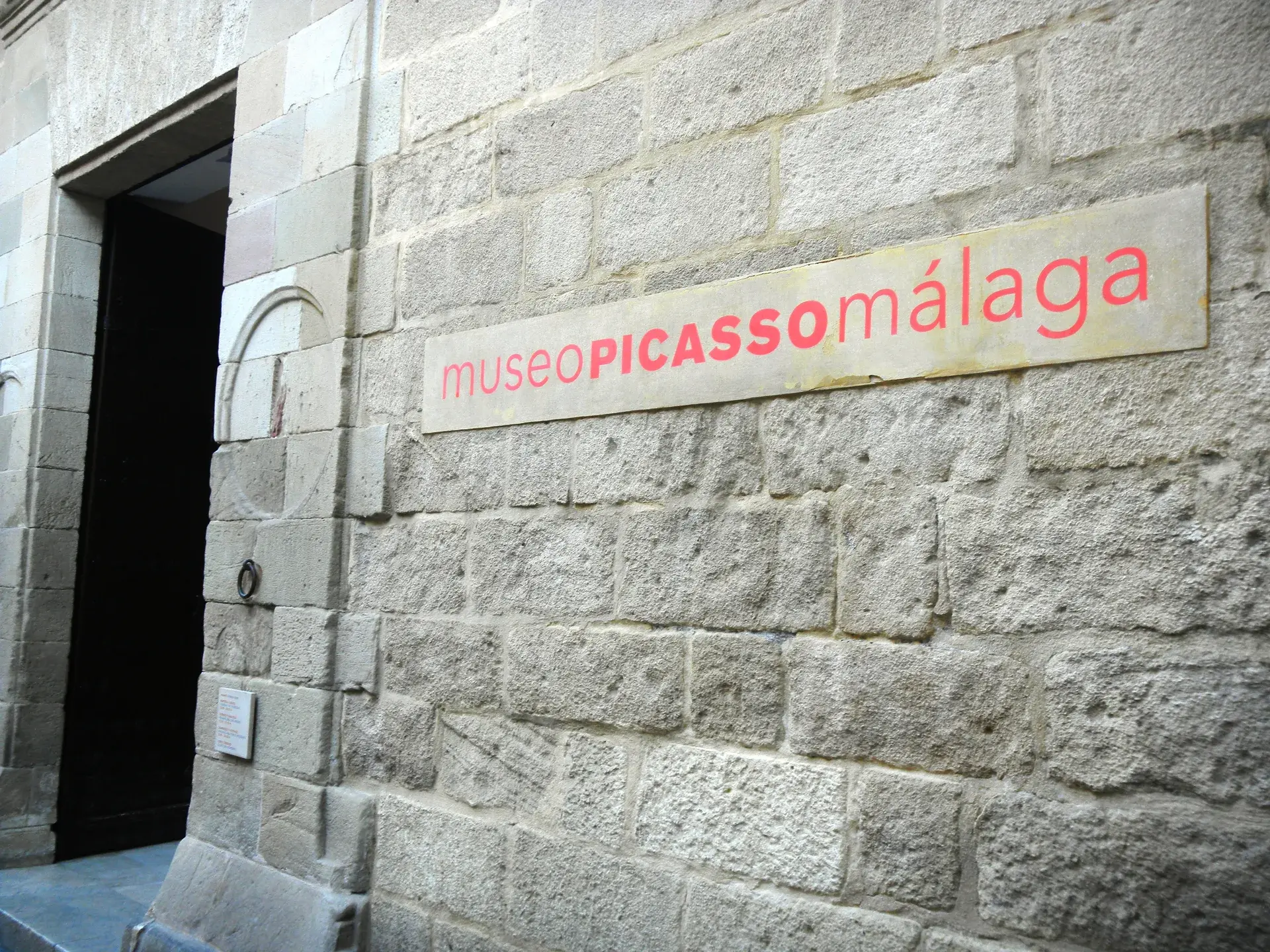
The Museo Picasso Málaga is housed within the Palacio de Buenavista on Calle San Agustín. The site originally held an Islamic grain warehouse (alhóndiga) and the remains of a Nasrid-era palace before the aristocratic residence was constructed between 1530 and 1540 by Diego de Cazalla, a royal accountant involved in the 1487 Catholic conquest of Málaga. Declared a National Monument in 1939, the mansion changed hands among several aristocratic lineages over the centuries, including the Counts of Mollina and the Counts of Buenavista.
By the late 19th and early 20th centuries, the building shifted away from private residential use, serving as an educational academy, a furniture workshop, and later as a Red Cross hospital in 1938 during the Spanish Civil War. In 1946, the Spanish state leased the property, eventually opening it as the Museo de Bellas Artes from 1961 until 1997, when preparations began to transition the site into a dedicated home for Picasso's artwork.
Architecture and Archaeological Discoveries
The palace represents Andalusian Renaissance civil architecture, incorporating Plateresque stonework, Mudéjar structural woodwork, and an arcaded central courtyard constructed of light sandstone with double-tiered Renaissance colonnades. A Mudéjar-style watchtower with lowered arches rises above the complex, originally built to monitor merchant and naval vessels approaching the city's port.
Between 1997 and 2003, architects Richard Gluckman, Isabel Cámara, and Rafael Martín Delgado restored the main palace and integrated 18 adjacent properties. During this remodeling, structural excavations uncovered ancient layers directly below the foundations. These ruins were preserved in situ within a subterranean gallery beneath the ground floor, visible through glass viewing sections. The preserved archaeological features include Phoenician defensive walls from the 7th to 6th centuries BC, Roman tanks once used to ferment garum fish sauce, and medieval Moorish walls.
Picasso's Legacy and the Collection
Pablo Picasso initially discussed creating an exhibition space in his birth city in 1953 with fine arts delegate Juan Temboury. Although that plan did not come to fruition at the time, major exhibitions in Málaga during the early 1990s revived the initiative. Picasso's daughter-in-law, Christine Ruiz-Picasso, and grandson, Bernard Ruiz-Picasso, spearheaded the museum project, providing essential bequests and foundational loans.
The museum was officially inaugurated on October 27, 2003, by King Juan Carlos I and Queen Sofía of Spain. Unlike collections assembled through commercial acquisitions, a notable portion of the Málaga holdings consists of personal gifts the artist gave directly to his family. This origin provides a distinctive concentration of informal sketches, intimate portraits, and domestic ceramics. The museum exhibits rotating chronological and thematic presentations of Picasso's work across sculpture, painting, drawing, and graphic arts, complemented by temporary exhibitions, an auditorium, a library, and an educational center.
FAQ
When did the Museo Picasso Málaga officially open?
The museum officially opened on October 27, 2003, following an inauguration by King Juan Carlos I and Queen Sofía of Spain.
What archaeological ruins are visible beneath the museum?
Beneath the palace foundations, an in situ subterranean gallery preserves Phoenician defensive walls from the 7th to 6th centuries BC, Roman industrial tanks used to make garum fish sauce, and Moorish walls.
What is unique about the museum's permanent art collection?
A significant portion of the collection consists of personal gifts Pablo Picasso presented directly to his wife and children, featuring intimate family portraits, sketches, and domestic ceramics.
What was the Palacio de Buenavista used for before becoming the Picasso Museum?
After serving as a noble residence, the building housed an educational academy, a furniture workshop, a 1938 Red Cross hospital, and the Museo de Bellas Artes from 1961 to 1997.