Plaza de Toros de Pamplona: History & Encierro Guide
The Finish Line of the Running of the Bulls
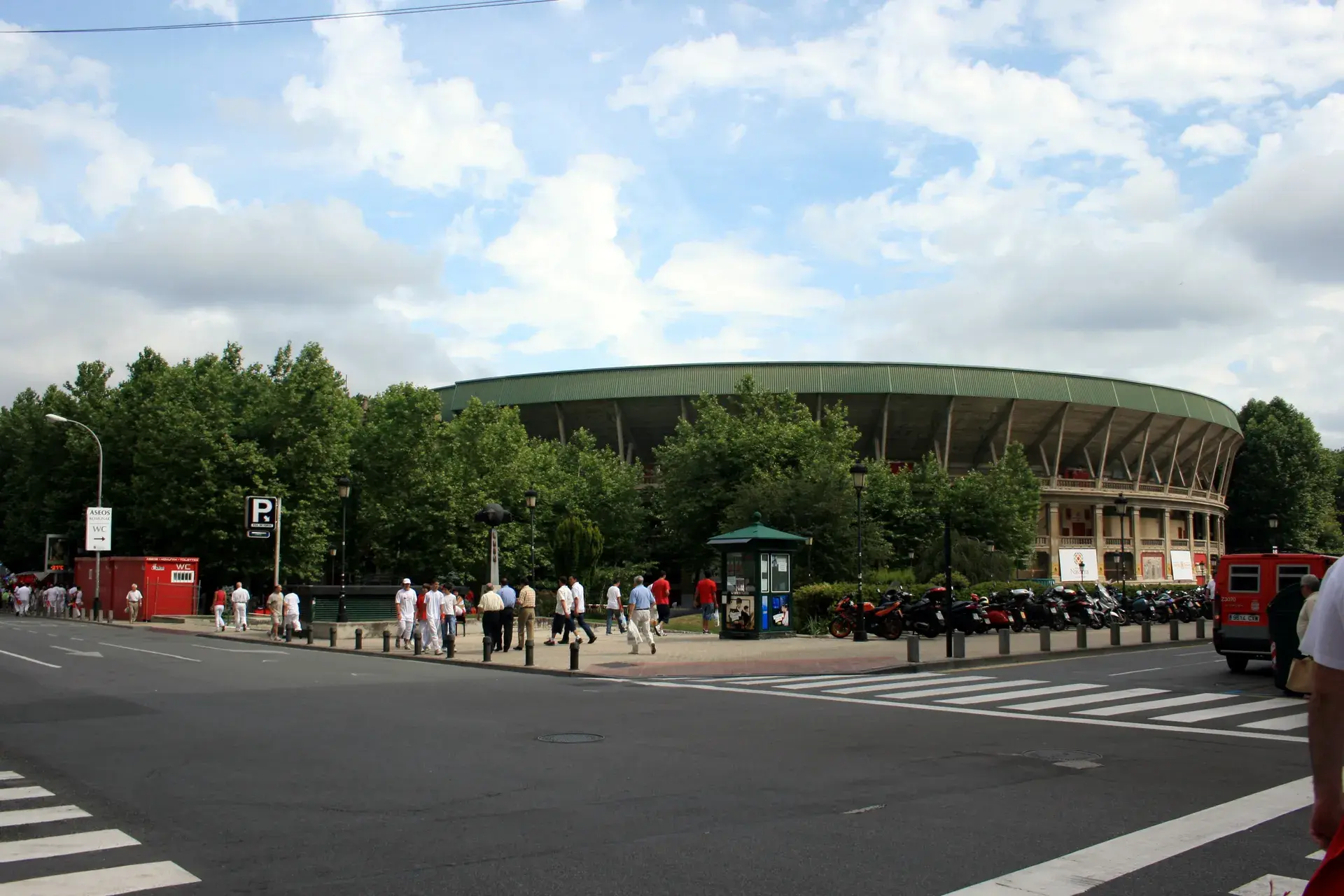
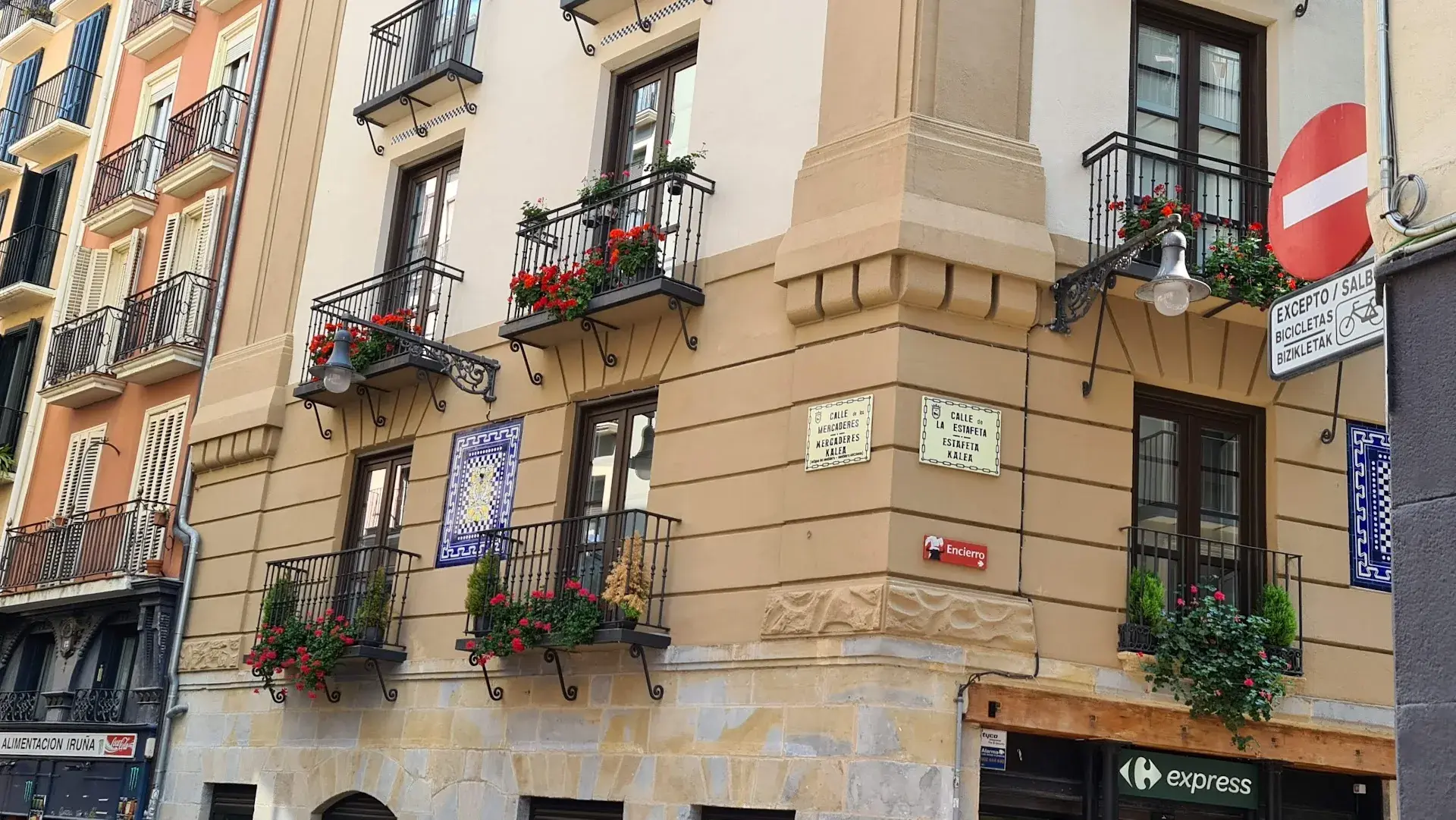
The Plaza de Toros Monumental de Pamplona sits at the southeastern edge of the city's historic center along Paseo de Hemingway. The arena serves as the finish line of the morning encierro (running of the bulls) held during the annual festival of San Fermín. It represents the culmination of an 848.6-meter route that begins at the slope of Santo Domingo, crosses the Plaza Consistorial, and continues through the length of Calle Estafeta.
During the festival, held each year from July 7 to 14, runners and the herd of fighting bulls charge through the arena's access tunnel each morning, followed by the release of heifers (vaquillas) into the ring. In the afternoons, the venue hosts the formal bullfights of the Feria del Toro.
Architecture and Expansion: From Urcola to Moneo
Pamplona's earliest bullfights were held in the open expanse of the Plaza del Castillo before a dedicated bullring was erected in 1852 near the Teatro Gayarre. Urban growth and larger crowds prompted the construction of a permanent, larger arena designed by architect Francisco Urcola. The Plaza de Toros opened on July 7, 1922, with an initial capacity of approximately 13,600 spectators.
In 1965, an architectural competition was held to increase seating capacity without tearing down Urcola's original structure. The commission was awarded to a young Rafael Moneo, who collaborated with structural engineer Carlos Fernández Casado. Completed in 1967, their addition of a modern concrete upper tier was one of Moneo's earliest major public commissions—decades before he received the Pritzker Architecture Prize. The expansion enlarged capacity to between 19,500 and 19,720 seats, making it one of the largest bullrings in the world.
The Callejón and Arena Safety Innovations
The final approach into the arena passes through the callejón, a narrow, descending passage. As participants navigate this corridor, they transition from dim confinement directly into open daylight, circular arena sand, and the roar of nearly 20,000 spectators.
The sudden bottleneck leading into the callejón historically created dangerous human pile-ups, known as montones, which could completely block the entrance while the herd approached from behind. To resolve these hazards, structural safety measures were added, including lateral escape recesses and small cat-flaps (gateras) set into the wooden barriers. These openings allow fallen participants to slide underneath and clear the path of the oncoming bulls.
Charitable Ownership and Year-Round Use
Beyond festival traditions, the facility holds a distinct place in civic history. In early 1939, during the closing stages of the Spanish Civil War, Francoist forces briefly repurposed the bullring as a concentration camp for Republican prisoners.
The property is owned and operated by the Casa de Misericordia de Pamplona, a charitable foundation established centuries ago and known locally as "La Meca." Revenue generated by the arena's events directly funds the foundation's residential care home for elderly residents.
Outside of festival week, the arena operates as a cultural site and a venue for civic events and open-air concerts. Audioguided and guided visits allow access to the arena floor, the bull pens (corrales), the stables, and a private chapel where bullfighters pray before entering the ring. Outside the structure on Paseo de Hemingway stands a granite monument bearing a bronze bust of Ernest Hemingway by sculptor Luis Sanguino, unveiled on July 6, 1968, in the presence of his widow, Mary Welsh.
FAQ
Who owns and operates the Plaza de Toros de Pamplona?
The arena is owned and operated by the Casa de Misericordia de Pamplona (known as 'La Meca'), a historic charitable foundation that uses event revenues to finance a residential care home for the elderly.
What is the spectator capacity of the Pamplona bullring?
Originally built for around 13,600 spectators in 1922, a 1967 concrete upper-tier expansion designed by Rafael Moneo and Carlos Fernández Casado brought its capacity to between 19,500 and 19,720 seats.
What are the gateras along the callejón entrance?
Gateras are safety cat-flaps built along the wooden barriers in the callejón tunnel, allowing fallen runners to slide underneath and clear the corridor to avoid dangerous human pile-ups (montones).
Can visitors tour the bullring outside the San Fermín festival?
Yes, guided and audioguided tours operate year-round, giving visitors access to the arena floor, bull pens (corrales), stables, and the private torero chapel.