Estafeta Curve: Pamplona's Iconic Bull Run Corner
The Decisive Turn of the Encierro
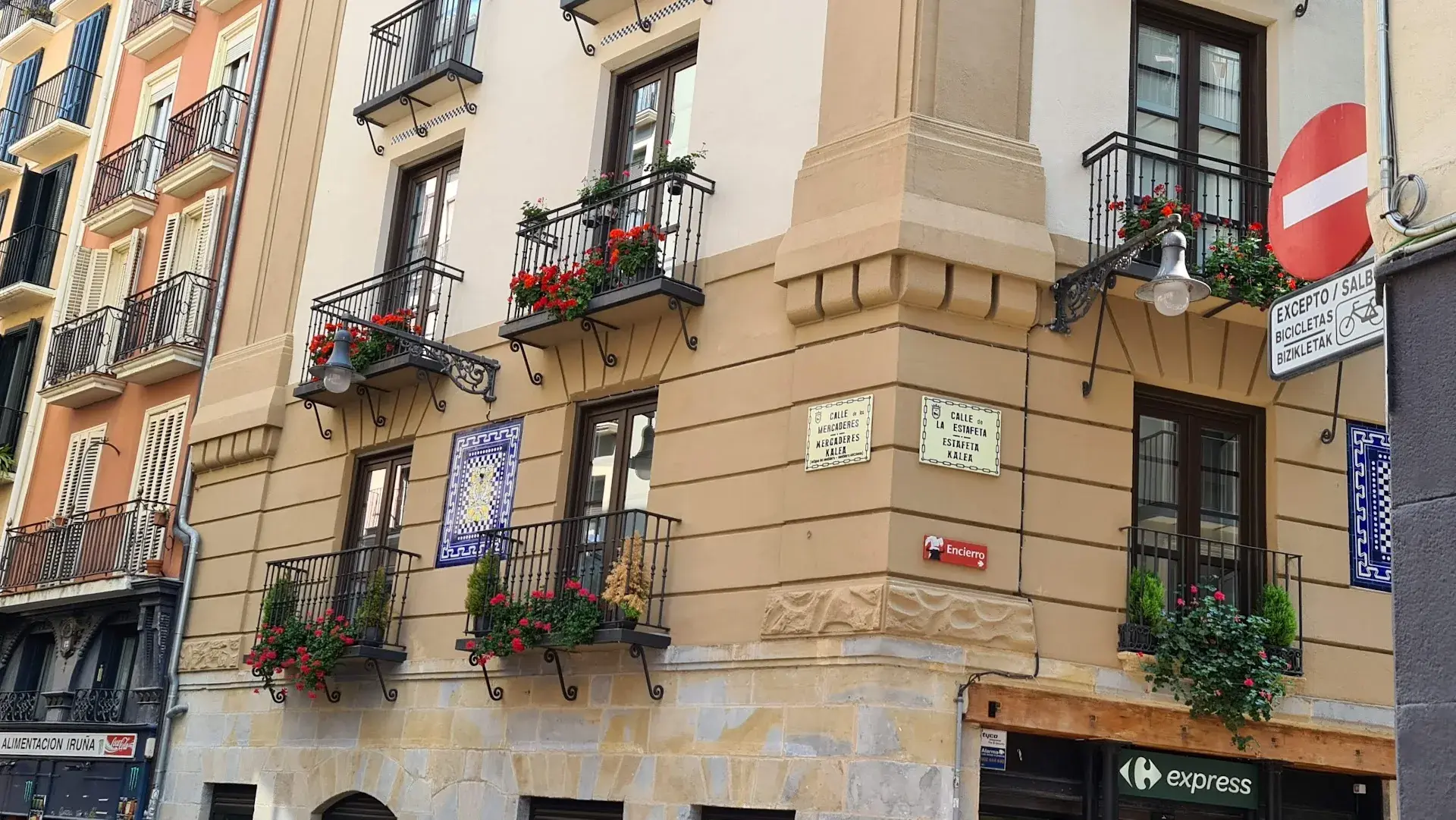
Known locally as the Curva de Mercaderes or Curva de la Estafeta, the Estafeta Curve is an abrupt, 90-degree right-angle turn situated in Pamplona's historic Casco Antiguo. Connecting Calle Mercaderes with Calle de la Estafeta, this bend sits roughly 380 meters into the 875-meter Encierro course. The herd encounters it immediately following a rapid downhill sprint from the Plaza Consistorial through Mercaderes.
Bulls approach the corner at speeds reaching 25 kilometers per hour. Because of their sheer inertia and centrifugal force, the animals naturally slide toward the outside wooden barricades and building facades on the left. This dynamic makes the corner the decisive moment of the entire run. If the herd navigates the turn compactly, the bulls proceed smoothly down Calle Estafeta, giving runners the chance to sprint before the horns. However, if a bull slips or crashes, it risks separating from the group. A loose bull (toro suelto) quickly becomes disoriented, erratic, and considerably more dangerous.
Strategy and the "Hamburger Wall"
The corner has been part of the city's bull-driving route since the late 18th and 19th centuries, when fighting bulls were first guided through town from corrals near the river up to the bullring. Over generations of violent collisions with the outer perimeter, foreign spectators and runners dubbed the spot "Hamburger Wall" or "Dead Man's Corner."
To navigate the dangers, veteran runners developed specialized tactics. Experienced runners, such as American Joe Distler, learned to wait inside recessed doorways along the bend, timing their step to slide in front of the bulls precisely as they pivoted. Local tradition advises runners to maintain the "inside line" tight along the right curb, staying clear of the outer radius where sliding cattle crash against the wall. The acoustic environment of the turn is distinct, as the roar of the crowd is pierced by the sharp clatter of steel-tipped hooves scraping across cobblestones while the animals attempt to balance.
The Science of the Cobblestones
Following decades of frequent pile-ups and severe injuries, the Pamplona City Council looked for an engineering solution. In 2005, officials tested a specialized chemical antislip treatment, formally adopting the procedure as an annual safety protocol beginning in 2006.
Each year in early July, municipal workers apply roughly 1,500 liters of the liquid across approximately 1,875 square meters of stone pavement between the Town Hall and the start of Calle Estafeta. Rather than laying down a sticky coating, the substance chemically reacts with silica in the cobblestones. This reaction unblocks microscopic pores that have been worn smooth by foot traffic and street sweepers, creating a suction-cup effect (efecto ventosa) beneath running shoes and bull hooves that dramatically improves traction and stabilizes the herd.
San Fermín Spectacle and Year-Round Rhythm
During the San Fermín festival from July 7 to July 14, the Encierro begins each morning at 8:00 AM, and the Estafeta Curve serves as the most photographed and televised section of the course. Balconies looking down onto the bend are rented out at high premiums to media networks and spectators. To prevent disputes, accredited photojournalists participate in a traditional playing-card lottery to allocate designated shooting perches on the overlooking balconies.
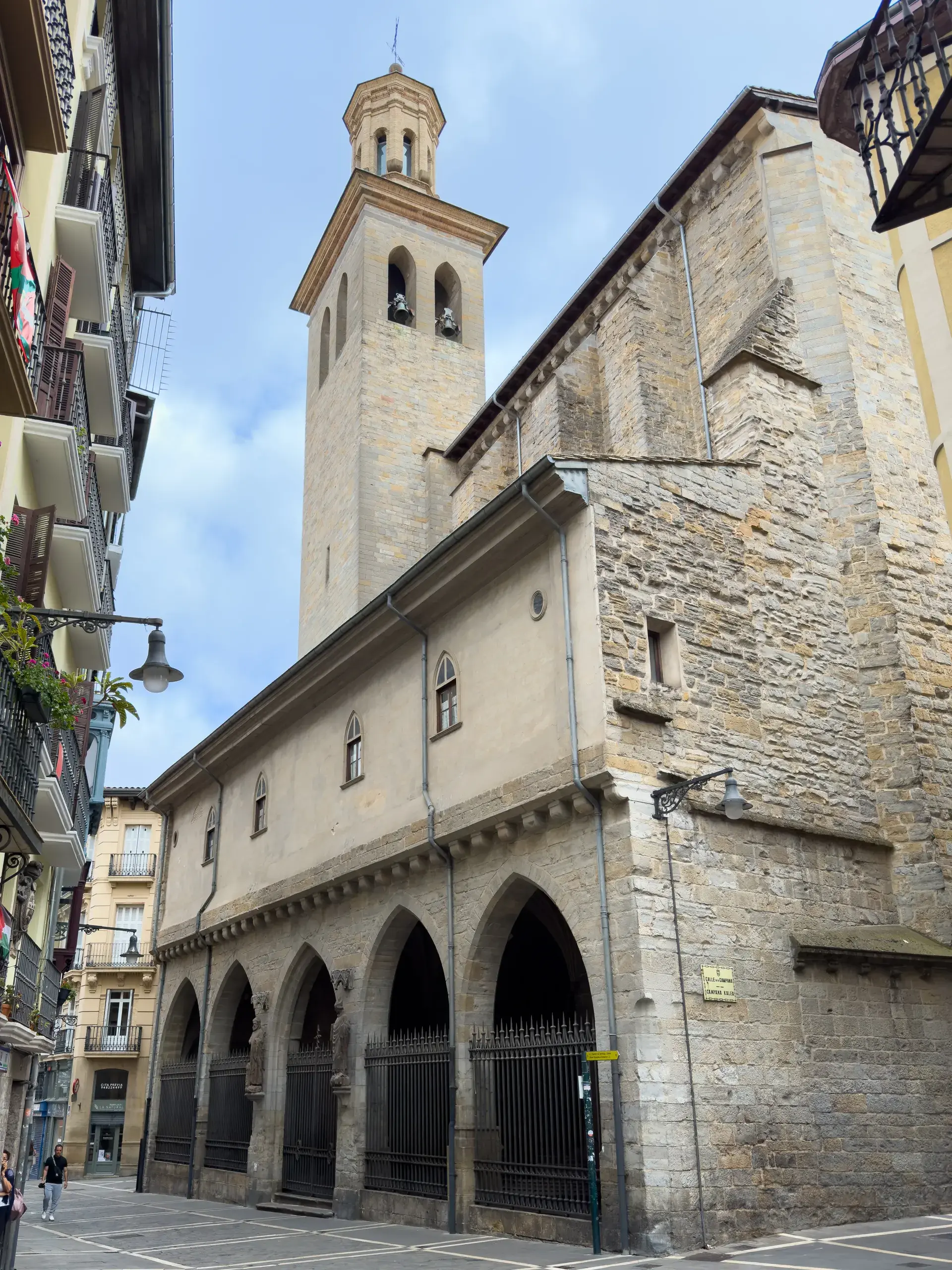
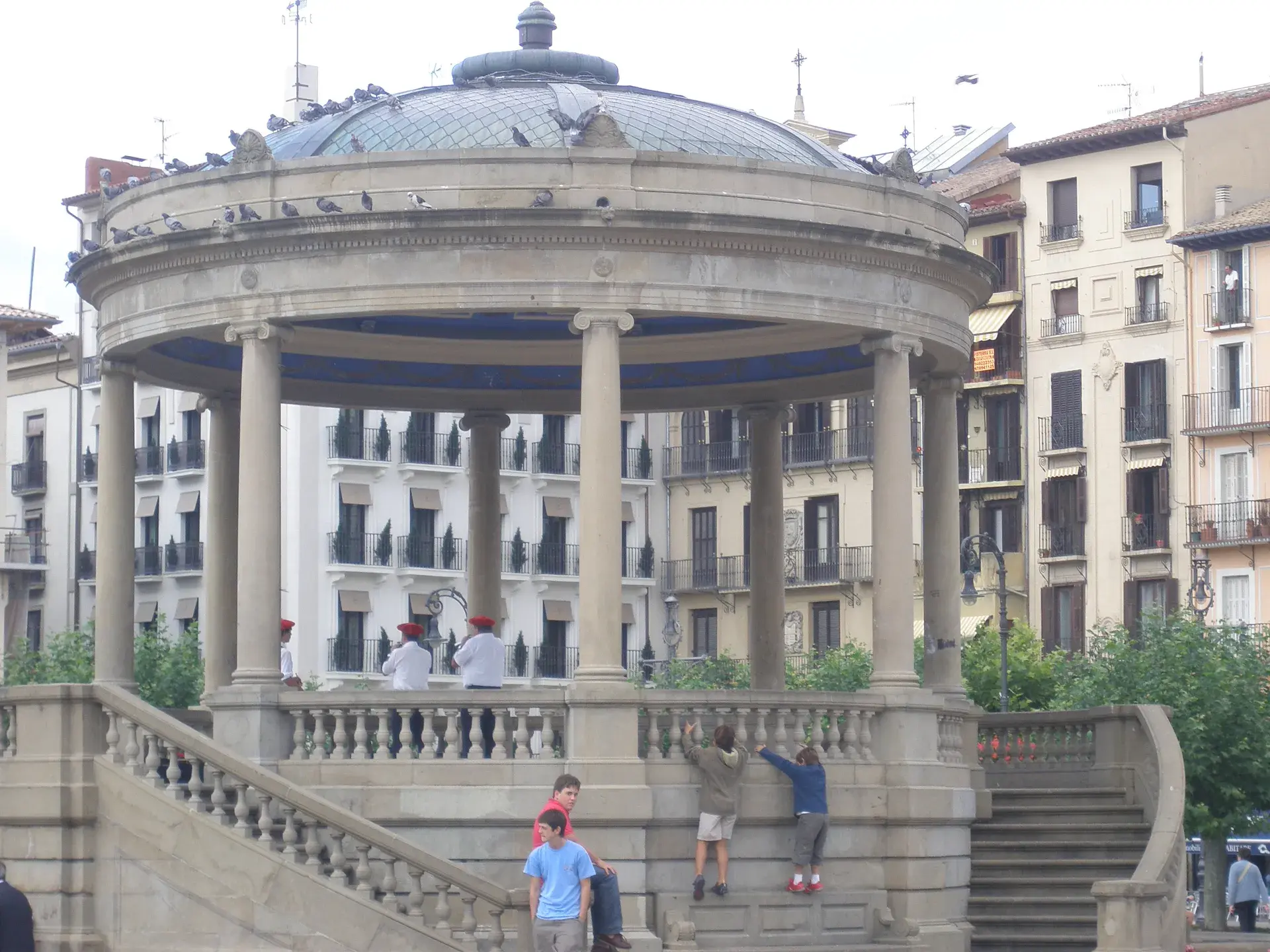
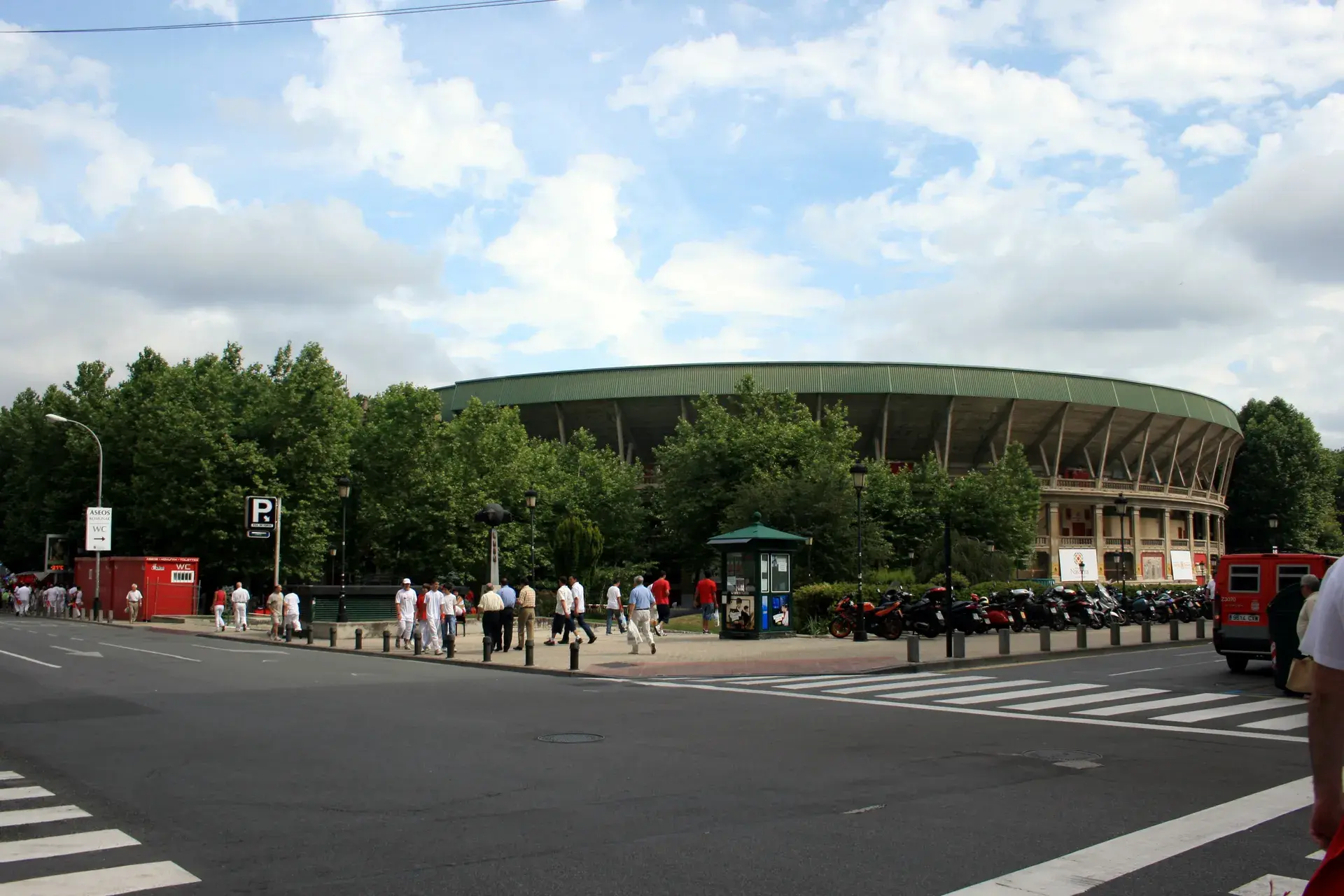
Beyond festival week, the corner acts as a tranquil pedestrian junction connecting the medieval borough of Navarrería to the Plaza del Castillo and the Plaza de Toros. For the rest of the year, the cobblestones carry standard foot traffic past local retail shops, pintxo bars, and running-themed souvenir boutiques.
FAQ
Why is the Estafeta Curve considered so dangerous during the bull run?
Bulls enter the 90-degree turn at speeds up to 25 km/h. Centrifugal force pushes the animals toward the outer wall, causing slips, pile-ups, and separated bulls (toros sueltos), which are disoriented and unpredictable.
What is the antislip treatment applied to the street?
Prior to San Fermín, city crews treat around 1,875 square meters of paving stones with 1,500 liters of a chemical solution. The liquid reacts with silica in the stone to reopen microscopic pores, creating a suction-cup effect (efecto ventosa) that increases traction.
What is the "inside line" at the Estafeta Curve?
The inside line is a safety strategy where runners keep strictly to the inside right curb of the corner, avoiding the outer radius where centrifugal force pulls the charging herd.
Discover Pamplona like never before
Dive into Pamplona hidden stories and secret spots with Ciceru interactive tours.
Explore tour
Audioguide
Quizzes
Maps
Solo
Couples
Groups & families

© Photo by Noes Setroc via Google Maps · Google Places