Mondragon Palace: Ronda's Cliffside Historic Landmark
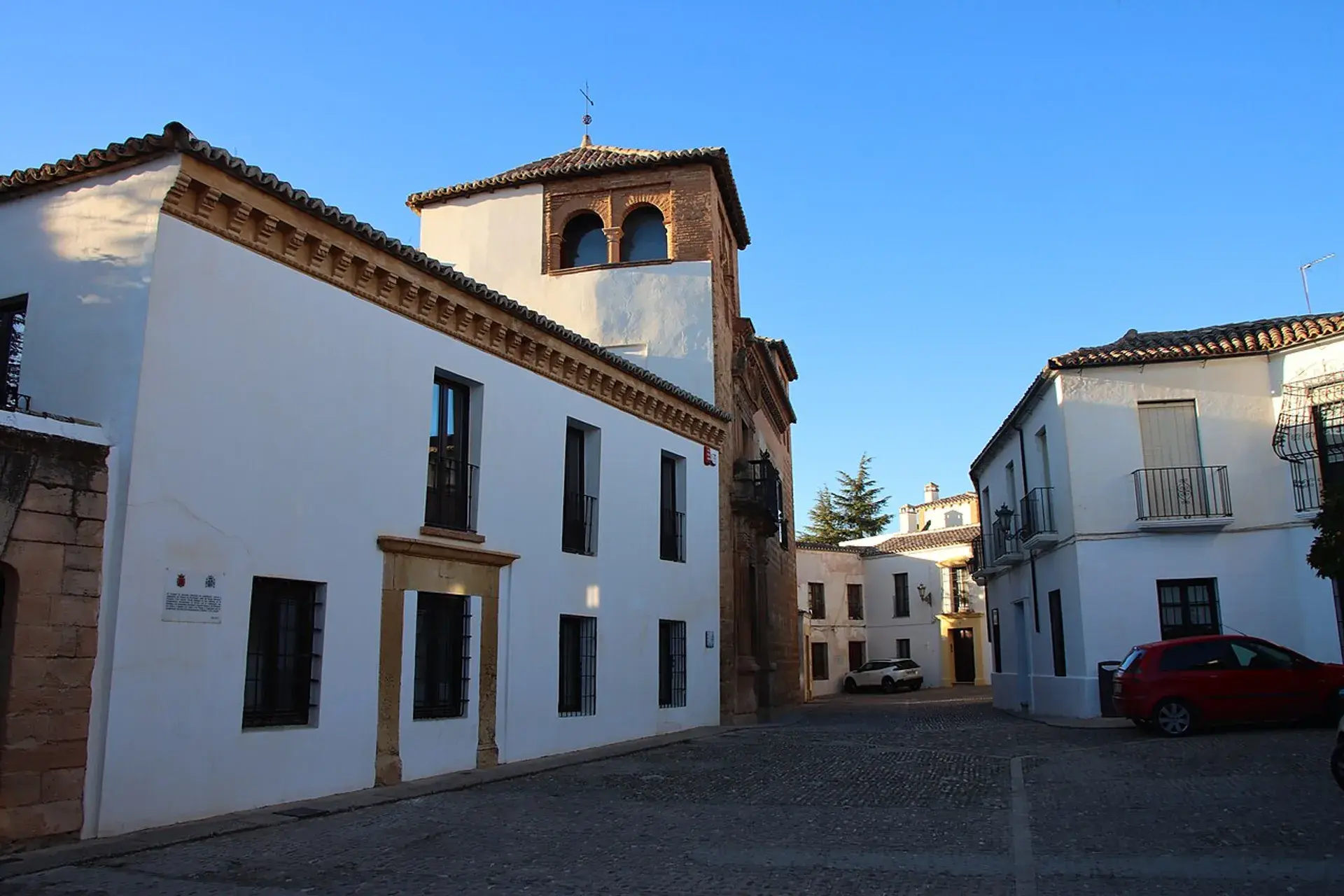
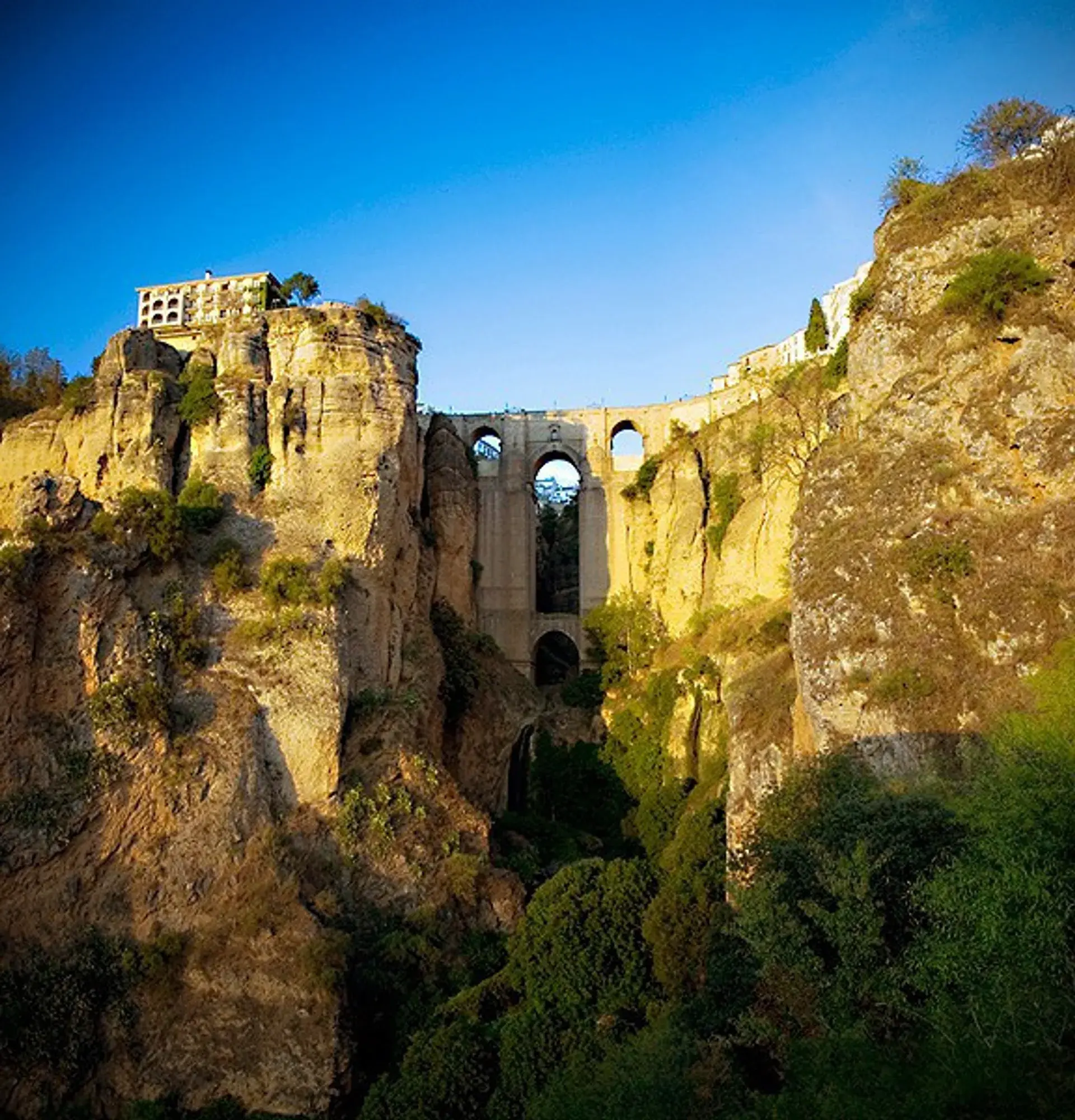
Perched along the western edge of the El Tajo gorge in the historic La Ciudad quarter of Ronda, the Palacio de Mondragón—also known as the Palacio del Marqués de Villasierra—stands as one of the town's most significant aristocratic residences. Situated on Plaza Mondragón, the palace occupies a key position on the pedestrian route connecting the Plaza Duquesa de Parcent to the cliffside lookouts near the Puente Nuevo.
Origins and Aristocratic History
The complex originated in the 14th century under Islamic rule. Local lore traditionally associated the residence with the Marinid ruler Abomelic, though historical consensus indicates that no standing above-ground structures provably date to his reign. Historical records identify the property as the administrative seat for Nasrid governors of the Kingdom of Granada, ending with Hamet el Zegrí, Ronda’s final Muslim governor.
Following the Castilian capture of Ronda on May 24, 1485, the Catholic Monarchs, Isabella I and Ferdinand II, stayed within the palace. The Crown subsequently granted the estate to Captain Melchor de Mondragón, whose coat of arms remains visible above the entrance portal. The palace later passed into the ownership of Don Fernando de Valenzuela, Marquis of Villasierra. Remodeling campaigns across the 16th, 17th, and 18th centuries transformed the medieval compound into a residence exhibiting Mudéjar, Renaissance, and Baroque styles while maintaining its original orientation along the cliff edge.
Architectural Layout and Courtyards
The exterior of the palace displays an 18th-century ashlar stone facade flanked by twin towers and framed by a Baroque portal. Inside, the Noble Hall (Salón Noble) features a preserved Mudéjar carved-wood coffered ceiling (artesonado).
While informal guidebooks frequently refer to the complex as having only two courtyards, the building architecturally contains three distinct interior patios:
- Patio de Entrada (Patio del Pozo): Built in the 18th century, this entrance courtyard is characterized by semicircular brick arcades resting on Renaissance Corinthian columns and features an original well. Its architectural arrangement replicates the 16th-century Patio de Levies from Seville.
- Patio Mudéjar: Dating from the 16th century, this space blends Gothic, Renaissance, and Mudéjar elements with low brick arcades, marble columns, decorative azulejo tiles, and a horseshoe arch leading toward the gardens.
- Patio Tardo-Gótico (Patio Castellano): An austere late-Gothic patio featuring stone columns, reused capitals, and carved wooden corbels (zapatas) that support the upper floor.
Terraces and Subterranean Passages
A 16th-century horseshoe arch connects the inner arcades to the cliff-edge garden terraces. These gardens feature stone fountains and tiled water channels overlooking the panorama of the Serranía de Ronda mountains.
Beneath the Christian-era remodelings, original Islamic foundations and underground passageways remain preserved. In the medieval period, these subterranean corridors directly linked the palace's garden terraces to Ronda's defensive fortress, the alcázar.
Municipal Museum of Ronda
The palace is owned by the Ayuntamiento de Ronda and functions as the Museo Municipal de Ronda (Municipal Historical and Archaeological Museum). The institution provides public access to the historic patios, cliffside gardens, and permanent exhibition galleries.
The museum documents the region's archaeology and history, spanning prehistoric cave cultures, the Bronze Age, the Roman city of Acinipo, Islamic Ronda, and 19th-century regional traditions. Among its notable artifacts is the "Ronda-Sa-Idda" sword casting mold, an intact prehistoric object that demonstrates the presence of early metallurgical craft in Ronda long before its classical or medieval fortifications were constructed.
FAQ
How many courtyards are located within Mondragon Palace?
Although often described informally as having two courtyards, the palace architecturally contains three: the 18th-century Patio de Entrada (Patio del Pozo), the 16th-century Patio Mudéjar, and the late-Gothic Patio Tardo-Gótico (Patio Castellano).
What is the current function of Mondragon Palace?
The palace is owned by the Ayuntamiento de Ronda and houses the Museo Municipal de Ronda, displaying regional archaeological and historical artifacts ranging from prehistoric times to the 19th century.
Did Spanish royalty stay at Mondragon Palace?
Yes. Following the capture of Ronda on May 24, 1485, the Catholic Monarchs Isabella I and Ferdinand II stayed in the palace before the Crown granted the estate to Captain Melchor de Mondragón.