Casa de las Conchas in Salamanca's Historic Center
Architecture and the Distinctive Facade
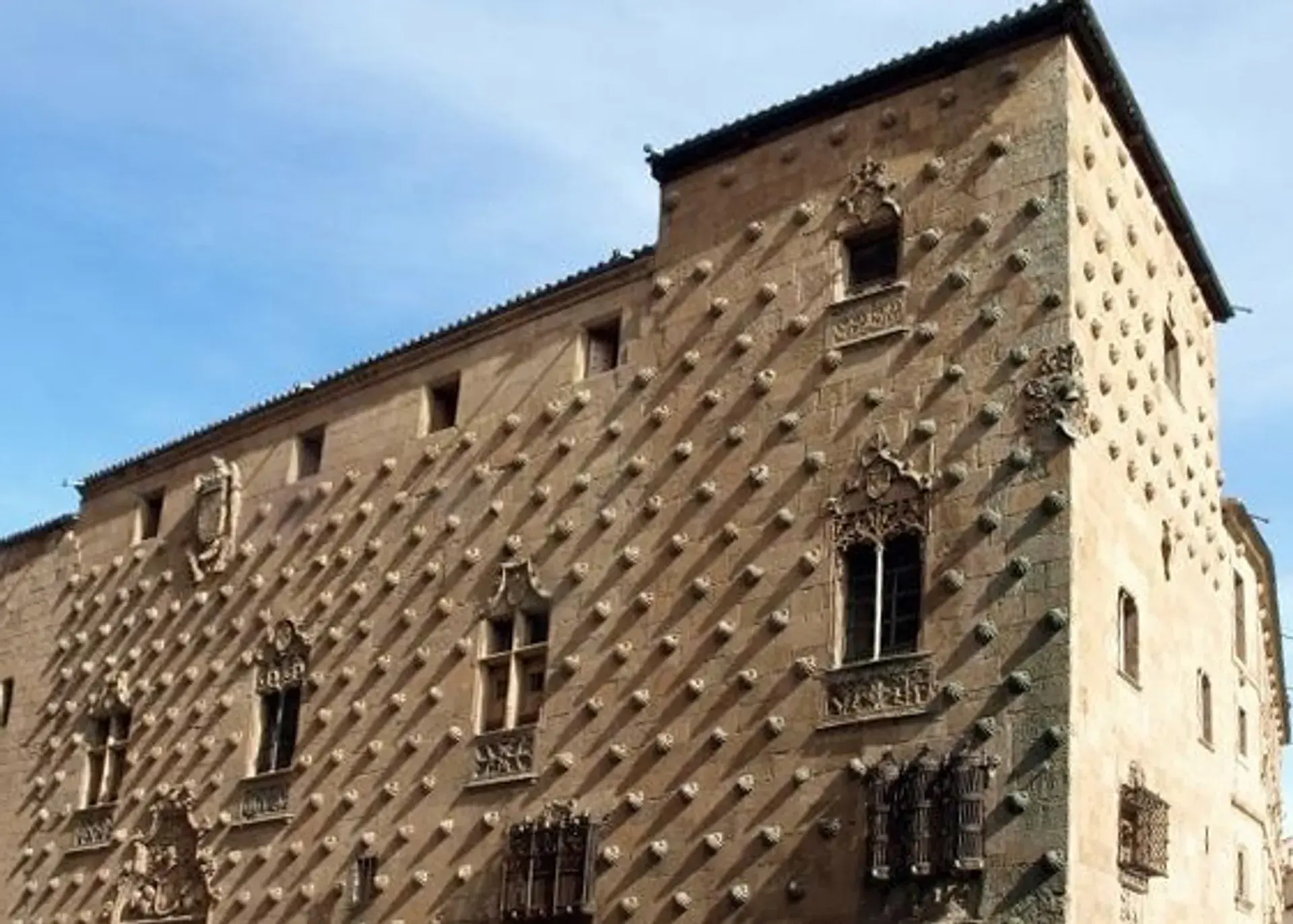
The Casa de las Conchas is a late-15th-century urban palace situated in the historic center of Salamanca at the intersection of Calle de la Compañía and Rúa Mayor. Initiated around 1493 and substantially finished by 1517, the palace exemplifies the Spanish civil late Gothic (Isabelline Gothic) style, blended with early Plateresque ornamentation and Mudéjar layout elements.
Its most recognizable feature is the exterior facade, which is carved from local golden Villamayor sandstone and decorated with over 300 stone scallop shells arranged in a staggered diamond grid. These relief carvings were not chiseled directly out of the structural masonry blocks; each scallop shell was independently sculpted and affixed to the exterior walls using concealed iron hooks. At street level, cold-hammered wrought-iron grilles project outward over the ground-floor windows, while asymmetrical Gothic windows pierce the upper levels. Inside, the building features a two-tiered patio bordered by mixed-line arches and centered around a historic stone well.
Noble Origins and Royal Punishment
The palace was commissioned by Rodrigo Maldonado de Talavera, a royal councilor, university law professor, and knight of the Order of Santiago. It was later completed by his son, Rodrigo Arias Maldonado. Constructed as an assertion of high social status and allegiance to the Catholic Monarchs during Spain's unification, the palace quickly became entangled in the kingdom's political turbulence.
During the Comuneros Rebellion against King Charles I, Rodrigo Arias Maldonado’s son, Pedro Maldonado Pimentel, served as an active captain for the rebel cause. Following the defeat of the Comuneros at the Battle of Villalar in 1521, the royal crown punished the family by ordering the palace's defensive towers partially dismantled and lopped off. Later, in the 18th century, structural fissures forced an additional 23 stone courses to be removed from the corner tower to avoid collapse.
Evolution of Use: From University Jail to Library
Across five centuries, the building experienced dramatic functional transformations. Beyond serving as a private noble residence, it functioned for a time as a student jail for the University of Salamanca, where the university's maestrescuela punished academic infractions. Later, the structure accommodated military barracks and a private school.
In 1929, the palace was officially declared a Spanish National Monument. Following extensive architectural restoration, it was adapted for public cultural use in 1993. It now houses the State Public Library in Salamanca (Biblioteca Pública del Estado en Salamanca), run by the regional government of Castilla y León. In addition to operating as an active research and reading facility, the ground-floor courtyard and galleries remain open to visitors free of charge during library operating hours.
Legends and Architectural Dialogue
While the shells adorning the building are commonly associated with the Order of Santiago and the traditional pilgrimage to Santiago de Compostela, they also served as the heraldic symbol of Juana de Pimentel, celebrating her noble marriage to Rodrigo Arias Maldonado. The building has also collected centuries of urban folklore, including an enduring tale that an ounce of gold was sealed behind one of the stone facade shells during construction—a variation on ancient building foundation rituals.
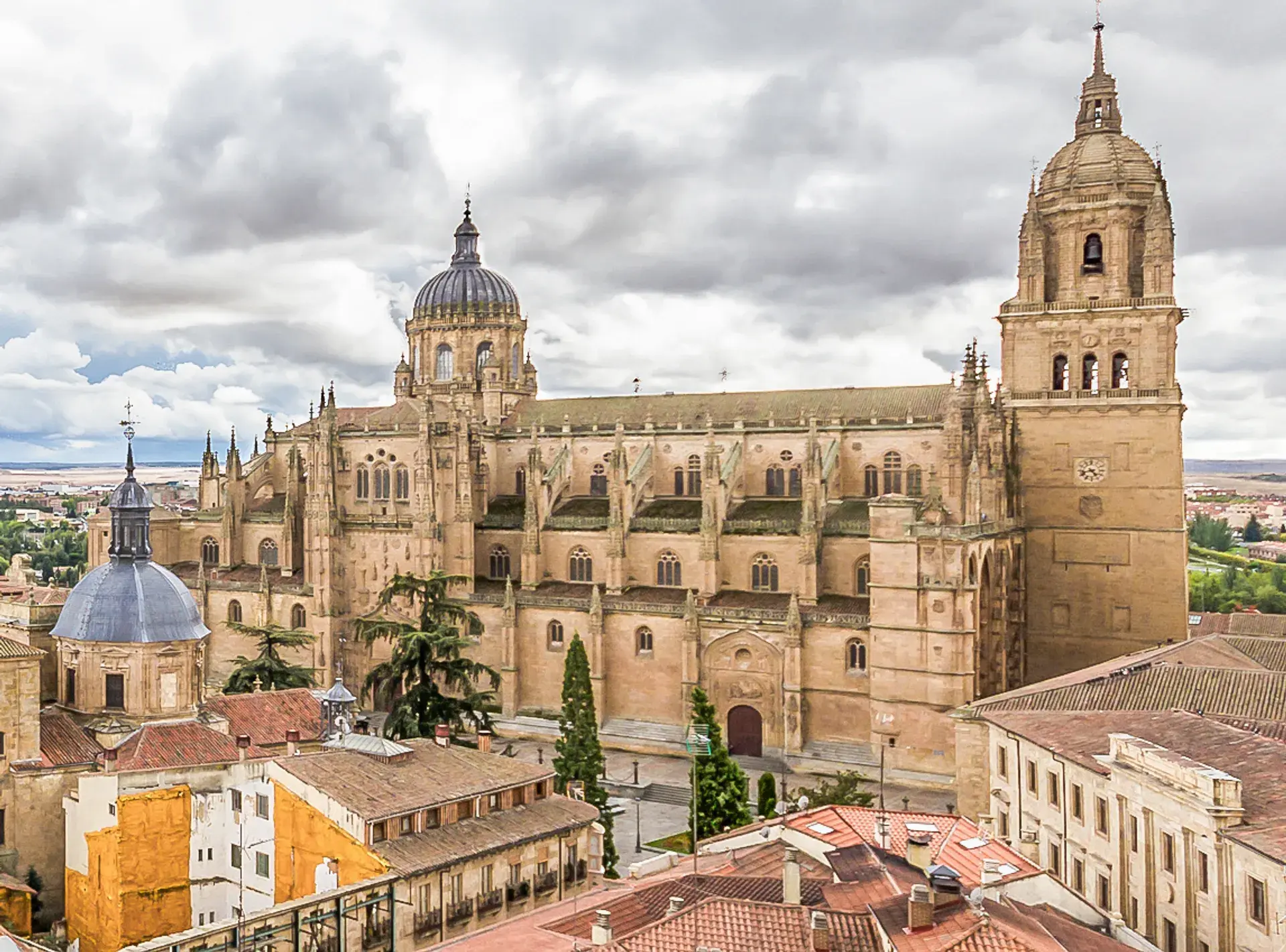
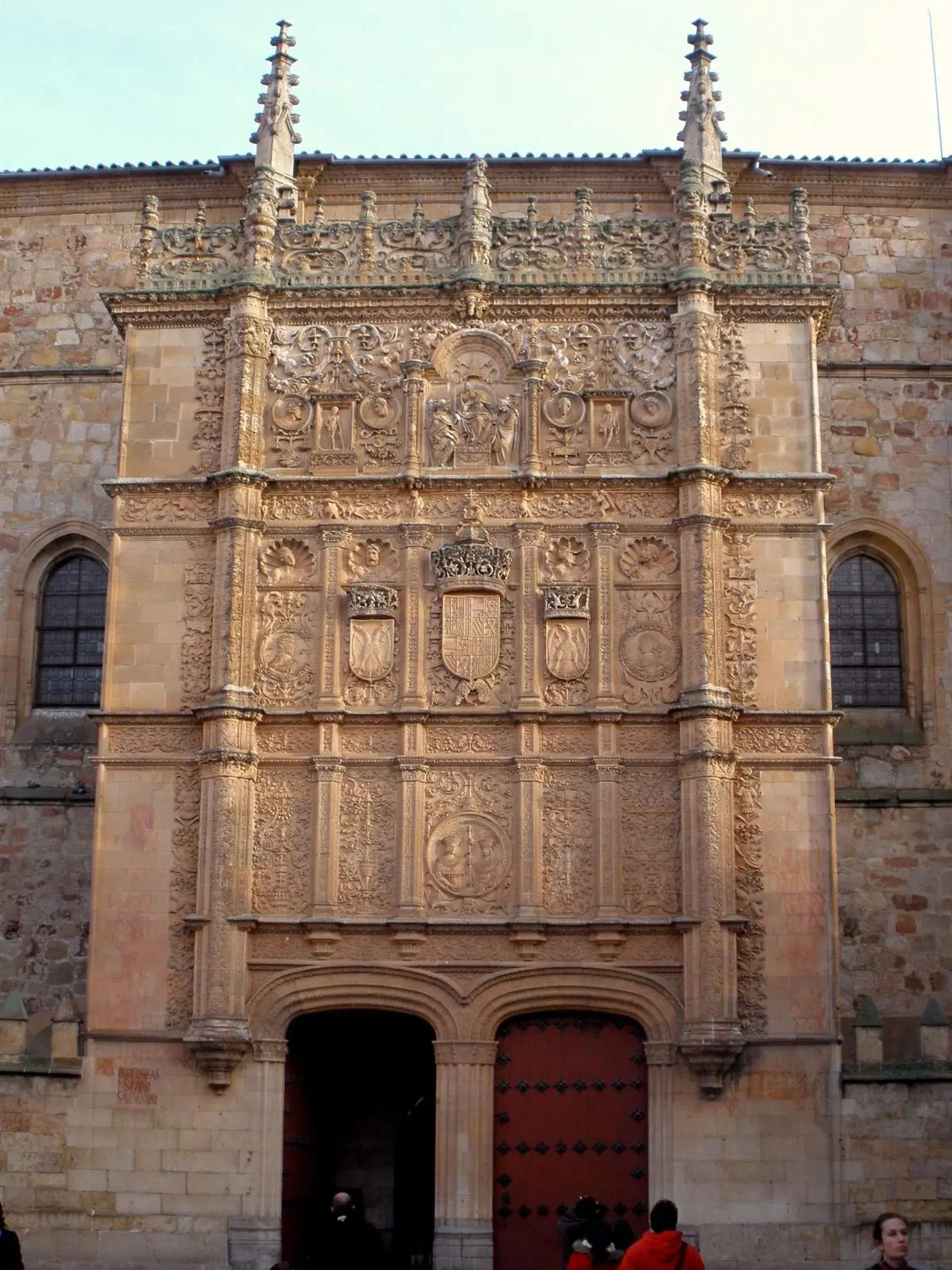
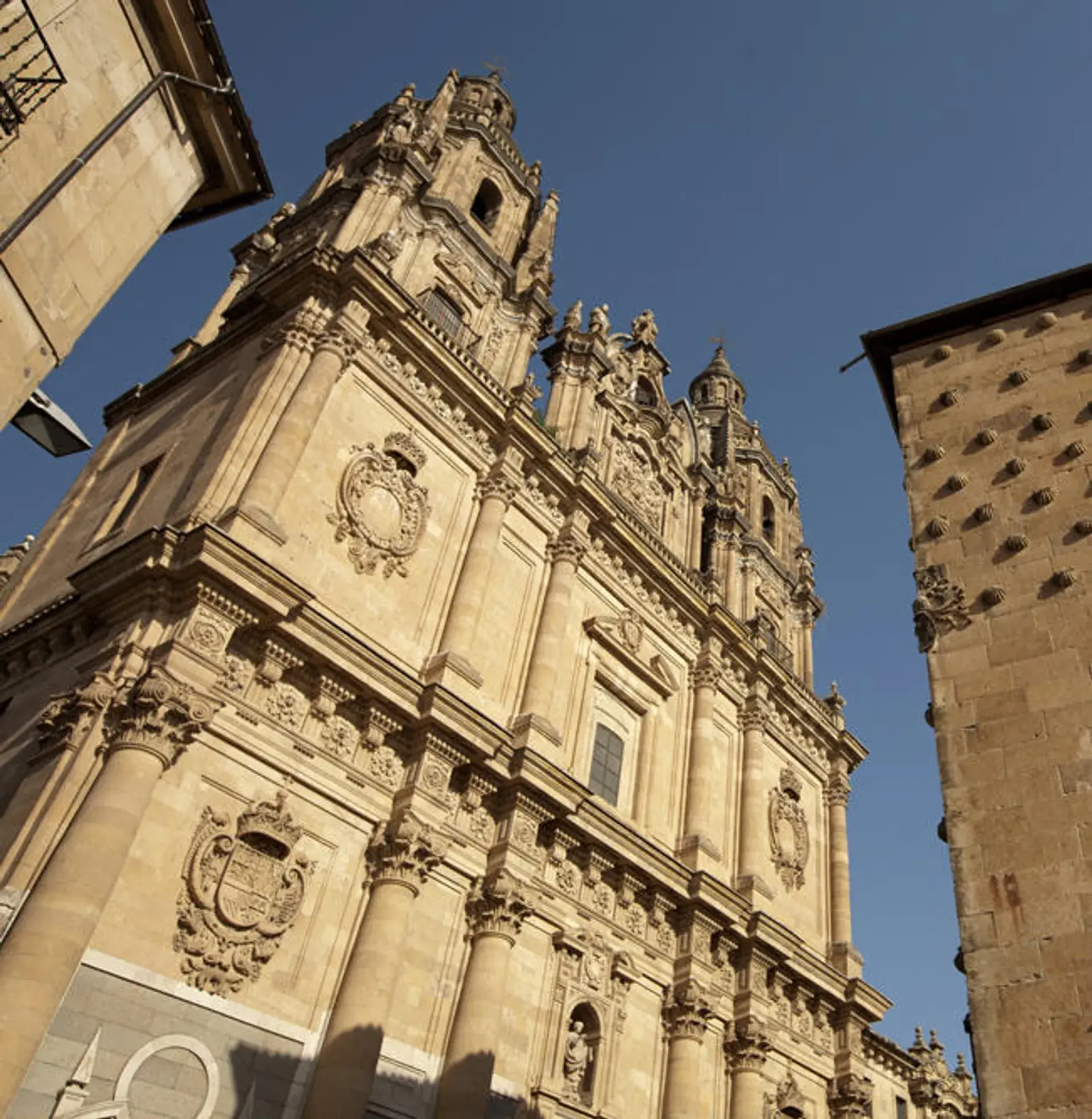
Another historic legend recounts that the Jesuit order once attempted to purchase the palace by offering an ounce of gold for every shell on the wall, allegedly aiming to demolish it to secure an open view for their adjacent college, La Clerecía. Today, the palace remains in place, anchoring the pedestrian route between Salamanca's Plaza Mayor, the cathedrals, and the historic university quarter.
FAQ
Why are there shells on the facade of the Casa de las Conchas?
The scallop shells represent both the Order of Santiago, of which patron Rodrigo Maldonado de Talavera was a member, and the heraldic emblem of Juana de Pimentel, celebrating her marriage into the Maldonado family.
How were the stone scallop shells attached to the walls?
Rather than being carved directly out of the facade stones on site, each shell was individually sculpted from Villamayor sandstone and anchored into the exterior masonry with hidden iron hooks.
Can the public visit the interior of the Casa de las Conchas?
Yes. The building functions as the State Public Library in Salamanca, and visitors can access the historic two-tiered courtyard and surrounding galleries for free during regular library operating hours.