Huerto de Calixto y Melibea: Salamanca's Lovers' Garden
Literary Origins and Urban Legend
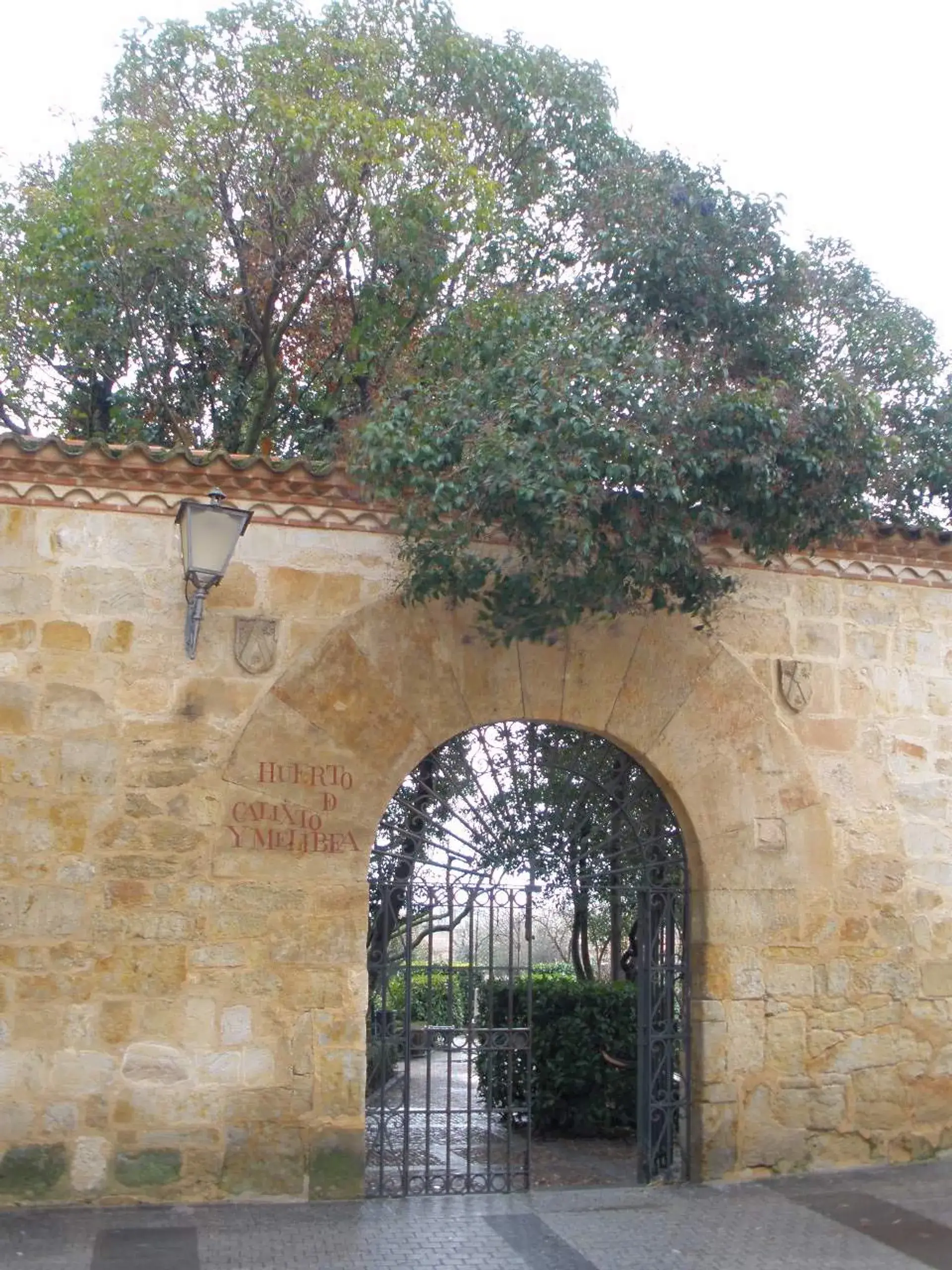
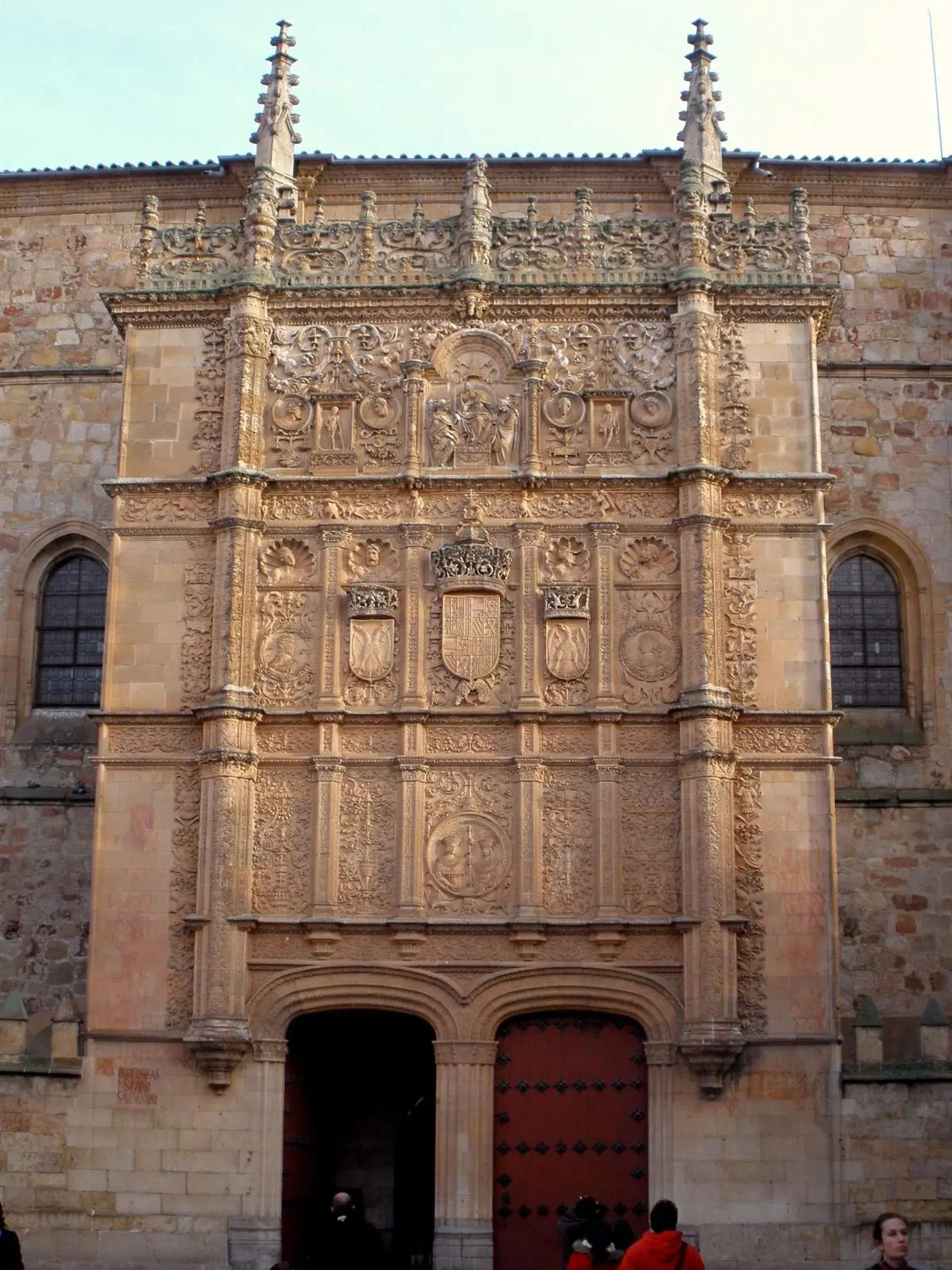
Perched atop the medieval defensive ramparts overlooking the Tormes River, the Huerto de Calixto y Melibea is deeply entwined with Spanish literary history. The garden takes its name from the star-crossed lovers Calisto and Melibea, the central figures in Fernando de Rojas's 1499 masterpiece Tragicomedia de Calisto y Melibea, commonly known as La Celestina. Rojas composed the foundational work while studying law at the University of Salamanca.
Although Rojas never explicitly identified Salamanca as the setting for the drama, the city's inhabitants adopted the story as their own. Local folklore projected the narrative onto specific city landmarks, declaring this rampart terrace the secluded garden where Calisto climbed the exterior walls for secret trysts. Similarly, a nearby rocky outcrop gained the moniker Peña Celestina, identified by local tradition as the sorceress's dwelling.
Evolution from Ramparts to Public Haven
Before its transformation into a municipal park, this plot of roughly 2,500 square meters held several practical roles. In previous centuries, the grounds belonged to the Casa de la Calera, housed a printing workshop for the University of Salamanca, and bordered a hostel established for Camino de Santiago pilgrims.
The City of Salamanca purchased and restored the grounds, officially opening the space to the public on June 12, 1981. The dedication coincided with a sister-city cultural agreement established with Coimbra, Portugal. In 1992, the garden expanded with the incorporation of the adjacent Jardín del Visir. This annexed terrace is named after Agustín Sánchez Manzanera, nicknamed "El Visir," an affluent 20th-century resident known for hosting rooftop social gatherings along the wall.
Botanical Calm and Panoramic Vistas
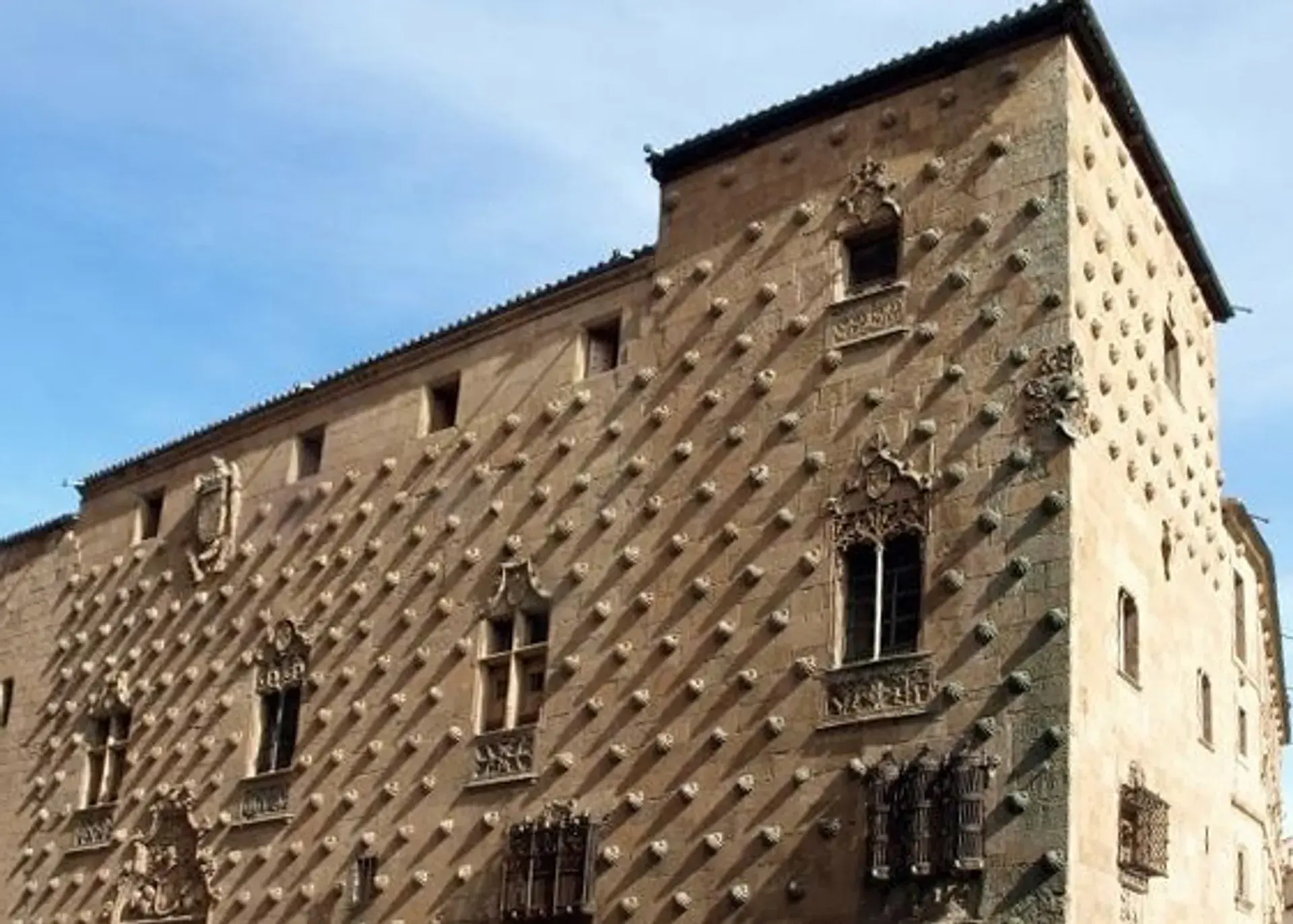
Located in the UNESCO World Heritage Old City of Salamanca just behind the Patio Chico, the garden acts as a tranquil, green transitional corridor. It connects the cathedral quarter and the Casa Lis with the downhill route toward the Roman Bridge. Within its perimeter, shaded groves, trickling stone fountains, and bird chatter create a cooling acoustic barrier against the sunbaked sandstone streets nearby.
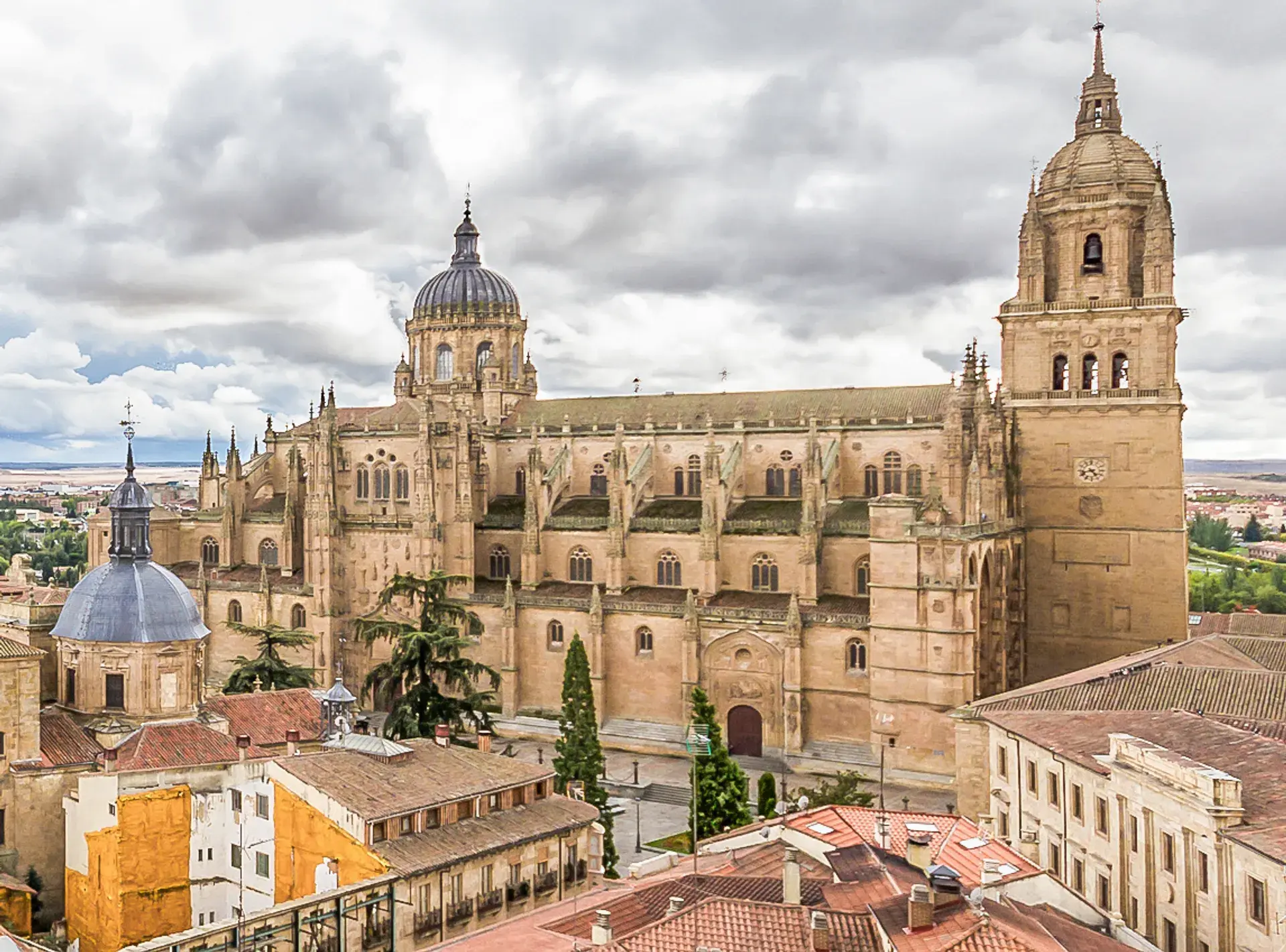
The garden features varied ornamental and Mediterranean planting. Among its vegetation are a mature, propped mulberry tree, a ginkgo biloba, pomegranate trees, quince, palm trees, and climbing plumbago. From its elevated vantage points, the parapet provides sweeping views of the Romanesque apse and the Torre del Gallo of the Old Cathedral, the towering silhouette of the New Cathedral, the Convento de San Esteban, and the riverbank crossed by the ancient Roman Bridge.
Modern Traditions and Landmarks
Near the garden entrance stands a bronze bust of the sorceress Celestina, crafted by Salamanca sculptor Agustín Casillas. The sculpture bears an inscription featuring her defense claiming that God is the witness to her heart. Further along the gravel walkways, the central courtyard features an authentic stone well capped with an iron grille. Following a contemporary romantic custom, visitors frequently attach engraved padlocks to the ironwork. In addition to daily openings, the municipal park occasionally holds special seasonal evening events during winter, using sound and light installations against the stone walls and plant canopies.
FAQ
What is the admission policy and operating hours for the garden?
Huerto de Calixto y Melibea is publicly owned and free to enter daily during daylight hours, typically opening from 10:00 until sunset.
Why is the garden connected to the novel La Celestina?
Author Fernando de Rojas wrote La Celestina while studying law in Salamanca. Even though the text does not name the city, local folklore designated this high rampart terrace as the setting for the clandestine meetings between the lovers Calisto and Melibea.
What key landmarks are visible from the garden terrace?
The elevated rampart provides views of the Old Cathedral's Romanesque apse and Torre del Gallo, the New Cathedral, the Roman Bridge, the Tormes River, and the Convento de San Esteban.