Torre del Pretori: Tarragona's Roman Tower
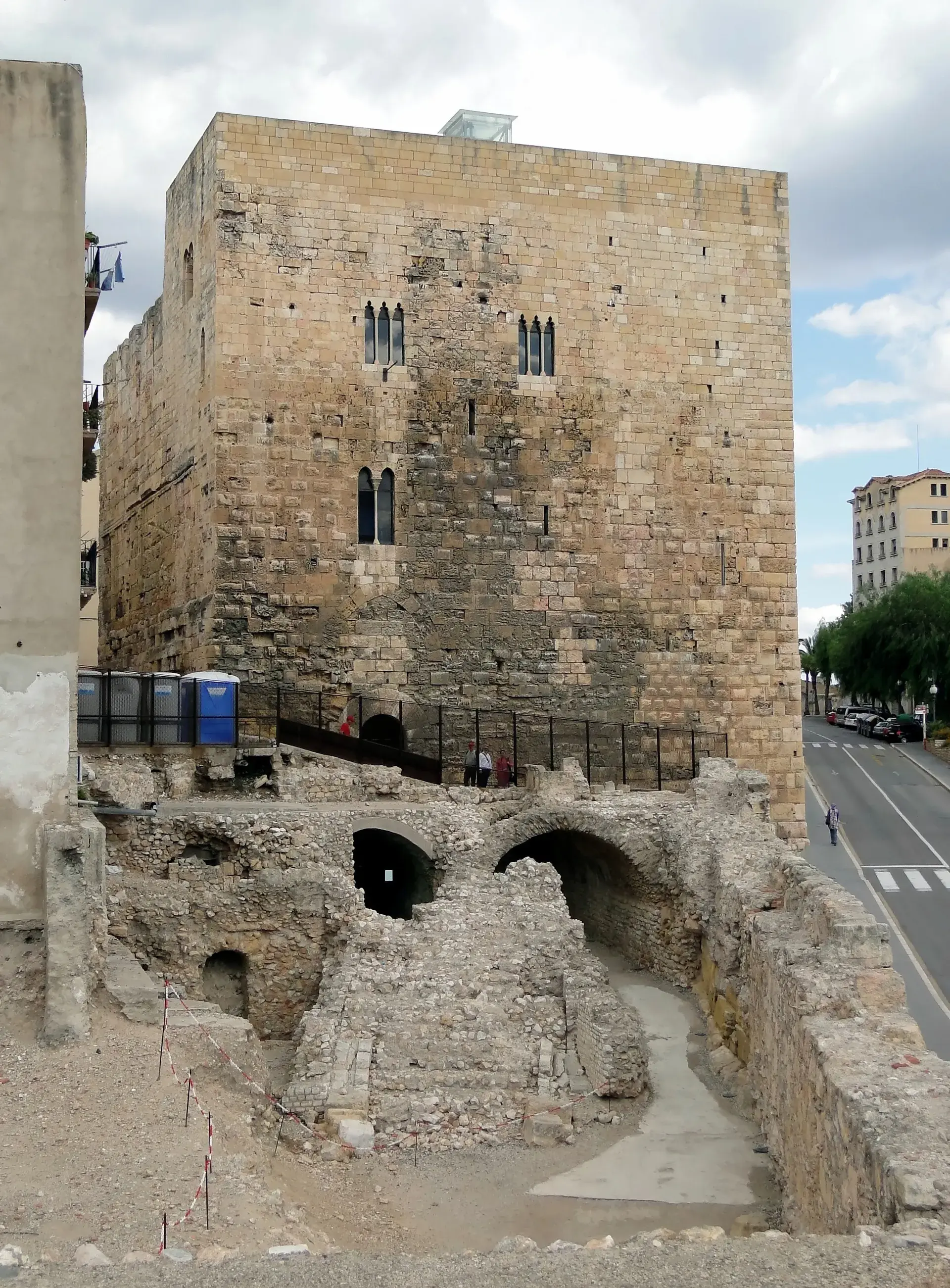
Standing at the southeastern corner of the Part Alta in Plaça del Rei, the Torre del Pretori—also known as the Castell del Rei or Torre de Pilats—is one of the most prominent surviving monuments of Roman Tárraco. Built in the 1st century AD during the Flavian era under Emperor Vespasian, the rectangular ashlar masonry tower reaches a height of 22 to 23 meters and spans roughly 26 meters in width. As part of the Archaeological Ensemble of Tárraco, the structure was inscribed as a UNESCO World Heritage site in 2000.
Roman Engineering and Monumental Access
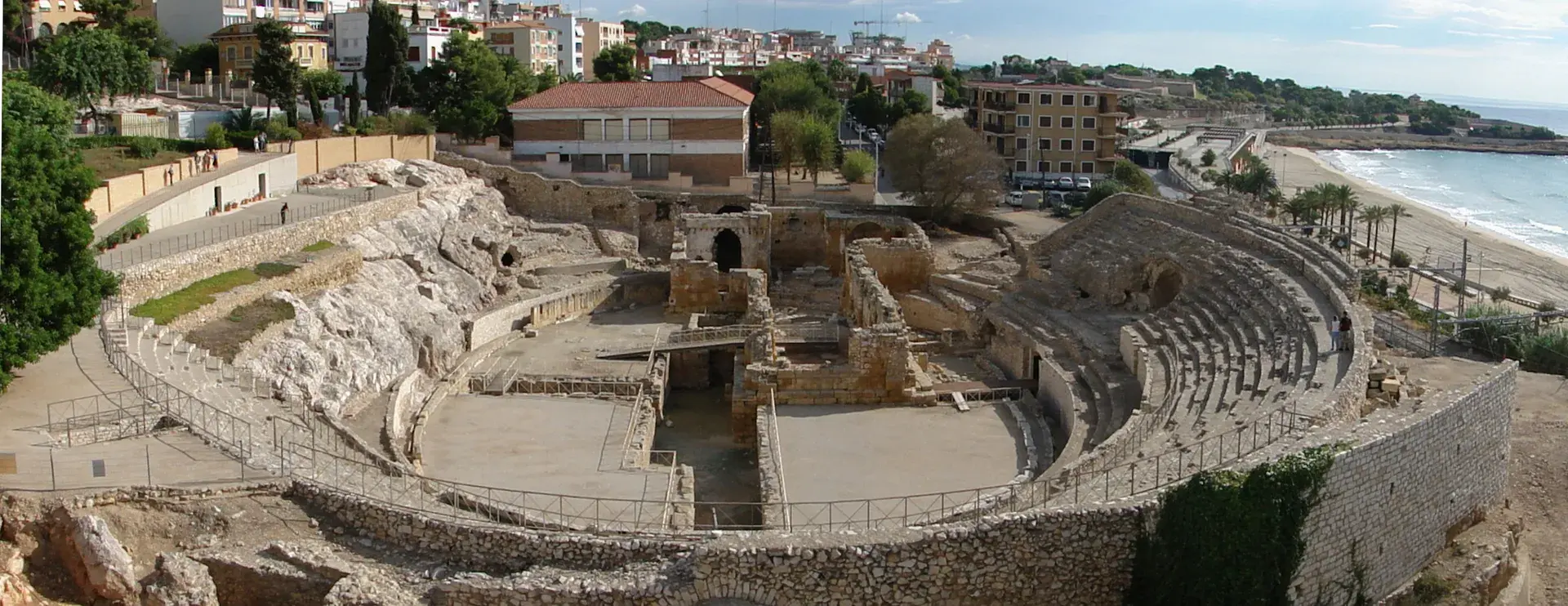
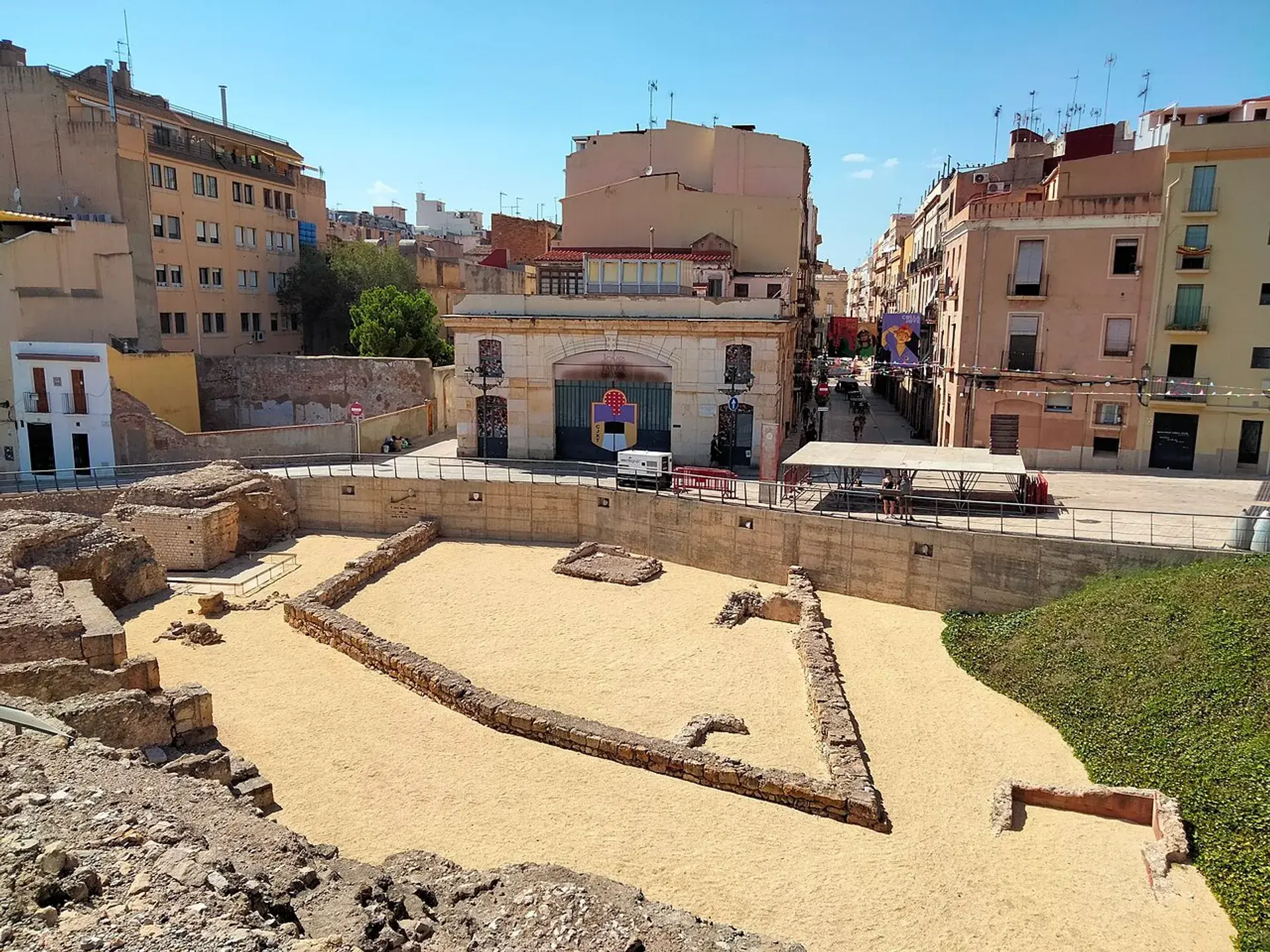
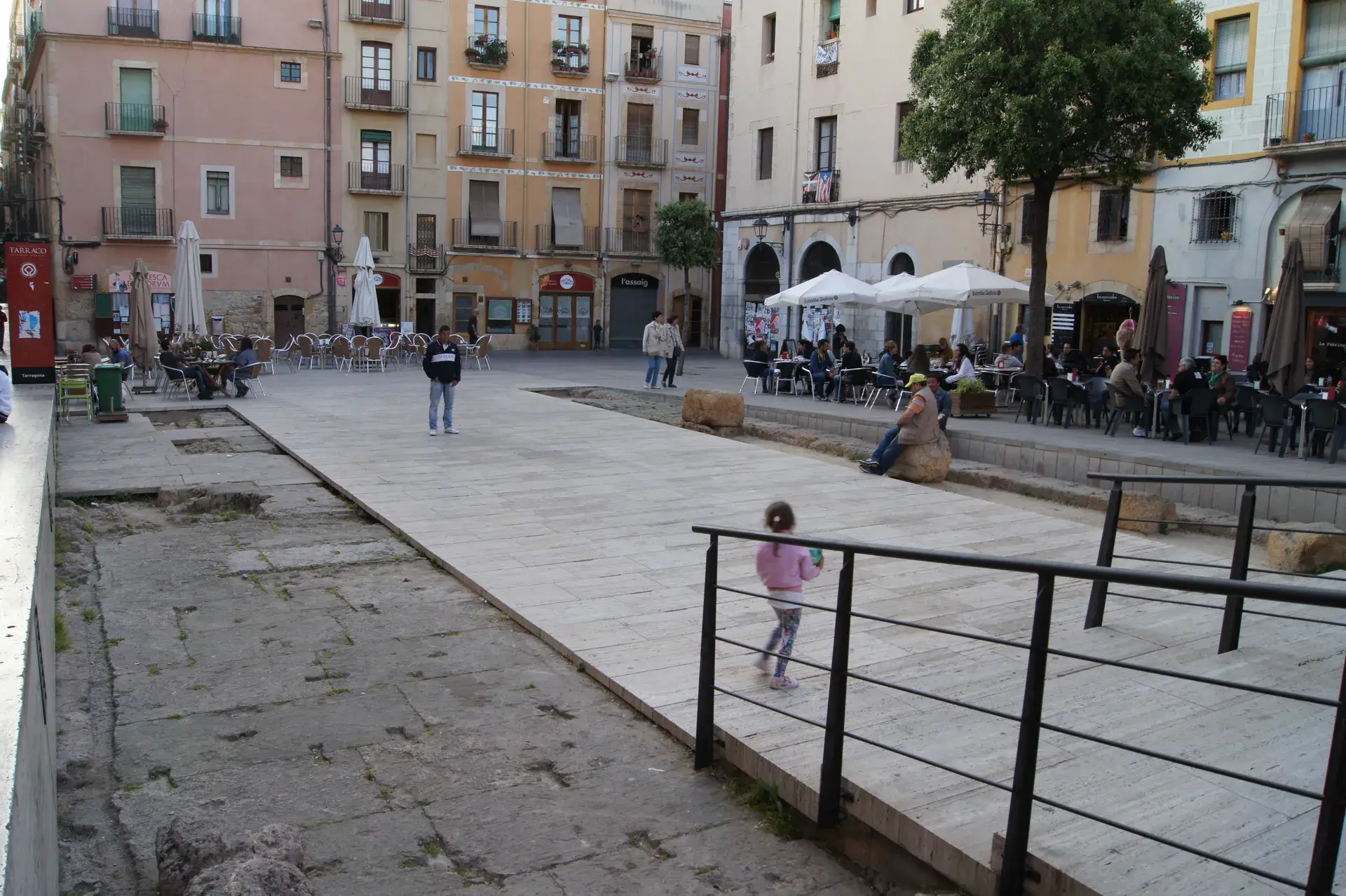
Despite its defensive profile, the tower was originally conceived not as a fortress, but as an essential piece of Roman civic infrastructure. Situated at the edge of the monumental Provincial Forum (Concilium Provinciae Hispaniae Citerioris), it functioned as a vertical access hub. Roman engineers constructed the building from massive opus quadratum stone blocks to house interior monumental staircases. This system connected the lower city and the Roman Circus to the higher terrace of the provincial administrative forum via vaulted subterranean corridors.
Medieval Fortress and Royal Residence
Following the Christian recovery of Tarragona, the tower transitioned through multiple defensive and administrative roles. In 1129, the Norman knight Robert Bordet refortified the Roman structure into a personal stronghold. By the 13th and 14th centuries, the Crown of Aragon transformed the tower into a fortified royal residence known as the Castell del Rei. Catalan-Aragonese monarchs, including Jaume II and Pere III, added Gothic features such as high-vaulted halls and enlarged pointed windows to adapt the Roman monument for court life.
Military Conflicts and Penal History
In subsequent centuries, the site served as an arms warehouse and military barracks. Its structural resilience was tested on August 19, 1813, when retreating French Napoleonic troops detonated large gunpowder charges inside the building. While the explosion caused significant interior damage, the extreme thickness and density of the Roman ashlar masonry prevented the outer walls from collapsing. Around 1822, the reconstructed fortress became a provincial prison, operating until 1953 before municipal conservation projects in the 1960s restored its Roman and medieval fabric.
Museum Collections and City Views
Today, the tower is managed by the History Museum of Tarragona (Museu d'Història de Tarragona) and is integrated with the subterranean galleries of the adjacent Roman Circus. The interior chambers display historical architectural fragments, most notably the 3rd-century AD Sarcophagus of Hippolytus. This Roman marble tomb, which illustrates the myth of Phaedra and Hippolytus, was salvaged from the Mediterranean seabed off the local coast. From the open rooftop terrace, the tower provides panoramic views overlooking the Part Alta, the Cathedral of Tarragona, and the surrounding coastline.
FAQ
What was the original Roman function of the Torre del Pretori?
Built in the 1st century AD under Emperor Vespasian, the tower primarily served as a monumental staircase hub, linking the lower Roman Circus and town to the elevated Provincial Forum through vaulted passageways.
Why is the monument also called the Castell del Rei?
During the 13th and 14th centuries, the Crown of Aragon converted the ancient Roman tower into a royal castle, adding Gothic halls and architectural elements under kings including Jaume II and Pere III.
Why is the tower associated with Pontius Pilate?
The tower acquired the popular name Torre de Pilats through local folklore claiming that the Roman magistrate Pontius Pilate was either born in Tárraco or spent his final years in the city, though this tradition lacks documentary evidence.
What notable artifact is preserved inside the tower?
The interior houses the Sarcophagus of Hippolytus, a finely carved 3rd-century AD Roman marble tomb depicting the myth of Phaedra and Hippolytus that was recovered from the local seabed.