El Micalet: València's Iconic Gothic Bell Tower
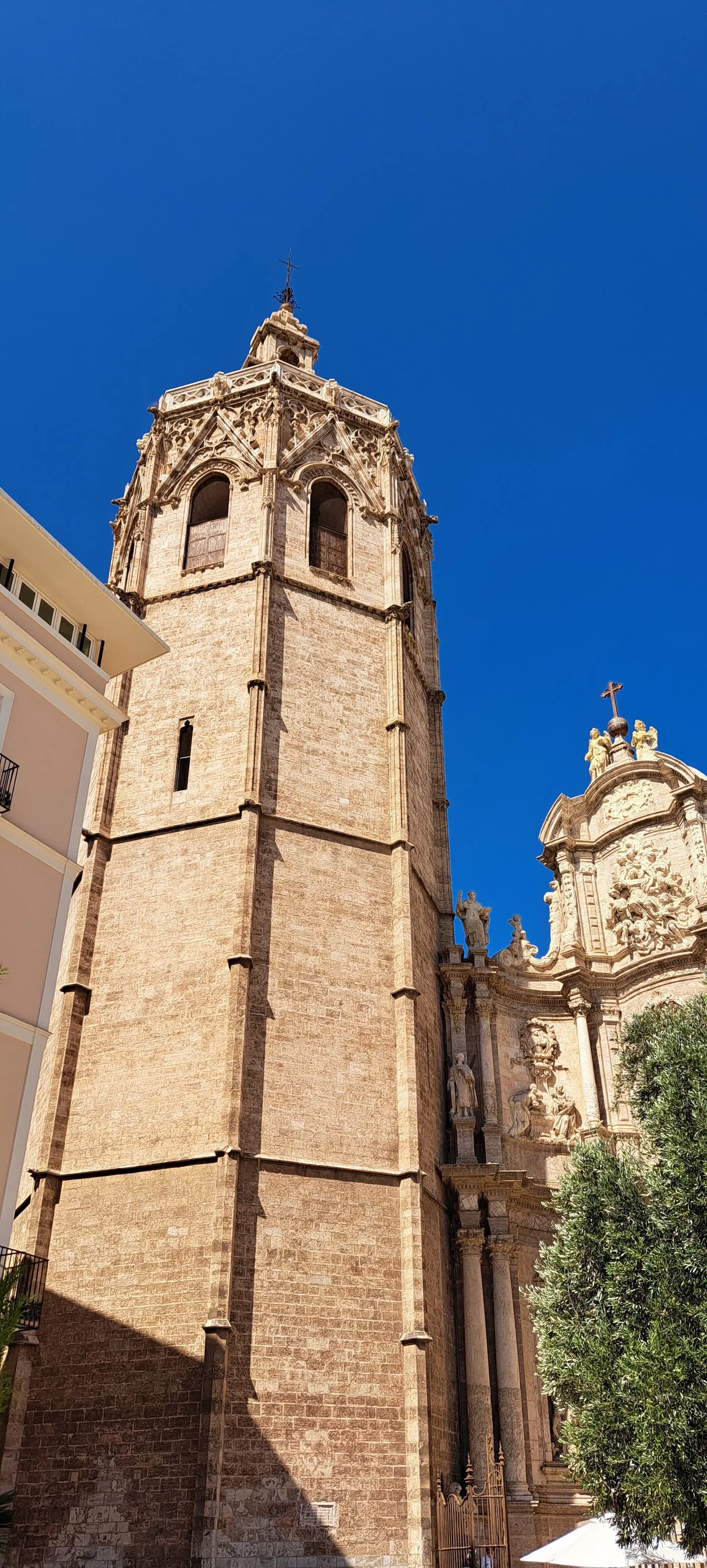
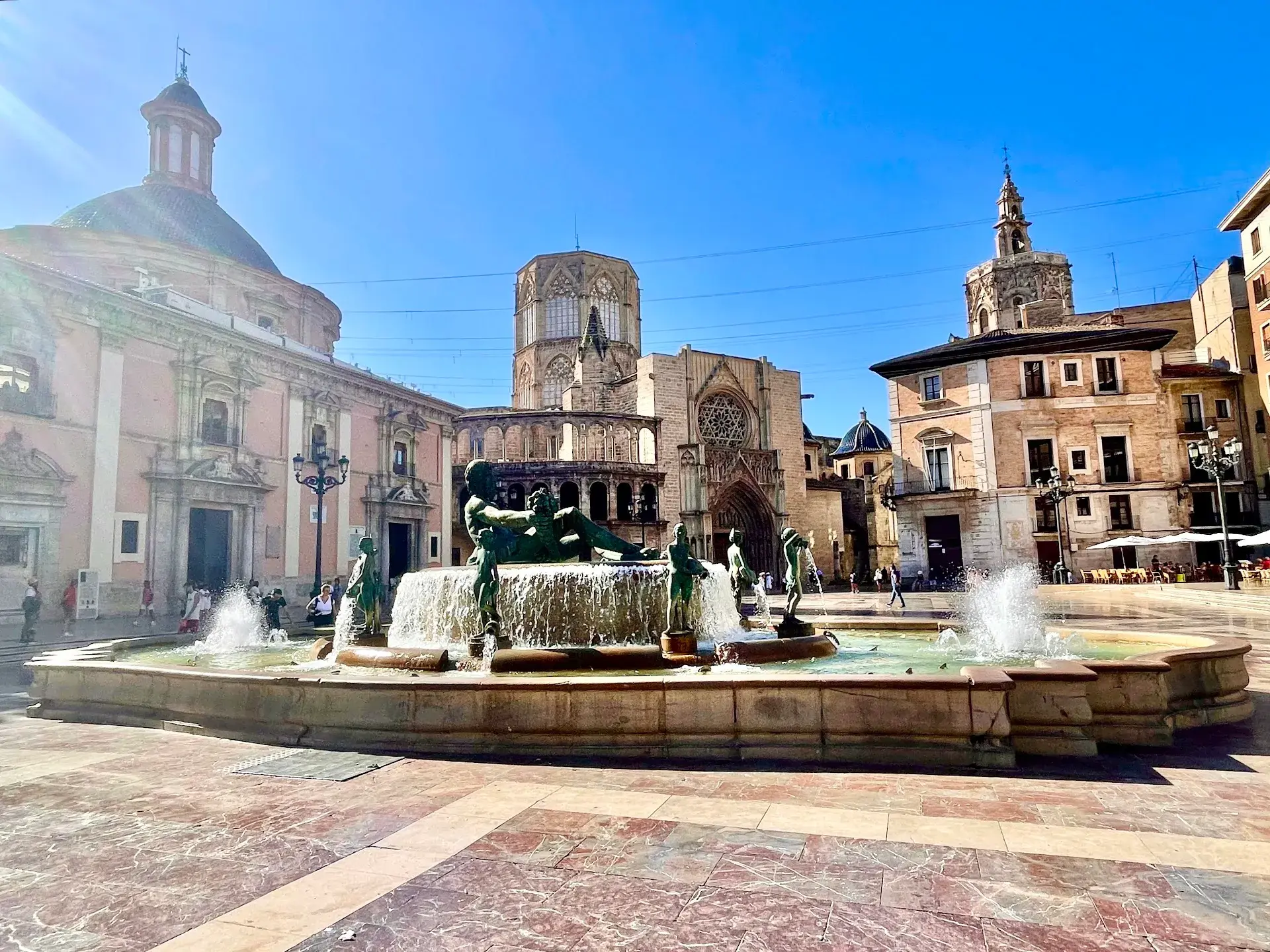
Positioned between Plaça de la Reina and Plaça de la Verge, El Micalet serves as the visual centerpiece of historic València. Erected during the city's 14th- and 15th-century Golden Age, this octagonal Valencian Gothic bell tower remains a primary symbol of civic and religious pride. Reaching the top requires ascending a historic spiral staircase, rewarding climbers with panoramic views of the Ciutat Vella.
A Masterpiece of Valencian Gothic Architecture
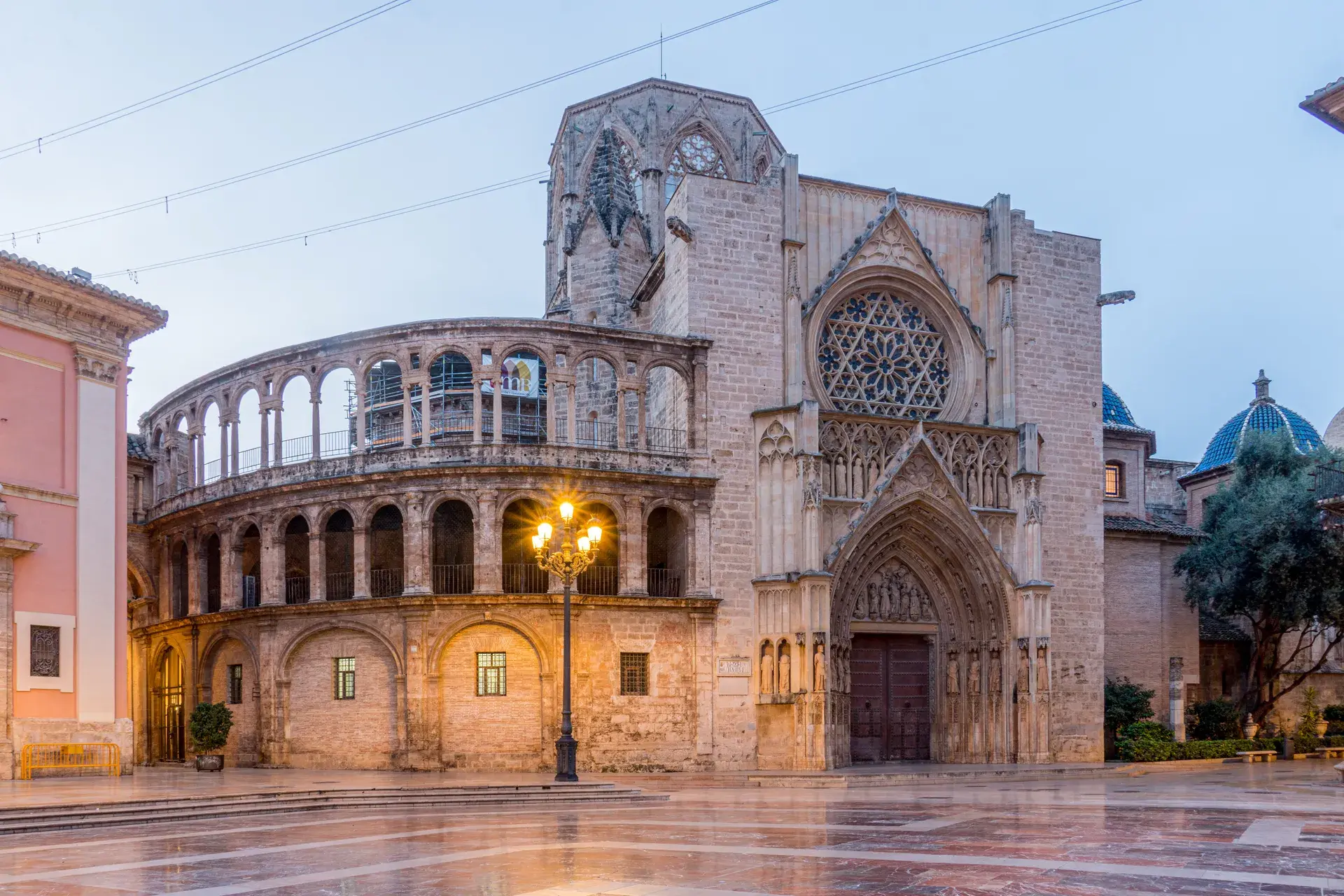
Construction on the tower began in 1381. Originally built as a free-standing structure known as Campanar Nou, it was not physically joined to the expanding València Cathedral until the late 15th century. Multiple master architects, including Andreu Julià, Josep Franch, Pere Balaguer, and Martí Llobet, directed the complex build over several decades.
The tower's architecture features a surprising mathematical symmetry. Its height up to the main terrace is exactly 51 meters, which perfectly matches the measurement of its outer octagonal perimeter. A later stone belfry, added between 1660 and 1736, brings the structure's total height to 63 meters.
Ascending the Historic Staircase
Accessing the open-air octagonal terrace requires a climb up 207 stone steps. The interior spiral staircase is extremely narrow, necessitating red and green signal lights to regulate visitor traffic ascending and descending the tower.
The route passes two historic intermediate chambers. One is the Casa del Campaner, the traditional home of the bell ringer. The other is La Presó, a room that historically served as a sanctuary for individuals fleeing the law. Local tradition claims an unaligned window in La Presó is positioned so that direct sunlight enters the room for only a few minutes each year on August 15.
A Living UNESCO Heritage Belfry
El Micalet is not just a public viewpoint; it remains an active working belfry housing 11 historic bells in its main chamber and two automated clock bells in the upper belfry. The tower takes its name from its largest hourly bell, El Micalet, originally blessed on the feast of St. Michael in 1418. The current version of this bell was recast in 1539 and weighs over 7,500 kilograms.
Direct proximity to these heavy bronze bells creates powerful reverberations across the open terrace when they strike. Today, local bell ringers still perform manual ringing ceremonies on specific feast days. This enduring tradition is recognized under UNESCO's Intangible Cultural Heritage of Humanity. Historically, the tower even housed a resident bell ringer; the last to hold the position, Mariano Folch, lived inside the tower for over 60 years until his death around 1905.
FAQ
How many steps are in El Micalet?
Visitors must climb 207 stone steps up a narrow spiral staircase to reach the tower's main viewing terrace.
How tall is El Micalet?
The tower stands 51 meters tall to its main terrace, perfectly matching its outer octagonal perimeter. With the upper stone belfry included, the total height reaches 63 meters.
Why is the tower named El Micalet?
The tower is named after its largest hourly bell, which was blessed on the feast of St. Michael in 1418. The current 7,500-kilogram version of this bell was recast in 1539.