Drottens Ruin: Visby's Medieval Church of the Trinity
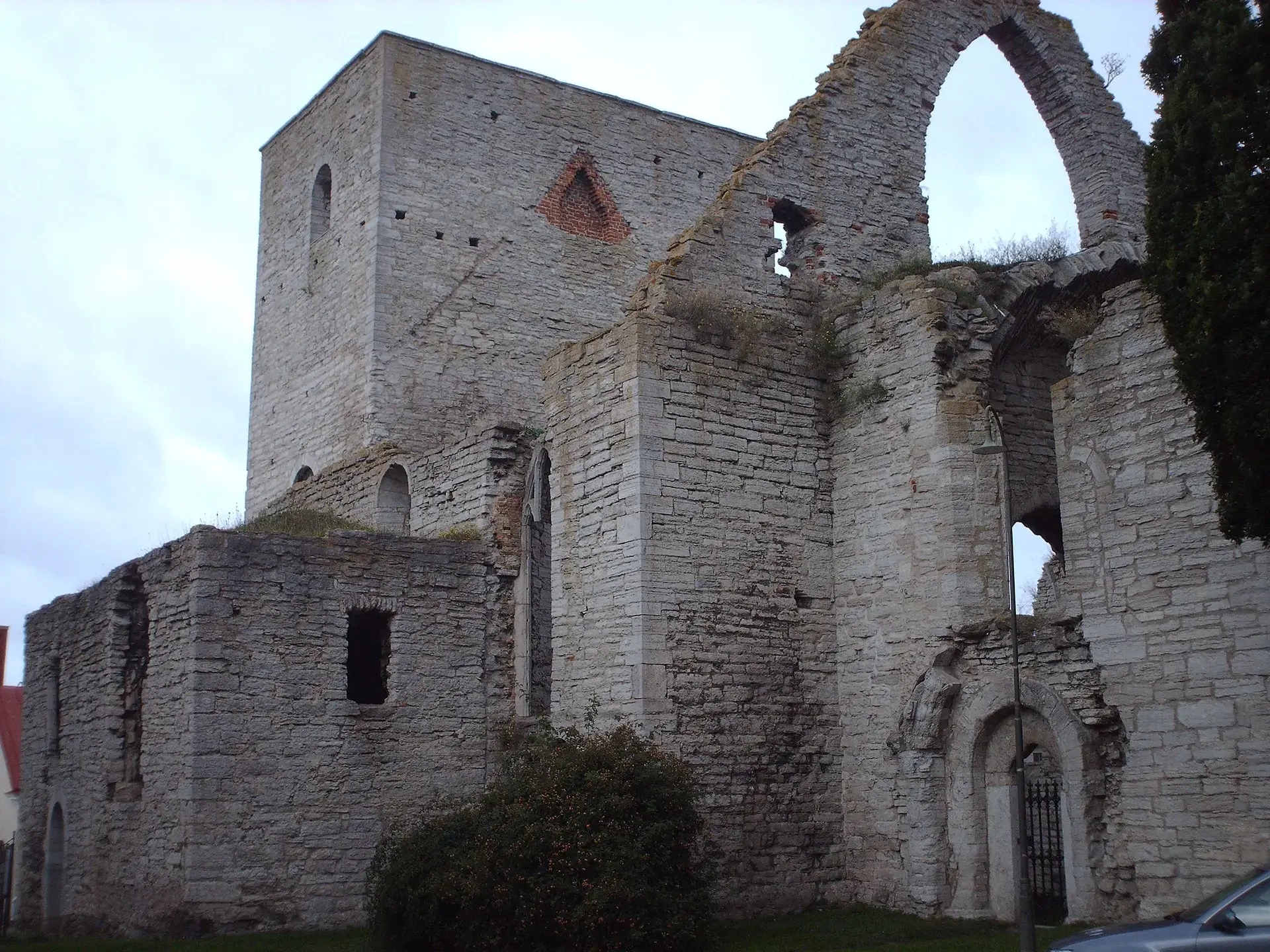
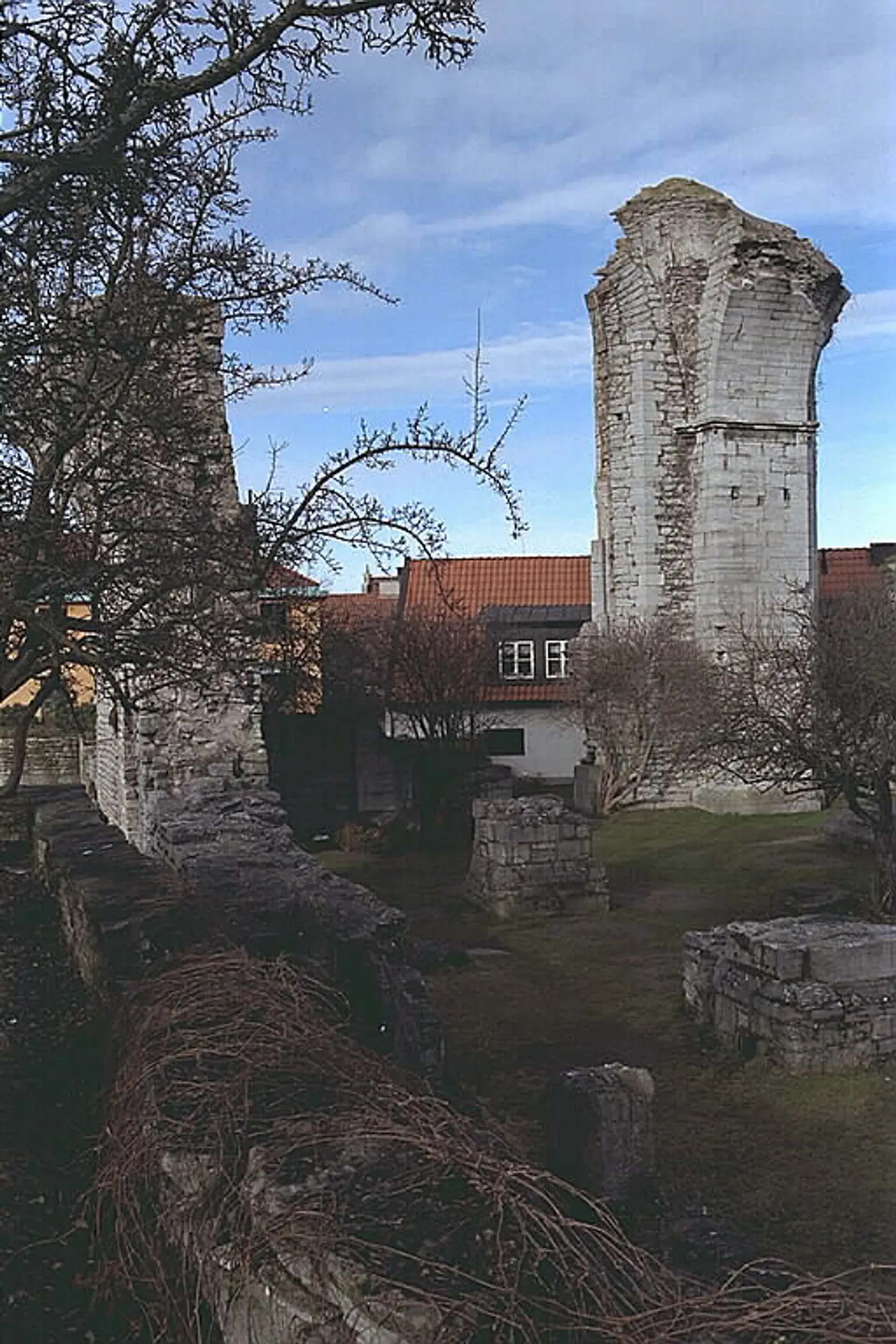
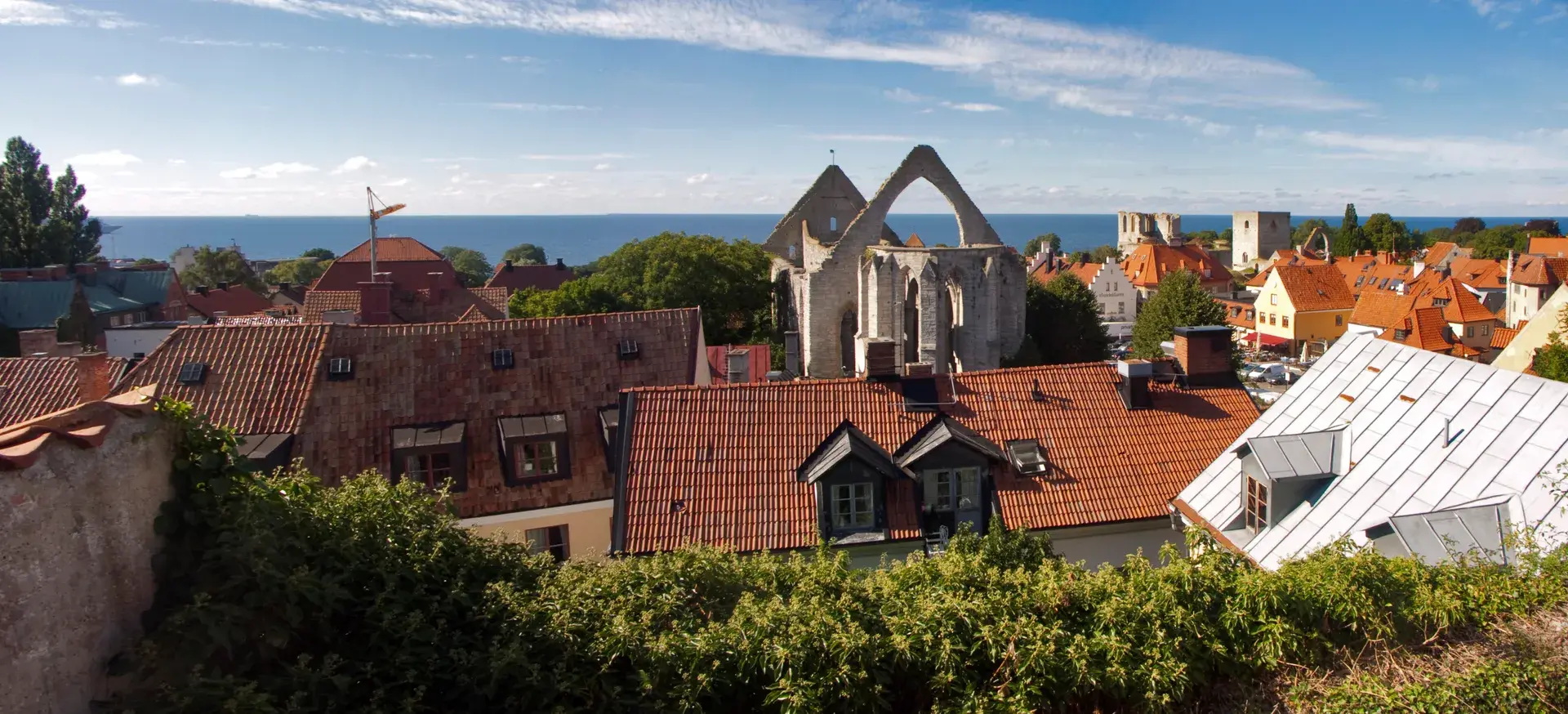
Drottens ruin stands in Visby as a powerful remnant of the city's medieval past. Originally known as S:t Trinitatis Kyrka (Church of the Holy Trinity), its imposing stone walls are a silent testament to a grand history that is integral to Visby's UNESCO World Heritage status.
Origins and Architecture
The church was constructed around 1240, primarily serving as a parish church for Visby's German congregation. Its name, 'Drotten', is derived from an Old Norse word meaning 'ruler' or 'God'. Architecturally, the building is a blend of styles, featuring the thick walls and rounded arches of Romanesque design alongside later Gothic additions. Notably, it possesses unique decorative elements like Anglo-Norman zigzag patterns and dogtooth carvings, which are not found on any other structure in Gotland.
From Abandonment to Neglect
The church's fortunes turned dramatically during the Reformation. In 1528, it was looted and subsequently abandoned, beginning a long period of decay. This decline mirrored a broader trend across Visby as the city's importance waned in the Late Middle Ages. For centuries, the ruin was profoundly neglected. From the 1700s to around 1900, its tower was repurposed as a magazine.
A particularly striking account from 1854 reveals the extent of its degradation. During a royal visit, the Gotlandic cultural figure P.A. Säve intentionally steered King Oscar I away from the site because the former church was being used as a stable, housing cows, pigs, and a large dung heap within its hallowed walls. Earlier, in 1810, a proposal by local residents to demolish the tower over safety concerns was fortunately rejected.
A Modern Landmark
Following archaeological investigations in the early 20th century, the ruin's historical significance was re-established, and a museum dedicated to it opened in 1987. Today, Drottens ruin is an embraced part of Visby's urban landscape. The interior is accessible to the public during the summer months, typically from May to October.
The site serves as a dynamic venue, hosting events on the 'Drottens ruin stage' during Visby's annual Almedal Week and Medieval Week. In the park fronting the ruin stands a statue of Christopher Polhem, a renowned Swedish scientist and inventor. The sculpture, created by Theodor Lundberg, was unveiled in 1911, commemorating a key figure in Swedish history near this significant historical landmark.
FAQ
What was the original name of Drottens ruin?
The ruin was originally named S:t Trinitatis Kyrka, which translates to the Church of the Holy Trinity. It was built around 1240 for the German congregation in Visby.
Why was Drottens ruin abandoned?
The church was looted in 1528 during the Reformation and subsequently abandoned, leading to its gradual decay into a ruin.
What is the meaning of the name 'Drotten'?
The name 'Drotten' comes from an Old Norse word that means 'ruler' or 'God'. There is no historical record of a figure known as 'Saint Drotten'.
Can you visit Drottens ruin?
Yes, the ruin is accessible to the public. Visitors can explore its interior during the summer, generally from May to October.