Visby Harbour: A Medieval Gateway on Gotland
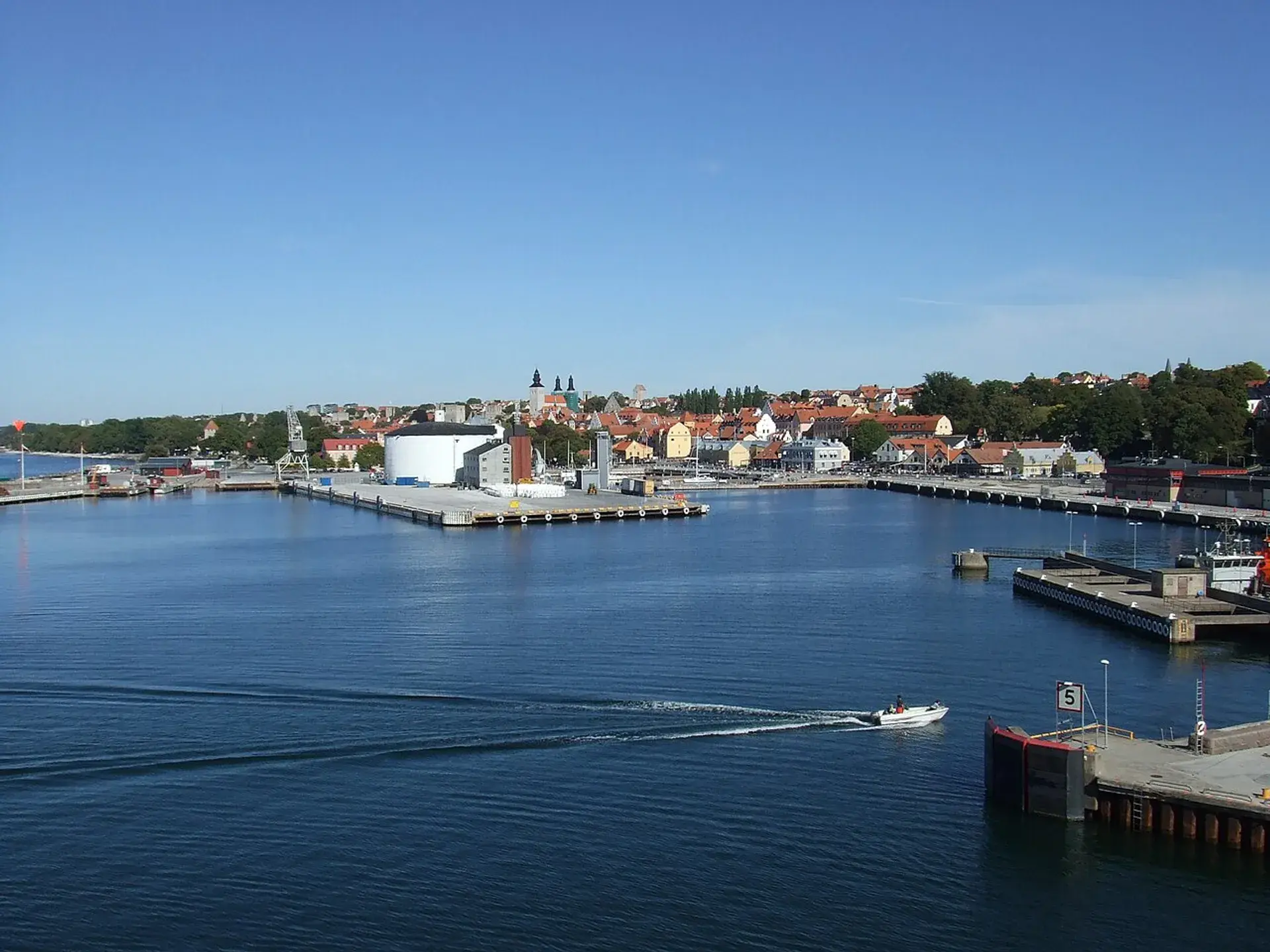
Situated on the western shore of Gotland, Visby Harbour has been a significant maritime site since the Stone Age, serving as the gateway to the UNESCO World Heritage city of Visby. Its history stretches from a Viking Age trading post to a modern hub for ferries and cruise ships, all set against the backdrop of a preserved medieval city wall.
A Storied Maritime Past
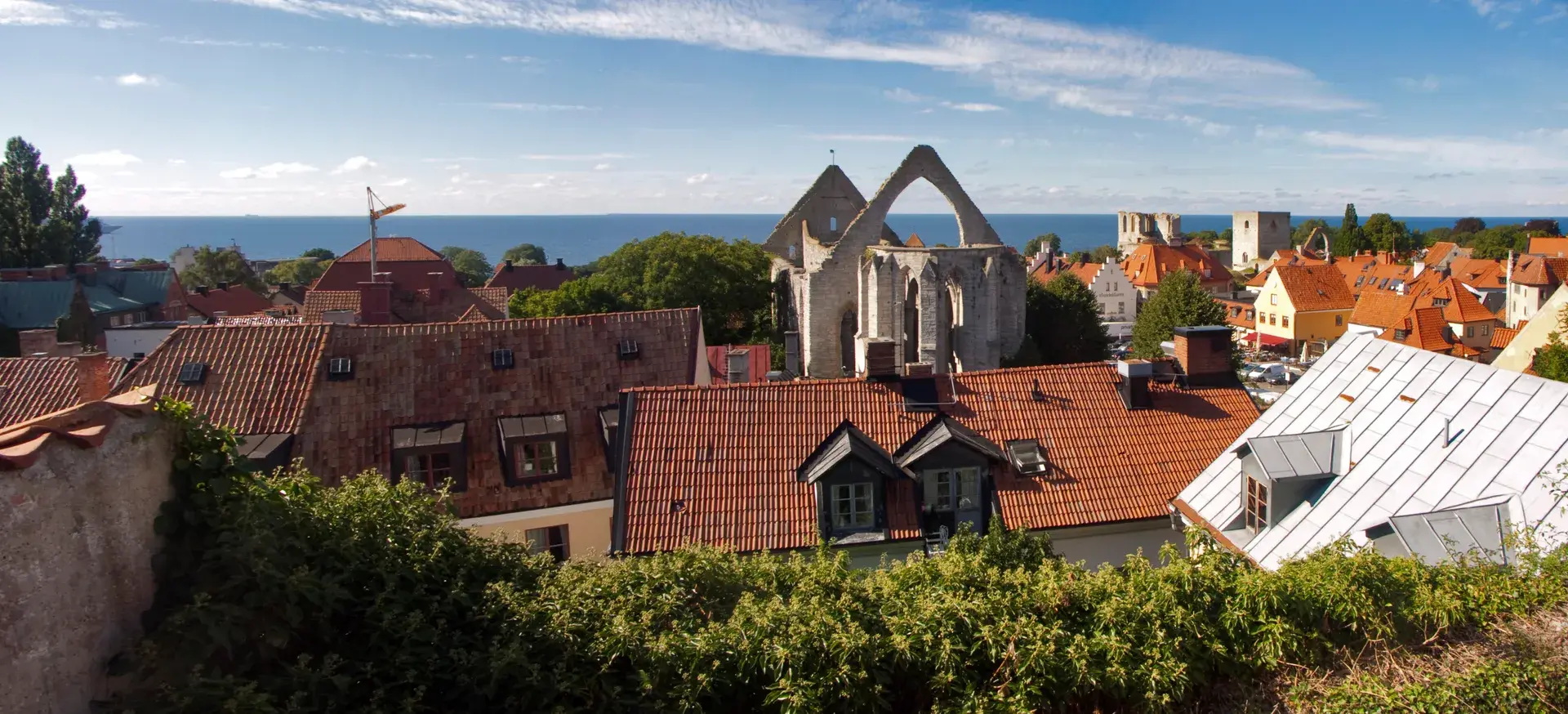
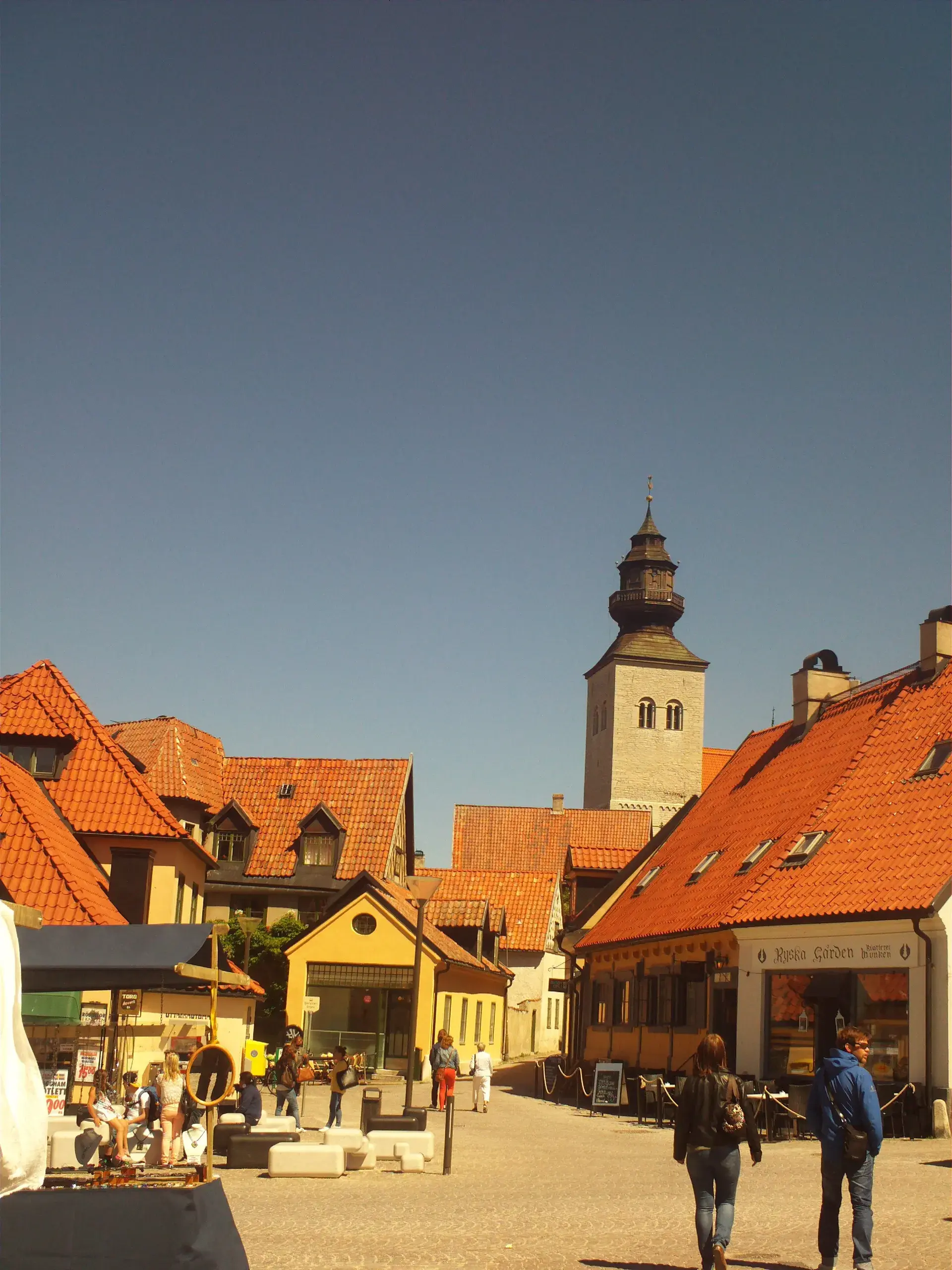
The harbour's importance as a mercantile center began around 900 AD. Its prominence surged in the 12th century when German merchants settled in Visby, leading to the city's inclusion in the powerful Hanseatic League. By the 13th century, Visby reached its economic peak, earning the epithet 'queen of the sea' for its role as a dominant trading hub connecting Western Europe with Russia and the East. Many of the remaining medieval merchant houses exhibit the Romanesque and Gothic architectural styles of this prosperous era.
Fortifications and Conflict
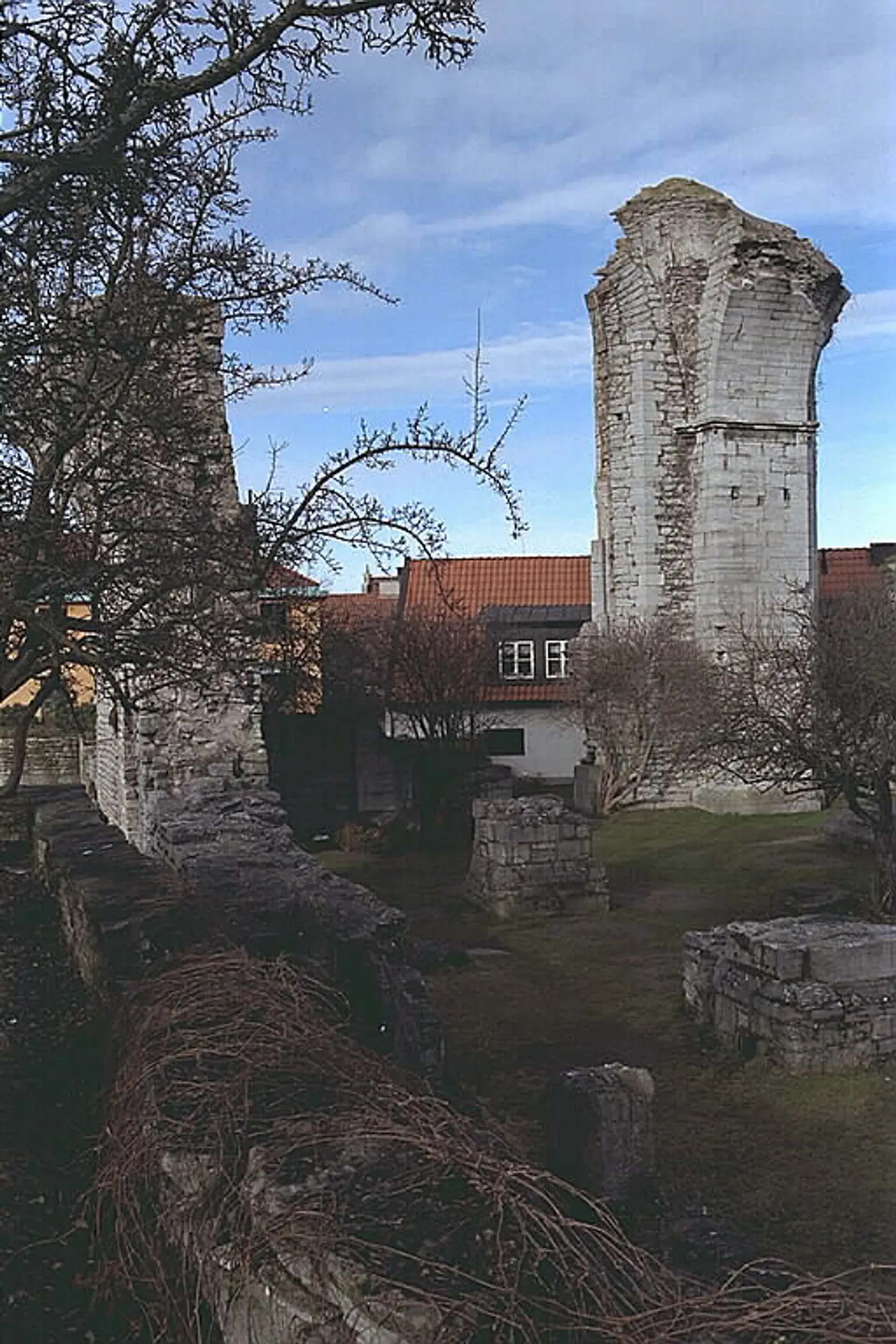
To protect its burgeoning trade and population, construction began on the Visby City Wall, or Ringmuren, in the mid-13th century. This formidable 3.6-kilometer fortification with fifty towers could not prevent future hardships. The harbour’s fortunes turned with the Danish conquest by Valdemar IV in 1361. Further turmoil came in 1394 when pirates known as the Vitalian Brotherhood captured the town and used it as a base, disrupting Baltic trade. A devastating sack by an army from Lübeck in 1525 marked a definitive end to Visby's role as a major trading power. This subsequent economic decline ironically led to the preservation of its medieval townscape.
From Medieval Port to Modern Park
A surprising historical transformation is visible at Almedalen Park, a green oasis near the current harbour. This tranquil space was once the city's main medieval harbour. Over centuries, the harbour became too shallow for larger vessels. In the mid-19th century, the area was drained and converted into the park seen today, a tangible reminder of the city's evolution.
Visby Harbour Today
Today, Visby Harbour is a bustling modern port. It accommodates Ro-Ro ferries, cruise ships, and cargo vessels that primarily handle local agricultural products like grains and livestock. A new cruise dock was constructed in 2018, welcoming approximately 150,000 passengers annually. For leisure boaters, a guest harbour and marina provide mooring spaces and amenities. The port offers convenient access to the historic Old Town, which is about a 20-30 minute walk from the cruise pier along a scenic coastal path.
The City of Roses
Visby is famously known as the 'City of Roses'. The area's mild maritime climate allows climbing roses and other plants to thrive, with blooms lasting well into October. This gives the town and the area near the harbour a distinctive floral scent. Some heritage rose varieties found in the local Botanical Garden are direct descendants of plants brought by Hanseatic merchants in the 13th century.
FAQ
What is Almedalen Park's connection to Visby Harbour?
Almedalen Park was originally the main medieval harbour of Visby. As the water became too shallow for ships over the centuries, the area was drained in the mid-19th century and transformed into the public park seen today.
What was the Hanseatic League's role in Visby's history?
Visby's prominence grew significantly after it joined the Hanseatic League in the 12th century. The league attracted German, Russian, and Danish tradesmen, turning Visby into a commercial metropolis and a dominant trading center in the Baltic Sea.
How is Visby Harbour used today?
Today, Visby Harbour is a modern port for Ro-Ro ferries, cruise ships, and some cargo vessels. A new cruise dock was built in 2018, and a guest harbour provides amenities for leisure boats.