Sankt Hans Kyrkoruin: Visby's Ancient Church Ruin
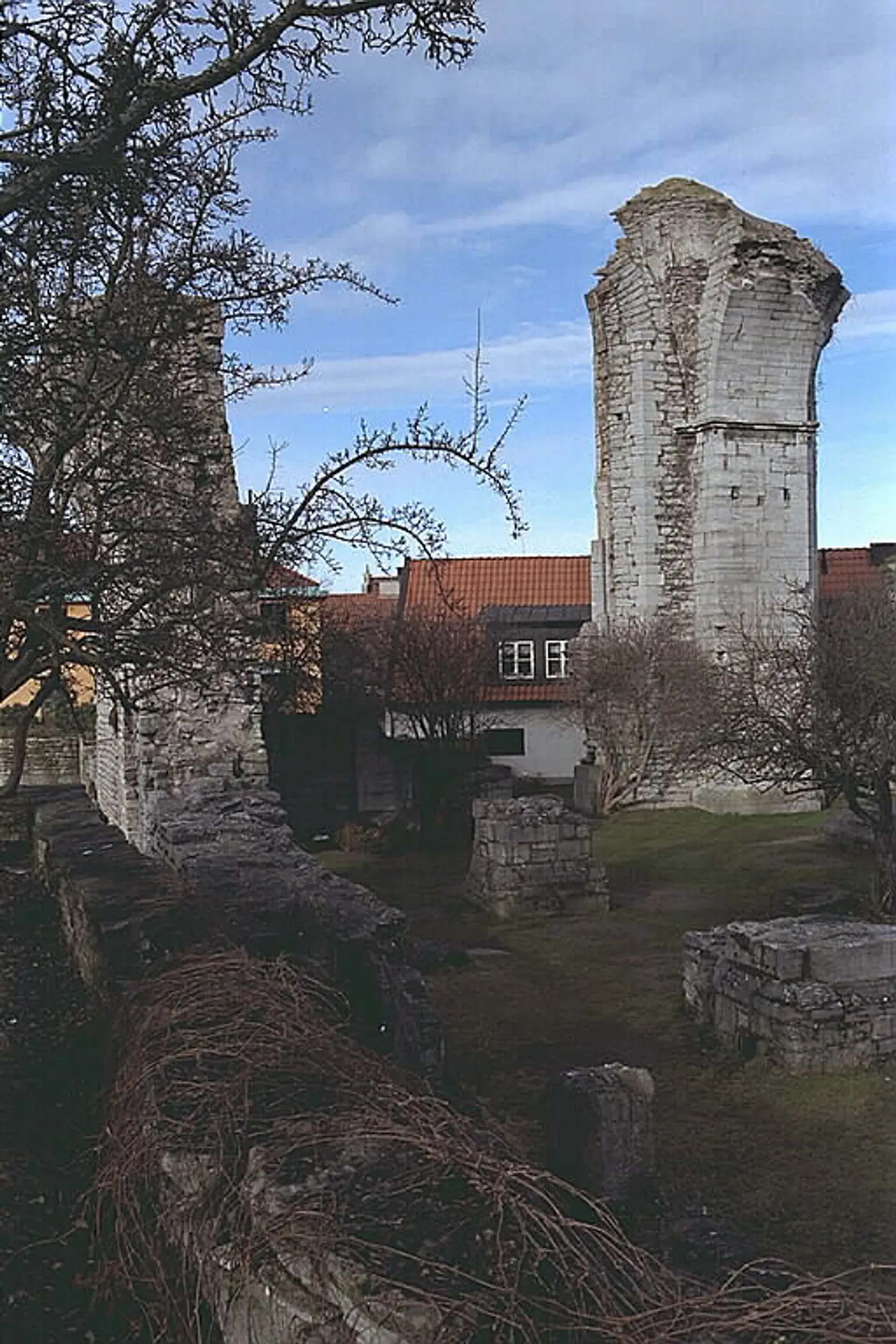
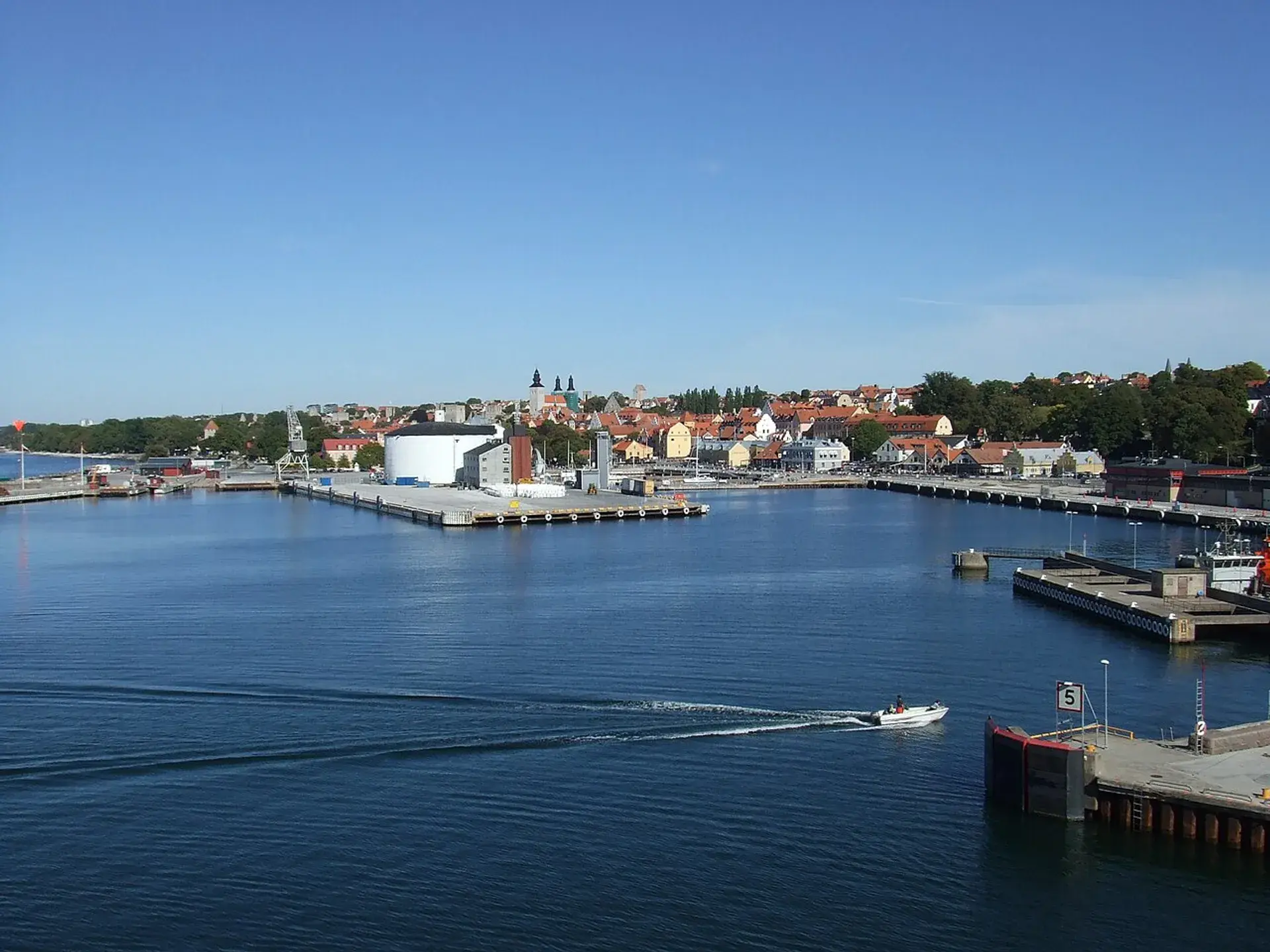
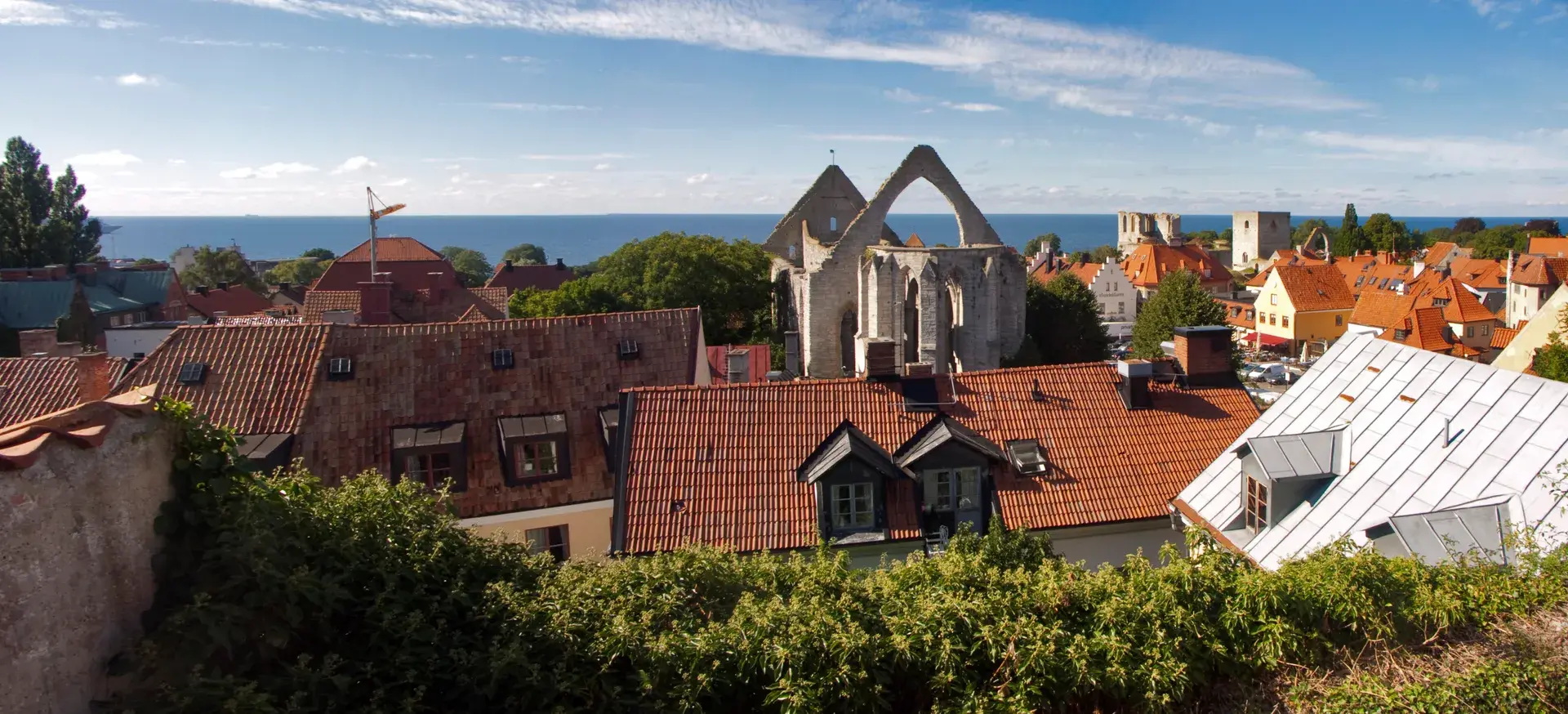
Explore the evocative remnants of Sankt Hans kyrkoruin, an ancient church whose skeletal walls tell tales of Visby's rich spiritual and commercial past. As one of the city's many medieval ruins, Sankt Hans stands as a powerful symbol of Visby's history as a major trading port.
From Pagan Site to Christian Church
The history of Sankt Hans kyrkoruin is believed to begin on a former pagan sacrificial ground, or 'viet'. Around 1060, one of Gotland's first stone churches was constructed on this site. This initial structure was replaced in the early 13th century by a much larger, three-aisled basilica built in the Gothic style and dedicated to Evangelist Johannes.
This new church, Sankt Hans, served the Gotlandic parish community of Visby. It was physically conjoined with its neighbor, Sankt Per, which served the city's German population. Together, they formed Visby's largest church complex, highlighting the diverse communities that shaped the medieval city.
A Site of Historical Turning Points
Sankt Hans played a pivotal role during the Reformation. In 1527, the church hosted Gotland's very first Lutheran service. The service was famously interrupted by Bishop Hans Brask, who expelled the Lutherans. However, they resumed their worship after the bishop's departure, marking a significant moment in the region's religious history.
Decline and Demolition
Following Visby's decline due to shifting trade routes and the effects of the Reformation, many of its churches were abandoned. The demolition of Sankt Hans began in the 17th century and continued into the 1800s. Its stones were systematically reused as building materials for other structures in Visby, including the Lythbergska house in the 19th century. By the early 1800s, the site had become so neglected that the ancient church walls were used as a cowshed, with animals grazing among the ruins.
Archaeological Discoveries
Extensive archaeological excavations, particularly between 1980 and 1986, uncovered much of what is visible today. These digs revealed over 100 graves, many predating the 13th-century church. Among the findings was a runic tombstone known as the 'Hailgair's häll,' dated to about 1070.
Paradoxically, the early and thorough demolition of Sankt Hans and Sankt Per helped preserve history. The process left many medieval gravestones hidden and undisturbed for centuries. This has contributed to Visby possessing the largest preserved collection of medieval tombstones in Europe.
The Ruins Today
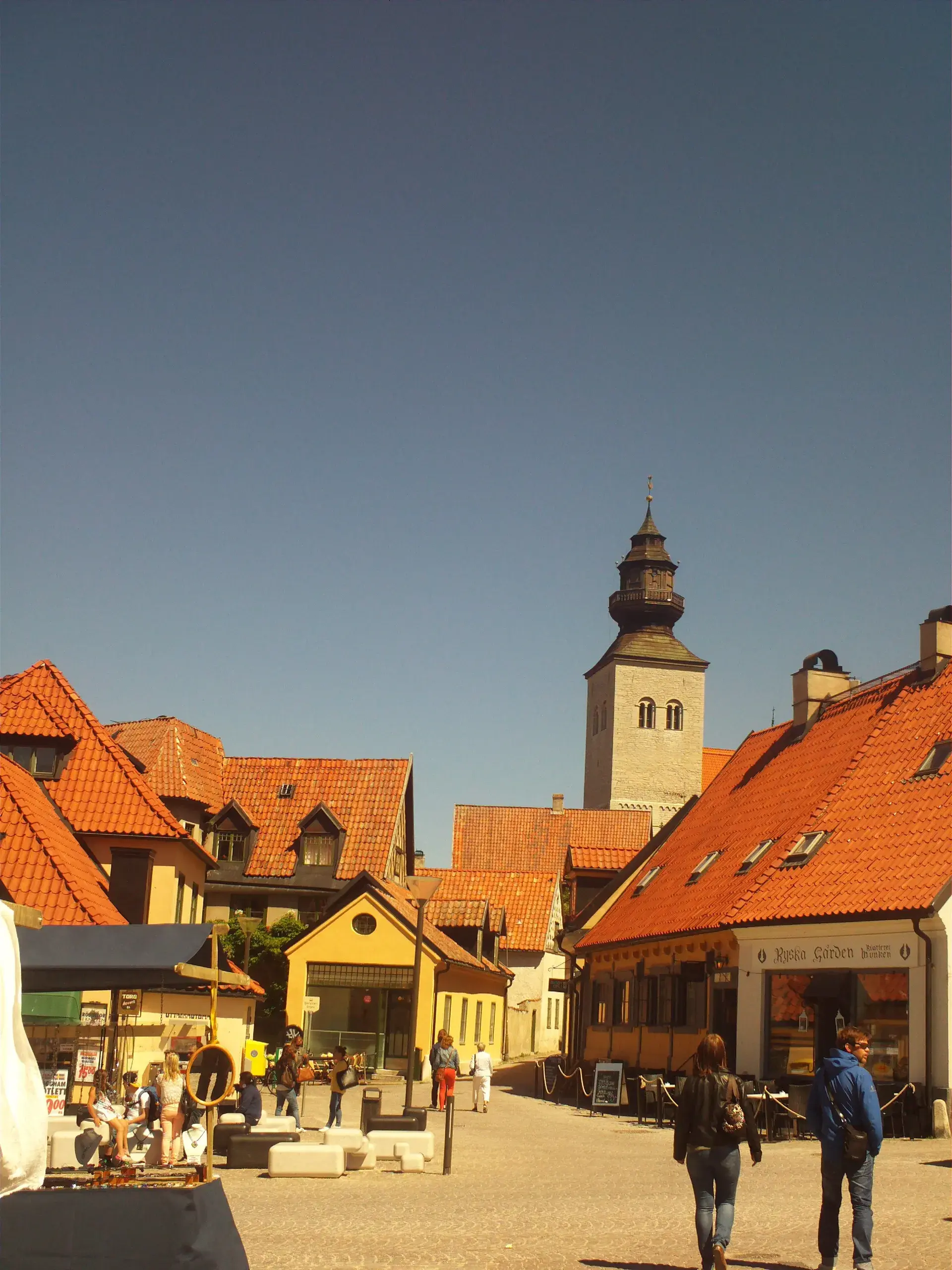
Sankt Hans kyrkoruin is open to the public for free visits throughout the year. During the summer months, a café or restaurant often operates within the ruins, offering outdoor seating where visitors can enjoy the historic garden setting. It remains a popular spot for both locals and tourists to relax and connect with Visby's deep history.
FAQ
What was the site of Sankt Hans kyrkoruin used for before it was a church?
The church was built on the site of an ancient pagan sacrificial ground, known as a 'viet', around the year 1060.
Why does Visby have so many medieval tombstones?
The early and extensive demolition of churches like Sankt Hans meant many gravestones were buried and left undisturbed for centuries, contributing to Visby having the largest preserved collection of medieval tombstones in Europe.
Is there a fee to visit Sankt Hans kyrkoruin?
No, the ruin is open for free visits year-round. A café sometimes operates within the ruins during the summer.
What happened to the stones from the original church?
Starting in the 17th century, the church was deliberately dismantled, and its stones were reused as building material for other structures in Visby, such as the Lythbergska house.