Great Square (Stora Torget): Visby's Historic Heart
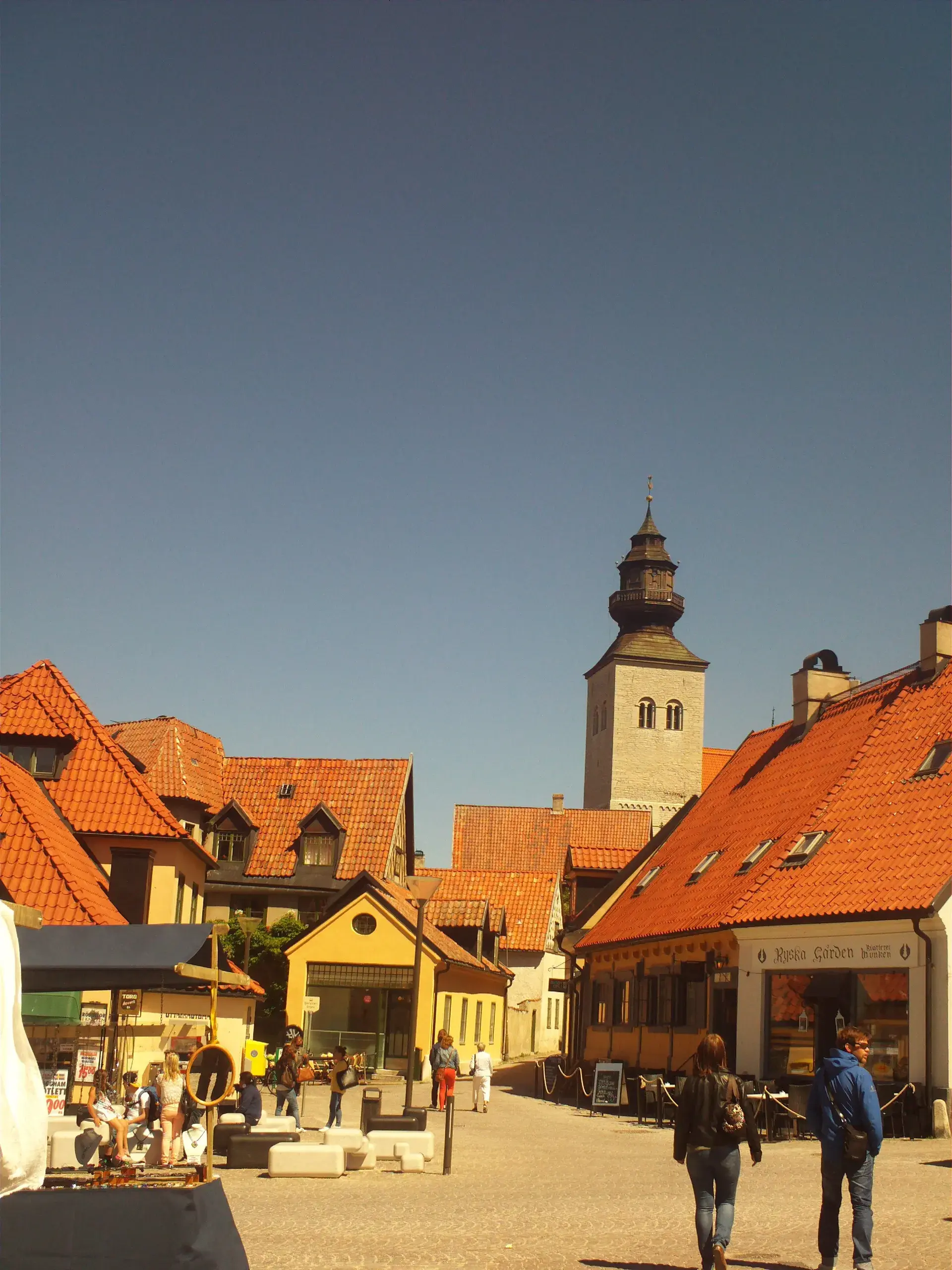
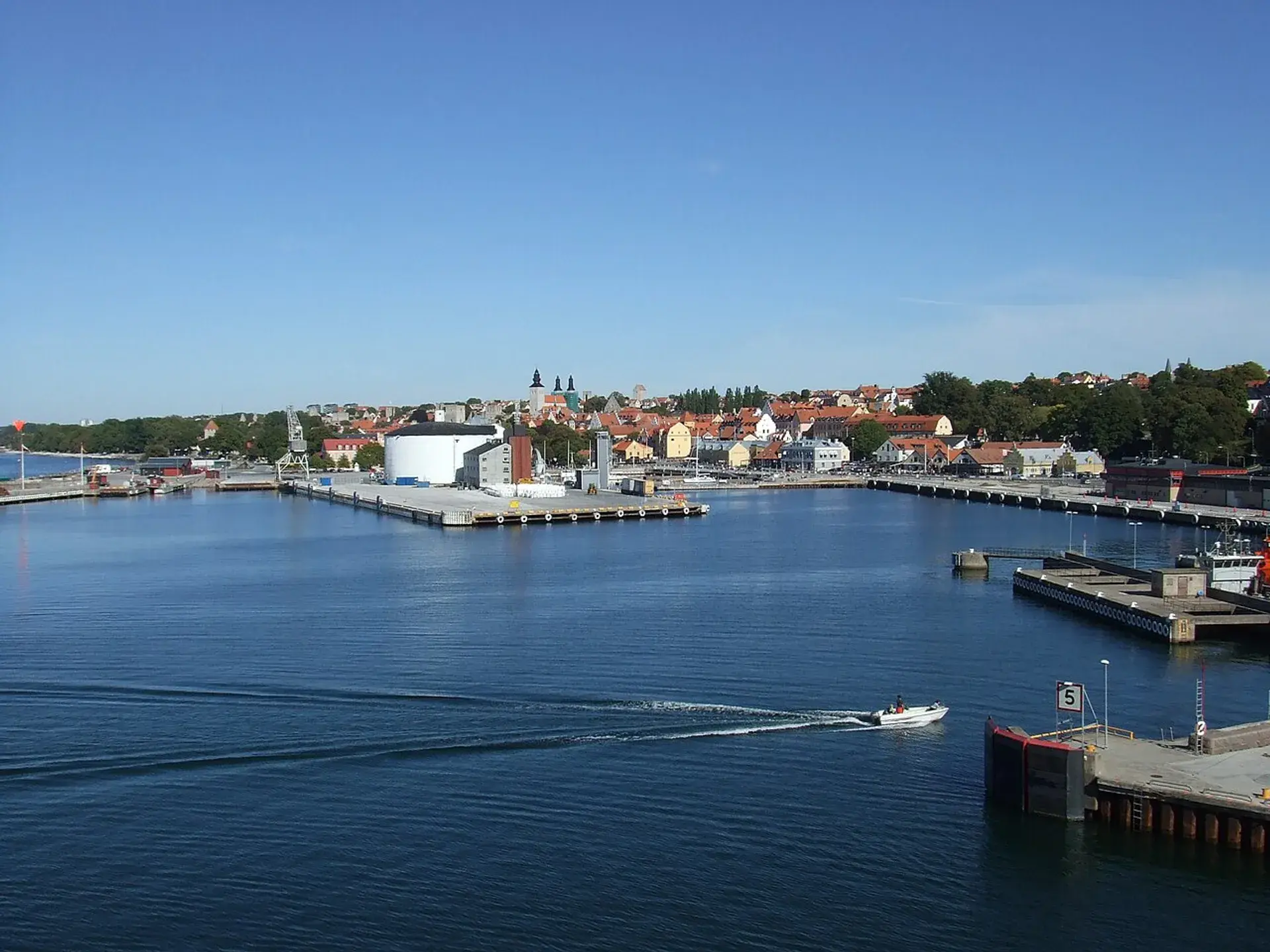
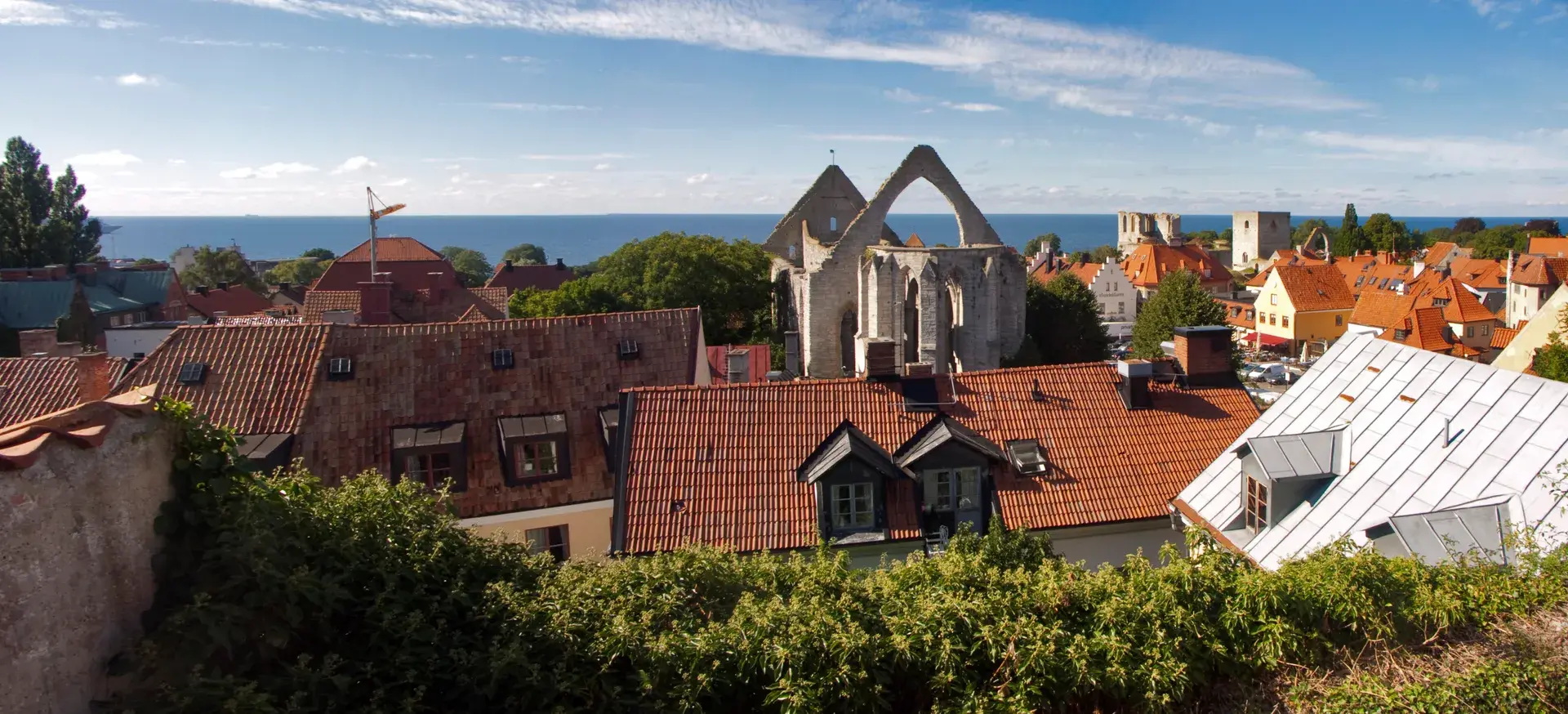
Stora Torget, or the Great Square, is the bustling heart of the UNESCO World Heritage city of Visby. For over 800 years, it has served as a central gathering place, reflecting the city's enduring history as a powerful Hanseatic trading center. Surrounded by historic buildings with medieval foundations, the square is a testament to Visby's well-preserved urban fabric.
A History Spanning Millennia
While the square is quintessentially medieval in appearance, its history runs much deeper. In 1924, an excavation in the northern part of the square unearthed a 4,000-year-old Stone Age settlement, complete with graves. Long before it became a formal plaza, the area in the 1100s was a partially waterlogged open space at Visby's eastern edge, requiring logs to be laid down for carts to pass.
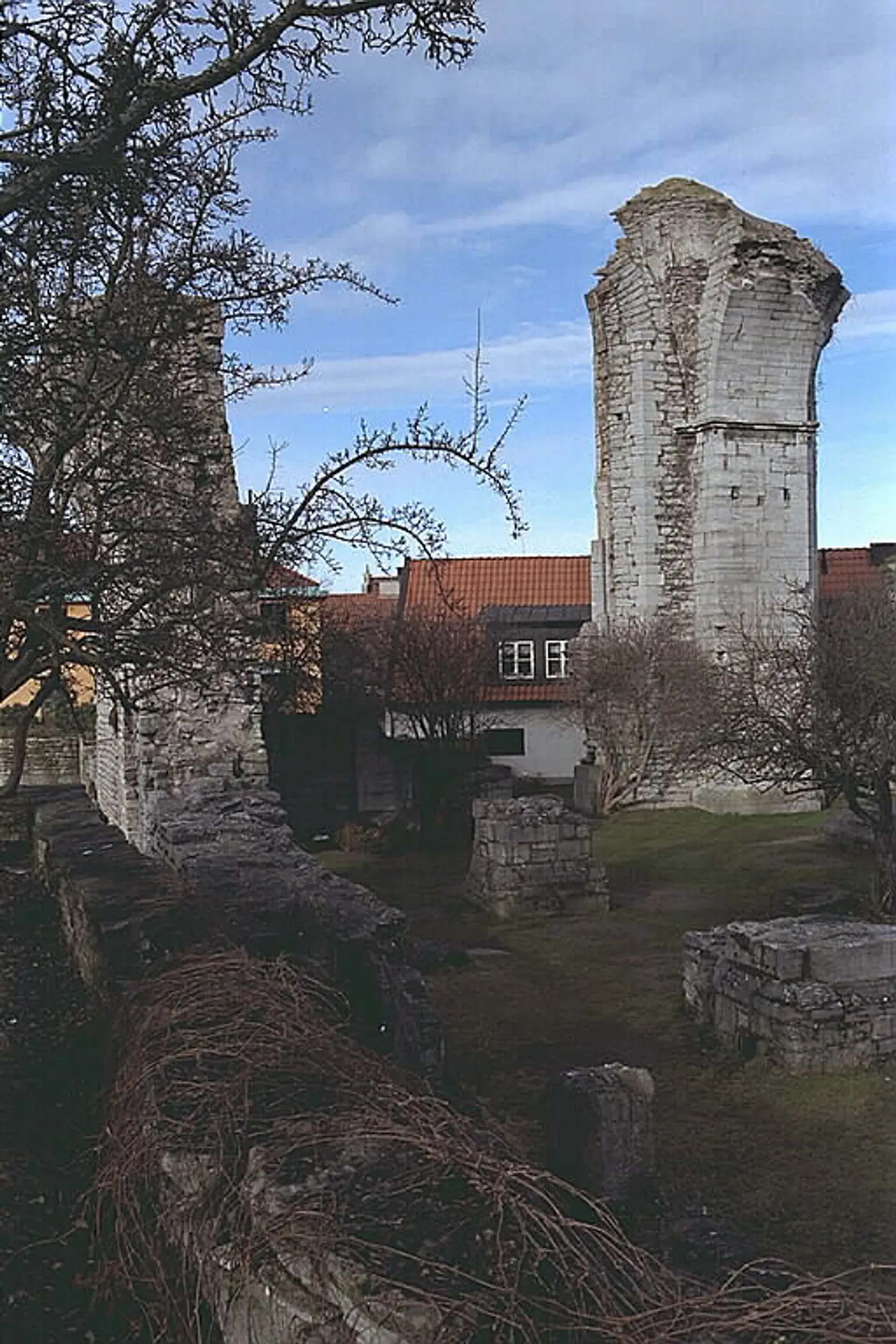
The square as a distinct entity likely took shape in the 1300s, influenced by the nearby Franciscan order. The Franciscans had established the Sankta Katarina church in 1233. An ambitious plan in the early 1300s to rebuild the church into a grander three-aisled hall was halted by Valdemar Atterdag's war against Gotland and the arrival of the Black Death.
A Center of Commerce and Justice
Throughout the Middle Ages and by the 1500s, Stora Torget was Visby's primary meeting and trading place. It was a stage for bartering merchants, public announcements, and festivals. The square also has a darker past; for a century, from approximately 1690 to 1790, it was the site of the town's pillory and scaffold for public punishment.
The square remained smaller than its current form for much of its history, only reaching its present size after an expansion in the 1860s. In the latter half of the 20th century, its function shifted dramatically as it was primarily used as a car park. A major redevelopment in 2011-2012, based on an architectural competition, reclaimed the square as a vibrant public space for people.
Stora Torget Today
Today, Stora Torget has returned to its roots as the social soul of Visby. The square is lined with approximately 14 restaurants and cafes, many offering extensive outdoor seating, especially popular during the summer. It also houses the inner city's only grocery store.
The plaza is a focal point for recurring annual events, including markets during Visby Day in October, a traditional Christmas market, and feasts during the city's famous Medieval Week. It remains a significant and lively meeting place for both locals and tourists, embodying the continuous history of public life in Visby.
FAQ
How old is the Great Square in Visby?
While the square as a defined public space likely formed in the 1300s, archaeological discoveries in 1924 revealed a 4,000-year-old Stone Age settlement and graves beneath its northern part.
What is the Great Square used for today?
Today, Stora Torget is a bustling social center in Visby, lined with numerous restaurants and cafes. It hosts events like the Medieval Week, Christmas markets, and serves as a key meeting place for locals and tourists.
What is the large church ruin next to the square?
The impressive ruin is the Sankta Katarina church, founded by the Franciscan order in 1233. Its expansion in the 1300s was famously halted by war and the Black Death.
Did the square always look like it does now?
No, the square was considerably smaller for much of its history, expanding to its current size in the 1860s. It also served as a car park during the latter half of the 20th century before being renovated in 2011-2012 to restore its function as a public plaza.