Norderport: Visby's Medieval Northern Gate
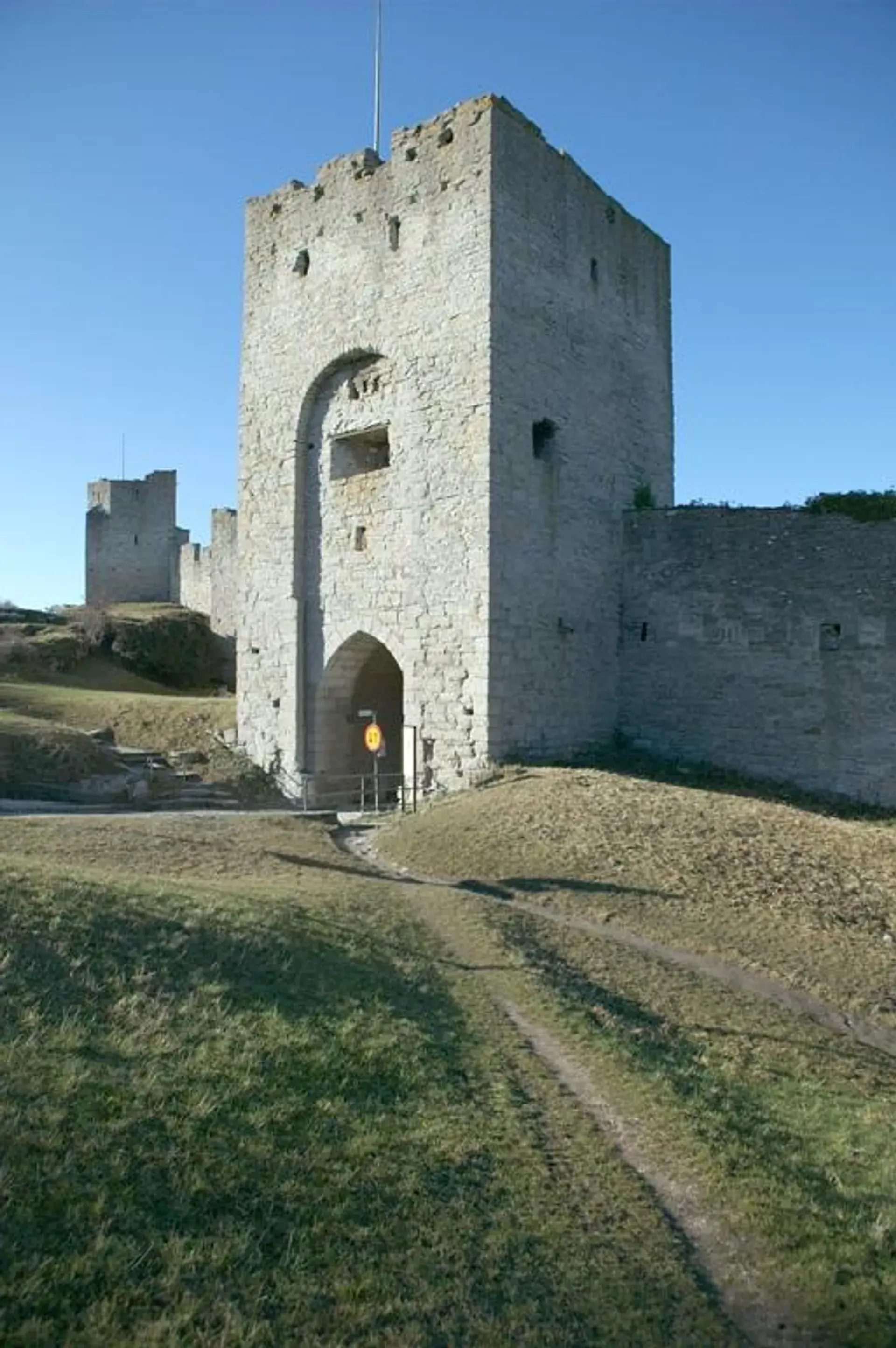
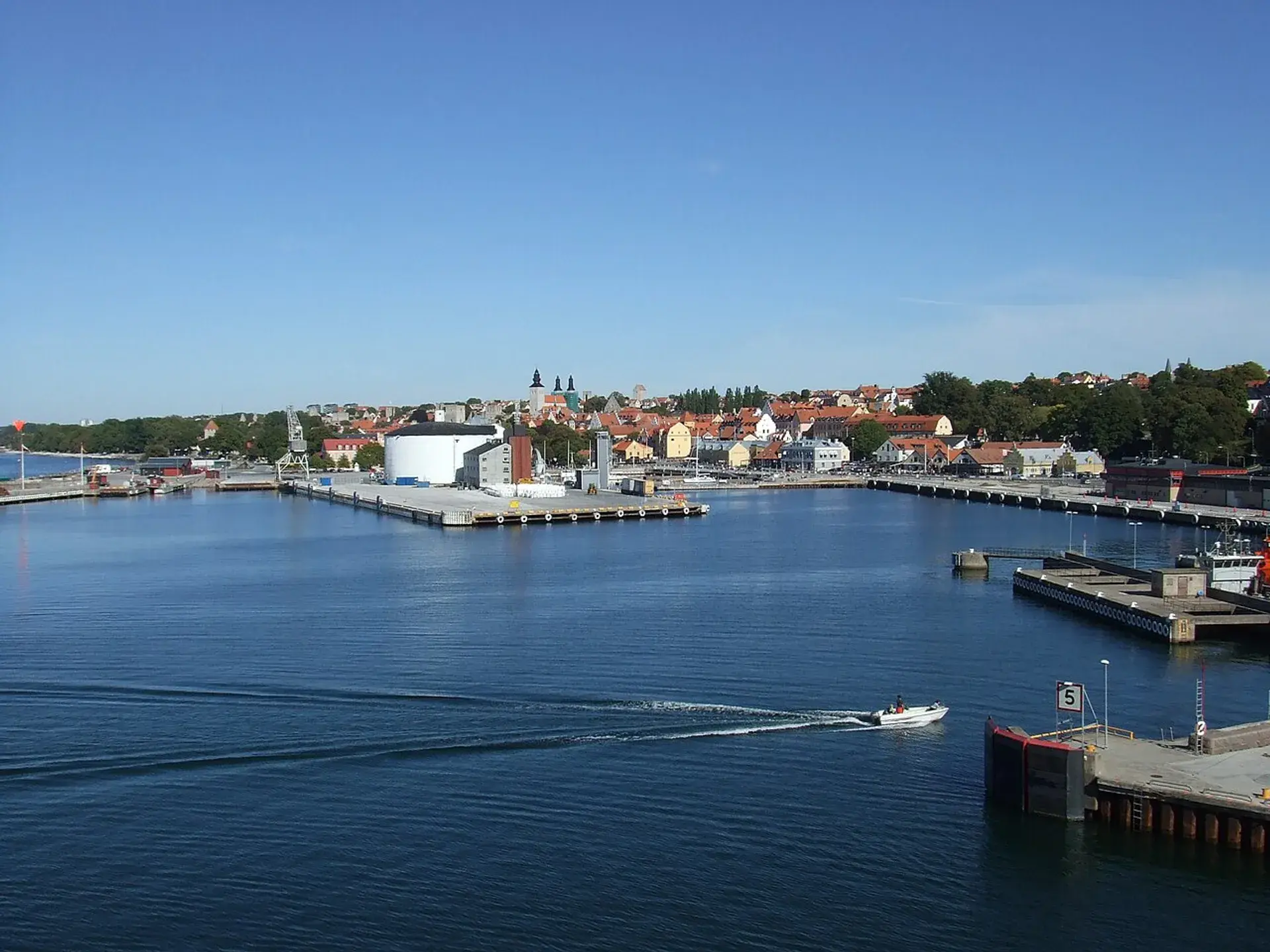
Norderport, or the Northern Gate, stands as an impressive medieval gateway into the historic city of Visby. As a key component of the Visby City Wall, it has witnessed centuries of travelers and trade passing beneath its formidable stone arch. Constructed around 1289, it remains a powerful symbol of Visby's past as a major Hanseatic trading hub.
History and Construction
The construction of Norderport is intrinsically linked to the Visby City Wall (Visby ringmur), which was built in phases during the 13th and 14th centuries. The gate and wall were primarily built for defensive purposes, using locally quarried limestone, rubble limestone filling, and a mortar of lime and clay. The initial building efforts were spearheaded by the city's influential German merchant community, part of the Hanseatic League.
Interestingly, the wall was not only for protection against external threats like Baltic pirates. Its construction was also spurred by internal conflict, specifically a civil war in 1288 between Visby's wealthy urban merchants and the rural population of Gotland. The wall created a physical separation between these two groups.
A Gateway Through Time
In medieval times, Norderport was the most important northern entrance for all goods and people entering Visby. During peacetime, the gates were often left open, secured only by a simple chain. In times of threat, however, the passage was sealed with outer wooden gates and a heavy portcullis. Traces of an even earlier, simpler gate are still visible inside the current tower.
A pivotal event in the gate's history was the Battle of Visby in 1361. The main conflict unfolded just 300 meters from Norderport, leading to the city's surrender to King Valdemar IV of Denmark. As a symbolic act of subjugation, Valdemar ordered a portion of the wall to be torn down, though it was rebuilt by 1363.
Preservation and Modern Use
The Visby City Wall owes much of its remarkable state of preservation to a decline in the city's economic importance after the 14th century, which spared it from extensive modernization. In the late 19th century, from 1884 to 1886, Swedish architect Emil Victor Langlet conducted scientific restoration work that helped preserve the wall's medieval character. In 1995, the entire Visby City Wall, including Norderport, was designated a UNESCO World Heritage site.
Today, Norderport continues to serve as a functional gateway. It is one of the few gates in the wall that is still open to vehicular traffic, acting as a primary northern entrance into the historic city center. It is also a prominent landmark for pedestrians, offering a dramatic entry point for exploring Visby's medieval core.
FAQ
When was Norderport in Visby built?
Norderport was constructed around 1289 as part of the larger Visby City Wall, which was built primarily during the 13th and 14th centuries.
Why was the Visby City Wall built?
The wall was built to protect the prosperous Hanseatic city from external threats like pirates, but also significantly to create a separation between the wealthy urban German merchants and the rural Gotlandic farmers following a civil war in 1288.
Can you drive through Norderport?
Yes, Norderport is one of the few city gates in Visby that remains open to car traffic, serving as a main vehicular entrance from the north into the historic walled city.
Is Norderport part of a UNESCO World Heritage site?
Yes, the entire Visby City Wall, which includes Norderport, was designated a UNESCO World Heritage site in 1995 as an outstanding example of a preserved medieval walled town.