Snäckgärdsporten: Visby's Historic Medieval Gate
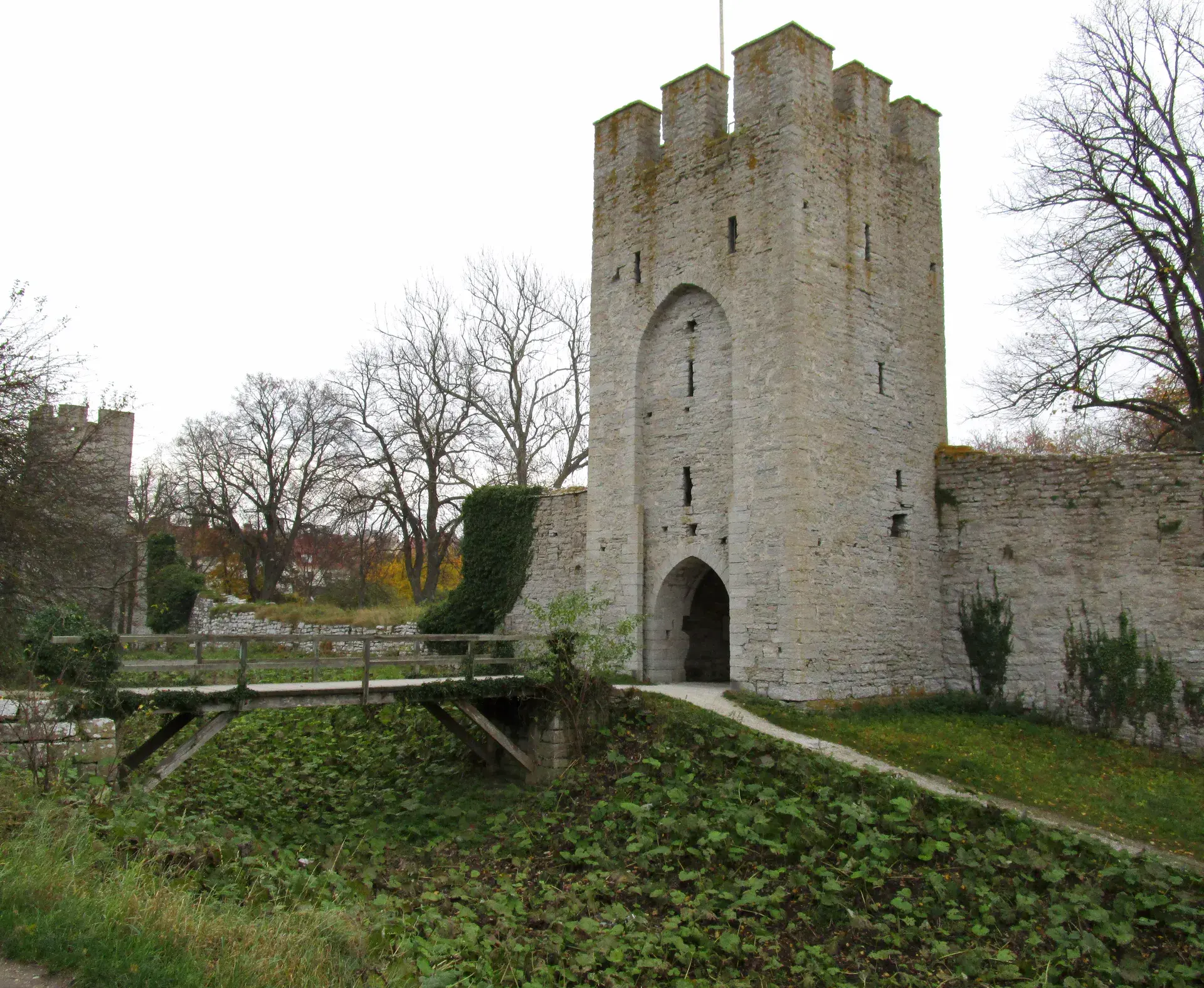
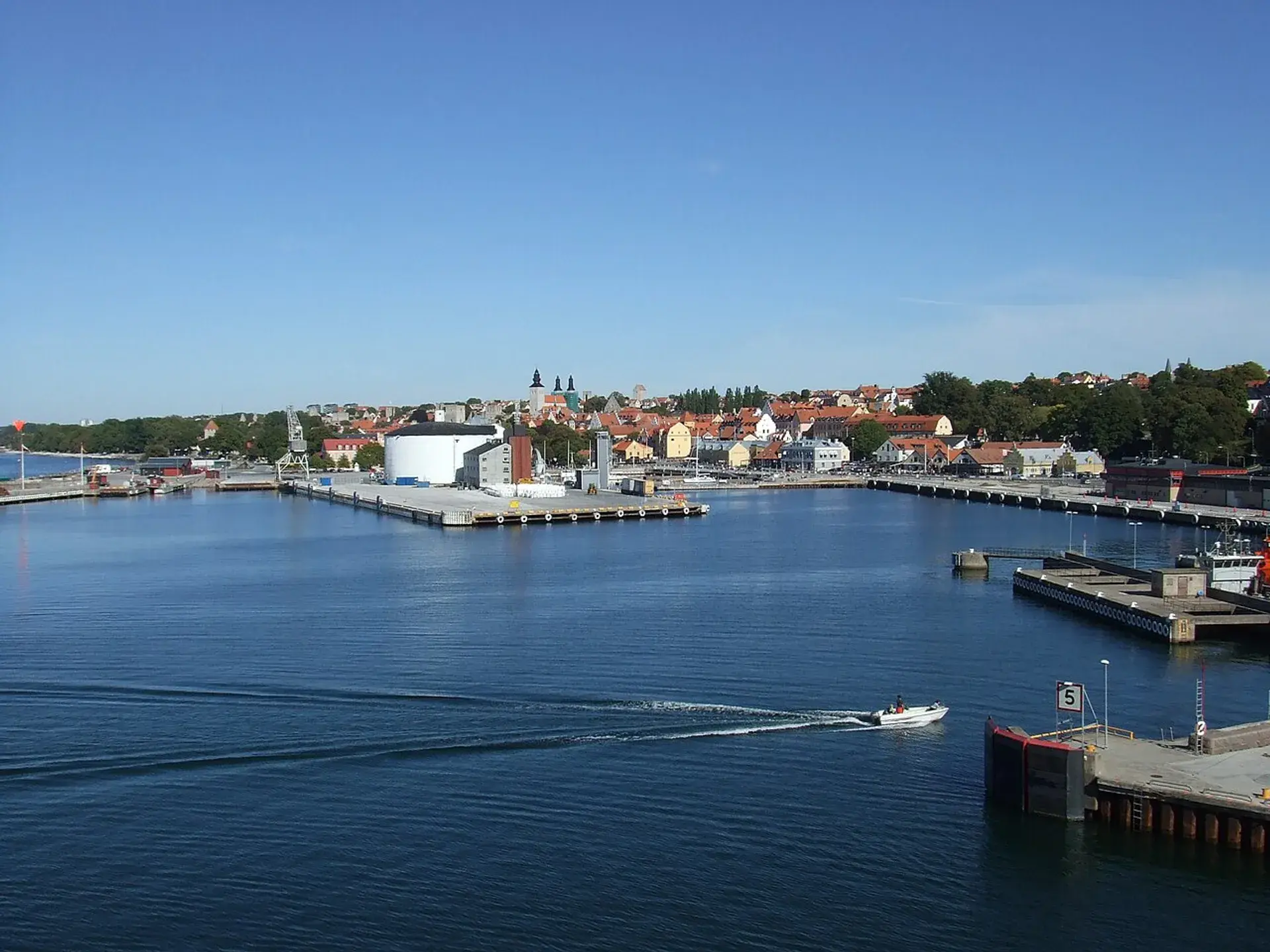
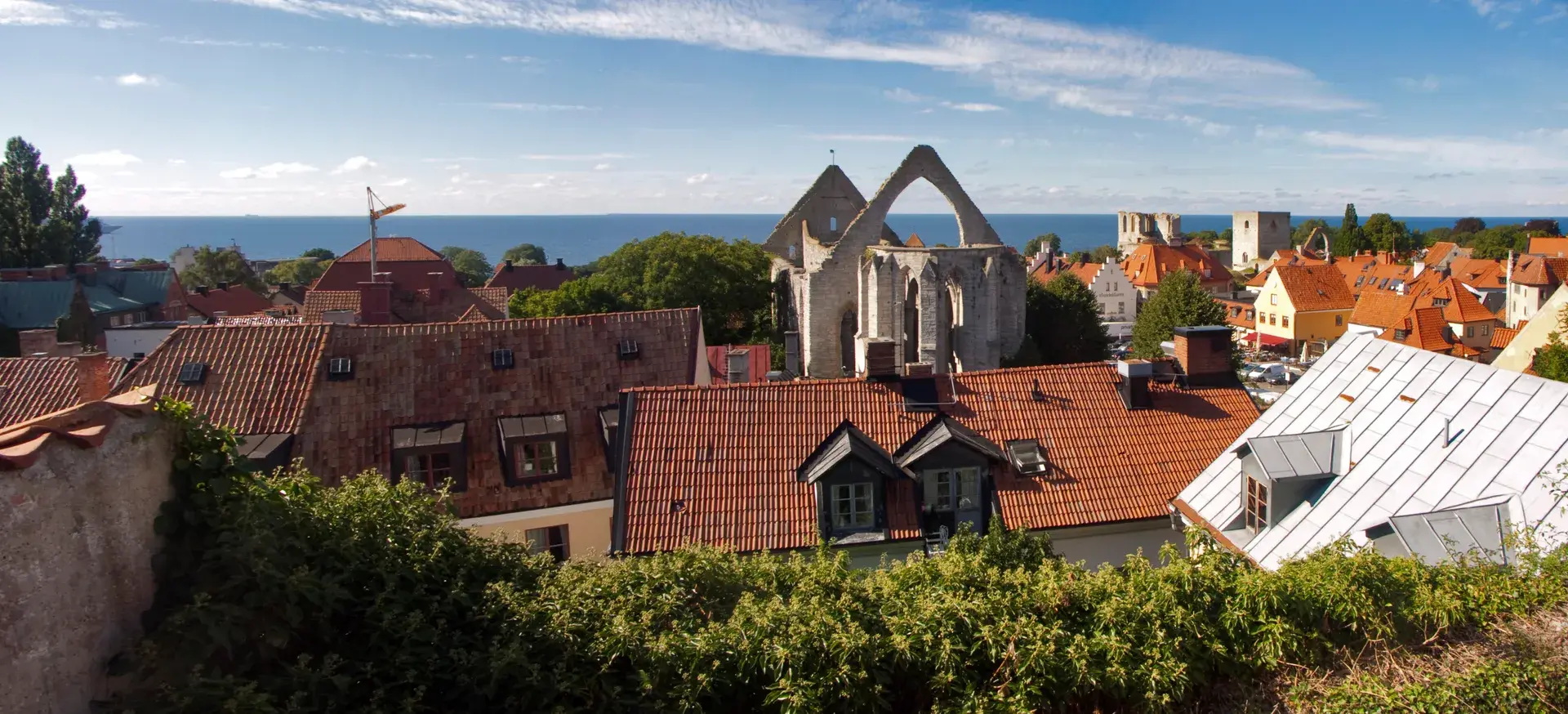
Snäckgärdsporten, also known as the Snäckgärds Gate, is one of the oldest and most imposing gate towers of the Visby City Wall. As an integral component of the best-preserved medieval city wall in Scandinavia, it stands as a powerful testament to the Hanseatic Town of Visby's storied past, which was designated a UNESCO World Heritage Site in 1995.
A Medieval Defensive Structure
Constructed in the late 1290s, dendrochronological dating places its origin after 1294. The gate was part of the larger wall-building effort that followed a civil war on Gotland in 1288 between the town of Visby and the surrounding countryside. Its medieval architectural style features right angles, a design that limited the shooting range for contemporary weapons like crossbows and longbows.
Snäckgärdsporten was engineered to be a crucial defensive point, specifically designed to protect against threats such as battering rams. It replaced an earlier double gate, and remnants of the original structure's western part are still present. The outer facade still features grooves that show where a portcullis—a heavy defensive grating—could be lowered to secure the entrance.
A History of Transformation
Throughout its history, the gate has been known by several names. It was initially called Västerport (West Gate) and later Odeport. For a time, it was also referred to as Fahnehjelmska porten, named after a local resident who funded a wooden bridge over the moat in the 1880s. Its current name is derived from the Snäckgärdet area located just outside the wall.
A significant chapter in the gate's history occurred from the 1700s until 1885, when its outer opening was completely bricked up. In a surprising turn, from the 1840s onward, the sealed archway housed a summer café known as 'Caffe och Theserveringen i Odenstornet', which served coffee, tea, and punch. The gate was finally reopened during restoration work carried out by architect Emil Victor Langlet between 1884 and 1886.
Snäckgärdsporten Today
Today, Snäckgärdsporten serves as a tranquil passageway for pedestrians and cyclists, as larger vehicles are not permitted. It is often less crowded than other major gates along the city wall. Since 2009, modern stairs provide access to the top of the tower, where visitors can enjoy panoramic views of the Baltic Sea and the surrounding countryside.
FAQ
When was Snäckgärdsporten built?
Snäckgärdsporten was constructed in the late 1290s, with dating indicating it was built after 1294. It is one of the oldest gate towers in the Visby City Wall.
What is surprising about Snäckgärdsporten's history?
From the 1840s for several decades, while its outer opening was bricked up, the gate's archway housed a summer café called 'Caffe och Theserveringen i Odenstornet', serving refreshments to patrons.
Can you go to the top of Snäckgärdsporten?
Yes, visitors can access the top of the tower via modern stairs that were installed in 2009. The top offers panoramic views of the Baltic Sea.
Why is the Visby City Wall a UNESCO World Heritage Site?
The Hanseatic Town of Visby, including the city wall and Snäckgärdsporten, was designated a UNESCO World Heritage Site in 1995. It is recognized as an exceptional example of a medieval walled trading town in Northern Europe.