Visby Cathedral: History of a Hanseatic Merchant Church
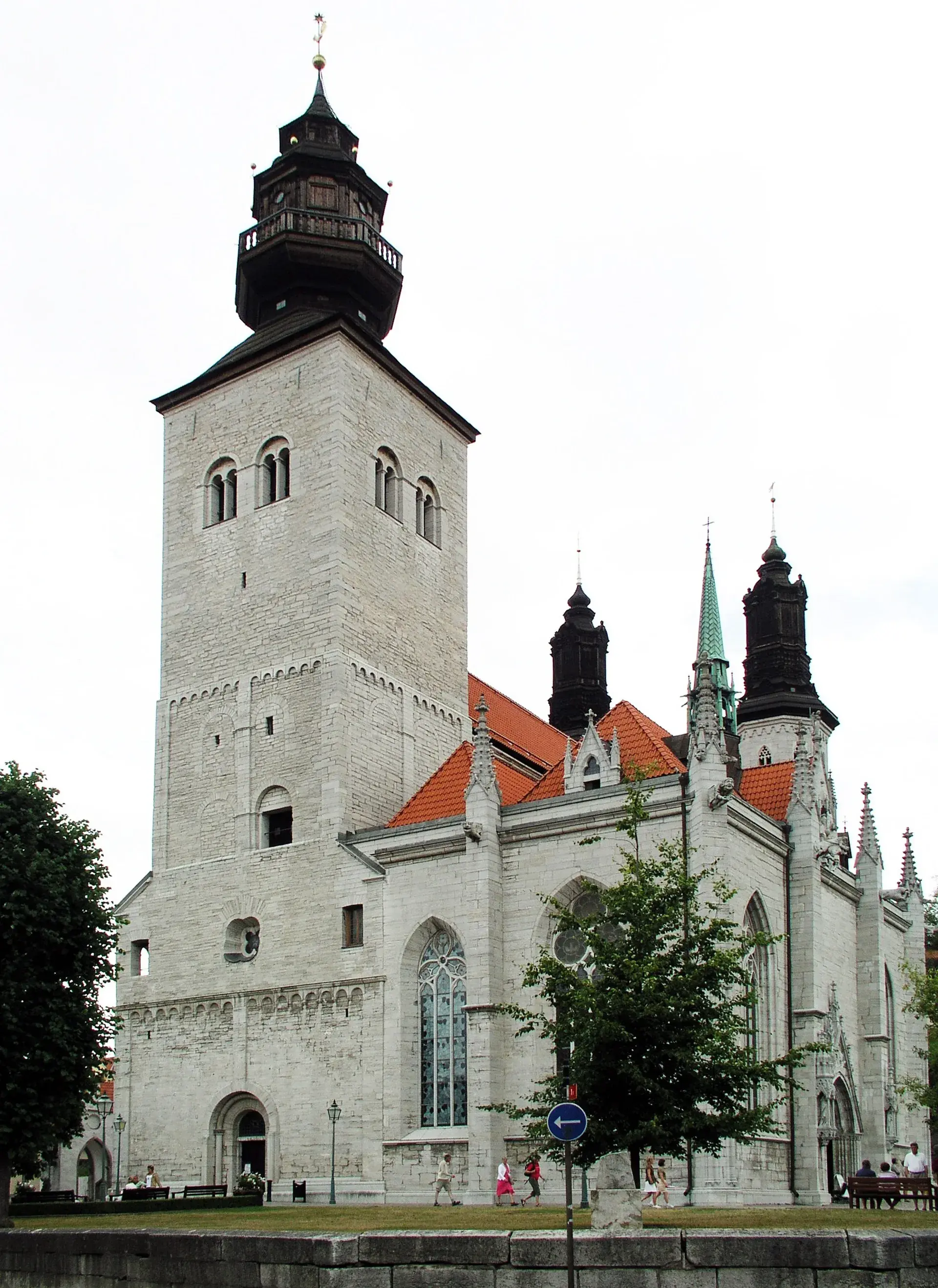
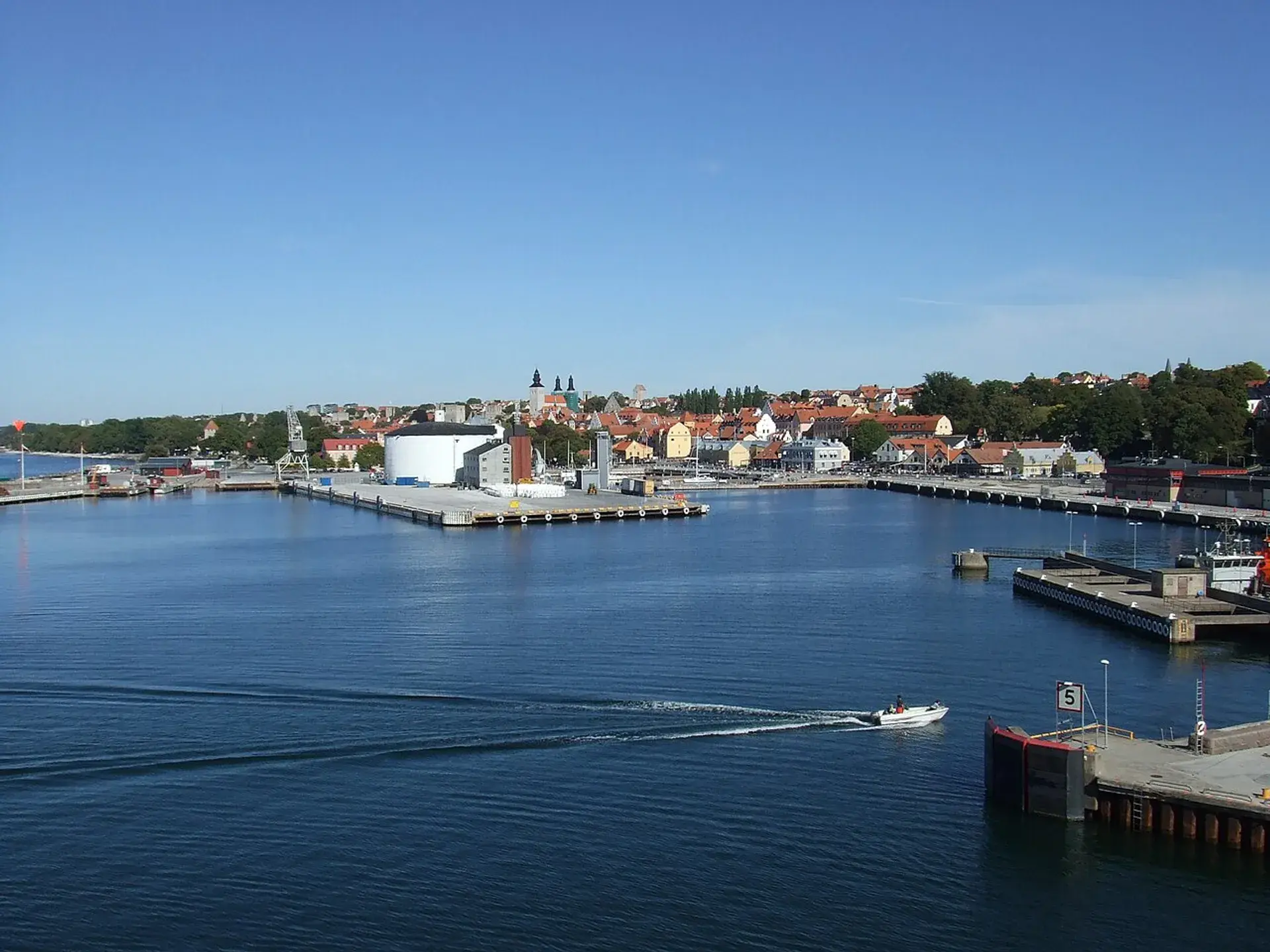
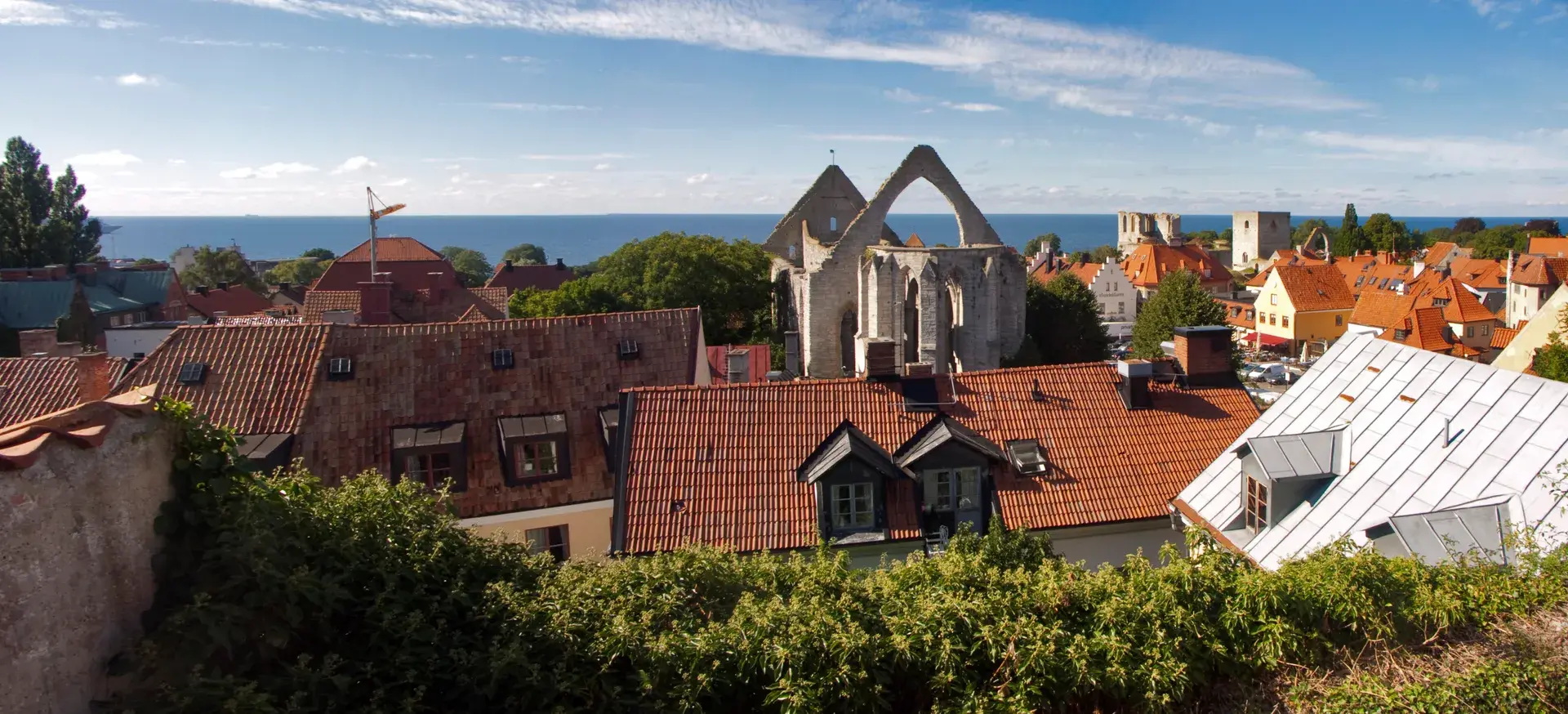
Visby Saint Mary's Cathedral, known as Visby Domkyrka, is a magnificent Church of Sweden cathedral whose spires dominate the skyline of Visby on the island of Gotland. This landmark represents centuries of spiritual and commercial heritage, standing as a testament to the city's prominent past as a Hanseatic trading hub.
A Merchant's Church
Construction on the stone church began in the late 1100s, initiated and funded by German merchants active in the bustling port of Visby. The financing was uniquely gathered through levies on German trading ships arriving in the harbor. The building shows architectural influences from medieval German styles, particularly from Westphalia and the Rhineland, blended with French Gothic elements.
Originally built as a Romanesque basilica, it was later transformed into a hall church. Bishop Bengt Magnusson of Linköping formally consecrated the church on July 27, 1225. For nearly two centuries, from 1225 to 1429, it uniquely served two separate congregations: one for German speakers and another for the local Gotlandic-speaking community.
From Warehouse to Sanctuary
The cathedral's design holds a surprising secret tied to its commercial origins. During the Middle Ages, the German merchants who funded its construction had vaults and floors added to the attic space above the nave. This area was used as a secure warehouse for their valuable trade goods. This practical addition had a lasting architectural impact, contributing to the notably dark and atmospheric interior by reducing the amount of natural light that could enter the main worship area.
A History of Resilience
Visby Cathedral has weathered significant historical changes. In 1525, when forces from Lübeck attacked and burned Visby, many of the city's churches were destroyed, but St. Mary's was spared. Following the Protestant Reformation, it became the city's parish church in the 1530s and is the only one of Visby's medieval churches that has remained in continuous use.
The cathedral's history also reflects the shifting political landscape of the region. Gotland became part of Denmark in 1361 before being transferred to Sweden in 1645 under the Treaty of Brömsebro. The church officially achieved cathedral status in 1572 with the establishment of the Diocese of Visby. Its towers have been damaged by fire multiple times, with spires being replaced in 1611, 1744, and 1761.
Architectural Treasures
Over the centuries, the cathedral has been endowed with numerous historical artifacts. A decorated wooden pulpit, a gift from the trader and later mayor Johan Wolters in 1684, features a unique quadruple hourglass used for timing sermons. The Swerting Chapel was added around 1349 by the sons of Herman Swerting, a Visby mayor who was executed in 1342.
The interior also houses five organs, one of which dates to 1599, and the oldest baptismal font on Gotland, from the 1200s. In 1960, a carillon of 45 bells was installed in the southeast tower. The building has undergone several major renovations to preserve its heritage, notably between 1899-1903 under Axel Haig and 1979-1985 with Jerk Alton.
The Cathedral Today
Today, Visby Cathedral is an active parish church and the seat of the Bishop of Visby, attracting between 200,000 and 300,000 visitors annually. It hosts near-daily religious services, as well as a rich program of cultural events, including organ recitals and summer music concerts. The parish also manages cemeteries, community programs, and a preschool. Visitors can take guided tours, including dramatized evening tours of the medieval attic, exploring the very rooms that once served as a merchant warehouse.
FAQ
Why is the inside of Visby Cathedral so dark?
The dim lighting is a result of its unique construction. In the Middle Ages, German merchants who funded the church added vaults and floors in the attic to use as a secure warehouse for their goods, which reduced the amount of natural light entering the main nave below.
When was Visby Cathedral built?
Construction of the stone church began in the late 1100s, funded by German merchants. It was formally consecrated as St. Mary's Church on July 27, 1225.
Is Visby Cathedral still an active church?
Yes, it is an active parish church within the Church of Sweden and serves as the seat of the Bishop of Visby. It holds regular services and is a vibrant cultural center, hosting concerts and events.
What is the oldest item in Visby Cathedral?
The oldest item in the cathedral is its baptismal font, which dates from the 1200s and is the oldest of its kind on the island of Gotland.