Visby Town Wall: A Medieval Fortress in Sweden
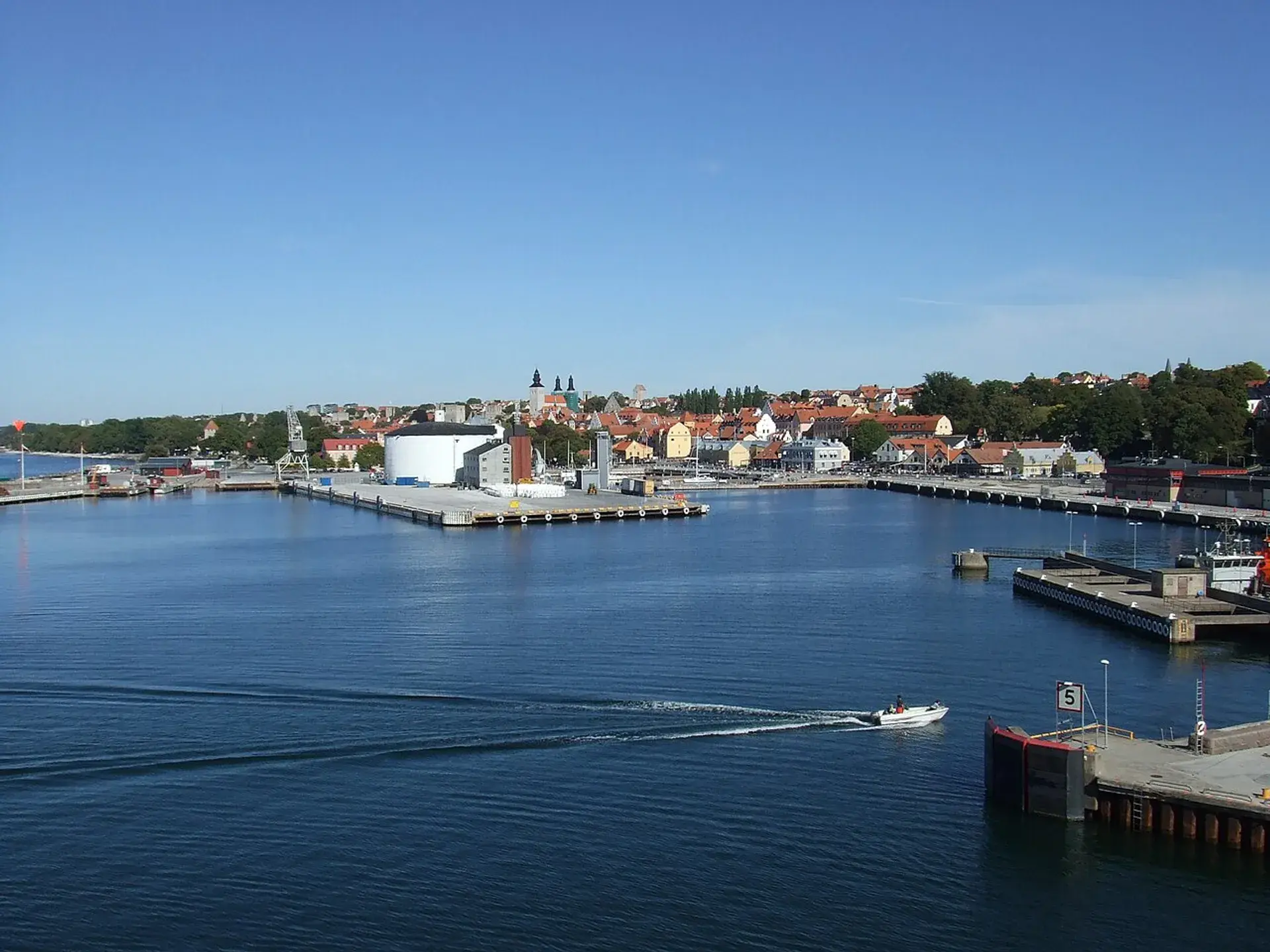
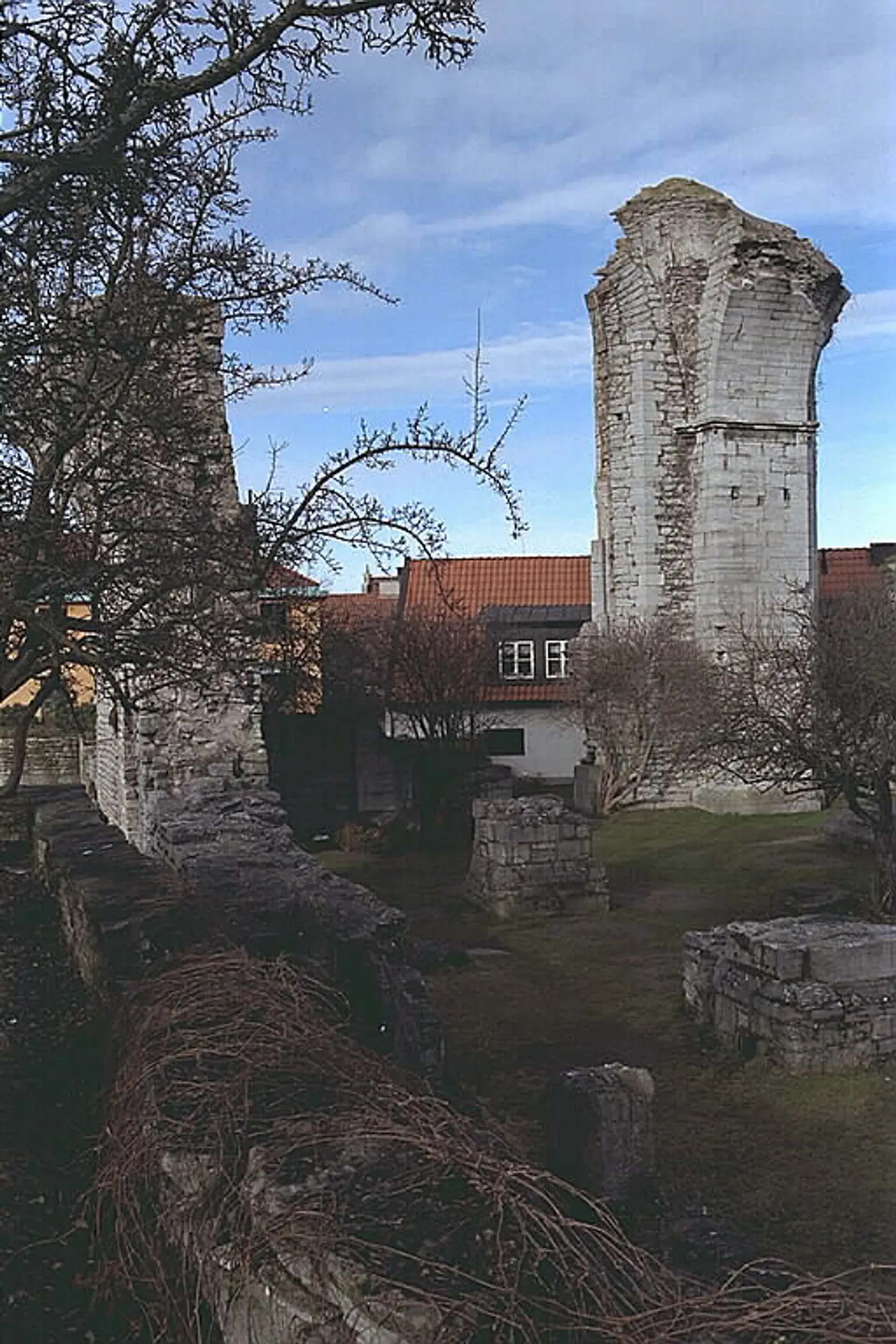
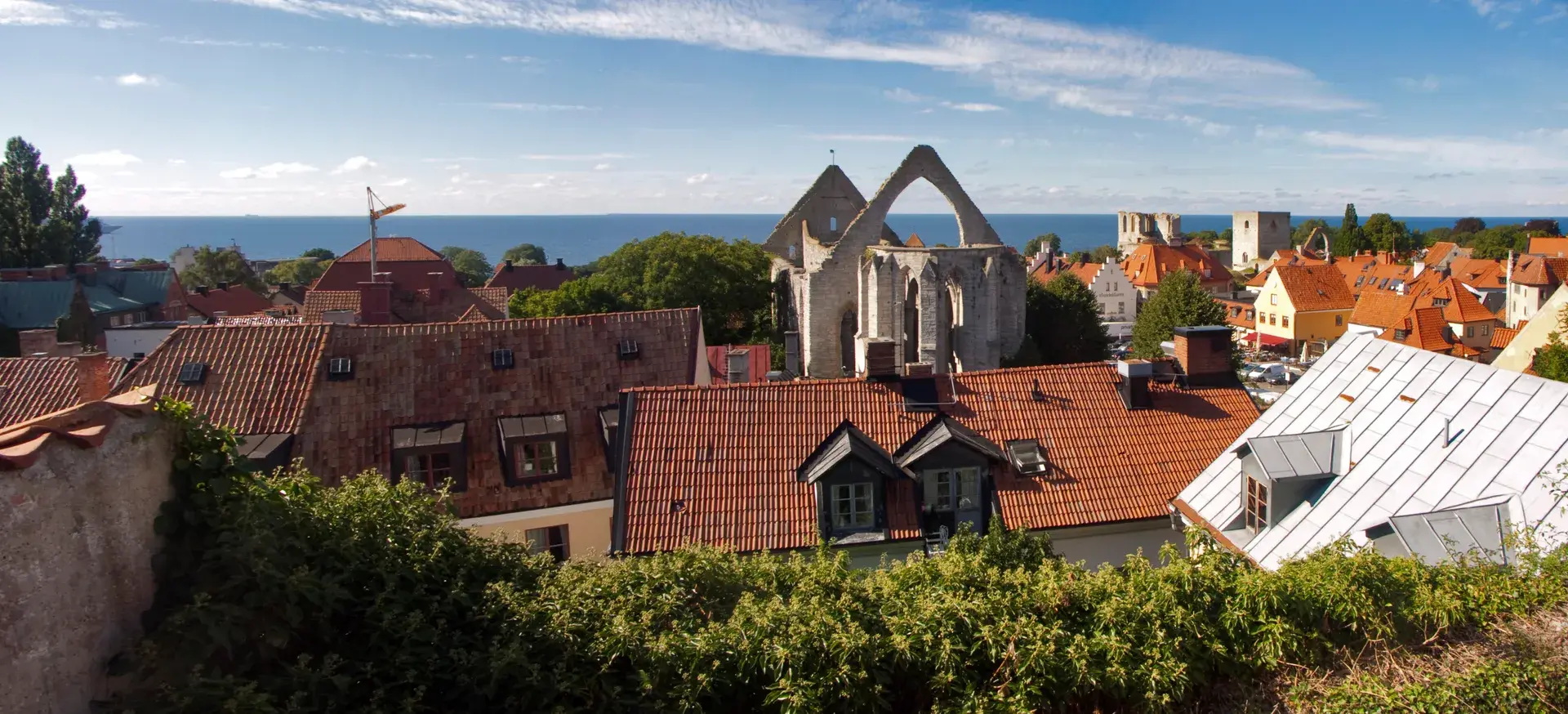
The Visby Town Wall, known locally as Ringmuren, is a formidable medieval fortification encircling the old town of Visby on the Swedish island of Gotland. As the strongest and best-preserved medieval city wall in Scandinavia, it stands as a key component of the Hanseatic Town of Visby, a UNESCO World Heritage site since 1995. This remarkable structure of limestone and ancient mortar tells the story of Visby's rise as a powerful Hanseatic trading hub.
Construction and Architecture
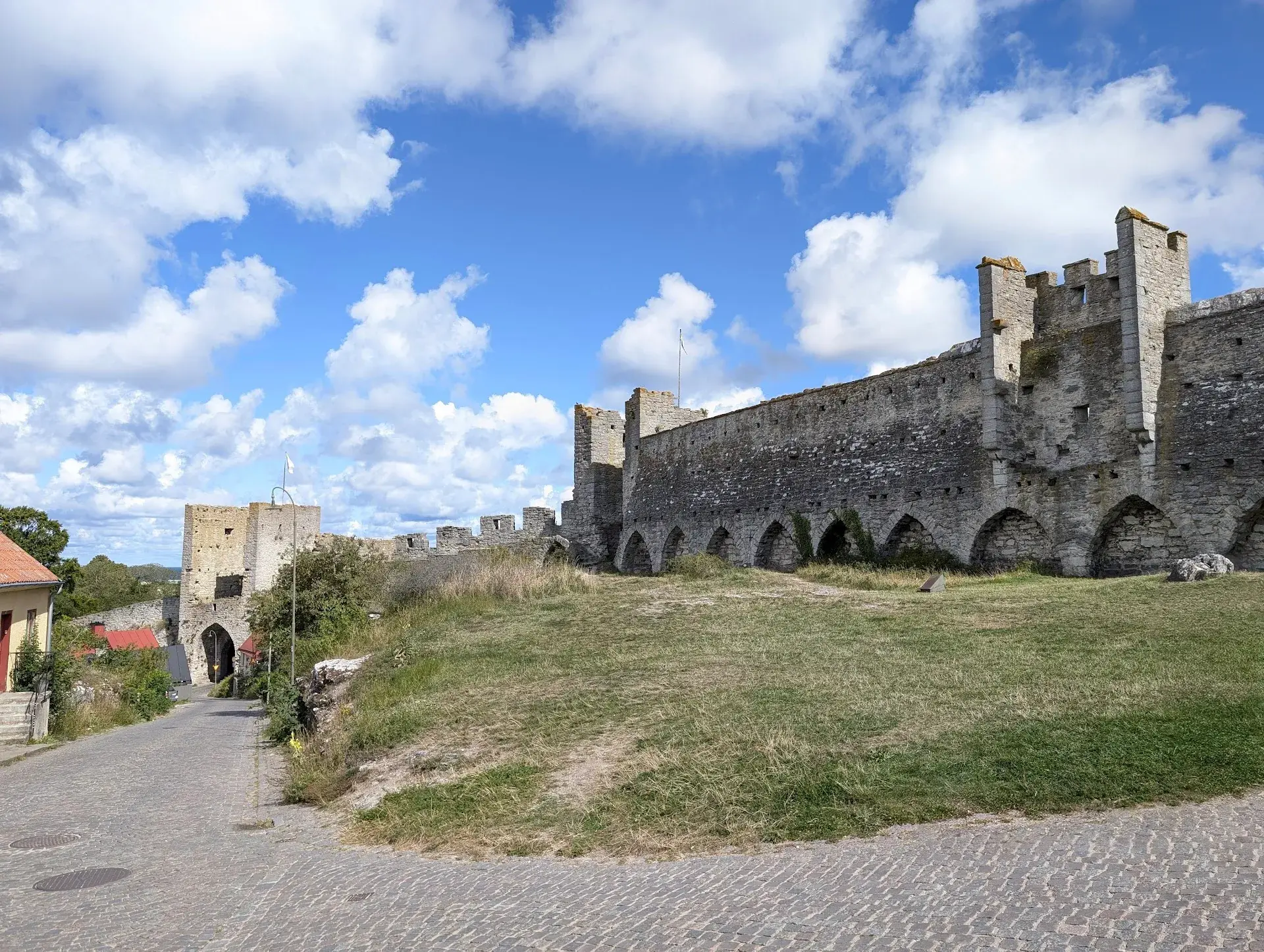
The wall's construction occurred primarily in two phases. The earliest defensive structure, the Kruttornet (Powder Tower), was built between 1160 and 1161 to guard the harbor and is the oldest surviving non-religious building in Scandinavia. The main fortification effort, driven by the wealthy German merchant community of the Hanseatic League, began around 1250. A second phase, lasting from 1289 to 1361, saw the wall raised from its initial 5-6 meters to its current height of 8 to 11 meters and the addition of numerous defensive towers.
Made from local Silurian limestone bound with lime and clay mortar, the wall stretches for approximately 3.4 kilometers today, out of an original 3.6 kilometers. It was originally fortified with 29 large and 22 smaller towers; 27 large and 9 small towers remain standing, testament to the wall's enduring strength.
A History of Conflict and Preservation
The wall's development was accelerated by a civil war in 1288 between Visby's merchants and Gotland's farmers. Its defenses were put to the test in 1361 when King Valdemar IV Atterdag of Denmark invaded. Despite the fortifications, Danish forces breached a section, leading to the city's surrender and a massacre of around 1,800 defenders. King Valdemar then demanded a huge tribute of gold and silver and ordered a part of the wall to be torn down as a symbol of his conquest.
Paradoxically, Visby's subsequent economic decline, partly due to the Black Death and the Danish invasion, contributed to the wall's exceptional preservation. The city's diminished importance spared it from the extensive modernization that altered many other European cities. The last major attack on the wall occurred in 1525 by an army from Lübeck. A significant restoration project was later undertaken from 1884 to 1886 by architect Emil Victor Langlet.
The Wall in Modern Times
Today, the Visby Town Wall is a major historical monument and tourist attraction. It is freely accessible 24/7, allowing visitors to explore its history at their leisure. Certain sections can be walked, offering panoramic views of the Baltic Sea and the city's unique medieval grid plan, which is one of only two fully preserved in Northern Europe, the other being Tallinn.
The wall continues to be a living part of the city, encircling a historic core where many houses predate the fortification itself. It serves as a backdrop to daily life and a symbol of local heritage. A testament to its ongoing story, a 90-square-meter section that collapsed in 2012 due to frost damage was repaired using traditional medieval materials and techniques.
FAQ
When was the Visby Town Wall built?
The main construction began around 1250, with a second major phase from 1289 to 1361. However, its oldest part, the Kruttornet (Powder Tower), was built earlier, between 1160 and 1161.
How long is the Visby Town Wall?
The wall is approximately 3.4 to 3.44 kilometers long. Its height ranges from 8 to 10 meters, reaching up to 11 meters in some sections.
Is the Visby Town Wall free to visit?
Yes, the wall is a public monument and is freely accessible 24 hours a day, 7 days a week, with no entrance fees.
Why is the Visby Town Wall so well-preserved?
Its remarkable state of preservation is largely attributed to Visby's economic decline after the 14th century. This prevented the widespread redevelopment and modernization that occurred in many other European cities, leaving the medieval structure largely intact.
Discover Visby like never before
Dive into Visby hidden stories and secret spots with Ciceru interactive tours.
Explore tour
Audioguide
Quizzes
Maps
Solo
Couples
Groups & families

© Photo by Michael via Google Maps · Google Places