Jane Austen Centre in Bath: Exhibits & History
A Literary Landmark on Gay Street
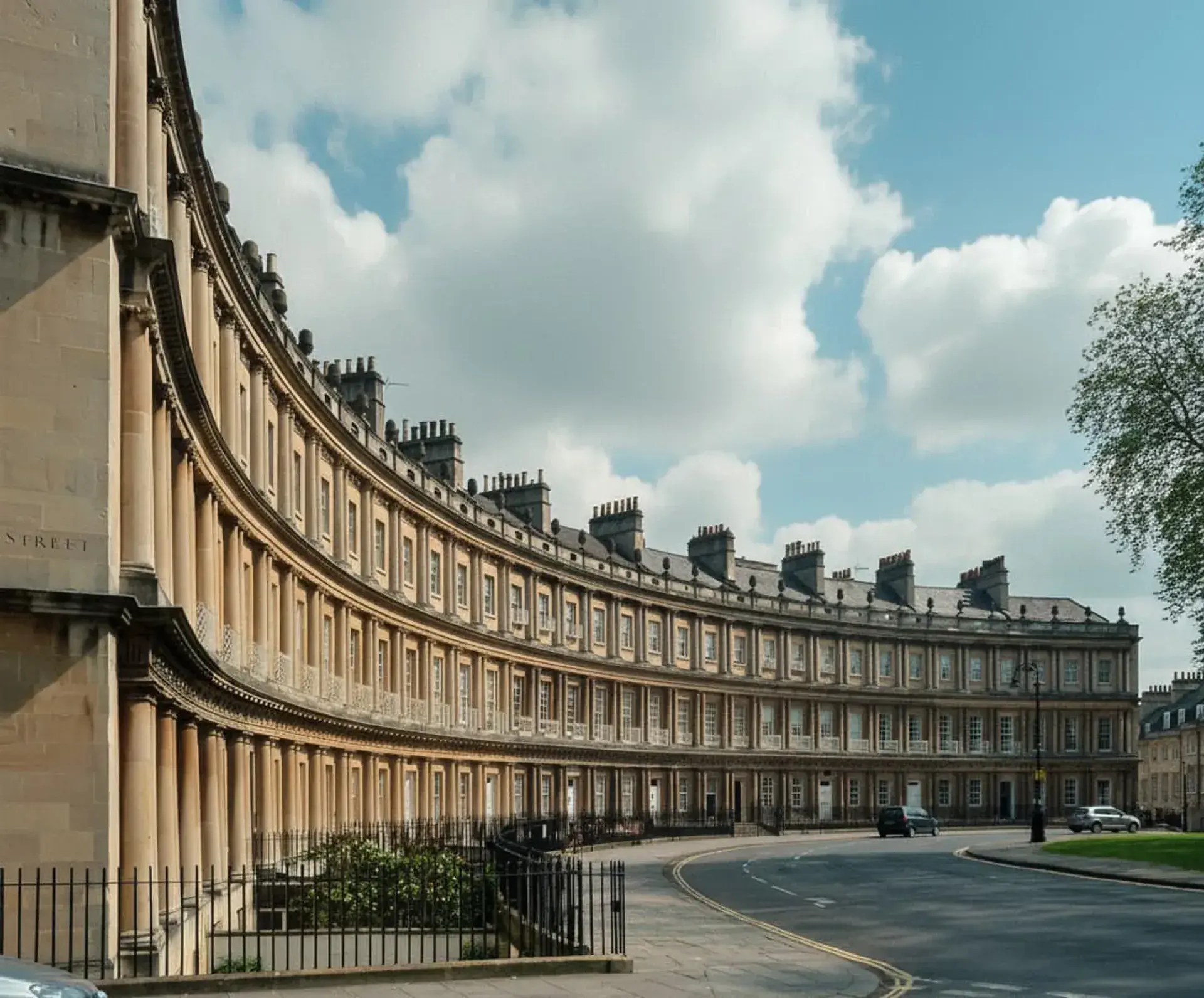
Located at 40 Gay Street in Bath, the Jane Austen Centre occupies a Grade II listed mid-18th-century Georgian townhouse block. Situated along the architectural corridor connecting John Wood the Elder’s Queen Square with John Wood the Younger’s The Circus, the centre anchors Bath’s Regency literary identity.
Opened in 1999 as a permanent exhibition and visitor centre, the museum interprets the author's life, work, and cultural context within the spa town. Despite serving as Bath’s primary institution dedicated to Austen, the author never actually lived in this specific building.
Bath walking tour with audio and quizzes: Roman baths, Georgian fronts
2 hours9 stopsAudio guideStart any day, at your own paceTicket on your phone · 30-day refundJane Austen’s Bath Years and Reluctant Residence
Jane Austen lived in Bath between 1801 and 1806 following the retirement of her father, the Reverend George Austen. During her residency, she revised Susan (posthumously published as Northanger Abbey) and began the unfinished novel The Watsons. The city would also become the central setting for both Northanger Abbey and Persuasion.
Despite using Bath as a primary backdrop in her fiction, Austen’s letters and novels expressed a persistent ambivalence toward the town. Her writings regularly critiqued its rigid social hierarchy, matchmaking rituals, and superficial seasonal vanity. Following her father's death in 1805, Austen briefly rented lodgings nearby at 25 Gay Street. Because none of her former Bath residences—including 4 Sydney Place and 25 Gay Street—were converted into standalone domestic museums, the visitor centre was established at No. 40 to provide a dedicated space for exploring her connection to the city.
Inside the Exhibition: Costumes, Characters, and Curiosities
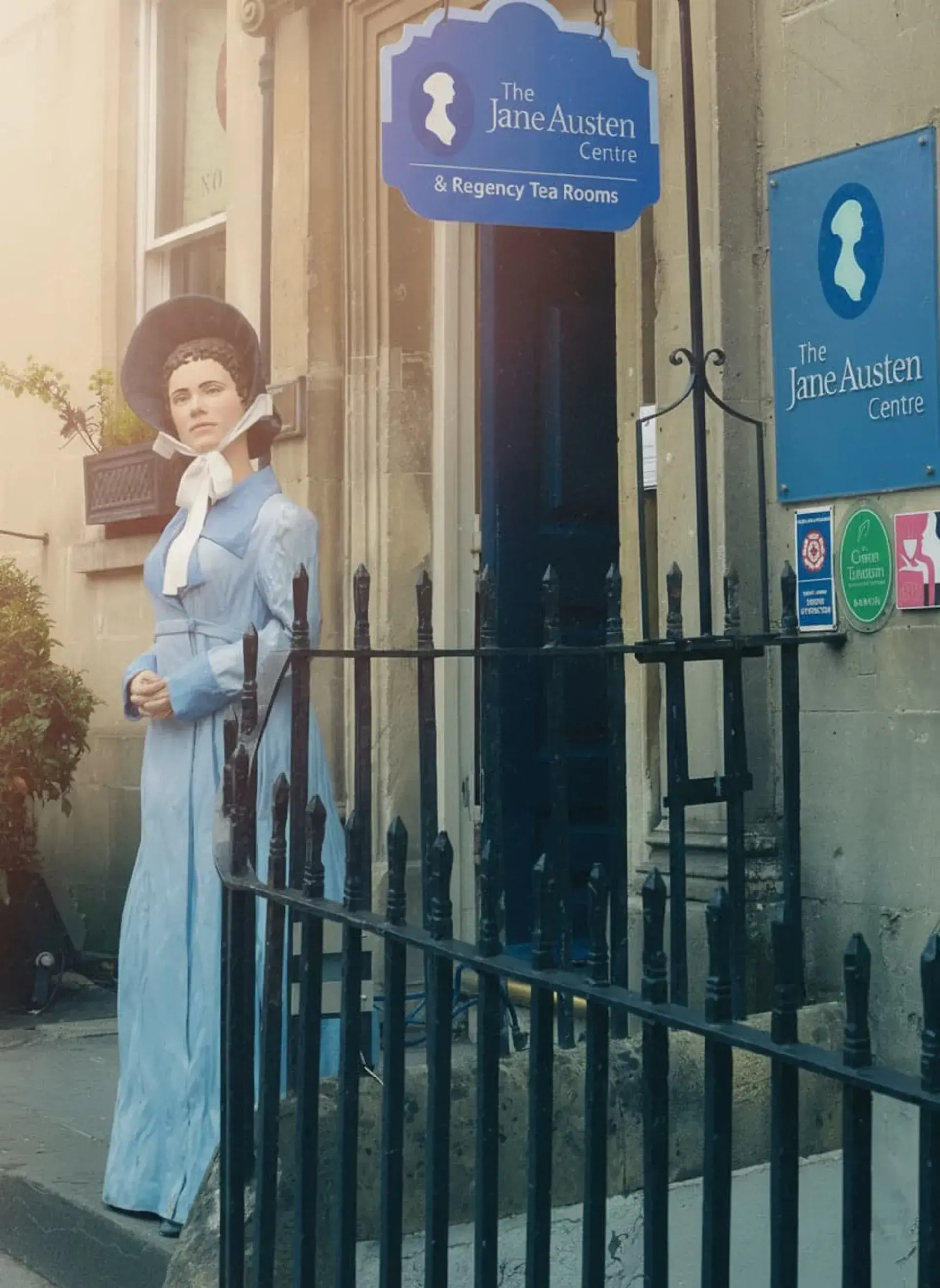
The centre features multi-room interpretive displays exploring Austen's family history, Regency etiquette, and period fashion. Front-door greeters and museum staff wear authentic Regency clothing, such as tailcoats, cravats, empire-line gowns, and bonnets. Guides deliver introductory talks while remaining in character as figures from Austen's novels, such as Mr. Woodhouse or Georgiana Darcy. Writing stations invite visitors to experience the scratching sound of dip pens and ink on paper.
A central feature of the exhibition is a forensic, life-sized waxwork unveiled in 2014. Created by sculptor Mark Richards and forensic artist Melissa Dring using contemporary descriptions and Cassandra Austen’s sketch of her sister, the model indicates that Austen stood between 5 feet 6 inches and 5 feet 8 inches tall. The museum also displays a rare plastic five-pound note that features a microscopic portrait of Austen and an engraved quote created by micro-artist Graham Short.
The Regency Tea Room and Festival Hub
On the upper floor of the townhouse, the Regency Tea Room serves loose-leaf teas, warm scones, light lunches, and cakes in a period-style dining environment. The ground floor contains a gift shop stocking Austen novels, Regency-themed accessories, and memorabilia.
The centre also functions as the administrative headquarters for Bath's annual Jane Austen Festival. Held every September over 10 days, the event attracts Regency enthusiasts from around the world for costumed balls and the Grand Promenade through Bath's historic streets.
FAQ
Did Jane Austen live at 40 Gay Street?
No. Jane Austen never lived at 40 Gay Street. The building was chosen in 1999 as a visitor centre, though Austen did briefly rent lodgings nearby at 25 Gay Street in 1805.
Which novels did Jane Austen set in Bath?
Bath serves as the primary setting and social backdrop for two of Austen's six published novels: Northanger Abbey and Persuasion.
What is the life-sized waxwork in the centre based on?
Unveiled in 2014, the forensic waxwork was reconstructed by sculptor Mark Richards and forensic artist Melissa Dring using period accounts and a sketch by Austen's sister, Cassandra.
What events does the Jane Austen Centre host?
The centre serves as the operational hub for Bath's annual 10-day Jane Austen Festival held each September, which features Regency costumed balls and the Grand Promenade.