Cathedral Quarter Street Art: Belfast Murals Guide
The Transformation of Belfast's Mural Landscape
Belfast has long been known for its gable-wall paintings, historically created to demarcate sectarian territory in areas such as the Falls and Shankill roads. In contrast, the Cathedral Quarter represents a conscious post-conflict departure from that tradition. Following the 1998 Good Friday Agreement, cultural organizers and artists redirected the city's mural tradition toward contemporary, apolitical, and internationally recognized public art.
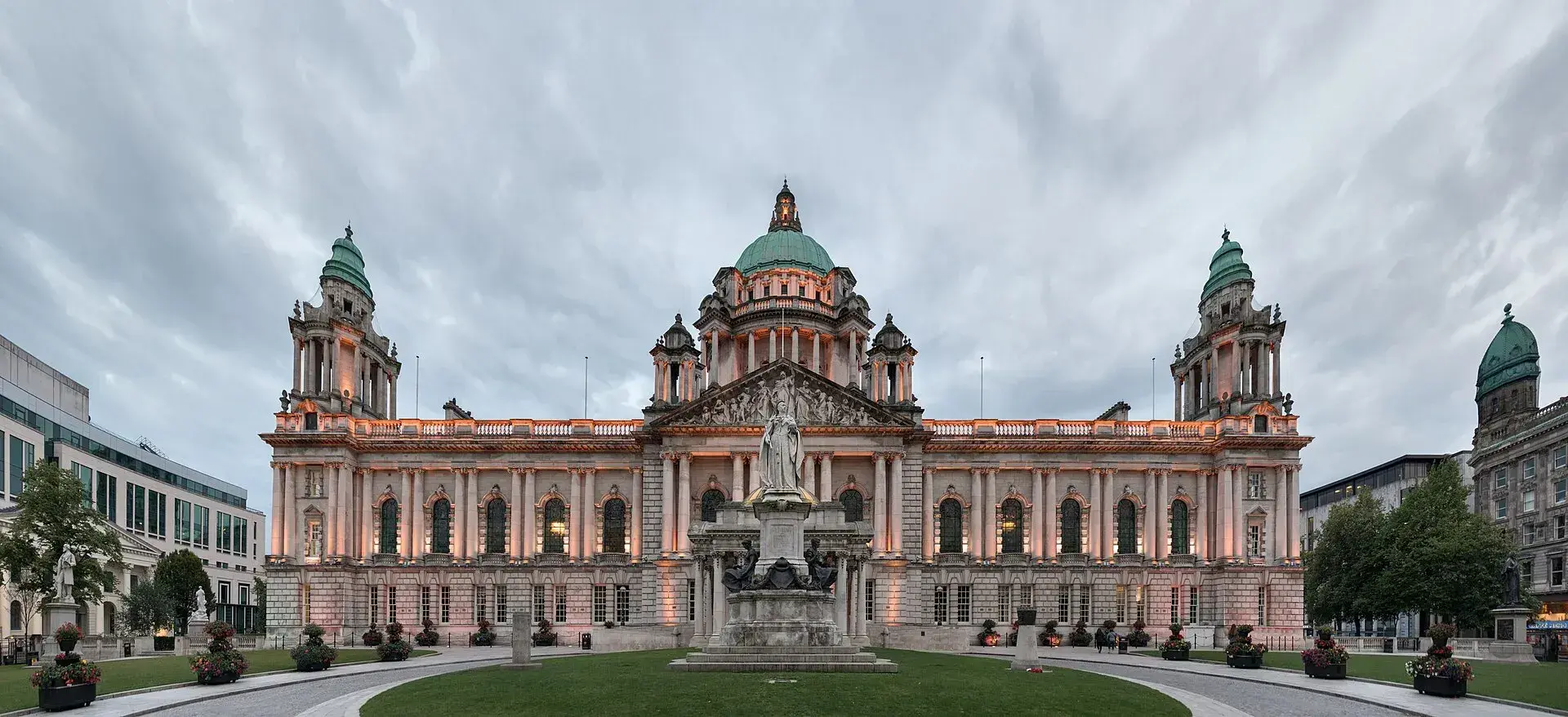
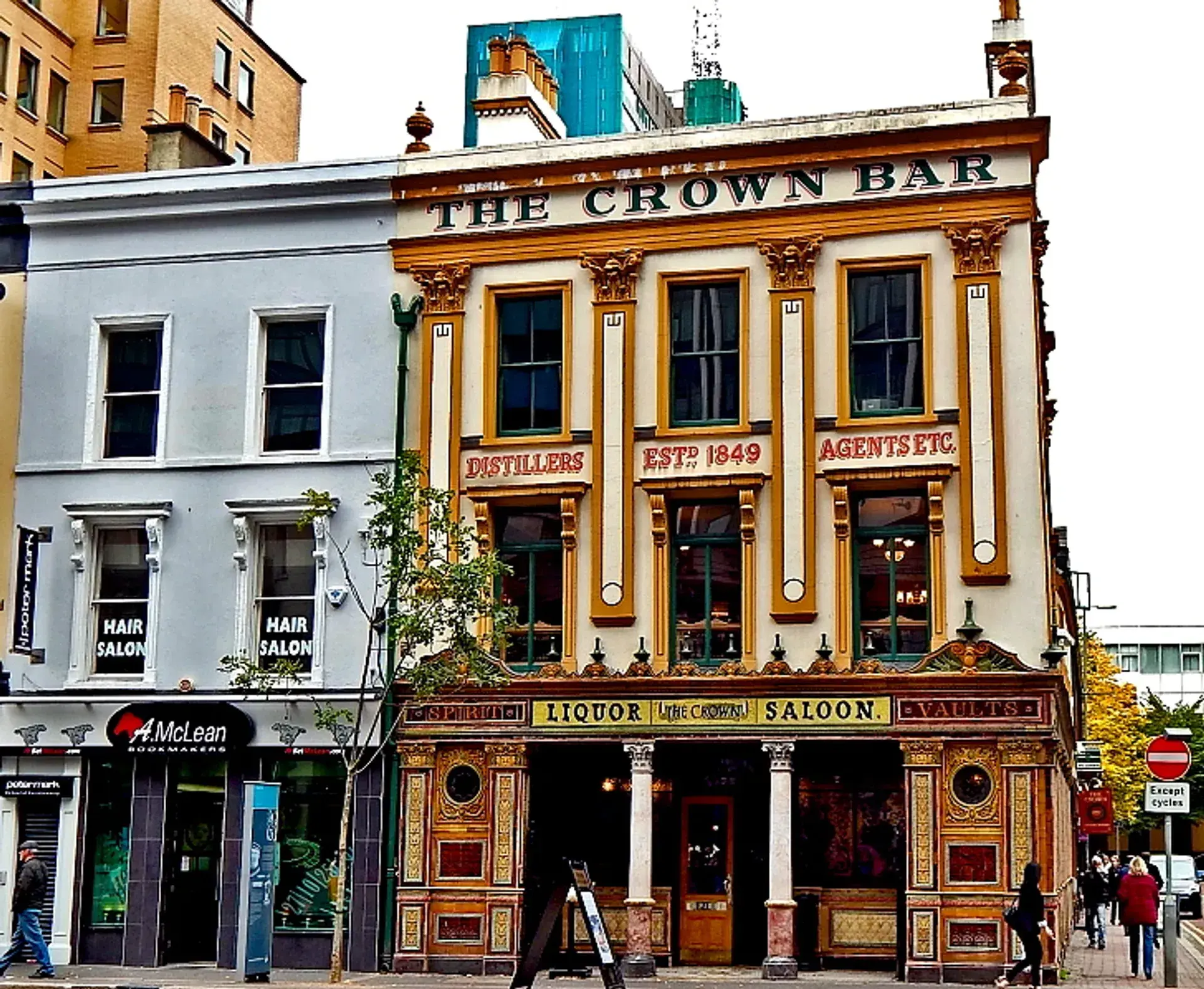
Historically developed around the mouth of the River Farset, the district served as Belfast's commercial core during the 18th and 19th centuries, lined with shipping offices, bonded whiskey stores, and linen warehouses. Industrial decline and decades of the Troubles later left many Victorian warehouses derelict. In the late 20th century, low rents drew visual artists, rehearsal spaces, and punk venues like the Harp Bar into these vacant brick lanes, planting the seeds for the neighborhood's artistic rebirth. Today, the quarter forms a cultural pedestrian link connecting Belfast City Hall to St Anne's Cathedral.
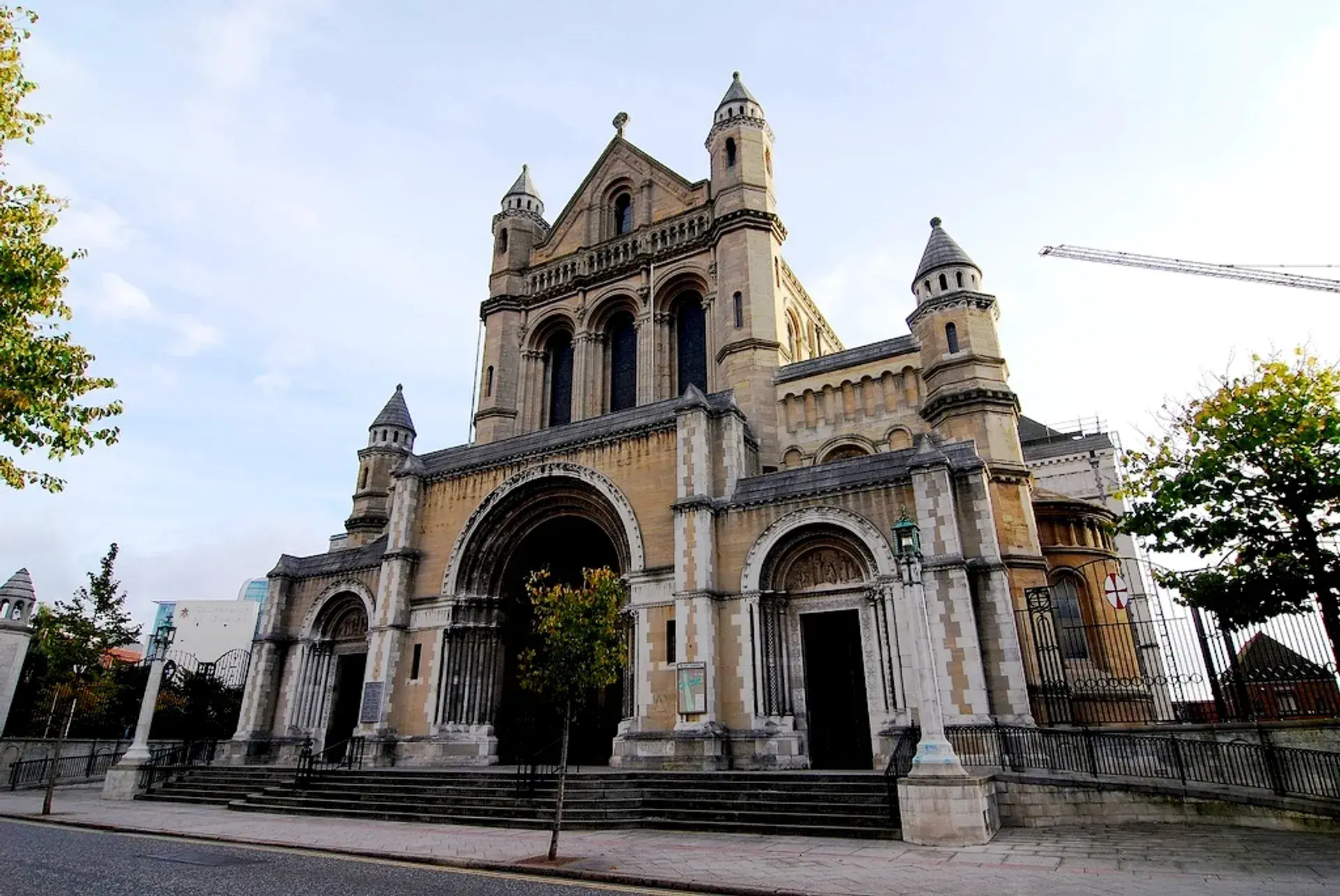
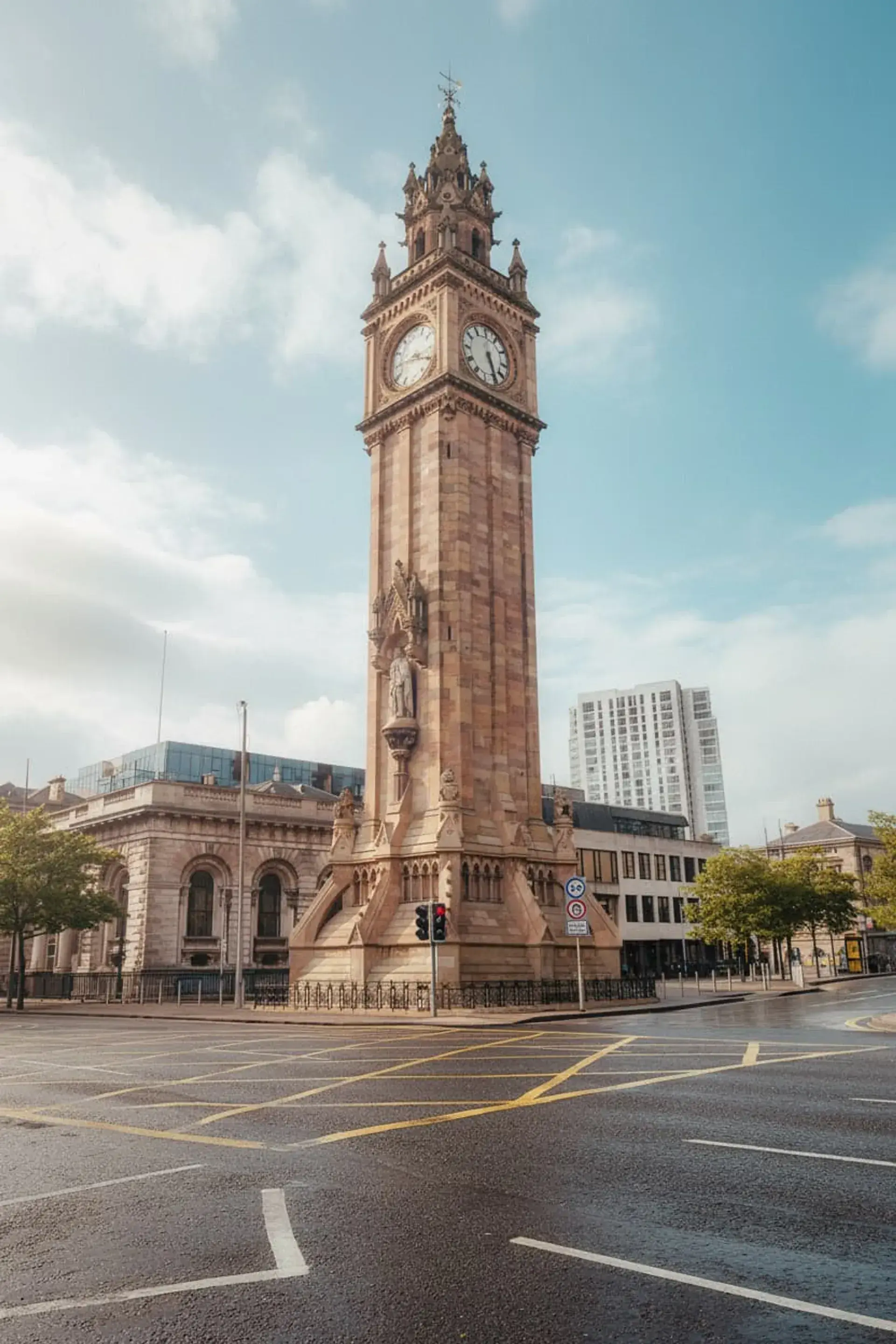
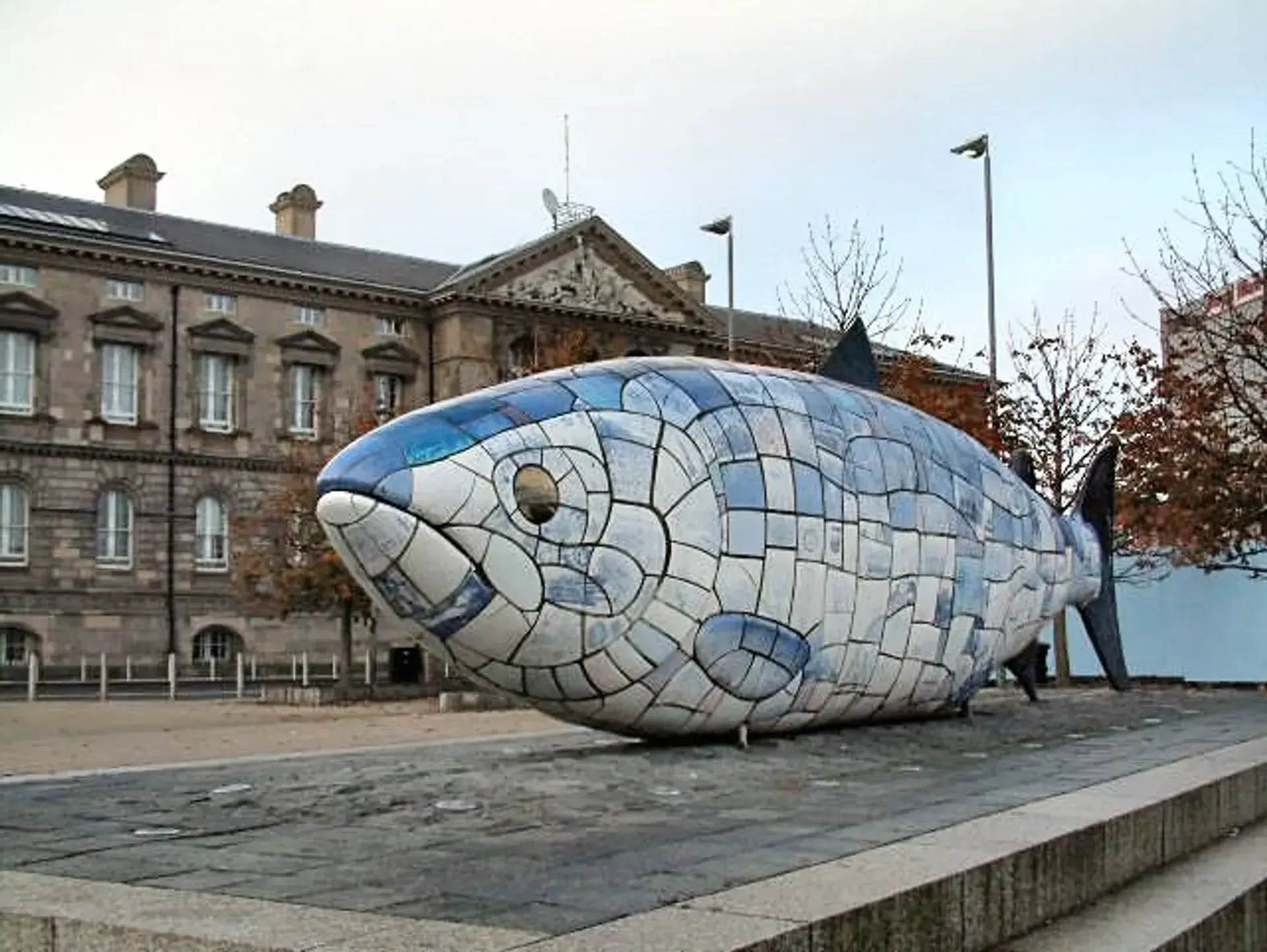
Belfast walking tour with audio and quizzes: Opera House to Big Fish
2 hours8 stopsAudio guideStart any day, at your own paceTicket on your phone · 30-day refundHit the North and the Open-Air Canvas
The Cathedral Quarter contains a dense open-air gallery of more than 800 murals. Much of this creative expansion stems from Hit the North (HTN), recognized as Ireland's largest street art festival. Established in 2013 by Seedhead Arts founder Adam Turkington, the festival originated as a direct artistic response to urban blight along North Street.
Every year over the May bank holiday weekend, Hit the North gathers local and international painters for live paint jams, during which designated walls across the district are repainted. Outside of the festival, the alleyways remain free and permanently accessible to the public, blending into the surrounding dining and nightlife hub. The lanes showcase works by an array of notable artists, including KVLR (Kev Largey), Emic (Eoin McGinn), Nomad Clan, Christina Angelina, Smug, and Visual Waste (Dean Kane).
Landmark Pieces and Historic Alleys
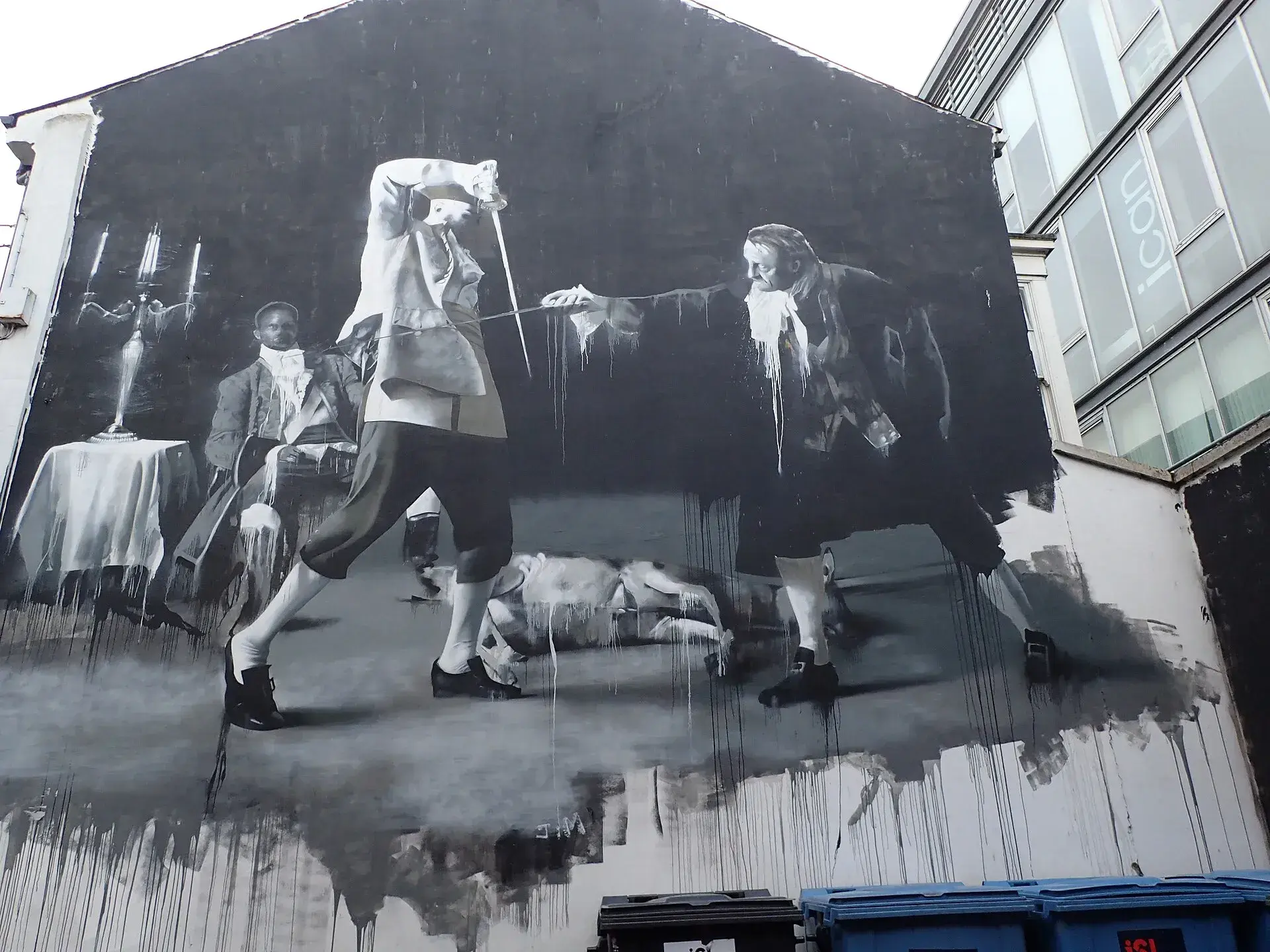
Several landmark artworks define the district's cobbled alleyways. On Exchange Place, against the exterior wall of The Black Box arts centre, sits The Duel of Belfast, Dance by Candlelight. Painted in 2012 by Cork-born artist Conor Harrington, the large-scale work portrays two figures in 18th-century colonial attire duelling over a dead animal while a bystander watches. Conceived as an allegory for factions fighting pointlessly over dead spoils, the piece initially caused local surprise due to Harrington's deliberate use of British colonial aesthetics on a Belfast wall.
Around the corner on Talbot Street, located in the yard of the Northern Ireland War Memorial, is French artist MTO's 2014 mural The Son of Protagoras. The piece shows a red-haired figure holding a dead dove pierced by two red arrows—one marked with a Latin Cross and the other with an eight-pointed Maltese Cross. The imagery serves as a commentary on how sectarian religious divisions wound peace.
Commercial Court and Shared Heritage
Commercial Court presents a rich visual environment where modern aerosol spray paint, delicate brushwork, and wheat-paste adhesives sit directly against weathered 19th-century red-brick masonry, rough warehouse stucco, and stone facades. The lane is distinguished by overhead canopies of umbrellas, vintage pub lanterns, ceramic wall tiles, and flower displays.
The court features heritage-focused murals commissioned by publican Willie Jack and created by artists such as Marty Lyons, Ciaran Gallagher, and Danny Devenny. Devenny, a former Republican prisoner who historically painted political gable murals, exemplifies the shift among Belfast artists toward themes of shared cultural heritage. Inside the adjoining Dark Horse courtyard, murals honoring Northern Irish writers and social history stand alongside an oak tree encircled by the poetry of Seamus Heaney, laser-cut directly into solid steel.
FAQ
What is the Hit the North festival?
Founded in 2013 by Adam Turkington of Seedhead Arts, Hit the North is Ireland's largest street art festival. Held annually over the May bank holiday weekend, it features live paint jams where international and local artists repaint walls throughout Belfast's Cathedral Quarter.
How does Cathedral Quarter street art differ from Belfast's traditional murals?
Unlike the historic gable murals of the Falls and Shankill roads that were used to mark sectarian territory during the conflict, Cathedral Quarter street art is apolitical, contemporary, and focuses on shared creative expression and urban regeneration.
What does Conor Harrington's 'The Duel of Belfast' represent?
Painted in 2012 on Exchange Place, Harrington's mural depicts 18th-century figures duelling over a dead carcass, serving as an allegory for factions fighting pointlessly over dead spoils.
Where are the street art walking tours based?
Guided street art walking tours operated by Seedhead Arts regularly depart from Commercial Court, outside the Duke of York pub.