Grand Opera House Belfast: History and Architecture
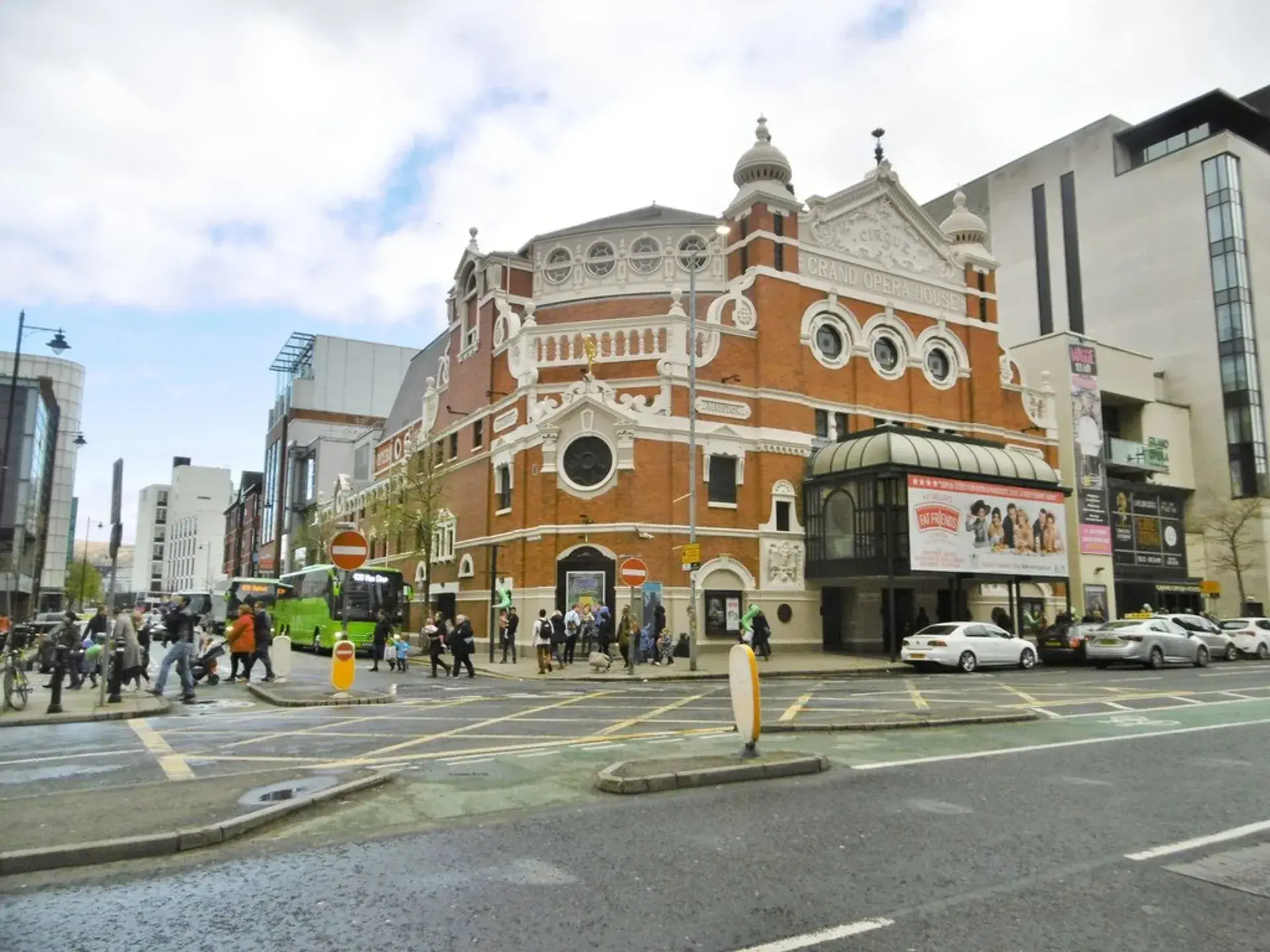
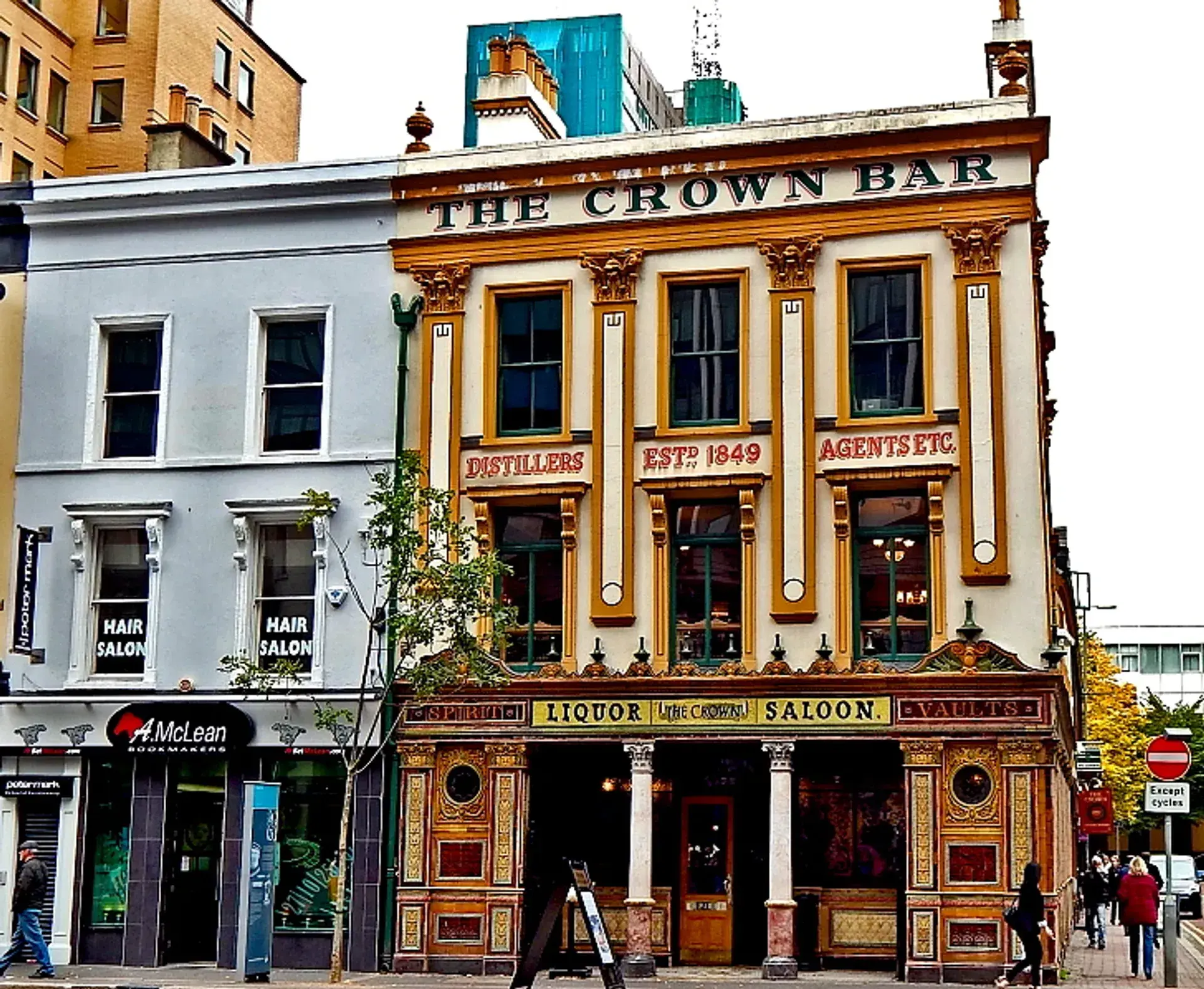
Located on Great Victoria Street in central Belfast, the Grand Opera House stands as an architectural anchor connecting Belfast City Centre with the Queen's Quarter. Situated adjacent to the Europa Hotel and directly opposite the Victorian Crown Liquor Saloon, the building is celebrated both for its ornate auditorium and its historic survival through decades of urban change.
Architecture and Orientalist Design
The theatre opened on December 23, 1895, under the name the New Grand Opera House and Cirque. It was designed by the prolific British theatre architect Frank Matcham and remains his only surviving theatre design on the island of Ireland. In 1974, the structure gained recognition as Northern Ireland's first Grade A listed building.
The exterior presents a distinctive red-brick facade accented with orientalist turrets and ornamental white domes. Inside, the main auditorium seats approximately 1,058 patrons across an opulent, Indian-inspired interior. Recognized by the UK Theatres Trust as one of the finest surviving examples of Oriental theatre architecture in the UK, the space is decorated with carved plaster elephant heads flanking private boxes, painted ceiling roundels, detailed gold leaf, and upholstery in deep red velvet.
Belfast walking tour with audio and quizzes: Opera House to Big Fish
2 hours8 stopsAudio guideStart any day, at your own paceTicket on your phone · 30-day refundHistory of Survival and Renewal
The theatre was originally commissioned by Joseph Warden, who acquired the former site of Ginnett's Circus to establish a permanent performance house, premiering with the pantomime Blue Beard. Between 1904 and 1909, the venue operated under the name the Palace of Varieties before returning to its founding identity. During World War II, it served as a repertory theatre and hosted Allied victory galas attended by Field Marshal Montgomery, Alanbrooke, and Dwight D. Eisenhower.
In 1961, the Rank Organisation acquired the property to operate it as an Odeon cinema. However, declining night-time footfall during the early years of the Troubles forced its closure in 1972. Plans to demolish the theatre to build an office block were blocked by conservation campaigns led by the Arts Council and the Ulster Architectural Heritage Society. Following its Grade A listing, the building was restored and reopened in 1980.
During the 1990s, the venue sustained severe collateral damage from major bomb explosions targeting Glengall Street and the adjacent Europa Hotel in 1991 and 1993. The theatre was reinforced with protective blast walls and continued operating. A modern 100-seat studio called the Baby Grand was introduced in 2006, and between 2020 and 2021, the building underwent a £12.2 million restoration funded by the National Lottery Heritage Fund to revive Matcham's original sightlines and decorative finishes.
Traditions and Cultural Milestones
The Grand Opera House holds a notable place in opera history as the site where Italian tenor Luciano Pavarotti made his UK debut in 1963, performing in Puccini's Madama Butterfly.
The venue also maintains a continuous pantomime tradition that has run every year since its opening in December 1895. Honouring this local performance heritage, a sculpted bust of local actor John Linehan's pantomime dame character, May McFettridge, is installed in the Grand Circle, positioned directly opposite a bust of architect Frank Matcham.
Present-Day Operations
Today, the venue is operated by the charitable Grand Opera House Trust as Northern Ireland's premier touring theatre. The building houses three hospitality bars, a public Box Office, and the 100-seat Baby Grand performance space. Its annual programme features touring West End musicals, drama, opera, ballet, stand-up comedy, and the traditional Christmas pantomime. In addition to performances, the venue offers behind-the-scenes guided heritage tours and features a permanent four-floor Heritage Exhibition detailing the history of the building from 1895 to the present.
FAQ
Who designed the Grand Opera House in Belfast?
The theatre was designed by British theatre architect Frank Matcham and opened in December 1895. It is the only surviving Matcham-designed theatre on the island of Ireland.
What architectural style is featured inside the auditorium?
The auditorium features an Orientalist and Indian-inspired design, highlighted by gold leaf, ceiling roundels, deep red velvet upholstery, and carved plaster elephant heads flanking the private boxes.
Which famous opera singer made their UK debut at the theatre?
Italian tenor Luciano Pavarotti made his UK debut on the Grand Opera House stage in 1963, performing in Puccini's Madama Butterfly.
Was the Grand Opera House damaged during the Troubles?
Yes. While not directly targeted, the theatre sustained severe collateral blast damage in 1991 and 1993 from car bombs aimed at Glengall Street and the neighbouring Europa Hotel, prompting the addition of protective blast walls.