Arnolfini Bristol: Contemporary Arts at Bush House
The Origins of Arnolfini
Arnolfini was established in March 1961 by graphic designer Jeremy Rees, textile artist Annabel Lawson, and painter John Orsborn. Operating with an initial investment of £100 from each founder, the organization opened its first gallery space above a bookshop on Clifton Triangle, sharing an entrance with a local bakery. Rees named the initiative after Jan van Eyck’s 15th-century painting The Arnolfini Portrait, an moniker he had previously applied to his private printing enterprise. To counter elitist perceptions of contemporary art and encourage broad public engagement, Rees later had his personal guiding motto, "Enjoy Yourself!", inscribed directly above the entrance doors.
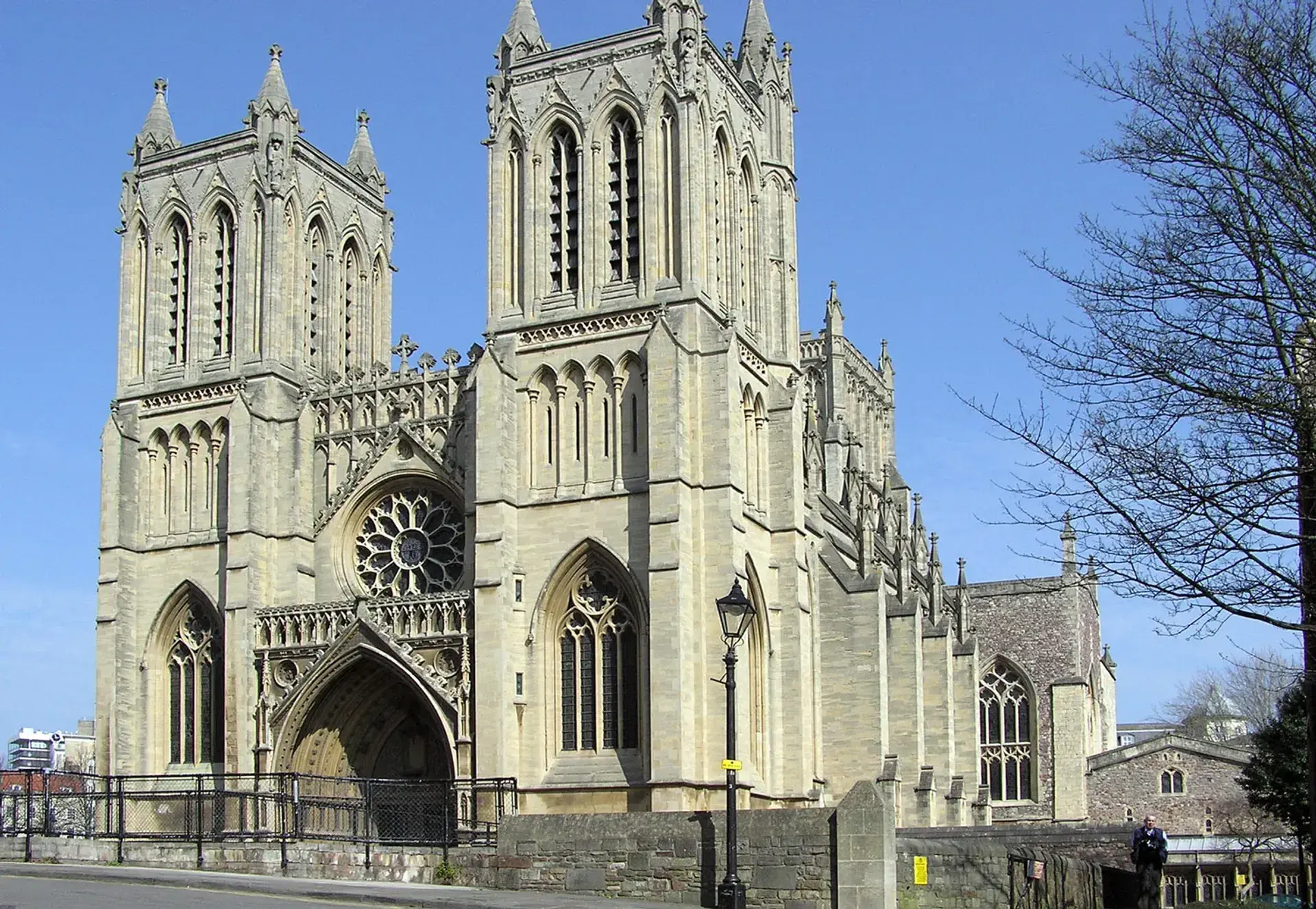
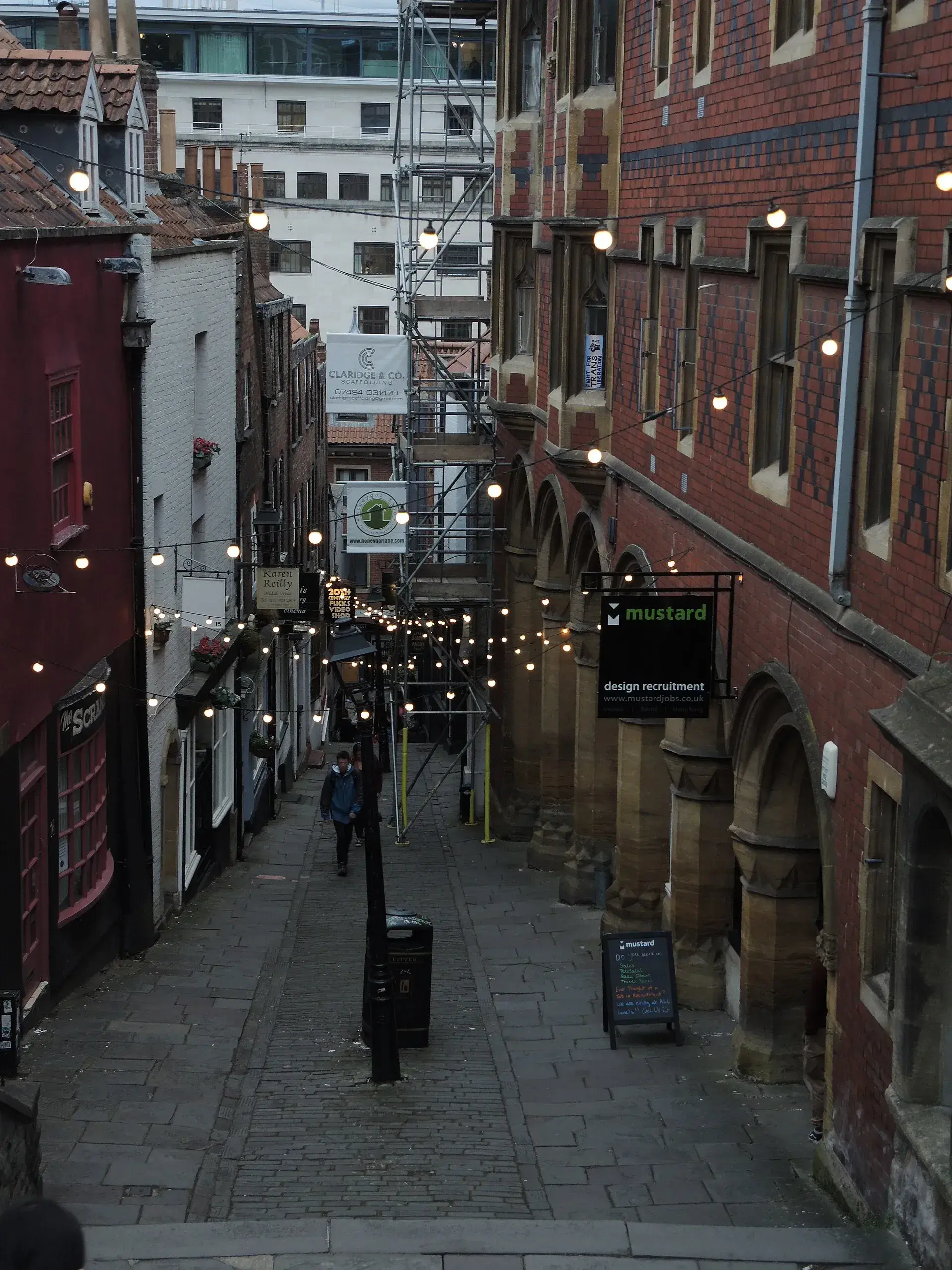
Bristol walking tour with audio and quizzes: Christmas Steps and quays
2 hours9 stopsAudio guideStart any day, at your own paceTicket on your phone · 30-day refundBush House and 19th-Century Architecture
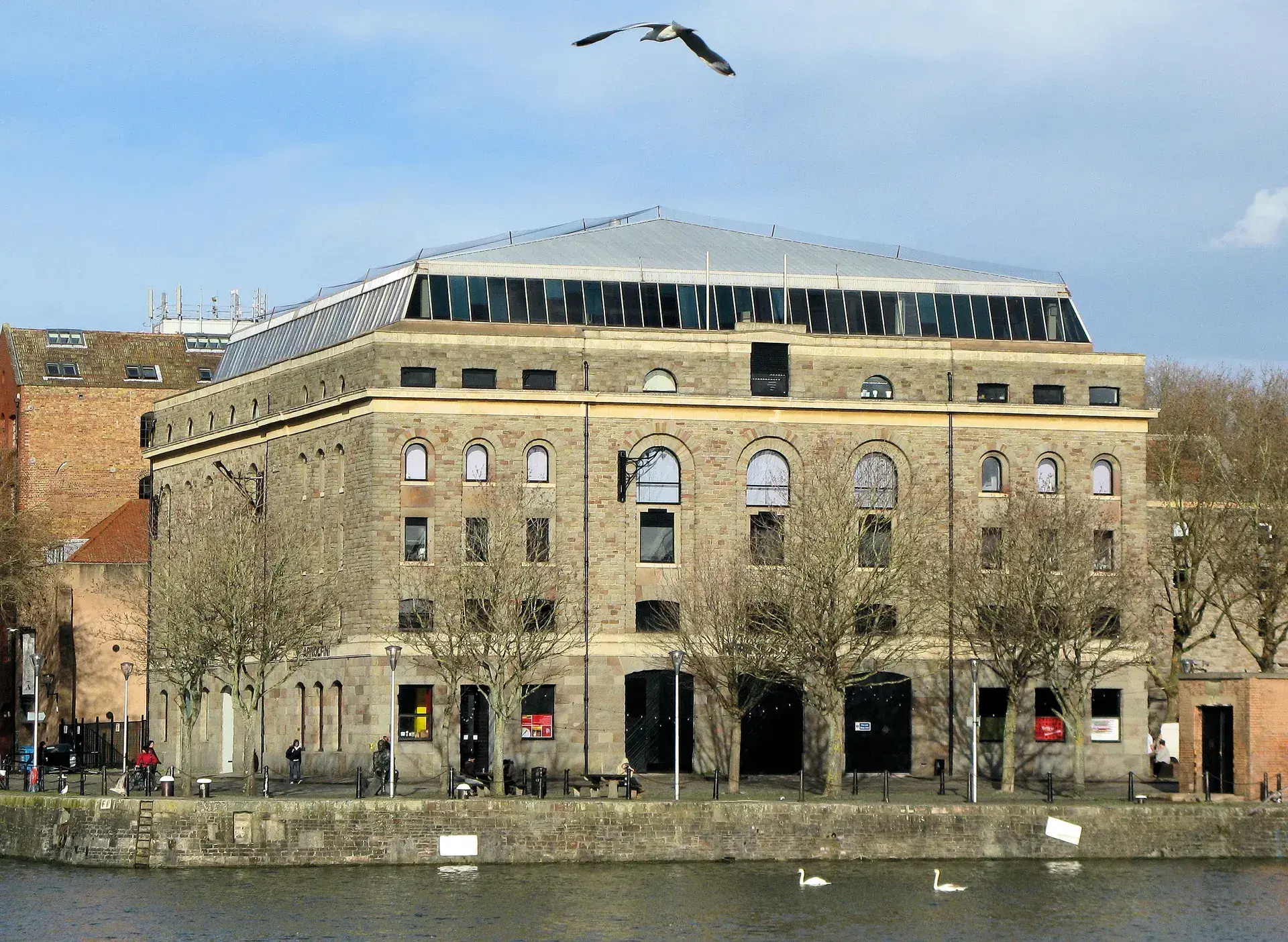
Today, Arnolfini occupies Bush House, a Grade II* listed building located on Narrow Quay along Bristol's Floating Harbour. Designed by architect Richard Shackleton Pope, the structure was built in two distinct phases: the southern portion in 1831 and an expansion northward between 1835 and 1836. Pope executed the warehouse in the Rundbogenstil (round-arched style), utilizing dark reddish-grey Pennant sandstone trimmed with pale Bath stone dressings framing monumental recessed arches. Architectural historians recognize Bush House as the earliest forerunner of the regional "Bristol Byzantine" commercial aesthetic.
While locally remembered as a historic tea warehouse, the building was originally commissioned for the iron-founding firm D., E. & A. Acraman. Intermediate timber floors were inserted only later when the warehouse was repurposed for tea storage.
Catalyst for Harbourside Regeneration
As Arnolfini’s programming grew to encompass performance art, film, and live music, the organization transitioned through several temporary homes, including Queen Square (1970–1973) and W-Shed on Bordeaux Quay. The gallery's presence at W-Shed laid the groundwork for that facility's eventual conversion into the Watershed Media Centre in 1982.
In October 1975, Arnolfini restored and moved into the derelict Bush House warehouse. At a time when Bristol's commercial docks were experiencing severe economic decline, this move served as a pivotal cultural catalyst for the long-term regeneration of the Floating Harbour. Over the following decades, the institution showcased groundbreaking exhibitions and avant-garde performances from figures including Bridget Riley, Richard Long, Rachel Whiteread, Paula Rego, Allen Ginsberg, and the Philip Glass Ensemble. In April 2010, Bush House gained national exposure when it served as the broadcast venue for one of the UK’s prime ministerial election television debates.
Contemporary Facilities and Public Access
Bush House is held under joint stewardship with the University of the West of England (UWE Bristol). While the university's School of Creative Arts occupies the upper levels, Arnolfini leases the lower floors to maintain public arts programming.
The venue features three levels of free-access contemporary art exhibition galleries, an independent specialist art and photography bookshop, a multidisciplinary cinema and performance auditorium, and a harbourside café bar. Positioned at a central junction on Bristol's waterways, the building anchors the transition between the open lawns of Queen Square and the pedestrian walkways of Pero's Bridge and the Prince Street swing bridge.
FAQ
Is admission to the Arnolfini galleries free?
Yes, Arnolfini offers free public admission to its three floors of rotating contemporary art exhibitions.
How did Arnolfini get its name?
Co-founder Jeremy Rees named the arts organisation after Jan van Eyck's 15th-century masterpiece The Arnolfini Portrait, a name he had originally used for a private printing venture.
What was Bush House originally built for?
Although often remembered as a tea warehouse, Bush House was originally constructed in the 1830s for the iron-founding firm D., E. & A. Acraman before intermediate floors were added for tea storage.
What is the motto inscribed above Arnolfini's entrance?
Founding director Jeremy Rees had his guiding motto, 'Enjoy Yourself!', inscribed above the doors to foster an approachable, non-elitist atmosphere for contemporary art.