Great St Mary's: Cambridge University Church Guide
The Historic Heart of Cambridge
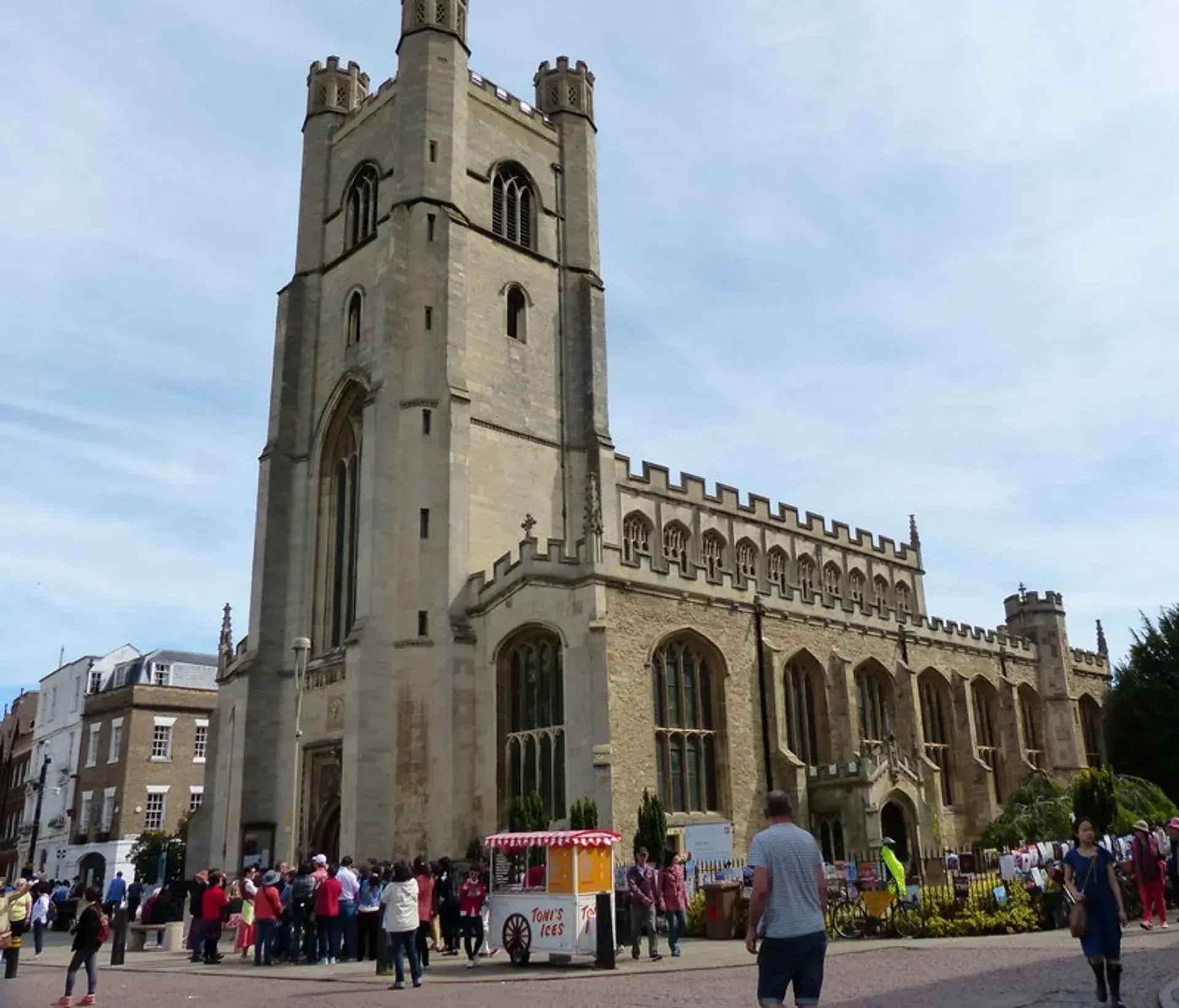
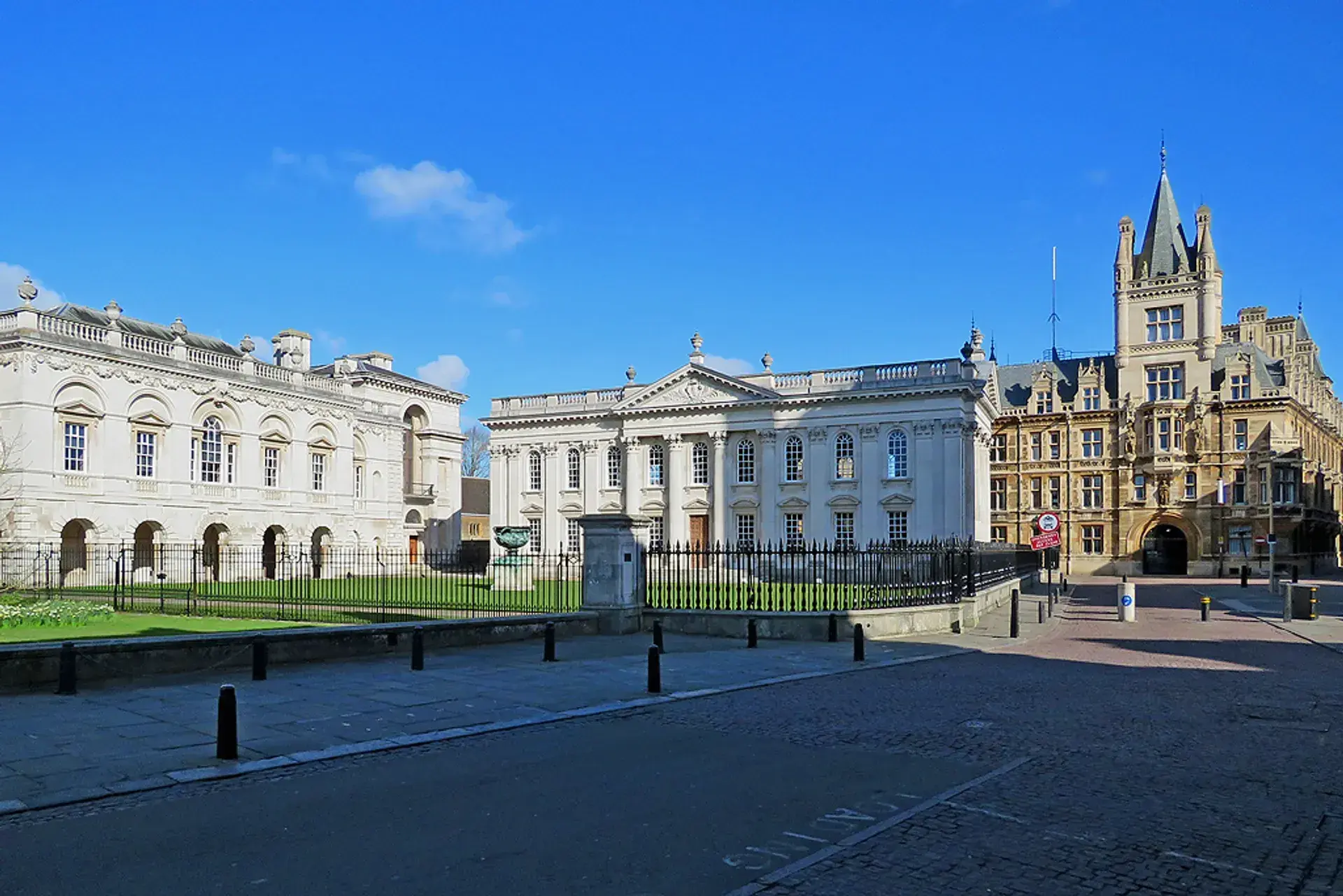
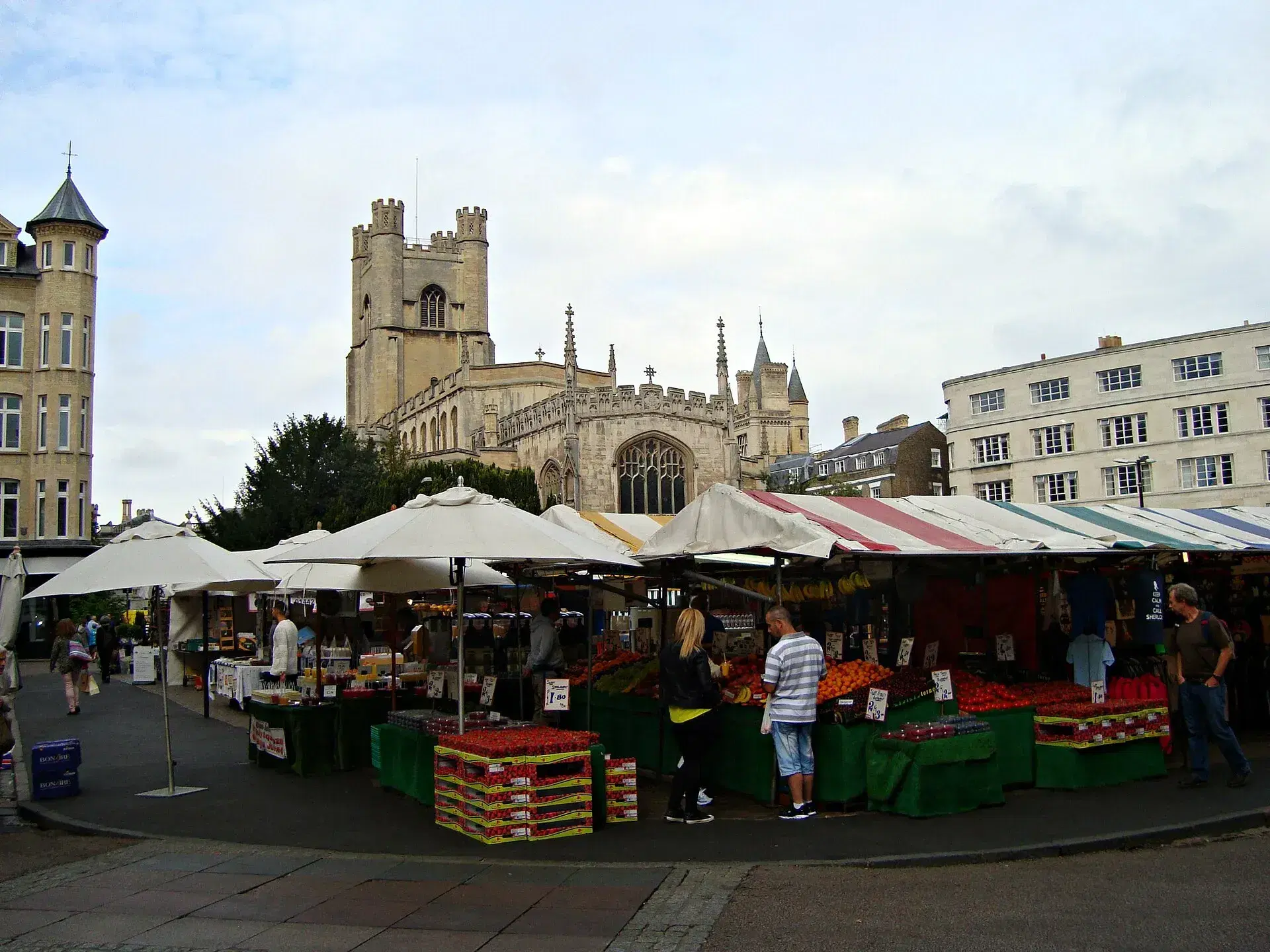
Standing on Senate House Hill directly opposite King's College Chapel and the Senate House, Great St Mary's Church—formally the Church of Saint Mary the Great—serves a dual role in Cambridge. It is both an active parish church within the Diocese of Ely and the official University Church of the University of Cambridge. Located on the historic fault line between Market Hill and the academic quarter, the church has long functioned as the focal point of "Town and Gown" interactions.
First documented in 1205 when King John appointed Thomas de Chimeleye to the rectory, the church became the cradle of the university following the arrival of scholars from Oxford in 1209. For centuries, Great St Mary's served as the university's main administrative center, lecture space, and graduation hall until the neighboring Senate House opened in 1730. Its civic prominence also made it a target during civil unrest; during the Peasants' Revolt in 1381, local townspeople attacked the building to destroy university charters and legal title deeds held within its academic chests. University statutes historically used the church as an official geographic datum, dictating that undergraduates live within three miles and university officers within twenty miles of the site.
Architecture and Centuries of Construction
After a fire in 1290 swept through the surrounding market and destroyed the early medieval church, centuries elapsed before the current structure took shape. Rebuilding of the nave commenced in 1478 in the Late Perpendicular Gothic style, funded by royal benefactors including King Richard III and King Henry VII, the latter donating 100 oak roof beams. Master mason John Wastell, renowned for his work on the neighboring King's College Chapel, contributed to the church's stone tracery before the nave was completed around 1519.
The square west tower had a much slower development, constructed between 1491 and 1608. While construction progressed, the church bells were hung in a temporary wooden frame inside the churchyard. Today, the completed tower stands roughly 114 feet (just under 35 meters) tall and remains a defining feature of the central Cambridge skyline.
The Birthplace of the Westminster Chimes
Every fifteen minutes, the bells of Great St Mary's ring out across Market Hill and King's Parade. Although the tune is globally recognized as the Westminster Chimes played by London's Big Ben, the sequence originated here.
Composed in 1793 specifically for the clock at Great St Mary's by the Reverend Dr Joseph Jowett and university musicians, the four-bell chime sequence was originally known as the Cambridge Quarters. In the 1850s, Edmund Beckett Denison adapted the melody for the new clock tower at the Palace of Westminster, turning the Cambridge tune into one of the world's most familiar acoustic patterns. The church clock mechanism itself dates to 1892 and is traditionally regulated by adjusting penny coins on its pendulum.
Unique Interior Features and Milestones
Great St Mary's contains several architectural anomalies reflecting its hybrid identity as both parish church and academic forum:
- Dual Pipe Organs: The interior houses two separate pipe organs. In the chancel sits the 1991 Parish Organ, dedicated to daily liturgical worship. The west gallery contains the historic 1698 University Organ, constructed by Bernard "Father" Smith and legally owned and maintained by the university for academic ceremonies.
- Rail-Mounted Victorian Pulpit: Installed in 1872, the church's carved wooden pulpit is mounted on low metal rails sunken flush into the floor, allowing it to be wheeled directly into the central aisle for major university sermons and tucked aside for regular services.
- Turnpike Datum Marker: Carved into the south-west buttress of the tower is a benchmark disc established in 1725 by Dr William Warren of Trinity Hall. This point served as the zero-mile datum for measuring England's first systematically planned turnpike milestones since Roman times.
Visiting Great St Mary's
Great St Mary's is open daily to the public for worship, civic gatherings, and general visits. Inside, the church provides heritage touchscreens and an on-site gift shop, with additional community connections to the nearby Michaelhouse Café on Trinity Street.
While the church is welcoming to visitors, access to the west tower requires a paid ticket to climb its narrow 123-step spiral stone staircase. The ascent leads to an open-air viewing platform offering a 360-degree panorama over central Cambridge's college courts and streetscapes. However, the tower entry is restricted, and visitors who prefer not to make the climb can fully appreciate the Grade I listed Gothic exterior, historic clock face, and benchmark stone from the surrounding streets.
FAQ
Can visitors climb the tower at Great St Mary's Church?
Yes. Visitors can purchase a ticket to climb the 123-step spiral stone staircase to an open-air roof platform overlooking central Cambridge. However, tower access requires paid entry and physical climbing; the church and its exterior architecture can easily be enjoyed from street level.
What is the connection between Great St Mary's and Big Ben?
The chimes made famous by Big Ben at the Palace of Westminster were originally composed in 1793 for Great St Mary's clock. Known as the Cambridge Quarters, the melody was adapted for London's clock tower in the 1850s.
Why does Great St Mary's have two pipe organs?
The church serves two distinct roles, reflected in its instruments: the 1991 Parish Organ in the chancel is used for everyday church services, while the 1698 University Organ in the west gallery is legally owned by the University of Cambridge for academic ceremonies.