Market Hill: History of Cambridge Market Square
The Heart of Cambridge Civic Life
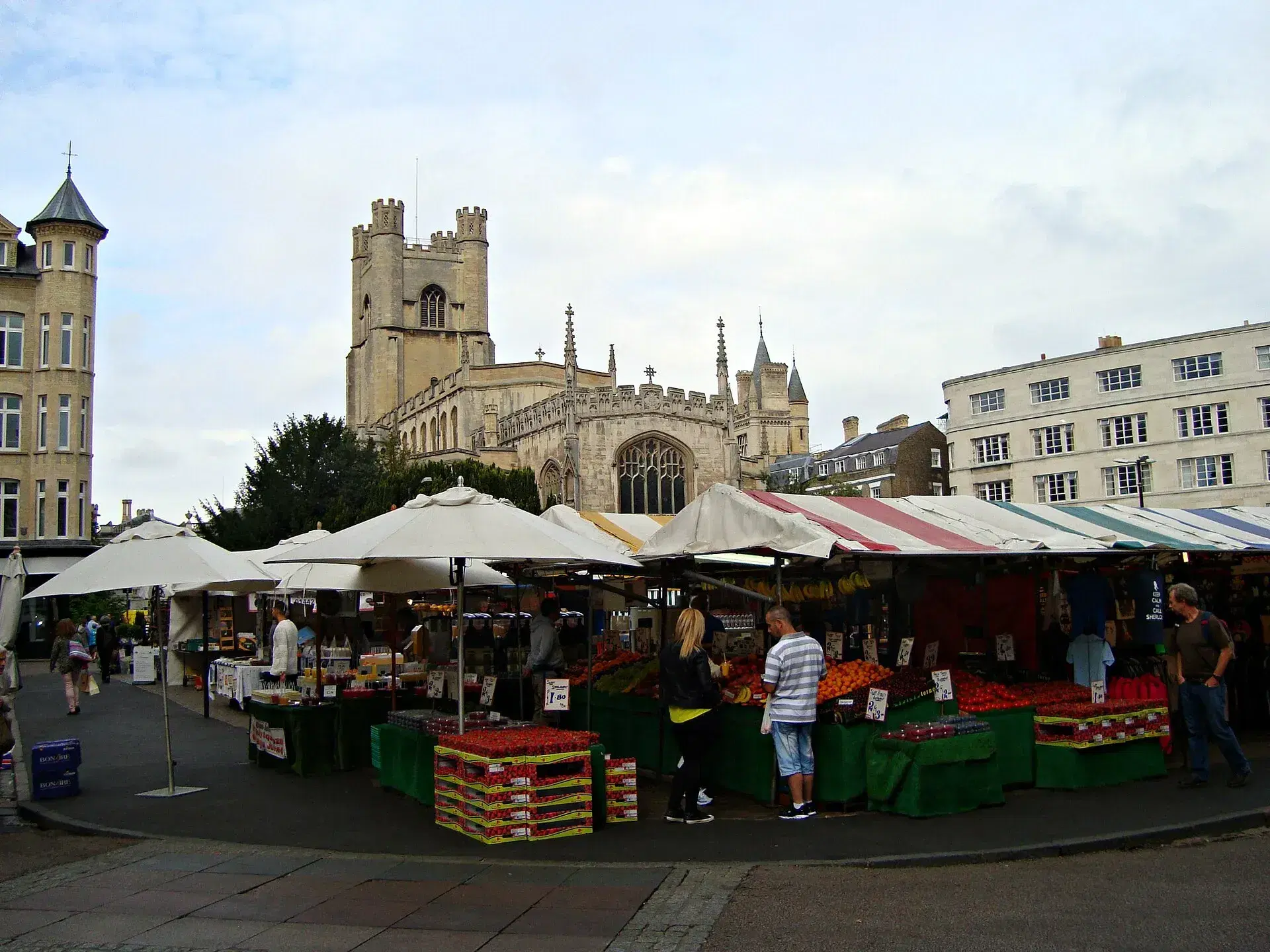
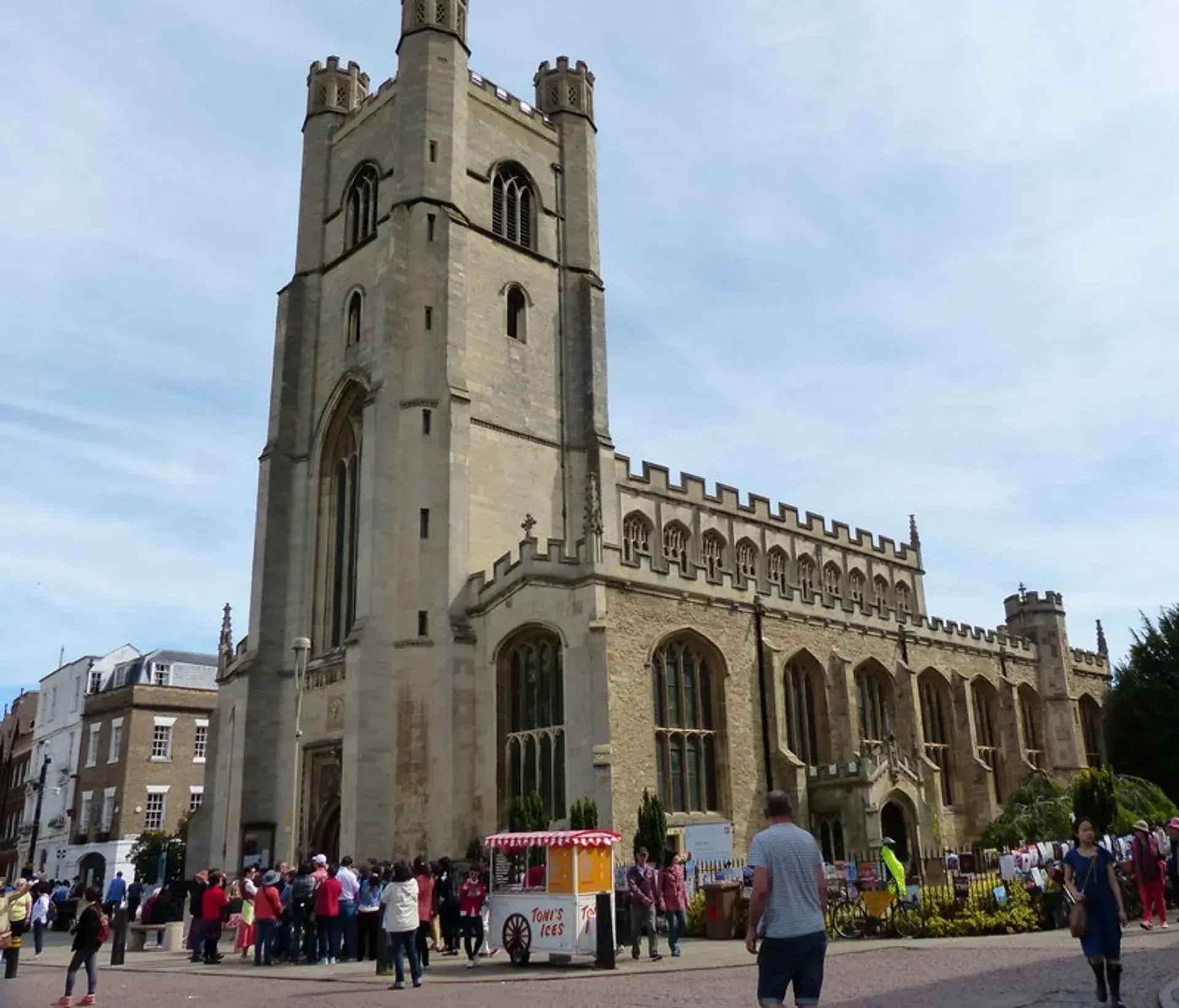
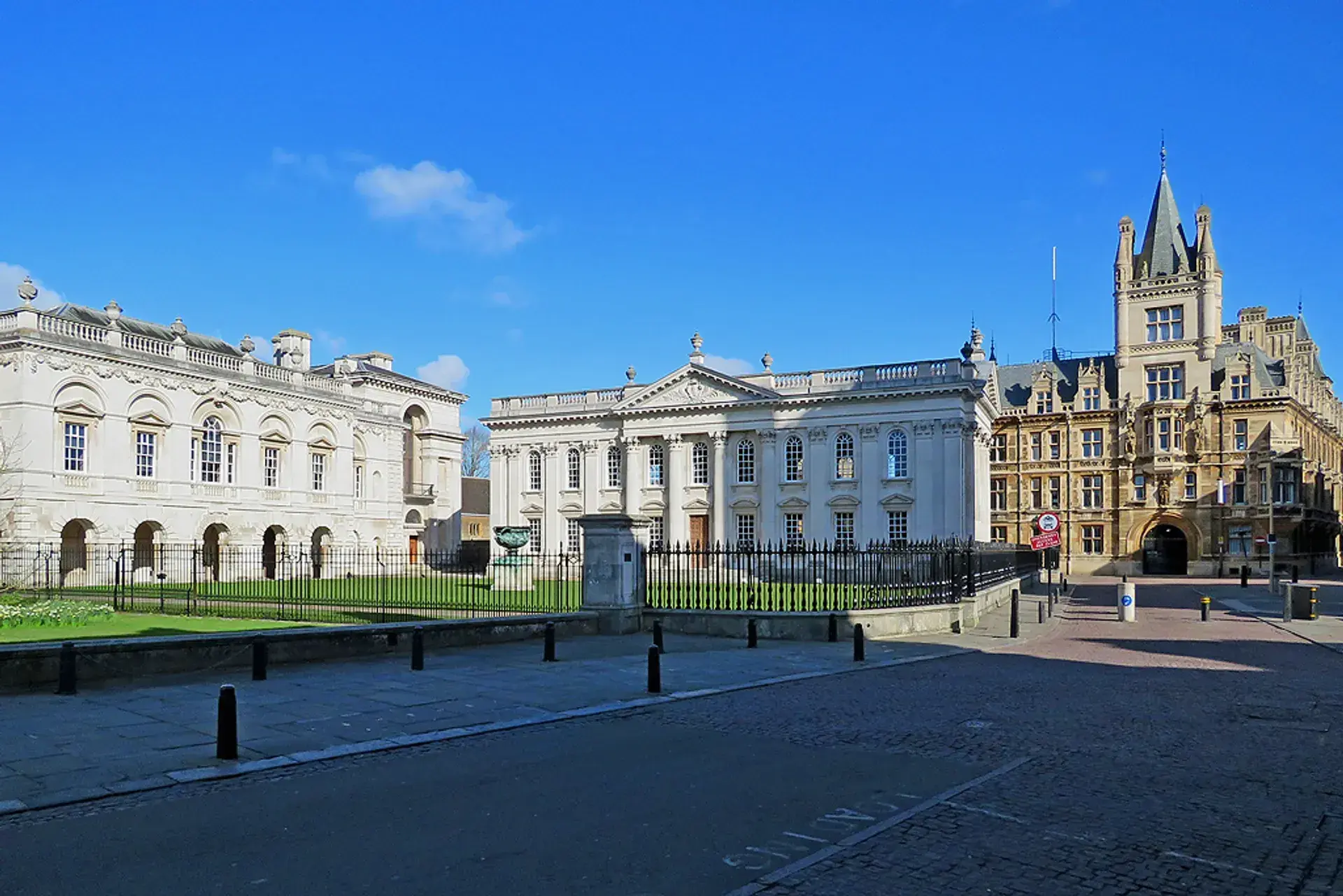
Market Hill, widely known as Cambridge Market Square, serves as the historic commercial and municipal core of the city. Bounded by Great St Mary’s Church to the west, the 1930s Cambridge Guildhall to the south, Rose Crescent and Market Street to the north, and Petty Cury to the east and southeast, the square stands as a central gathering space. It historically represents the "Town" of Cambridge, directly confronting the "Gown" domain of the university and its surrounding collegiate buildings, serving as a historic fulcrum where municipal life and university authority met.
From Medieval Congestion to Open Square
Trading at Market Hill dates back to Saxon times, expanding through the medieval period and receiving formal royal recognition under a charter granted by King Henry III in the 13th century. Originally, the marketplace was an irregular, congested L-shaped space. Timber-framed shops, tenements, and workshops pressed directly against the eastern wall of Great St Mary’s Church.
The spacious rectangular market seen today is not a medieval design, but the direct result of a catastrophic fire. In the early hours of September 16, 1849, a blaze broke out in a clothier's shop, consuming eight houses, workshops, and market stalls. During the panic, residents attempting to draw water from the central fountain discovered that the key to the Hobson's Conduit outlet had been mislaid. This forced locals to organize an emergency human bucket chain stretching all the way to the River Cam behind King's College Chapel. The ensuing destruction allowed the Town Council to clear the area and redevelop it into its present rectangular layout by the mid-1850s, paved with Victorian granite cobblestones, or setts.
A Stage for Rebellion and Reformation
Long before its Victorian redesign, Market Hill was a focal point for civic unrest. During the Peasants' Revolt of 1381, a mob led by the Mayor of Cambridge marched into the square to publicly burn University charters and tax ledgers.
Over a century later, in 1557, the square hosted a macabre event during Queen Mary I's counter-Reformation. The exhumed corpses of Protestant reformers Martin Bucer and Paul Fagius were brought to Market Hill in coffins, chained to posts, and burned alongside their writings. The nearby streets also hold historical curiosities; neighboring Peas Hill derives its name from the Latin word for fish (pisces), marking where medieval fishmongers traded, rather than vegetables.
A Thriving Modern Marketplace
Today, Market Hill functions seven days a week as a vibrant open-air market. The square accommodates rows of canvas-awning stalls hosting approximately 200 independent traders selling local farm produce, international street food, books, vintage clothing, and crafts. The atmosphere is defined by an aromatic blend of sizzling street foods, roasted coffee, and cut flowers, underpinned by the clinking of stall frames and the quarter-hour chimes of Great St Mary’s bells ringing out over the uneven stone cobbles.
Water features have also evolved in the square over the centuries. A 1614 branch of Hobson's Conduit once brought fresh water to a central fountain, but this structure was relocated to Trumpington Road in 1856. It was replaced on the square by a Gothic Revival conduit fountain designed by G. M. Hills in 1855, which was later partially dismantled in 1953. Looking to the future, the Cambridge City Council approved a civic quarter redevelopment scheme for autumn 2026. This project aims to lift and relay the Victorian granite setts for universal accessibility while introducing a flexible combination of fixed, semi-demountable, and demountable stalls.
FAQ
Why is Market Hill a rectangular shape?
Originally a congested, L-shaped medieval space, the marketplace was redesigned into its current rectangular layout after a major fire in 1849 destroyed numerous houses and stalls, allowing the Town Council to clear the area.
What is the history of the fountain in Cambridge Market Square?
In 1614, Hobson's Conduit brought fresh water to a central fountain in the square. After the 1849 fire, the original structure was moved to Trumpington Road and replaced in 1855 by a Gothic Revival fountain, which was partially dismantled in 1953.
What kind of stalls operate at Market Hill today?
The market operates seven days a week with around 200 independent traders selling a variety of goods, including local farm produce, international street food, crafts, books, and vintage clothing.