Self-Guided City Walks in Germany: Choose a Route
Last updated: September 2026
Intro
Germany has two different self-guided walking questions. The first is city-specific: which route works in Berlin, Munich or Nuremberg? The second is a trip-planning question: which German city fits the time and kind of day you have? This page answers the second one and sends you to the live route for each city.
Ciceru's current Germany catalogue shows 43 cities, 44 tours and 166 places. Frankfurt am Main has two routes. The catalogue runs from one-hour compact walks to a three-hour Cologne route, so an alphabetical list would hide the most useful choice.

Quick overview
- Best first filter: the time you can spend walking, including the trip from the station.
- Shortest walks: Bremen, Lübeck, Marburg, Stuttgart and Würzburg, all listed at about 1 hour.
- Largest middle group: 22 routes listed at about 1.5 hours, mostly between 1 and 3 km.
- Two-hour routes: large cities, university towns and routes with wider historical coverage.
- Longer routes: Frankfurt's modern-city route and Potsdam at 2.5 hours, Cologne at 3 hours.
- Current catalogue price: the live Germany catalogue displays €7 for the routes checked on 1 September 2026.
- Station friction: only a small number of station-to-centre times could be verified consistently. Where this guide says unverified, do not treat the city as an easy rail arrival without checking the first stop.
The routes below are Ciceru self-guided walks. Each city entry links directly to its current tour page, and the descriptions explain who the route suits rather than repeating a bare destination list.
How to choose a German city walk
Start with time, then use the city type as the tie-breaker. A one-hour route can still become a half-day visit if the historic centre is far from the railway station. A 2 km hillside route can require more effort than a flat 3 km route. Distance and duration are catalogue figures, not promises about how long you will spend inside museums or waiting at busy sites.
Use these questions:
- Do you have one hour? Choose a dense centre such as Bremen, Lübeck, Marburg, Stuttgart or Würzburg.
- Do you want medieval streets? Compare Bamberg, Goslar, Quedlinburg, Regensburg, Rothenburg, Trier and the smaller Moselle towns.
- Do you want a large-city first visit? Berlin, Dresden, Hamburg, Munich, Cologne, Düsseldorf or Frankfurt offer a wider urban frame.
- Do you want a specific historical subject? Trier is the Roman choice, Mainz is the Gutenberg choice, Worms is the Luther choice, Weimar combines Classicism and Bauhaus, and Nuremberg spans the imperial and twentieth-century city.
- Are you arriving by train? Aachen, Bonn, Bremen and Cologne have the clearest verified station-to-core comparisons in this research. Station times for most other cities remain unverified rather than estimated.
- Are you planning around an event? Christmas markets, Cologne Carnival, Oktoberfest and summer lake travel can change crowds and access. Choose the event deliberately, or avoid its peak.
About one hour
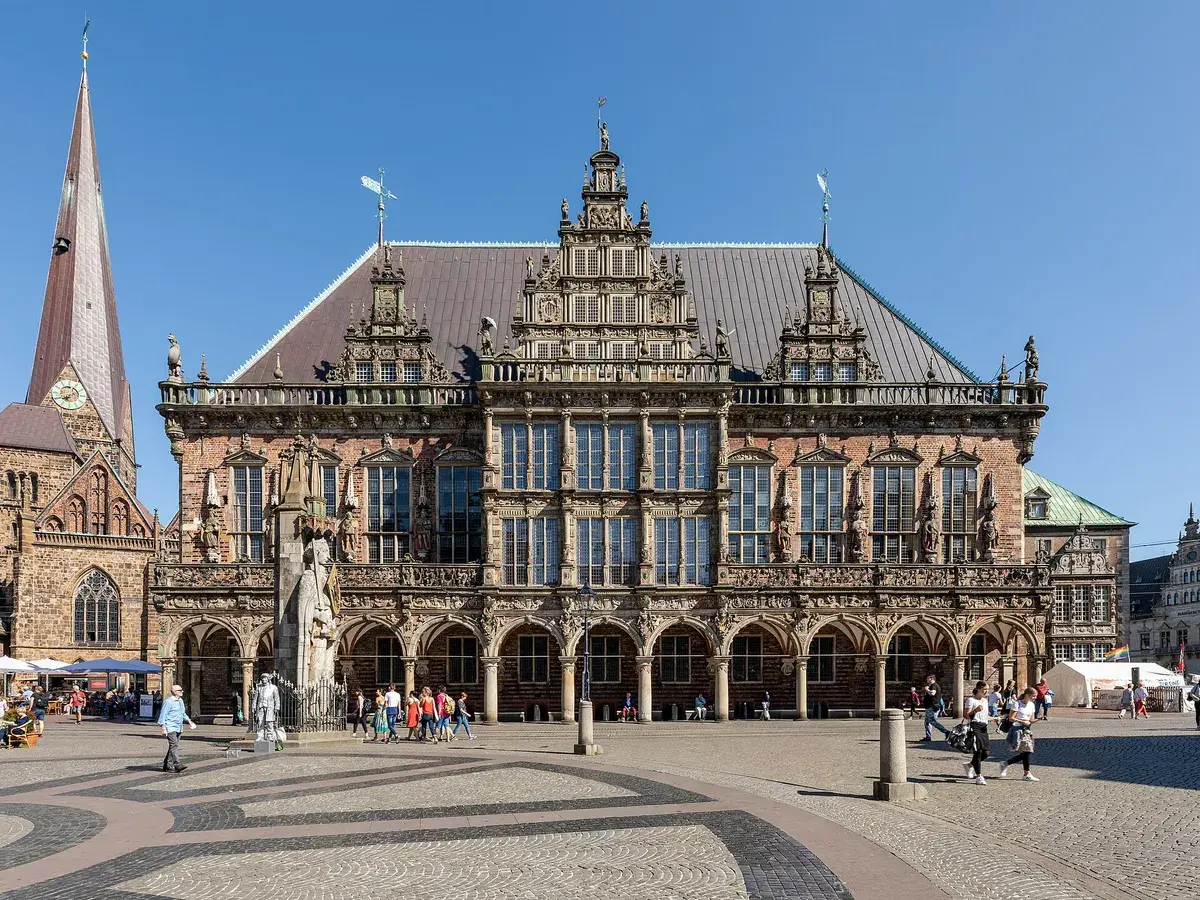
- Bremen: 8 stops and 1 hour. The official city site puts Hauptbahnhof to Marktplatz at about 10 minutes on foot. Town Hall, Roland and the Town Musicians make a dense Hanseatic first walk.
- Lübeck: 7 stops and 1 hour, beginning at Holstentor. Station-to-Holstentor timing is unverified. Brick Gothic, the Hanseatic centre and the UNESCO old town suit a short historic-city break.
- Marburg: 8 stops and 1 hour. Station timing is unverified. The route is steep, with a university-town identity and the Brothers Grimm as its clearest choice signal.
- Stuttgart: 7 stops and 1 hour. Station access is affected by Stuttgart 21 construction, so a normal walk-time comparison is not reliable. Choose it for a large city with an unusually compact route.
- Würzburg: 10 stops and 1 hour. Station timing is unverified. The Residence, vineyards and Old Main Bridge combine Baroque and Franconian wine-city themes. For a related place story, see the article on Würzburg's Court Chapel.
About 90 minutes
- Aachen: 11 stops and 1.5 hours. Aachen Hbf to the cathedral is about 14 minutes. Charlemagne, the cathedral and the coronation history make it the clearest imperial-city choice. Continue with the free Aachen walking route.
- Bamberg: 8 stops and 1.5 hours. Station timing is unverified. The UNESCO old town over seven hills, the river-set Altes Rathaus and brewing history distinguish it.
- Bernkastel-Kues: 10 stops over 1 km and 1.5 hours. There is no comparable main-line Hauptbahnhof in the centre, so station timing is unverified. Choose the concentrated timber-frame and Moselle wine setting.
- Freiburg im Breisgau: 9 stops and 1.5 hours. Hauptbahnhof to the Münster is about 11 to 13 minutes. The Black Forest gateway and pavement Bächle are the defining pair.
- Görlitz: 9 stops and 1.5 hours. Station timing is unverified. Germany's easternmost city and its repeated film-set use give it a different reason for choosing it.
- Goslar: 10 stops and 1.5 hours. Station timing is unverified. The imperial palace and Rammelsberg mining history explain the city's silver-built identity.
- Koblenz: 8 stops and 1.5 hours. Station timing is unverified. The Electoral Palace leads to Deutsches Eck at the Rhine and Moselle confluence.
- Konstanz: 8 stops and 1.5 hours. The station sits by the central old-town and lakefront zone, but a normalised minute figure is unverified. The Council of Constance and its 1417 papal election are the historical distinction.
- Leipzig: 8 stops and 1.5 hours. Station timing is unverified. Bach and the 1989 Peaceful Revolution give the route two distinct historical anchors.
- Lüneburg: 10 stops and 1.5 hours. Station timing is unverified. Salt extraction, subsidence and preserved brick streets separate it from other Hanseatic choices.
- Mainz: 8 stops and 1.5 hours. Station timing is unverified. Roman, cathedral and wine-city layers meet the Gutenberg printing legacy.
- Meersburg: 10 stops over 1 km and 1.5 hours. Meersburg has no conventional rail station, so rail-plus-bus or ferry access needs separate planning. Choose it for the Lake Constance hillside setting.
- Nuremberg: 8 stops and 1.5 hours, beginning at Handwerkerhof. Station timing is unverified. The imperial core and the twentieth-century history layer give it a broad range. The German Christmas markets article covers its seasonal comparison.
- Passau: 8 stops and 1.5 hours. Station timing is unverified. The Baroque centre and the meeting of three rivers are the reason to choose it.
- Quedlinburg: 8 stops and 1.5 hours. Station timing is unverified. Its large surviving timber-frame ensemble is the central choice signal.
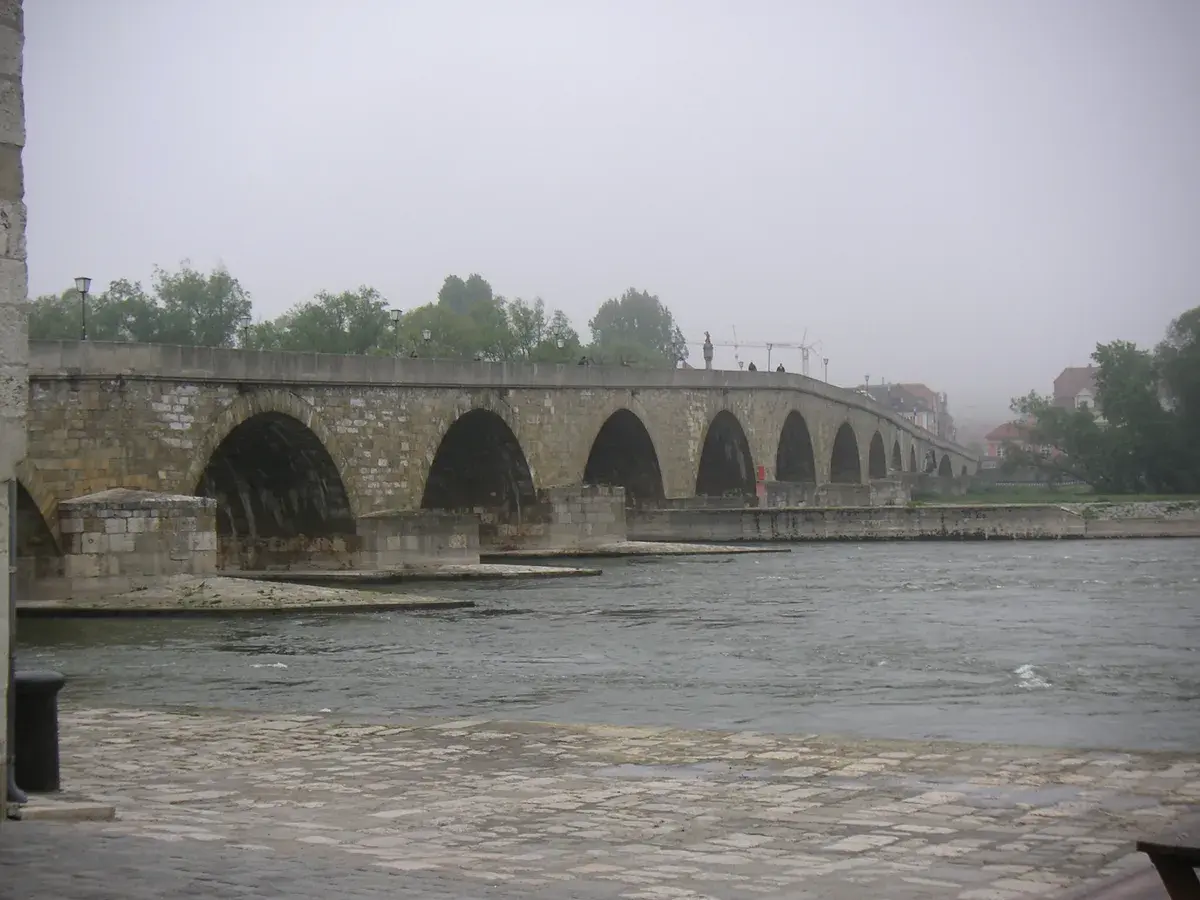
- Regensburg: 8 stops and 1.5 hours. Station timing is unverified. The Stone Bridge, cathedral and dense medieval core make it one of the strongest all-round historic choices. Read the Regensburg walking article before choosing between route and beer-garden content.
- Saarburg: 10 stops over 1 km and 1.5 hours. Station timing is unverified. The town's waterfall runs through the centre.
- Soest: 9 stops and 1.5 hours. Station timing is unverified. Green sandstone churches give this Westphalian medieval centre a different architectural register.
- Speyer: 7 stops over 1 km and 1.5 hours. Station timing is unverified. The imperial cathedral dominates the Rhine-city choice.
- Tübingen: 8 stops and 1.5 hours. Station timing is unverified. The old university town, Neckar riverfront and Stocherkahn culture distinguish it.
- Weimar: 8 stops and 1.5 hours. Station timing is unverified. Weimar Classicism and the origins of Bauhaus make this the strongest combined literature, art and design choice.
- Worms: 10 stops and 1.5 hours. Station timing is unverified. The cathedral city is the route for Luther and the 1521 Diet of Worms.
About two hours
- Augsburg: 8 stops and 2 hours. Hauptbahnhof to Rathausplatz is about 14 minutes. The Fugger legacy and historic water-management system distinguish it.
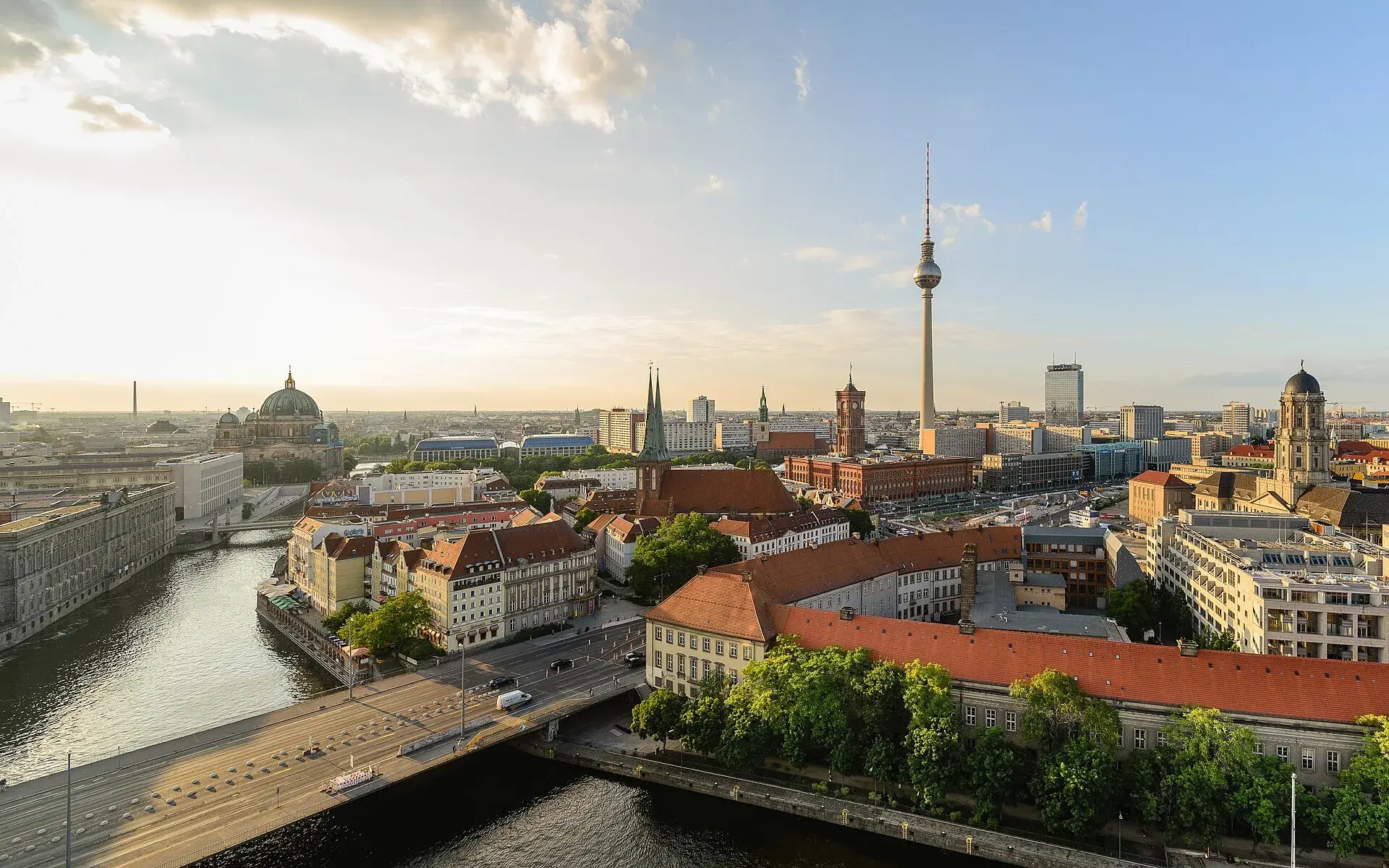
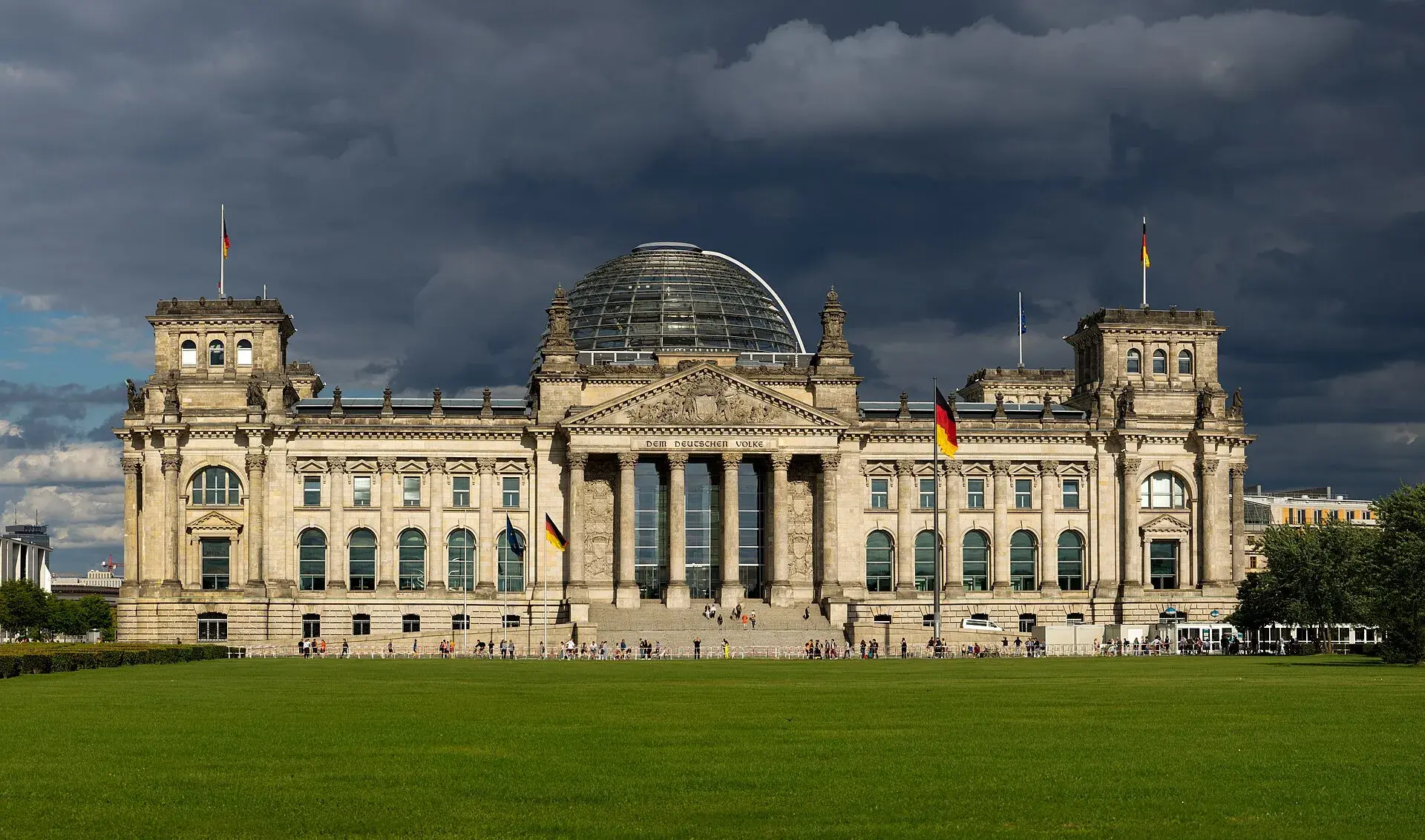
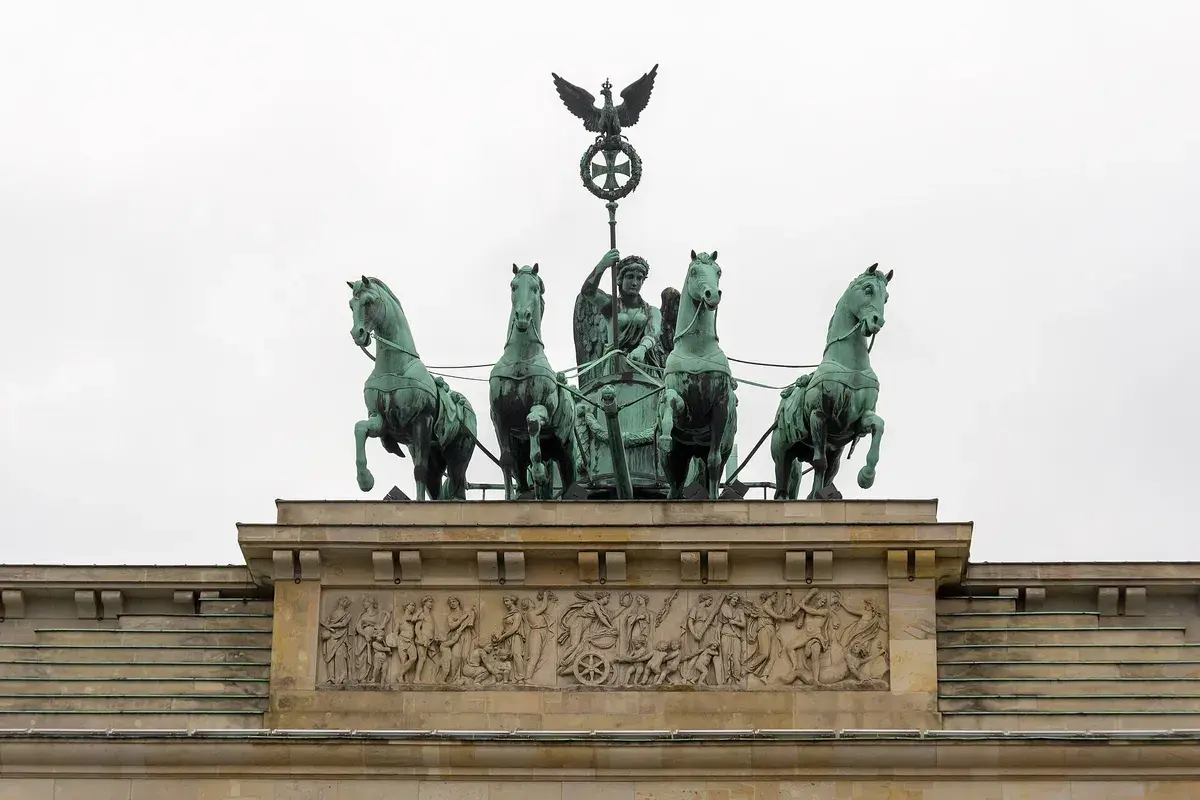
- Berlin: 11 stops and 2 hours. Hauptbahnhof to Brandenburg Gate is roughly 17 to 19 minutes on foot. The route spans Prussian, Nazi, divided-city and reunified-capital layers. The current Germany closure guide is the useful practical companion.
- Bonn: 7 stops and 2 hours. Beethoven-Haus describes Bonngasse as a few minutes from Hauptbahnhof, with nearby routing around 8 to 10 minutes. Choose the former West German capital and Beethoven's birthplace.
- Dresden: 9 stops and 2 hours. Hauptbahnhof to Frauenkirche is about 20 minutes on foot. Zwinger, Semperoper and Frauenkirche form a concentrated monumental group. Carolabrücke replacement planning affects wider Elbe movement in 2026.
- Düsseldorf: 9 stops and 2 hours. Hauptbahnhof to Königsallee is about 15 minutes on foot. The Rhine, fashion, art and MedienHafen's contemporary architecture make it unlike the medieval choices.
- Erfurt: 10 stops and 2 hours. Hauptbahnhof to Krämerbrücke is about 12 minutes on foot. The inhabited merchant bridge is the defining feature.
- Frankfurt am Main, Helenopolis route: 10 stops, 2 hours and 6 km. Station-to-Römer timing is unverified. Choose this route for the older historical frame.
- Hamburg: 8 stops and 2 hours, finishing at the Elbphilharmonie through Speicherstadt. Station-to-Rathaus timing is unverified. This is the catalogue's strongest maritime big-city route.
- Hannover: 8 stops and 2 hours. The city's Red Thread begins outside Hauptbahnhof, so its traditional city walk has effectively immediate station access. Choose Hannover for a reconstructed city and civic route logic.
- Heidelberg: 7 stops and 2 hours, starting at the castle. Station timing is unverified. The castle, old university and Philosophenweg make this a hillier choice. Heidelberg Hauptbahnhof renovation begins in October 2026 and is planned through around 2031.
- Munich: 9 stops and 2 hours, centred on the earliest centuries of Munich and Marienplatz. Station-to-Marienplatz timing is unverified. The historic beer-hall component sets it apart among large-city routes.
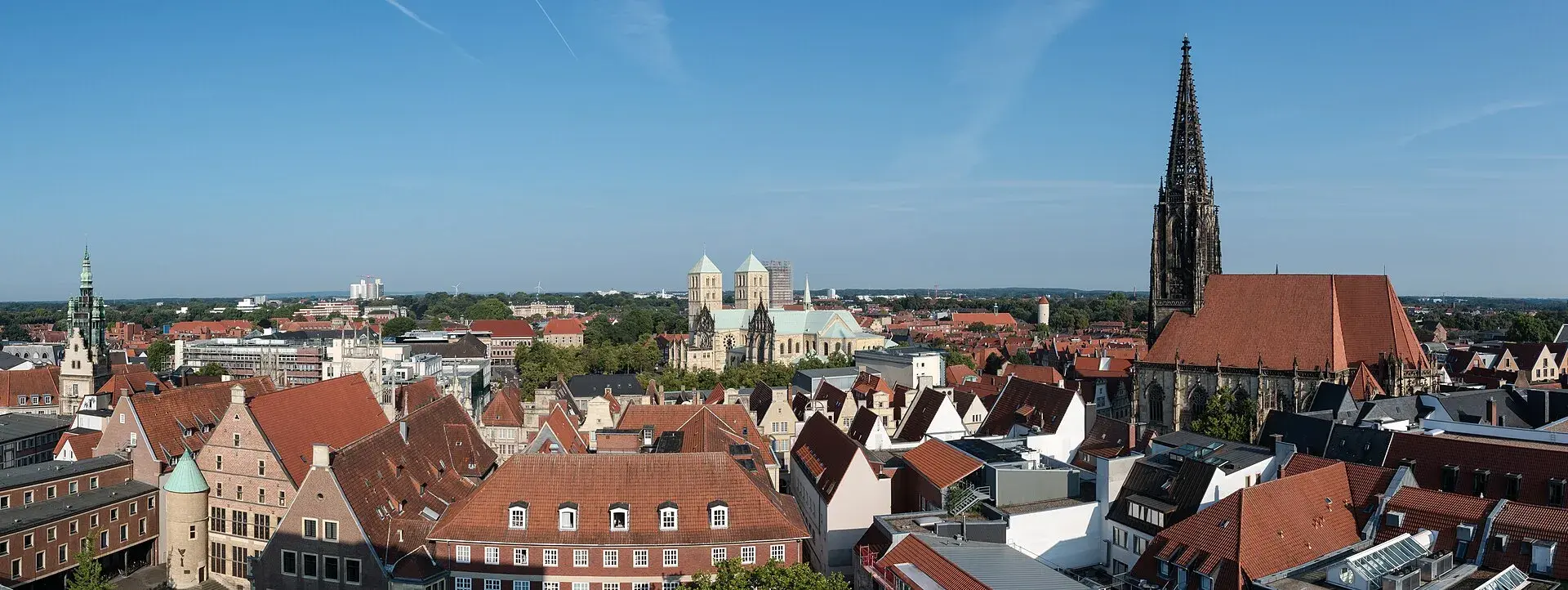
- Münster: 9 stops and 2 hours. Station timing is unverified. Choose the university and cycling city, then read the Münster walking article.
- Rothenburg ob der Tauber: 9 stops and 2 hours. Station timing is unverified. The preserved walls and Romantic Road setting make it the concentrated medieval choice with a year-round Christmas retail context.
- Trier: 10 stops and 2 hours. Station timing is unverified. Porta Nigra and the concentration of Roman remains make it the clear ancient-Rome choice. The Trier walking article has the route detail.
Longer walks
- Frankfurt am Main, modern-city route: 8 stops, 2.5 hours and 5 km. Station-to-centre timing is unverified. Choose the old-town-versus-skyscraper contrast. Frankfurt is the only city in the catalogue with two current routes.
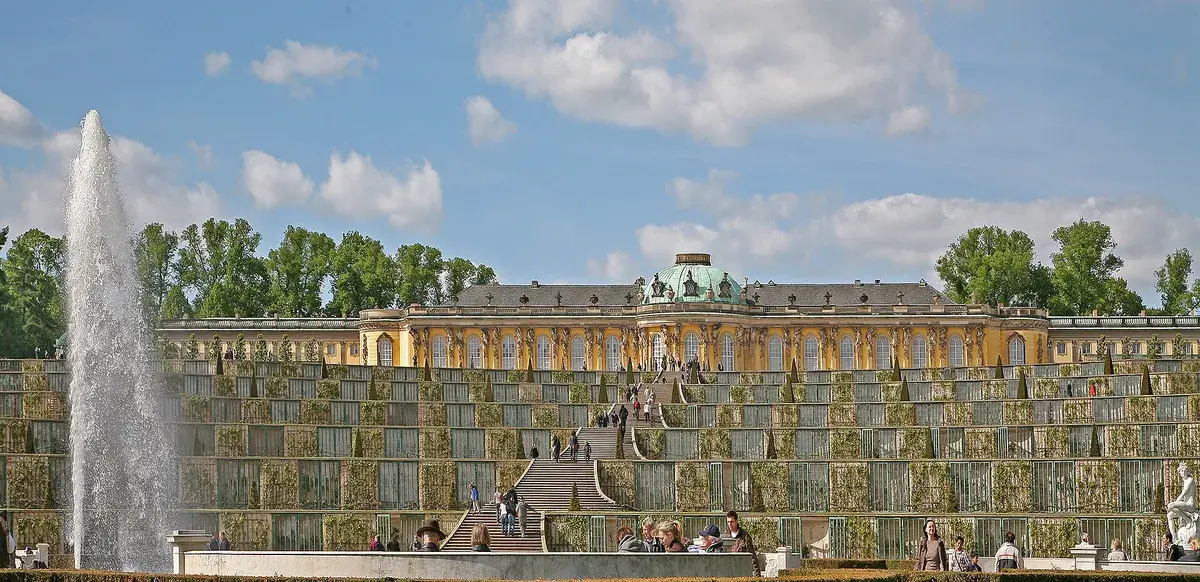
- Potsdam: 7 stops, 2.5 hours and 6 km. Station timing is unverified. This is a palace-and-park route rather than a compact old-town circuit, and the strongest Prussian royal-landscape choice.
- Cologne: 7 stops and 3 hours. Köln Hbf and the cathedral are effectively adjacent, around 2 minutes on foot. Choose Cologne for immediate rail-to-cathedral access and the Rhine metropolis.
Seasonal and practical notes
- Construction: Stuttgart 21 means altered pedestrian circulation at Stuttgart station through this period. Heidelberg Hauptbahnhof renovation starts in October 2026. Dresden's Carolabrücke replacement planning affects bridge assumptions. Würzburg's Festung Marienberg renovation continues through 2026, with restaurants closed and a kiosk operating.
- Museum planning: Berlin's Pergamon Museum remains closed in 2026, with the northern section including the Pergamon Altar scheduled for spring 2027. This does not cancel the exterior route, but it changes a full-day plan.
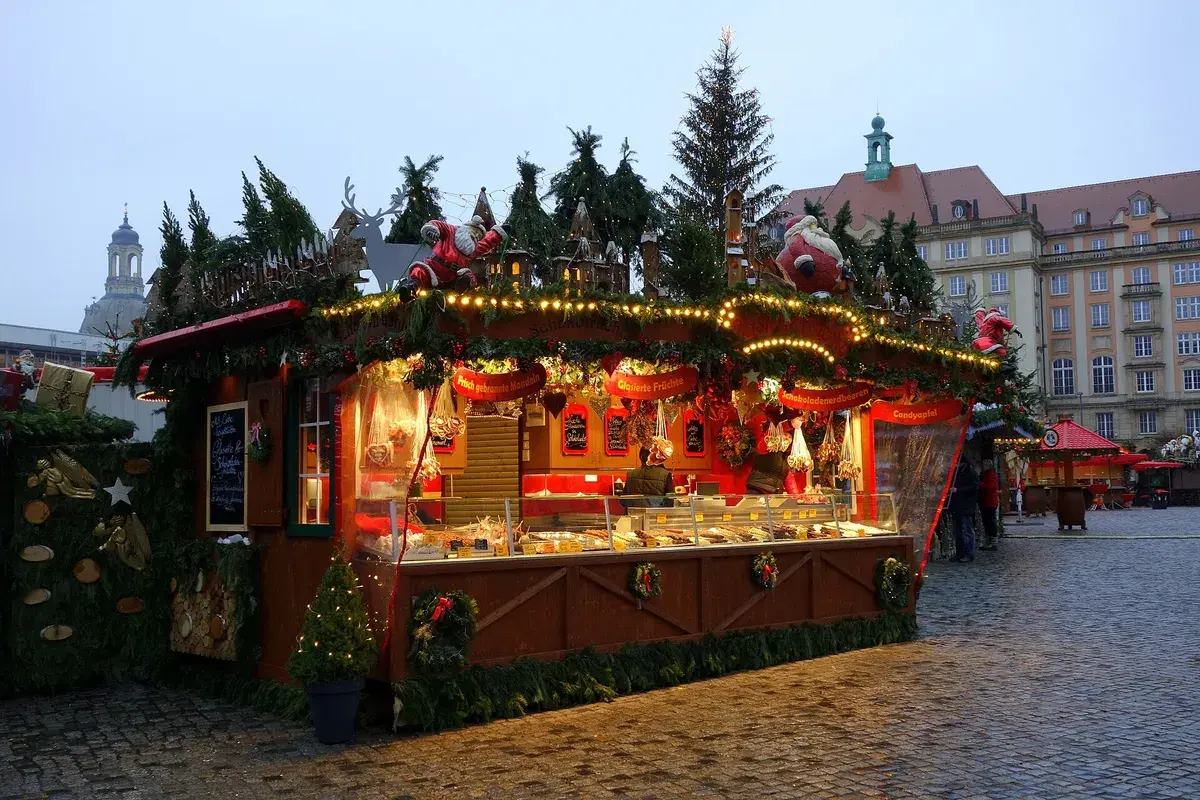
- Christmas: Dresden's Striezelmarkt, Nuremberg, Rothenburg, Erfurt and Lübeck are strong Christmas-season choices, but exact 2026 dates must come from the relevant official event pages. Expect heavier crowds rather than assuming the city is simply better in winter.
- Carnival: Cologne is a better choice if Carnival is the reason for the visit and a worse choice if you want a quiet ordinary walk. Germany Travel identifies the street Carnival around Alter Markt and Heumarkt as the peak period.
- Lakes and wine towns: Konstanz and Meersburg depend more on waterfront conditions. Bernkastel-Kues, Saarburg, Mainz and Würzburg have stronger wine-city identities. Specific best-month or harvest-crowd claims are unverified here.
- Price: The live catalogue displayed €7 for the German routes checked on 1 September 2026. Confirm the current price on the tour page before purchase.
Frequently asked questions
Is there one best self-guided city walk in Germany?
No. Choose by time first. Bremen, Lübeck, Marburg, Stuttgart and Würzburg fit an hour. Trier, Bamberg, Regensburg and the other 1.5-hour routes fit a compact historic visit. Berlin, Munich, Hamburg and Dresden need more time.
Can I walk from the main station to every route?
The historic centre is walkable in every city listed, but station-to-first-stop friction varies. This research verified times for only a small subset, so the entries marked unverified need a same-day arrival check.
Which routes suit a Christmas trip?
Dresden, Nuremberg, Rothenburg, Erfurt and Lübeck have strong Christmas reasons. Check official 2026 dates and expect heavier crowds. Vienna's post-Christmas comparison is in the companion markets article.
Do I need the Ciceru app to choose a walk?
No. This page compares the routes and links to them. If you choose one, the Ciceru tour page gives the current stop count, duration and price for that city.
Before you go
Choose the duration group first, then open the city page and check the current route details. Recheck station works, museum closures, event dates and the displayed price shortly before travelling. The useful difference between these 43 cities is not the size of the list, but whether the walk fits the day you actually have.