Madrid Explained: What It Is Known For, When to Go and What to See
Last updated: October 2026
Intro
Madrid is known for world-class art, a long and late food culture, and a centre where people still live rather than just visit. It is also a city where timing decides everything: the same walk is a pleasure in May and a bake in August. Three things have shifted recently that older guides miss. The Prado cut its maximum group size from 30 to 20 in March 2026. The Royal Palace's free afternoon window is for EU citizens and residents and Latin American citizens, not for everyone. And August 2025 brought a 16-day heatwave with a 40.3°C peak at the Retiro weather station. Everything below was checked in October 2026.
Ciceru runs one self-guided walk through the old centre, €7 in the Ciceru app, with a story and a quiz question at each stop and a free 500 MB global eSIM. More on it near the end.

⚡ Quick answer
- What Madrid is known for: the Prado and Reina Sofía (Velázquez, Goya, Guernica), the Royal Palace, Plaza Mayor, the Retiro park, tapas and late dinners
- Freshest changes: Prado group cap of 20 since March 2026, Royal Palace free window limited to EU citizens and residents, and a very hot August 2025
- Best time to go: April, May, late September and October, when daytime highs sit from about 18°C to 26°C
- Worst time: July and August, with highs above 31°C on average and little rain to break it
- How many days: three days covers the art, the old centre and the Retiro without rushing
🎨 What Madrid is actually known for
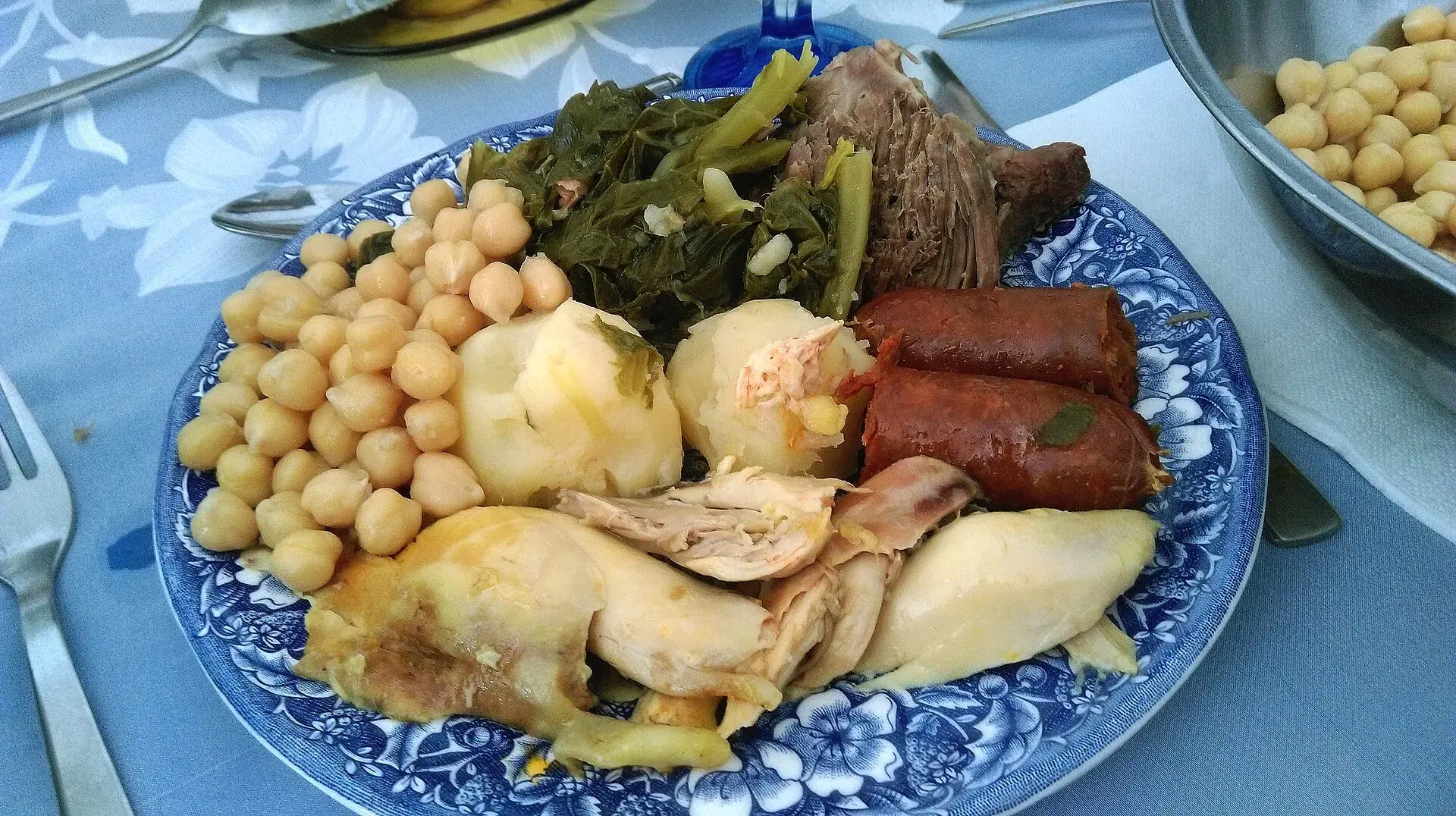
Art first. Within a few minutes' walk of each other you can see Velázquez and Goya at the Prado and Picasso's Guernica at the Reina Sofía, which is an unusual concentration for any city. Food second: Madrid eats late, snacks often and treats the bar counter as a second living room. Third, and harder to put on a postcard, it feels lived in. The old centre has offices, schools and neighbours' washing, not just souvenir shops. Madrid is not a pretty-from-every-angle city. It is a good one to spend three days inside.
🏛️ The short history that explains the layout
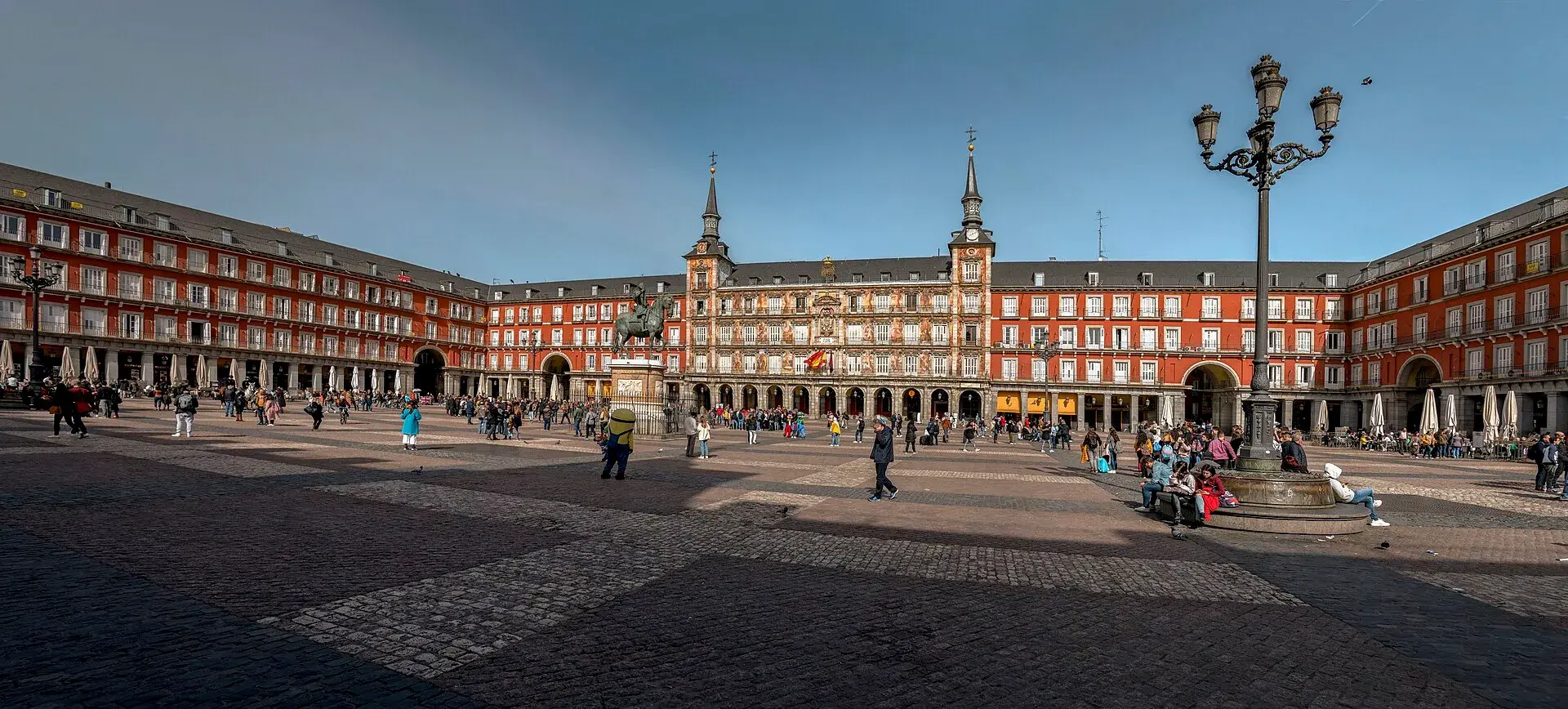
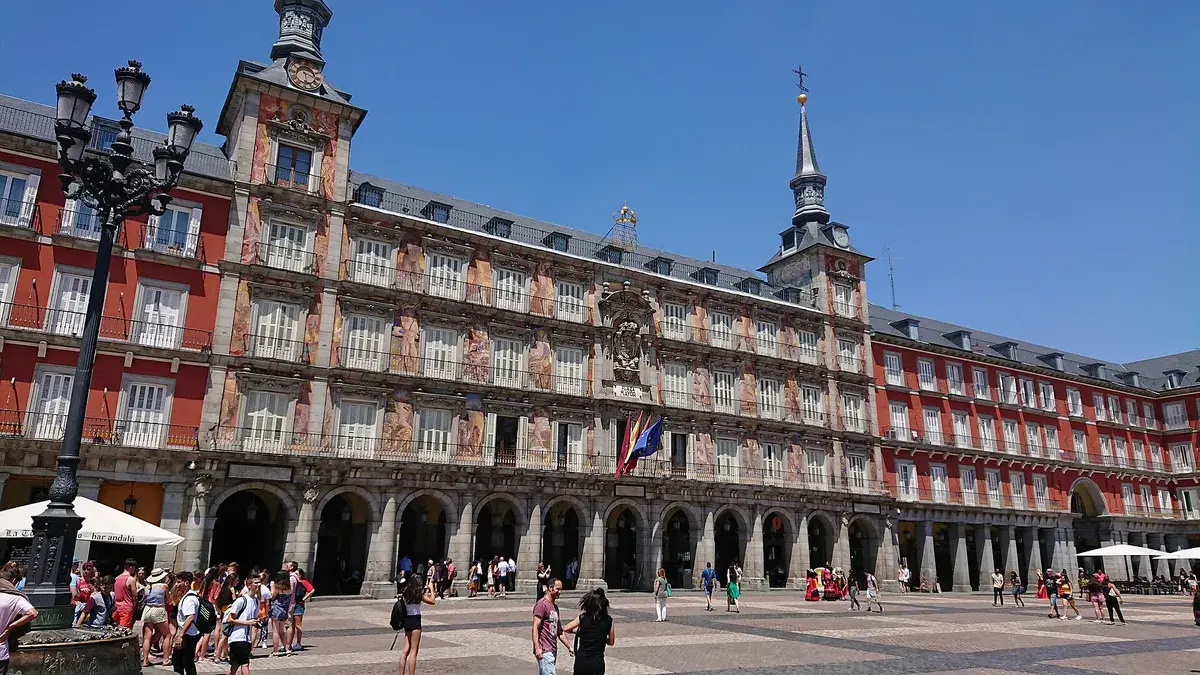
Madrid was a modest town until 1561, when Philip II moved the royal court here and it became the de facto capital. Its population jumped from around 20,000 to nearly 100,000 by the end of that century. That Habsburg period left the tight old core around Plaza Mayor, built under Philip III and completed in 1619, a 129 by 94 metre square ringed by 237 balconies.
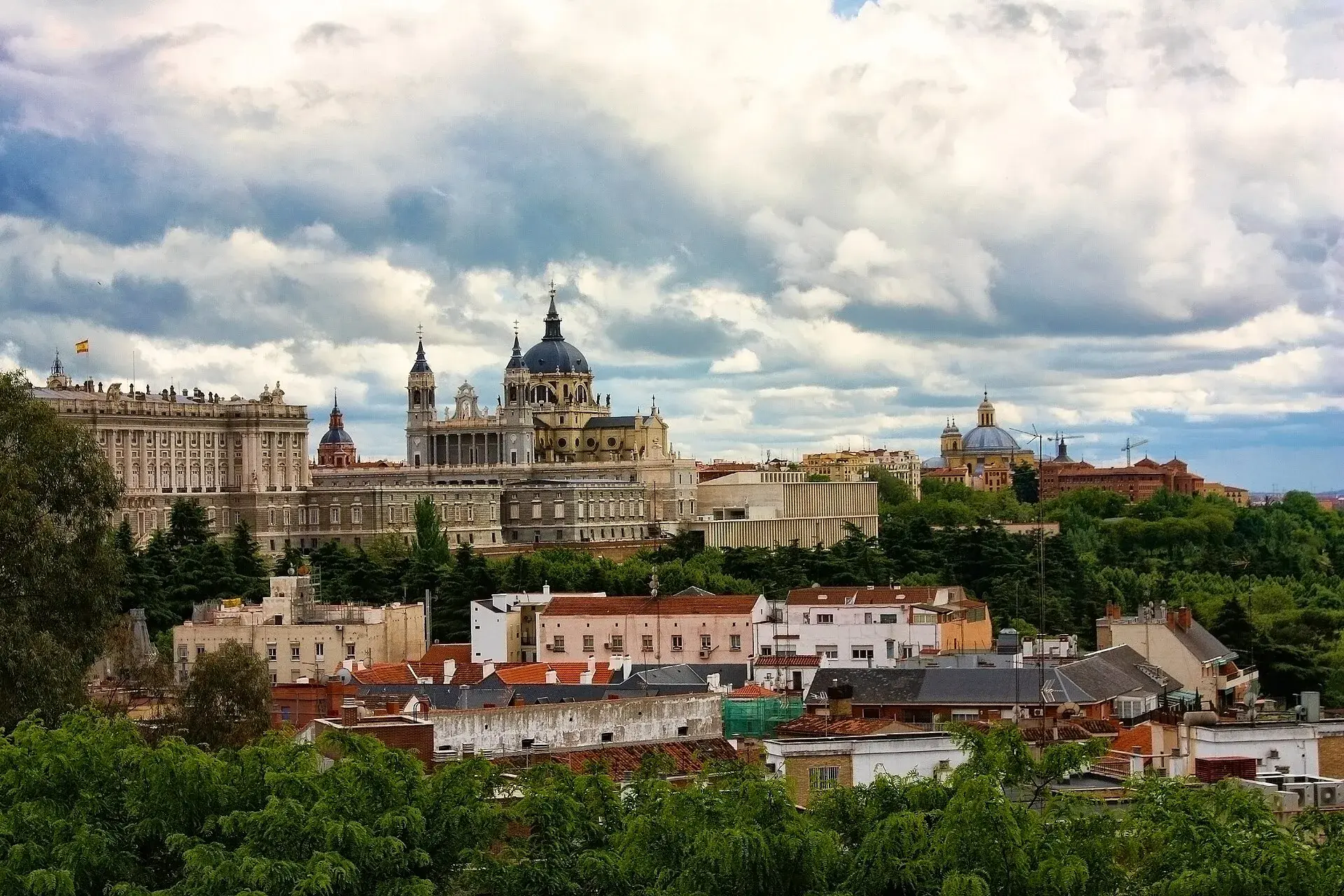
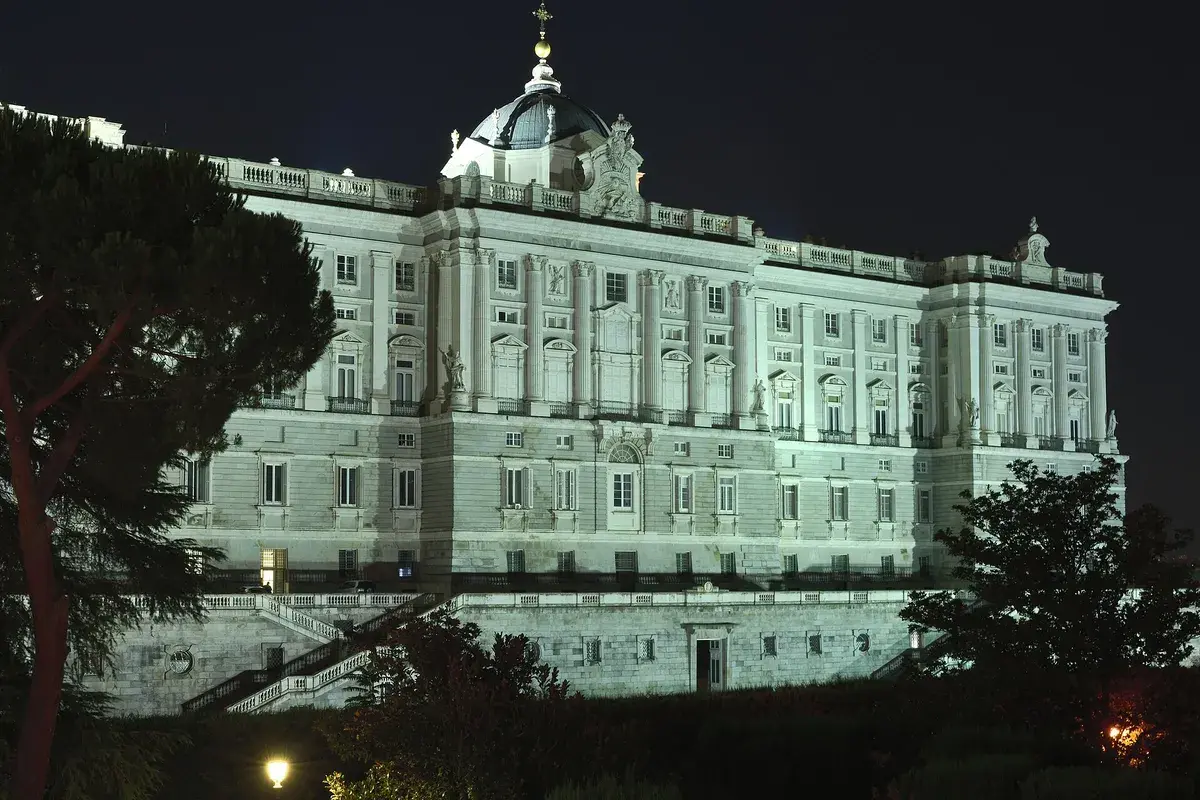
The Bourbons redrew the city in the 18th century. After the old Alcázar burned down on 24 December 1734, Philip V ordered the Royal Palace built on the site, and Charles III, who first occupied it in 1764, went on to reshape the city. Under him the Paseo del Prado was laid out, and the architect Juan de Villanueva designed what is now the Prado building in 1785, first meant for a natural history cabinet. It opened as a museum in November 1819. The wide boulevard, the park and the museums along it are what people now call the Paseo del Arte, and in 2021 UNESCO listed the Paseo del Prado and Buen Retiro as a World Heritage landscape of arts and sciences.
Gran Vía, begun in April 1910, is the later layer: a big modern street cut straight through the old fabric.
The practical upshot: the Habsburg centre is west and compact, the art boulevard runs north to south on the eastern side, and the Retiro sits just beyond it.
📍 The five places everyone goes
Museo del Prado 💶 €15 🕐 10:00 to 20:00 Monday to Saturday, 10:00 to 19:00 Sundays and holidays. Free in the last two hours before closing, so 18:00 to 20:00 on weekdays and Saturdays and 17:00 to 19:00 on Sundays. Entry stops 30 minutes before closing. Verdict: worth it, but do not try to see it all. Pick Velázquez and Goya and stop. Free entry can mean a queue, so a paid morning ticket is the way round it. Groups are now capped at 20 and concentrated between 16:00 and 18:00; the museum's March 2026 notice also mentions 15-minute entry slots for individuals, so check its site on the day.
Museo Reina Sofía 💶 €12 🕐 closed Tuesdays. Free 19:00 to 21:00 Monday and Wednesday to Saturday, and 12:30 to 14:30 on Sundays, for individual visitors only. Verdict: worth it for Guernica alone, which has been here since 1992. Go in the evening free window if you can handle crowds, or buy a ticket and visit when it opens.
Palacio Real 💶 €18 self-guided 🕐 winter schedule (October to March) 10:00 to 18:00 Monday to Saturday, 10:00 to 16:00 Sundays; summer 10:00 to 19:00 and 10:00 to 16:00. Free for EU citizens and residents, and Latin American citizens, Monday to Thursday 16:00 to 18:00 in winter (17:00 to 19:00 in summer), self-guided only, with proof of nationality or residence. Verdict: worth the €18 once, and the newest rooms, the Reliquary and Ante-Reliquary, opened in March 2026. Patrimonio Nacional asks you not to bring large bags or backpacks, so do not combine it with a luggage-heavy arrival day.
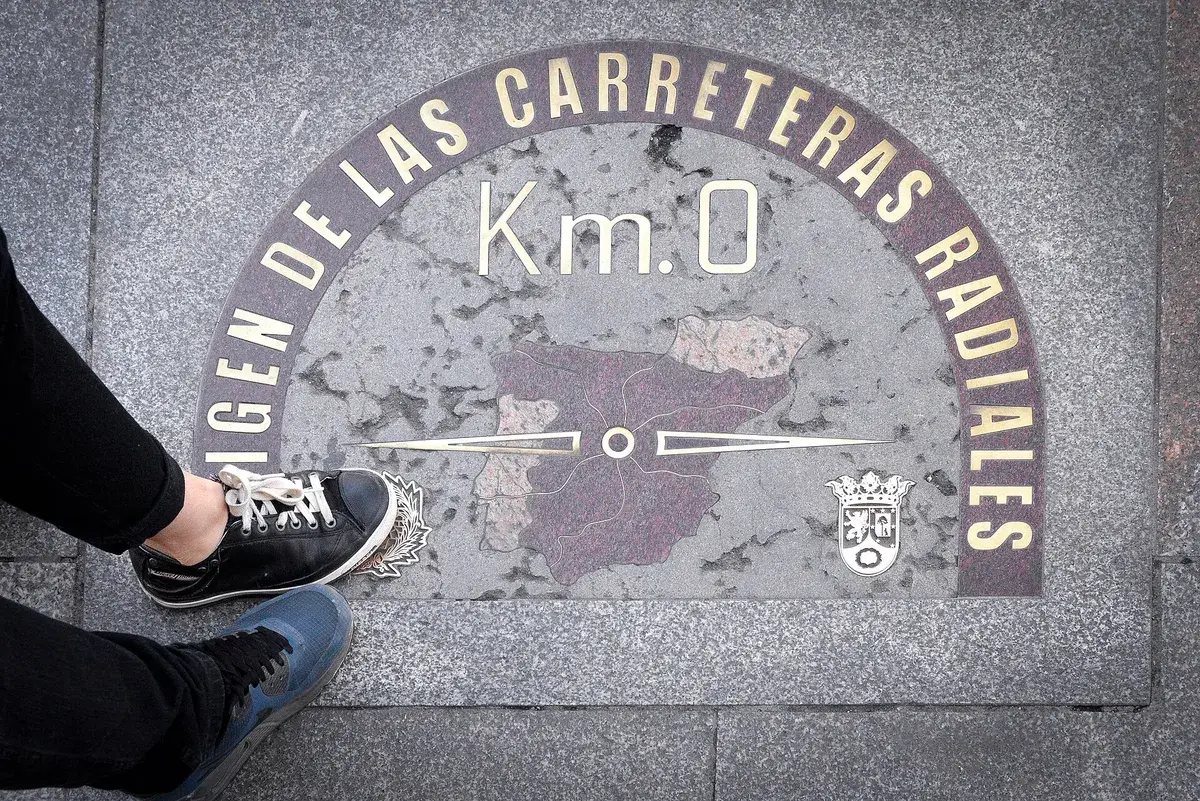
Plaza Mayor and Puerta del Sol 💶 free 🕐 always open. Verdict: see them, but eat elsewhere (see the food guide). Sol is a crossroads, not a destination, but it is the starting point for most routes and holds the Kilómetro Cero plaque.
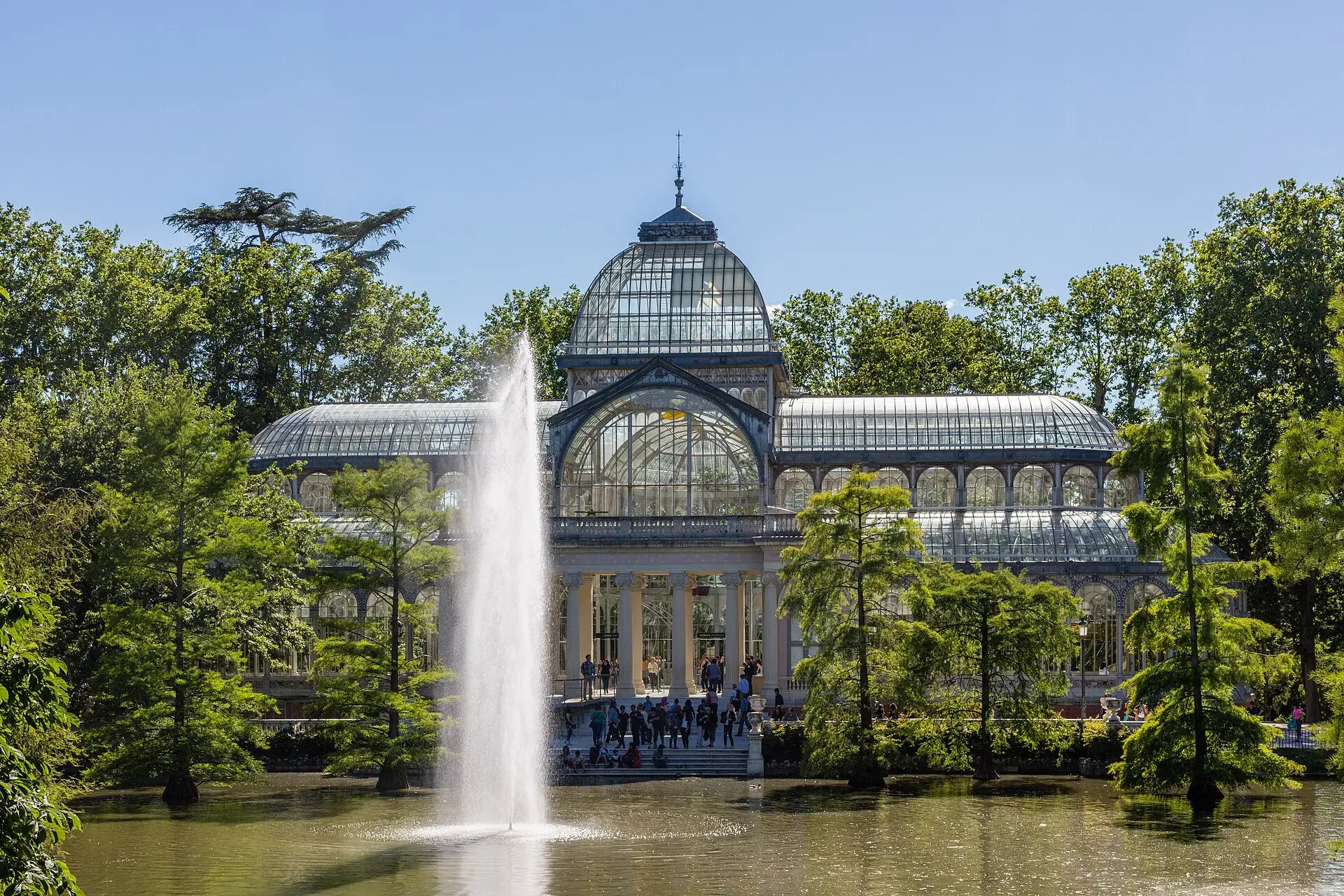
El Retiro 💶 free 🕐 06:00 to 22:00 October to March, 06:00 to midnight April to September. Verdict: the easiest good afternoon in the city, with a lake, tree-lined paths and the glass Palacio de Cristal built in 1887. The city council can close it in strong wind, so check the weather on a windy day.
🙈 Three places tourists skip and shouldn't
- Real Jardín Botánico 📍 Plaza de Murillo 2, opposite the Prado. €6, open daily from 10:00 except 25 December and 1 January, closing at 19:00 in October. A quiet hour between two museums.
- Museo del Romanticismo 📍 Calle San Mateo 13. A small 19th-century house museum, €3 normally, and its own site says free entry runs to 31 October 2026. Tuesday to Saturday 09:30 to 20:30 until the end of October, then 09:30 to 18:30; Sundays 10:00 to 15:00; closed Mondays.
- Matadero Madrid 📍 Plaza de Legazpi 8, beside Madrid Río. A former slaughterhouse now used for exhibitions, film and dance. Entry to the grounds is free, with outdoor spaces open 09:00 to 22:00. A very local afternoon.
For a longer list of things that cost nothing, see Free Things to Do in Madrid.
🌦️ Weather month by month
Average daily highs and lows, from AEMET's 1981 to 2010 climate normals for the Retiro observatory, 667 metres above sea level:
- January: 9.8°C high, 2.7°C low
- February: 12.0°C high, 3.7°C low
- March: 16.3°C high, 6.2°C low
- April: 18.2°C high, 7.7°C low
- May: 22.2°C high, 11.3°C low
- June: 28.2°C high, 16.1°C low
- July: 32.1°C high, 19.0°C low
- August: 31.3°C high, 18.8°C low
- September: 26.4°C high, 15.4°C low
- October: 19.4°C high, 10.7°C low
- November: 13.5°C high, 6.3°C low
- December: 10.0°C high, 3.6°C low
Those are averages, and AEMET's page still shows that older period. Summer 2025 in the Madrid region ran 2.4°C above the seasonal average, and a heatwave from 3 to 18 August peaked at 40.3°C at the Retiro on 17 August. August nights average 18.8°C, so the heat does not really break. October and November are the wettest months, with around 60 mm each.
🗓️ Best time to go and how many days you need
Best months: April, May, late September and October. Highs stay roughly between 18°C and 26°C and the museums are easier. Late September is still warm in the afternoon; October brings the first proper rain.
Worst months: July and August. Plan museums and indoor sights between 12:00 and 17:00, and walk early or after dinner. December to February is cold, with highs of 10°C to 12°C and lows near freezing in January, so pack a proper coat.
How many days: three. One for the Habsburg centre and the Royal Palace, one for the Paseo del Arte and the Retiro, one for a neighbourhood or museum you actually choose. A fourth day is easier spent in Toledo or Segovia than adding more Madrid sights.
For fares, airport transfers and luggage, see Getting Around Madrid.
🚶 A two hour essentials walk
Start at Puerta del Sol and drift west through the Habsburg streets towards the Royal Palace, with a stop for a caña on the way. That is the sensible two-hour version of Madrid: old centre, small squares, a cathedral and a palace, all on foot. Ciceru's Madrid Interactive Self-Guided Walking Tour does this as a compact Habsburg walk, €7, 2 km, about 1.5 hours, with 8 quiz stops, each with a story and a question in the app, plus a free 500 MB global eSIM. It does not cover the Prado, the Retiro or the Salamanca district, so treat it as day one and keep the art for another day.
❓ FAQ
What is Madrid known for?
The Prado and Reina Sofía, the Royal Palace, Plaza Mayor, the Retiro park, tapas, and a long late-night food culture.
Is the Prado free in 2026?
Yes, in the last two hours before closing: 18:00 to 20:00 Monday to Saturday and 17:00 to 19:00 on Sundays and holidays. Otherwise a ticket is €15. Groups are now capped at 20.
What is the best month to visit Madrid?
May and October for most people. April and late September also work well. July and August are the hottest, with average highs above 31°C.
✅ Before you go
Book the Prado for a morning slot, check the Royal Palace's EU-only free window before planning around it, and keep July and August for early starts. For transport and luggage, see Getting Around Madrid; for real daily costs, Madrid on a Budget; for what to order and where, What to Eat in Madrid; for free museum hours and parks, Free Things to Do in Madrid. When you are ready to walk the old centre, the Ciceru self-guided walk is €7.