Paris Explained: What It Is Known For, When to Go and What to See
Last updated: October 2026
Intro
Paris is known for art, food, fashion and a city centre built to be looked at: grand avenues, cream-stone apartment blocks, a river lined with bookstalls, and a skyline with one very famous iron tower. The freshest thing to know in 2026 is that the old tick-list has shifted: the Centre Pompidou is closed until 2030, the Louvre now charges non-EEA visitors €32, Notre-Dame is free but worth reserving, and the Arc de Triomphe's official page says its lift is out of service. Prices below were checked in October 2026.
Ciceru runs three self-guided walks in Paris in the Ciceru app, each with a story and a quiz question at every stop and a free 500 MB global eSIM. One of them costs nothing.

⚡ Quick answer
- What Paris is known for: the Eiffel Tower, the Louvre, Notre-Dame, café and bakery culture, Haussmann's boulevards, and a river with the monuments built around it
- Freshest changes: Centre Pompidou closed for renovation from 2025 to 2030, Louvre €22 for EEA residents and €32 for everyone else, Notre-Dame free with optional slot booking, Buttes-Chaumont's island closed with no reopening date
- Best time to go: April to June and September to October, with highs of 17°C to 23°C and fewer crowds than July and August
- Worst time: July and August for heat and peak prices, December and January for the greyest days, about 57 to 59 hours of sunshine a month
- How many days: three full days covers the main sights without sprinting; two is possible, one is a sampler
🥐 What Paris is actually known for
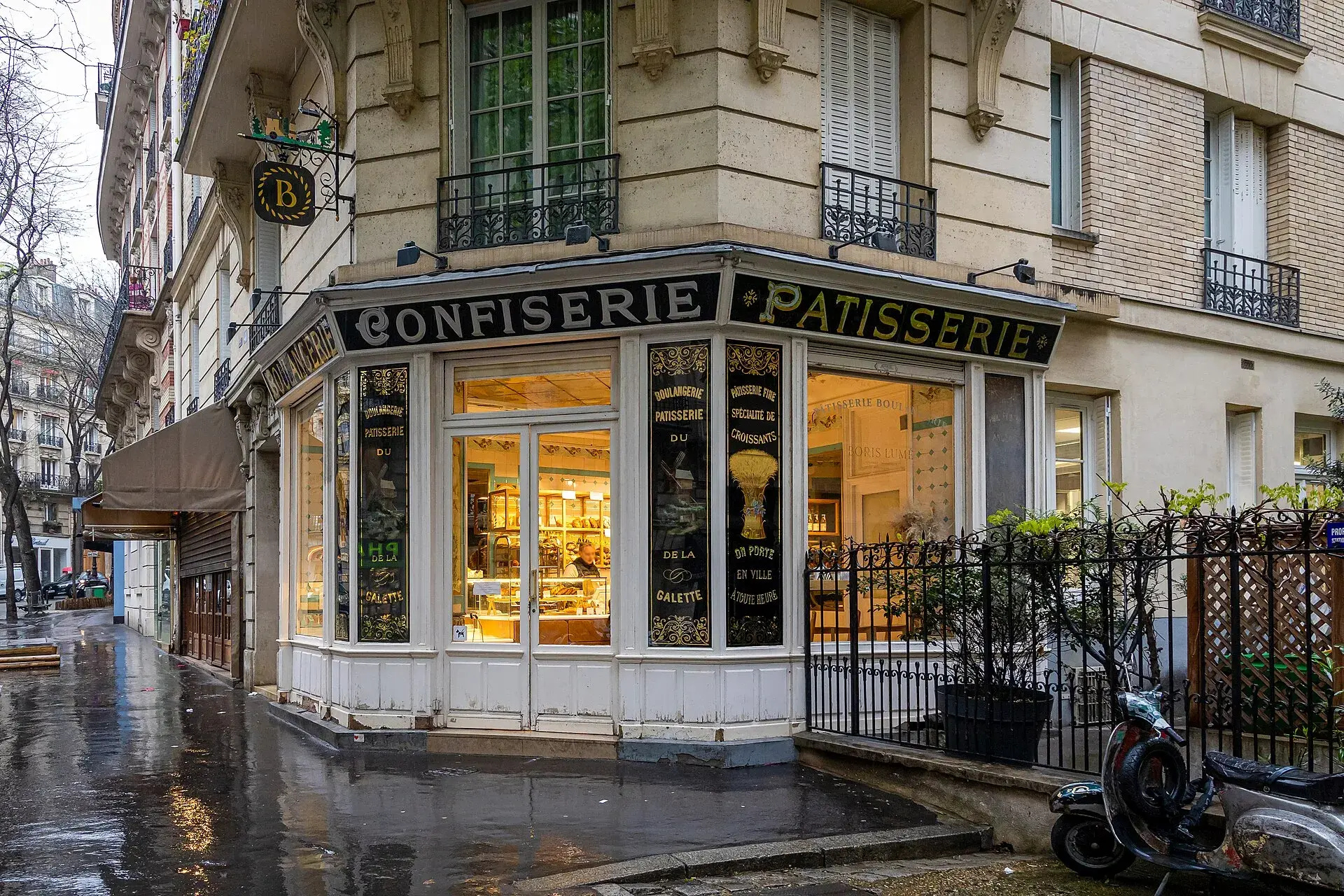
Paris is known for being deliberately beautiful. Wide boulevards, matching limestone façades, wrought-iron balconies and a monument at the end of nearly every long view were planned that way, and it works. Beyond the postcards it runs on daily rituals: a bakery run before breakfast, coffee at a counter, a fixed-price lunch, an evening walk by the Seine. It is also a museum city, with the Louvre, the Orsay and dozens of smaller collections. Understanding the layout first makes it much easier to walk.
🏛️ The short history that explains the layout
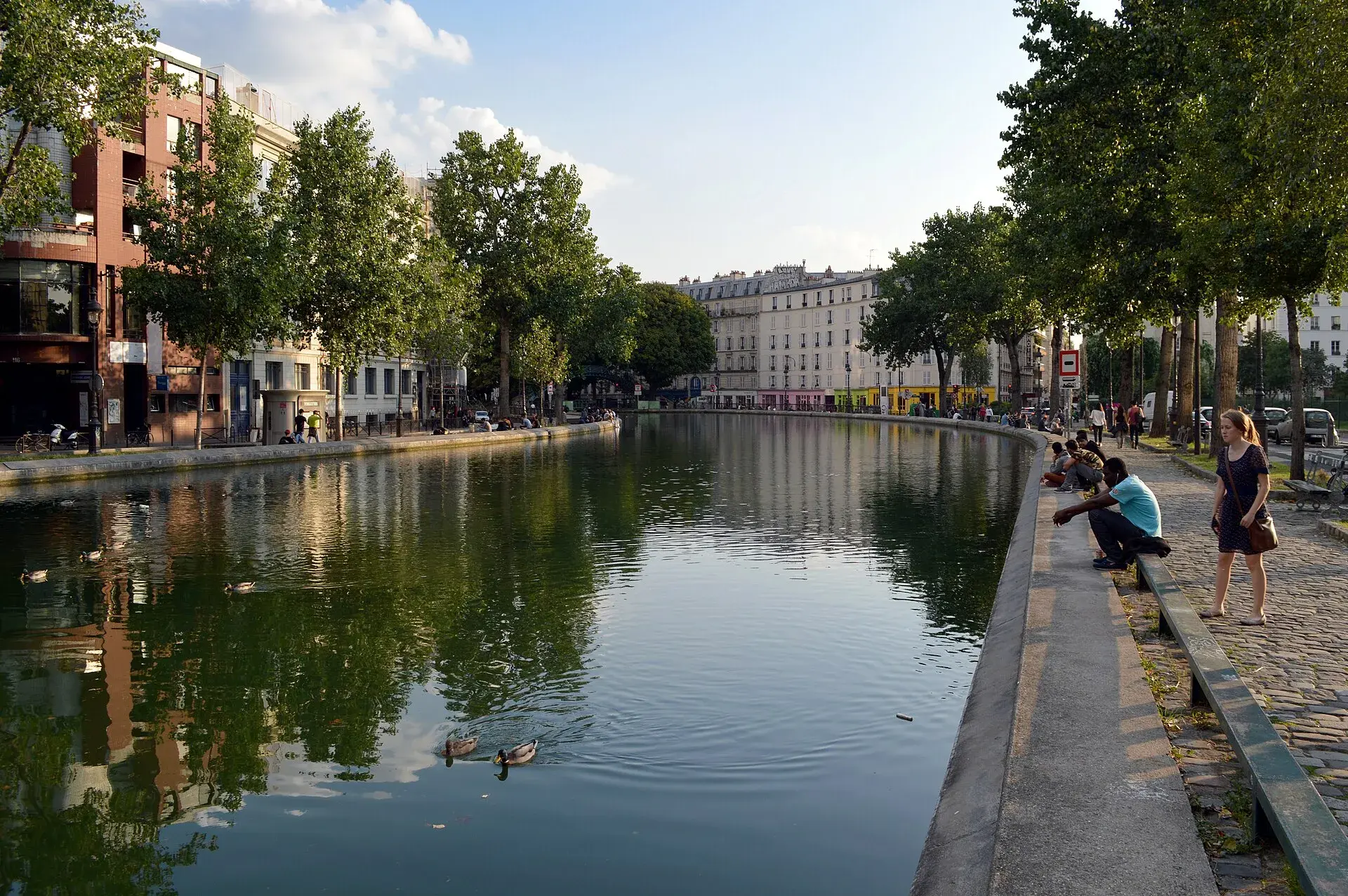
The Seine shaped everything. Paris began on the Île de la Cité, the small island where Notre-Dame stands, and spread outwards along both banks. The Right Bank, north of the river, is the bigger half: the Louvre, the grand boulevards, Montmartre. The Left Bank to the south has the universities, the Latin Quarter and Saint-Germain.
The arrondissements run in a clockwise spiral, often compared to a snail shell, starting from the middle of the city on the Right Bank. The 1st is the Louvre area, the 4th is the Marais and the Île de la Cité's east end, the 6th is Saint-Germain, and the numbers keep climbing outwards to the 20th. In 1860 the city annexed surrounding villages and went from 12 arrondissements to the 20 you see today. The last two digits of a postcode give the arrondissement: 75006 is the 6th.
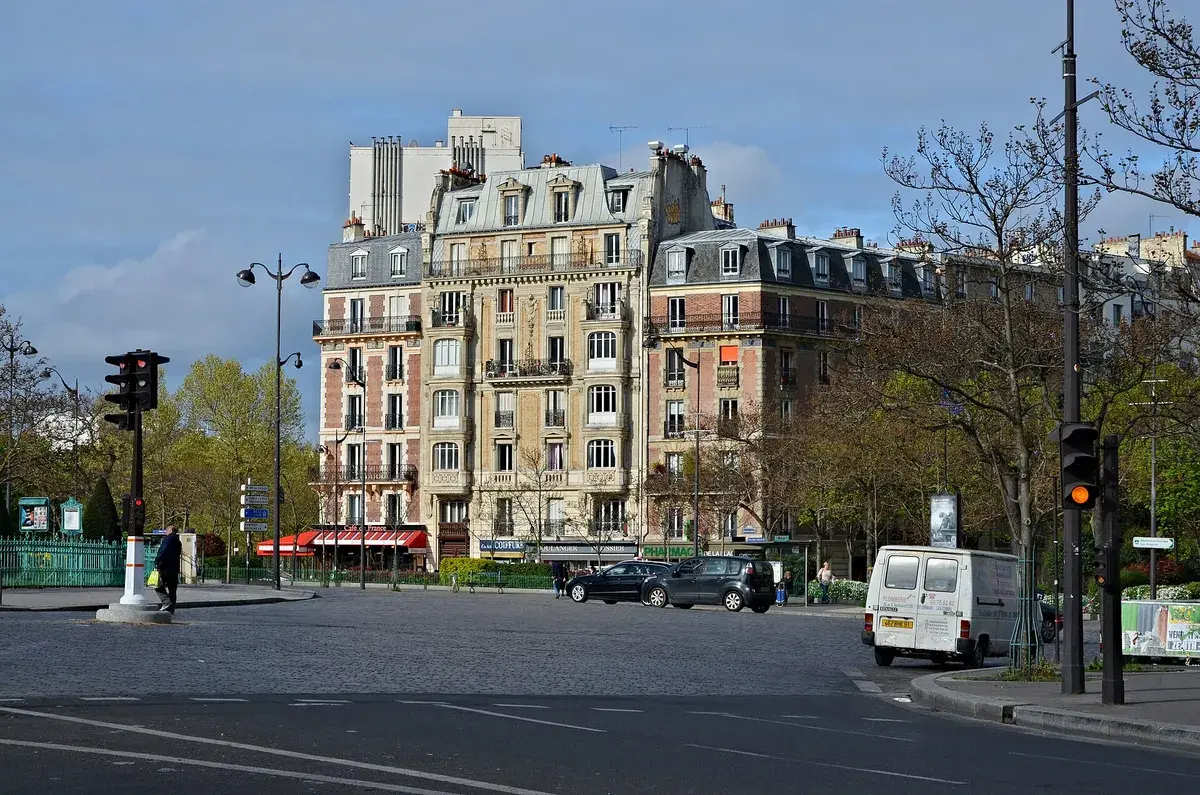
Haussmann explains the look. Georges-Eugène Haussmann was prefect of the Seine from 1853 to 1870, under Napoleon III, and he tore through the medieval street plan to build wide boulevards, new sewers and parks. Façades had to follow height, colour and material rules, which is why so much of central Paris looks like one long terrace. Roughly 19,700 buildings are said to have come down and 34,000 gone up. A wide, straight street of cream-stone buildings with mansard roofs is Haussmann.
📍 The five places everyone goes
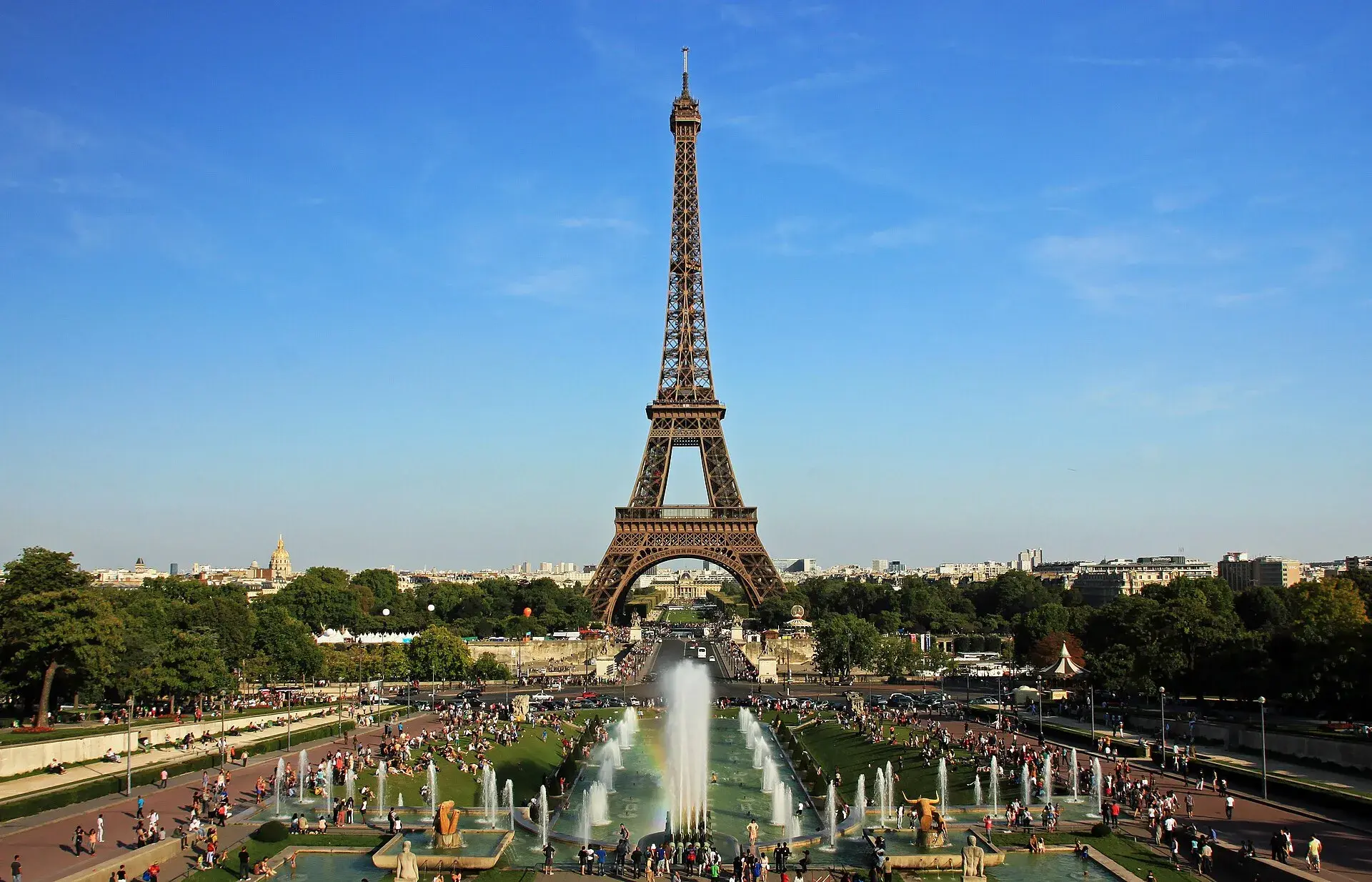
Eiffel Tower 💶 Stairs to the 2nd floor €14.80, lift to the 2nd floor €23.50, stairs plus lift to the summit €28.00, lift to the summit €36.70 🕐 from 09:30, closing time varies by season. Stairs tickets need an advance reservation from 29 September 2026, per the tower's page. Verdict: worth it, but pick the level that matches your budget. The summit has an annual maintenance closure each winter (5 January to 6 February in 2026), and access can be restricted in bad weather.
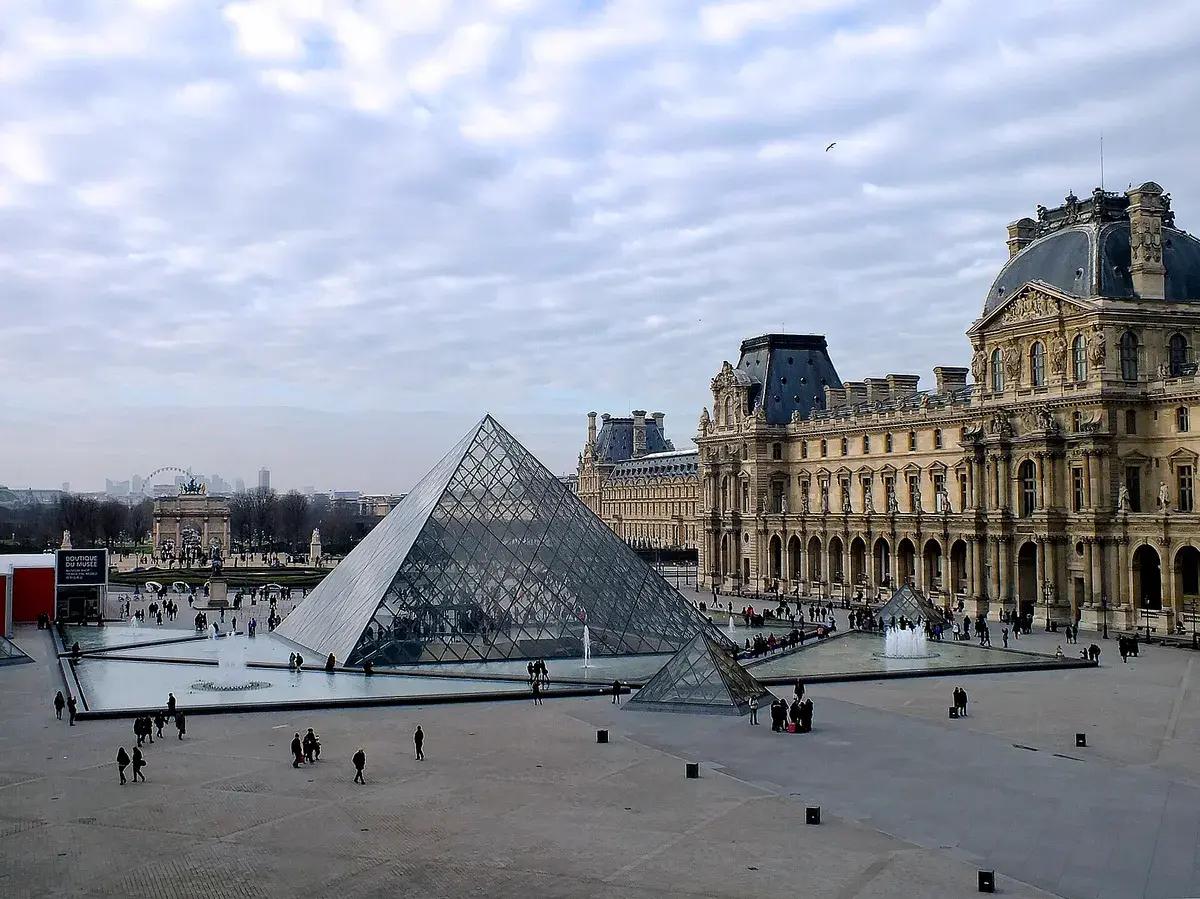
Louvre 💶 €22 for EEA residents, €32 for non-EEA visitors, free for under 18s and under-26s from the EEA 🕐 09:00 to 18:00, to 21:00 on Wednesday and Friday, closed Tuesday. Verdict: worth it, with a plan. It is far too big for one visit, so choose two or three wings. The Louvre recommends a timed slot, even for free entry, and warns some galleries can be closed on the day. Entry is free after 18:00 on the first Friday of each month, except in July and August.
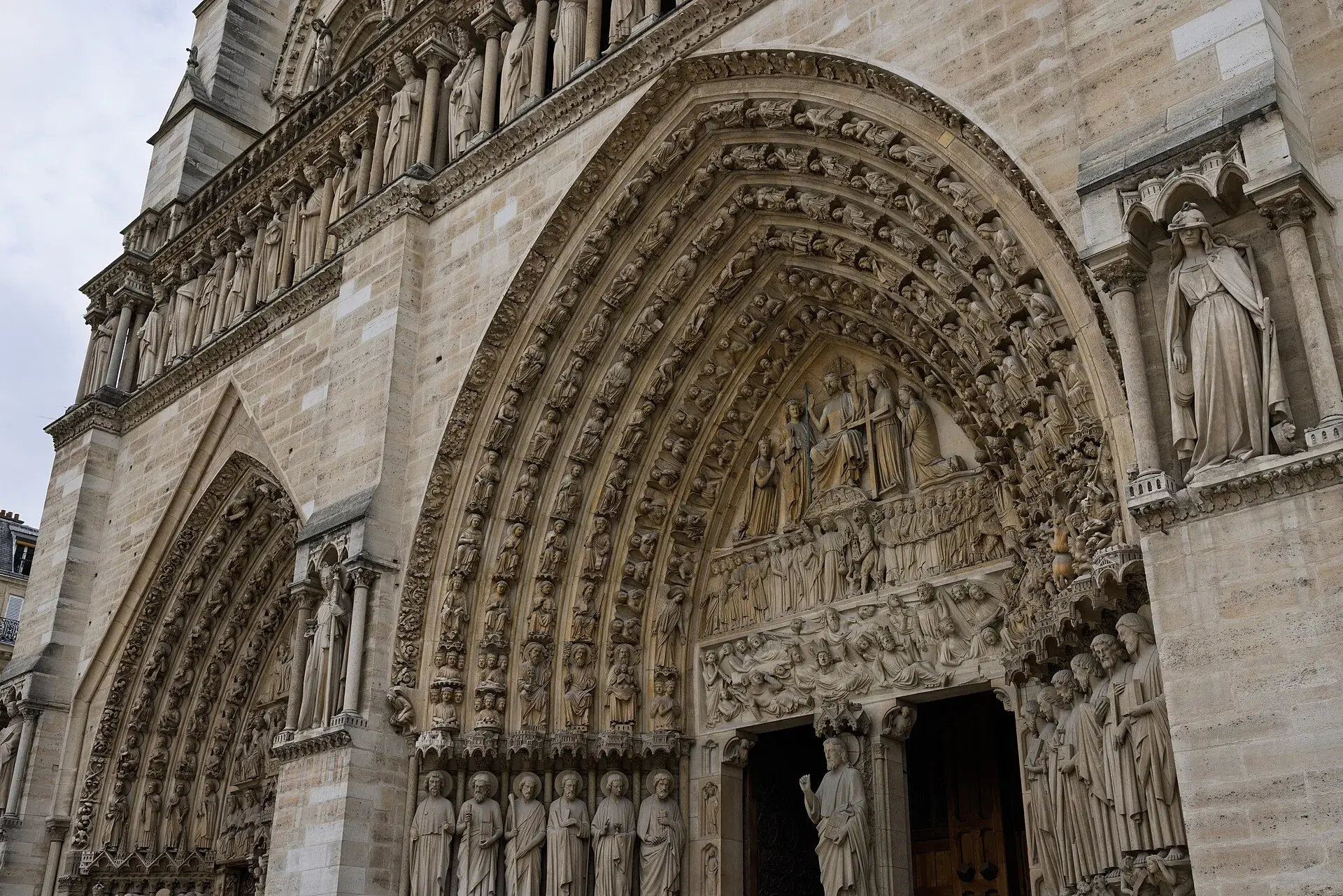
Notre-Dame 💶 free to enter, towers €16 🕐 check the cathedral's own site before you go. Verdict: yes, the best value of the five. It reopened in December 2024 after the fire. Entry has no ticket, though the cathedral's own site lets you book a free slot a few hours or days ahead to cut the wait, and the booking is optional. The towers are a separate paid visit. Sainte-Chapelle is a few minutes away on the same island: €22 for non-EEA visitors and €16 for EEA residents, a combined ticket with the Conciergerie is €30 (€23 for EEA residents), and entry is by timed slot.
Arc de Triomphe 💶 €16 from October to March, €22 from April to September (€16 on Wednesdays) 🕐 10:00 to 22:30 in winter, 11:00 start on Tuesdays. Verdict: worth it for the view down the Champs-Élysées and the avenues that fan out from the square. The official page notes the lift is under maintenance until further notice, so expect stairs only. Free for under 18s, and for EU nationals aged 18 to 25. Free on the first Sunday of January, February, March, November and December.
Sacré-Cœur 💶 basilica free 🕐 06:30 to 22:30 daily. Verdict: yes, for the hilltop view over the whole city, which costs nothing. The steps at the front are the busiest part.
🙈 Three places most visitors skip and shouldn't
- Musée Carnavalet 📍 23 rue Madame de Sévigné, Marais. The history of Paris told through its own objects and rooms, with the permanent collections free and no booking needed 🕐 10:00 to 18:00, closed Monday. Temporary exhibitions are charged.
- Parc des Buttes-Chaumont 📍 19th arrondissement, place Armand-Carrel. 25 hectares of cliffs, a lake, a suspension bridge and a 32-metre waterfall, laid out in the 1860s on an old quarry. Free, 07:00 to 20:00 in October. One catch: the island, its temple and the waterfalls are closed because the ground is unstable, and the city gives no reopening date, so you see what you can from the shore.
- Petit Palais 📍 Avenue Winston-Churchill, 8th. A fine-art museum across from the Grand Palais, with a free permanent collection 🕐 10:00 to 18:00, closed Monday.
More ideas that cost nothing are in Free Things to Do in Paris.
🌦️ Weather month by month
Average daily highs and lows, from Météo-France's 1991 to 2020 normals for the Paris-Montsouris station, as published by the Paris tourist office:
- January: 8°C high, 3°C low
- February: 9°C high, 3°C low
- March: 13°C high, 6°C low
- April: 17°C high, 8°C low
- May: 20°C high, 11°C low
- June: 23°C high, 14°C low
- July: 26°C high, 16°C low
- August: 26°C high, 16°C low
- September: 22°C high, 13°C low
- October: 17°C high, 10°C low
- November: 11°C high, 6°C low
- December: 8°C high, 4°C low
Rain is spread evenly across the year, between roughly 42 mm in February and 69 mm in May, so a light waterproof is useful in every month. July has about 222 hours of sunshine, December about 57. These are averages, so check the forecast.
🗓️ Best and worst months
Best: April to June and September to October. The tourist office points to spring and autumn for pleasant temperatures and moderate crowds.
Busiest and priciest: July and August bring heat and peak prices. Some Paris shops and restaurants close for part of the main school holidays, so check a place is open before building a day around it.
Quietest: November to February. Cold and grey, with the fewest hours of daylight. Plan around indoor sights.
Strikes: French transport strikes happen in every season. Check the day's service before you set out, and keep a walking route as plan B. The transport guide covers tickets and airport transfers.
📅 How many days
Three full days is the sweet spot. Day one the Île de la Cité, the Louvre and the Seine. Day two Montmartre and the Eiffel Tower to Arc de Triomphe side. Day three the Marais, Carnavalet and the Latin Quarter. Two days works if you pick one museum and walk the rest. A fourth day suits Versailles or a long café and park day. Working remotely for part of the trip? See coworking spaces in Paris.
🚶 A two-hour essentials walk
If you only have a couple of hours, stay on the river. Start on the Île de la Cité at Notre-Dame, cross to the Right Bank, and walk west along the Seine towards the Louvre. You cross the Pont Neuf and finish at the Louvre. It takes about two hours at an easy pace.
Ciceru's free Paris self-guided walking tour follows a similar idea: about 3 km and 2 hours, 9 quiz stops from Notre-Dame to the Louvre area. For a slower version, Paris Through Art & History is €7, 2 km and about 3.5 hours; for the west side, Eiffel Tower to Arc de Triomphe is €7, 4 km and about 3 hours.
❓ FAQ
What is Paris known for?
Art and museums, the Eiffel Tower, Notre-Dame, bakery and café culture, and the Haussmann boulevards. The city's layout, a river with a clockwise spiral of arrondissements around it, makes it very walkable.
What is the best month to visit Paris?
Late spring (May and June) and early autumn (September and October). Highs run from the high teens to the low 20s°C and the crowds are lighter than in July and August.
How many days do you need in Paris?
Three full days for the main sights without rushing. Two works if you choose one big museum, and a fourth day gives room for Versailles or a slower pace.
✅ Before you go
Book a Louvre slot in the right ticket category, book a free Notre-Dame slot if you hate queues, and skip the Centre Pompidou, closed until 2030. See Getting Around Paris for transport and luggage, Paris on a Budget for real daily costs, What to Eat in Paris for dishes, and Free Things to Do in Paris for what costs nothing. To walk it, start with the free Ciceru walk, or see all three at ciceru.com/tours/france/paris.