What to Eat in Paris: Local Dishes and Where to Find Them
Last updated: October 2026
Intro
The most useful thing to know about eating in Paris is not a dish, it is a rule: every café must post its prices outside, with the counter price and the sit-down price shown separately, and every price is meant to include tax and service. Read the board before you sit. Then eat what locals actually eat: a croissant that really is made with butter, a jambon-beurre, a lunchtime plat du jour, an egg mayonnaise and a steak with chips. Prices and hours below were checked on official and venue pages in October 2026.
Ciceru has three self-guided walks in Paris, each with a story and a quiz question at every stop and a free 500 MB global eSIM, listed on the Paris tours page.

⚡ Quick answer
- Eat first: a croissant au beurre from a proper bakery, a jambon-beurre for lunch, then a steak frites or oeuf mayonnaise at a bouillon
- Cheapest real meal: a bouillon. Bouillon Chartier says on its own site that a proper meal costs less than €20, with no reservations
- The rule that saves money: the board outside must show counter and sit-down prices. Sitting down costs more, so check which column you are paying
- Free water: ask for "une carafe d'eau". Restaurants must tell you free drinking water is available
- Tipping: menus must say "service compris", so a tip is a thank you, not a requirement
🥐 The dish everyone gets wrong: the croissant
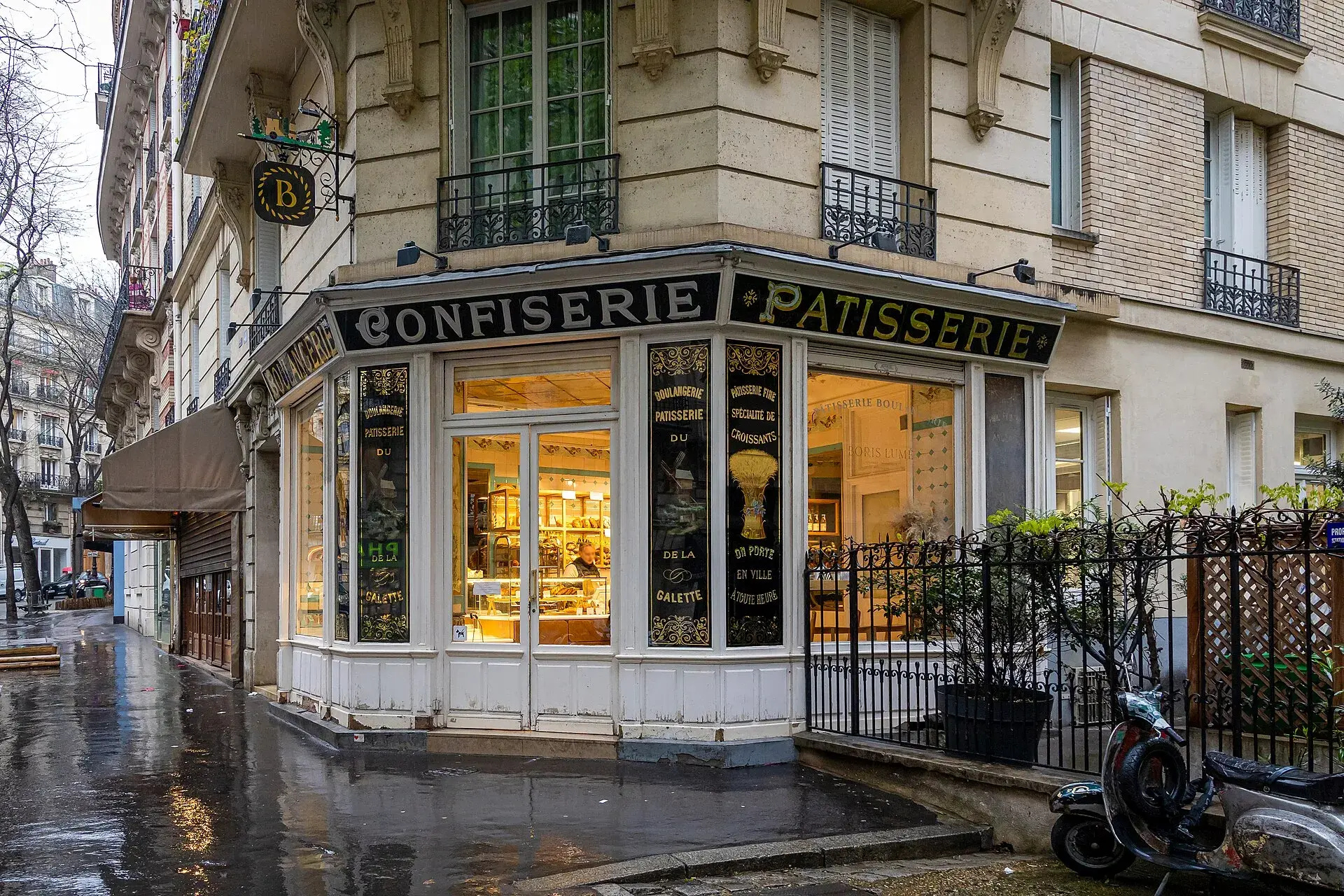
Not every Paris croissant is a butter croissant. The national bakers' confederation says that a croissant made half with butter and half with margarine cannot legally be called a "croissant au beurre", which tells you such croissants exist. A Paris baker also warned in 2025 that some shops use an industrial butter substitute that is almost impossible to spot by eye.
The old trick of "straight means butter, curved means margarine" is unreliable too: the same confederation notes that the traditional shape is curved but many bakeries sell straight ones. So do the simple thing. Ask "c'est au beurre?", and buy from a bakery that bakes on site, where you can see the oven or smell it.
For bread, ask for a baguette tradition. The 2026 Grand Prix de la baguette de tradition went to Fournil Didot, 📍 103 rue Didot in the 14th, announced by the city in February 2026.
🍽️ What locals eat at each meal
Breakfast. Often coffee and a croissant or tartine (buttered bread) at the counter, standing.
Lunch. This is the meal to spend on. Most places chalk up a plat du jour and a formule, usually a starter plus main or main plus dessert, at a set price. The plat du jour and the sandwich prices must be shown outside, so you can compare before you walk in. Kitchens run to a clock: Le Relais de l'Entrecôte, for example, serves 12:00 to 14:30 and again from 18:30 on weekdays, so arriving at 15:30 gets you nothing hot.
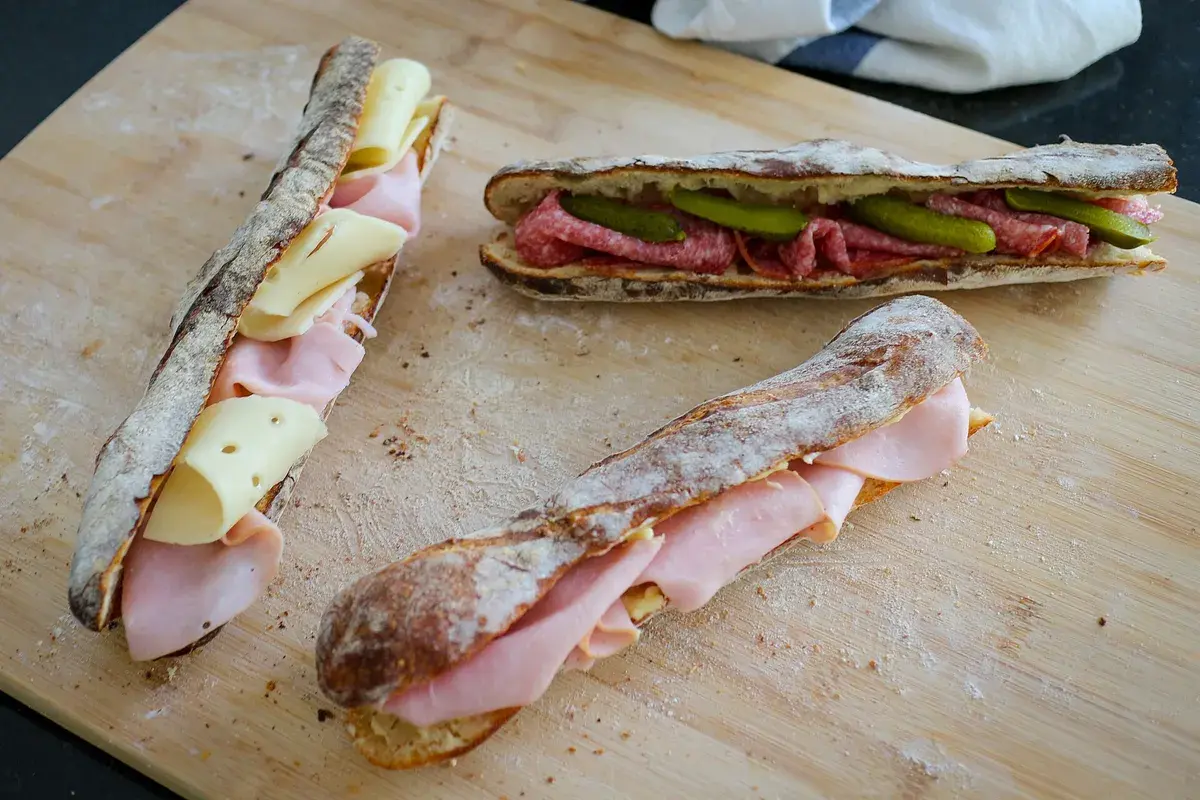
Snack. A jambon-beurre, ham and butter in a baguette, is the plain classic. Add a croque-monsieur (toasted ham and cheese) at a café.
Dinner. Start with oeuf mayonnaise (boiled egg, thick mayonnaise) or escargots. Then pick one of the staples: steak frites, steak tartare (raw, chopped, seasoned), confit de canard, boeuf bourguignon or coq au vin. Finish with crème brûlée, profiteroles or tarte Tatin.
One ordering tip. French steaks arrive rarer than most visitors expect. If you like yours properly cooked, say "bien cuit" and expect a firmer, drier result than at home.
🧾 Counter versus terrace: how to read the price board
This is the most practical thing in the article. Under the rules published by the French consumer authority (DGCCRF), a café must display outside a list of its most common drinks and foods, with the volume served and the price including all taxes and service, at the counter and in the dining room. Inside, it must show the full list. Coffee, beer, soft drinks, mineral water, the plat du jour and sandwiches are among the items that must appear.
- 💶 Counter (au comptoir): usually the cheapest tariff. You stand, you drink, you pay and leave
- 💶 Sitting down (en salle): usually the dearer tariff. A terrace is normally charged at the sit-down rate, so read that column, and ask if only one price is shown
- 💶 Prices: a menu published online for Les Deux Magots, one of the most famous terrace cafés on the Left Bank, lists a single espresso at €5.50. Compare that with the board of an ordinary corner bar, and you see what the address costs. Treat the figure as indicative and check the board on the day
- 💶 Service: menus must read "prix service compris", with the percentage. A tip is optional, and no business may demand one
Order un café and you get an espresso. Un crème is milky, un allongé is a longer black coffee, une noisette has a splash of milk. If you plan to work from a café rather than drink one, see the coworking guide for Paris instead of camping on a terrace.
🧀 Markets and standing counters
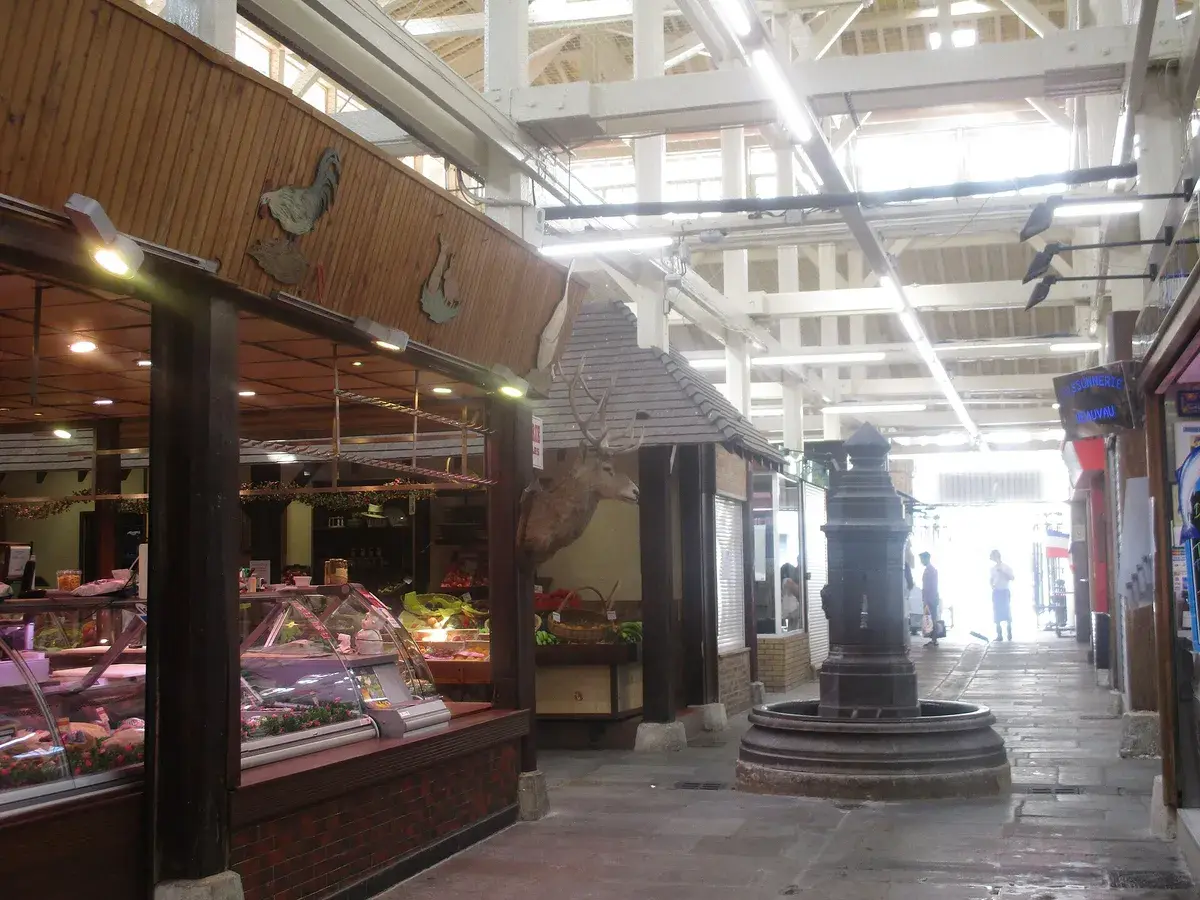
Markets are where Parisians shop, and the easiest way to assemble a picnic of cheese, bread, fruit and charcuterie. The hours below come from paris.fr.
- 📍 Marché des Enfants Rouges, 39 rue de Bretagne, 3rd 🕐 Tuesday to Saturday 08:30 to 20:30 (Thursday until 21:30), Sunday 08:30 to 17:00, closed Monday. A covered market dating from 1615, with food stalls from French, Lebanese, Italian, Moroccan and Japanese kitchens, so you can eat a hot lunch on the spot
- 📍 Marché d'Aligre, rue d'Aligre and place d'Aligre, 12th 🕐 Tuesday to Friday 07:30 to 13:30, Saturday and Sunday 07:30 to 14:30, closed Monday. Open-air
- 📍 Marché Bastille, boulevard Richard-Lenoir, 11th 🕐 Thursday 07:00 to 13:30, Sunday 07:00 to 14:30.
The open-air markets finish by early afternoon, so go in the morning. For a standing lunch, find a bakery with a sandwich counter or a café bar and eat at the zinc. It is the same logic as the price board: no table, lower price.
🏘️ Three neighbourhoods to eat in
- Montorgueil and Les Halles (2nd). A food street, rue Montorgueil, lined with bakeries, cheese shops and cafés. Stohrer, a pâtisserie founded in 1730, sits at 📍 51 rue Montorgueil, 🕐 08:00 to 20:30 Monday to Saturday, 08:00 to 20:00 Sunday. Its own online shop lists a vanilla éclair at €5.80
- The Marais and Enfants Rouges (3rd). Narrow streets, bakeries and the covered market above, a sensible base for a Saturday lunch
- Bastille to Aligre (11th and 12th). Two street markets a short walk apart. Come on a Sunday morning, when both are running
🏛️ A few places that have lasted
Restaurants change within a year, so this is a short list of long-lived places, each checked on its own site.
- Bouillon Chartier 📍 7 rue du Faubourg Montmartre, 9th 🕐 daily 11:30 to midnight. Open since 1896, no reservations, non-stop service. Its site promises starters from €1, mains from €7 and a proper meal for under €20. It also has branches at Montparnasse and Gare de l'Est
- Le Relais de l'Entrecôte 📍 for example 20 rue Saint-Benoît, 6th 🕐 Monday to Friday 12:00 to 14:30 and 18:30 to 23:00, weekends 12:00 to 15:00 and 18:30 to 23:00. A walnut salad, then steak with its secret sauce and chips. Four Paris branches are listed on its site
- Du Pain et des Idées 📍 34 rue Yves Toudic, 10th 🕐 Monday to Friday 07:00 to 19:30, closed at weekends. A bakery worth planning a weekday around
- Berthillon 📍 29 to 31 rue Saint-Louis en l'Île, 4th 🕐 Wednesday to Sunday 10:00 to 20:00, closed Monday and Tuesday. Ice cream and sorbet made on the Île Saint-Louis since 1954
⚠️ What to skip and how to spot a tourist menu
- Photo menus and touts. If someone stands outside inviting you in, or the menu shows glossy photos of every dish in six languages, keep walking
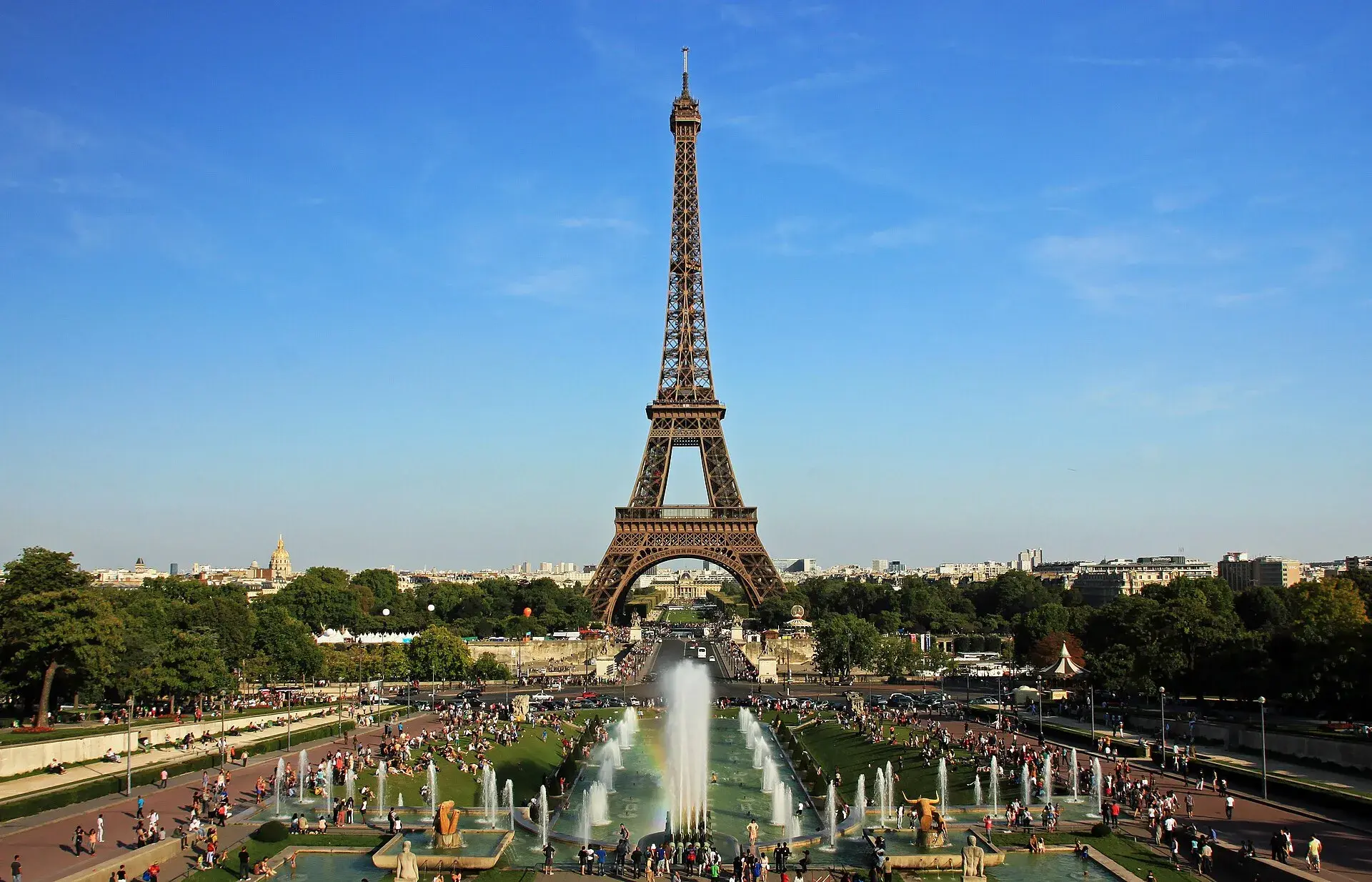
- Restaurants facing the big sights. Tables with a view of the Eiffel Tower or the Louvre price the view in. Walk three streets back and compare the board
- A menu with no plat du jour. Neighbourhood places usually chalk up a dish of the day, and the rules put it on the board outside
- A menu that does not say "service compris". Ask before you order, not after
One note on the "fait maison" label, a logo meaning a dish was made on site from raw products. It is optional, not compulsory, so its absence does not prove a dish is frozen. A government advisory body reviewed the scheme in June 2026 and proposed no new rules.
For what a day of eating this way costs against your whole trip, see Paris on a budget.
❓ FAQ
What is the one thing I should eat in Paris?
A croissant au beurre from a bakery that bakes on site, with a coffee at the counter. Ask whether it is made with butter, and you learn quickly whether a bakery cares.
Is it cheaper to drink coffee at the counter in Paris?
Yes, in general. Cafés must display counter and sit-down prices outside, and the sit-down price, which in practice includes the terrace, is higher. Read the board before choosing a seat.
Do I have to tip in Paris?
No. Menus must state that service is included, and tipping is optional by law. A few coins for good service are appreciated, not expected.
✅ Before you go
Read the price board, ask for tap water, and keep your main meal for lunch, when the formule is at its best. Start at the Paris overview if you are still planning the trip.
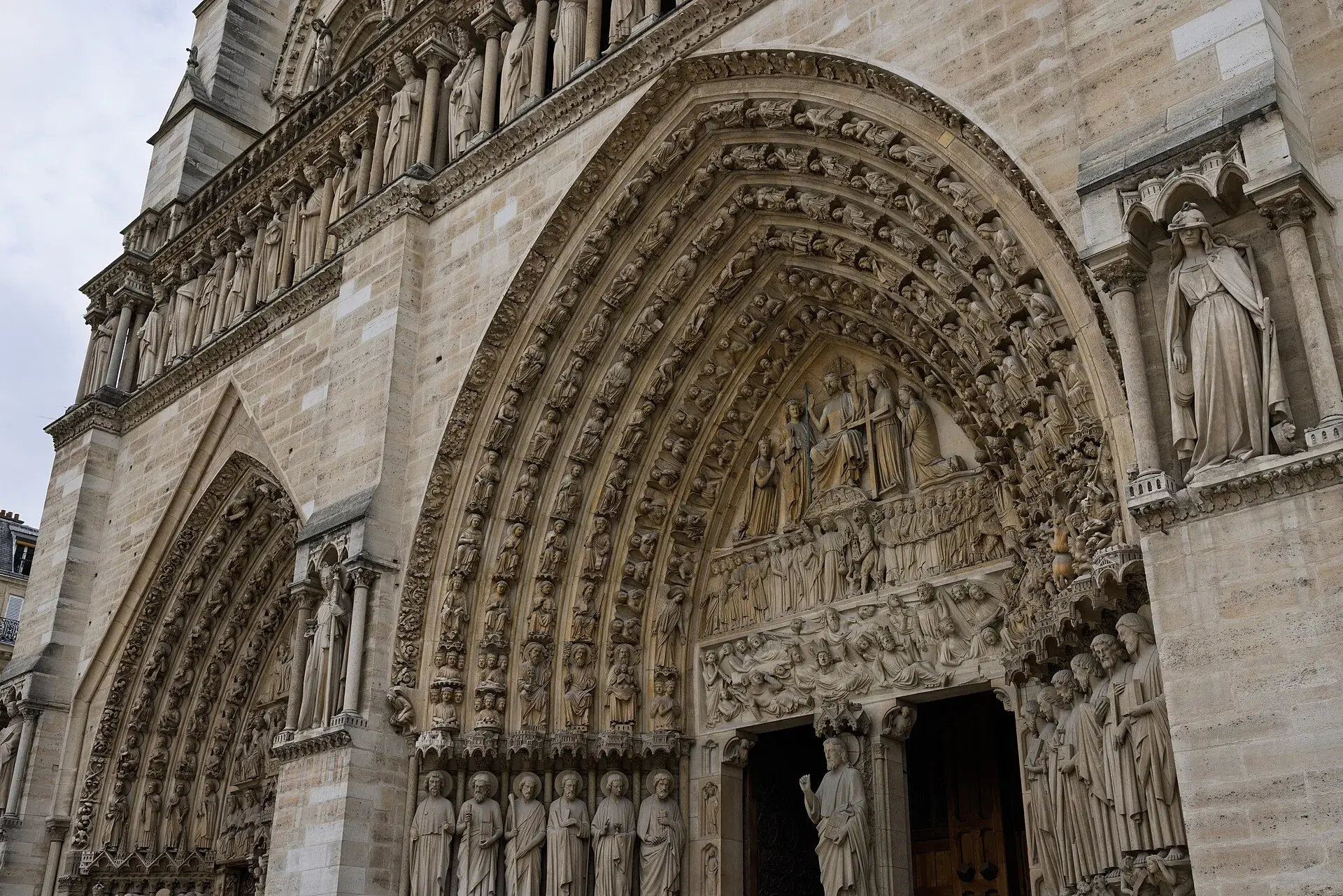
Between meals, walk. Ciceru's free Paris self-guided walking tour runs 3 km in about 2 hours from Notre-Dame, with a story and a quiz question at each of its 9 stops, and Berthillon on the Île Saint-Louis is a short step from where it begins.