Prague Explained: What It Is Known For, When to Go and What to See
Last updated: September 2026
Intro
Most Prague articles are photo essays: a shot of the bridge, a shot of the clock, a shot of the castle across the river. That tells you nothing about what to do here. Prague is known above all for a medieval core small enough to read on foot in two or three days, split by a river into a merchant town and a castle town. The clock everyone photographs disappoints people who queue for a big show and get 45 seconds of wooden apostles. Here is what the city is actually for, when to go and where the crowds really are, checked in September 2026.
Prague also works as a self-guided walk: the Ciceru app runs a 2 hour, 3 km route from the Týn church to the castle, with a story at each stop and a free 500 MB global eSIM.

⚡ Quick answer
- Known for: a walkable Gothic and Baroque old town split by the Vltava, the Charles Bridge, the Astronomical Clock and the castle above it
- Best months: May, June and September; worst: January, cold and dark, though quiet and cheap
- Days needed: 3 full days for the centre, 4 to 5 with Vyšehrad, Letná and a day trip
- Charles Bridge empty: before about 08:00 to 09:00, any time of year
- Worth visiting: yes, mainly for the old town on foot, not any single ticketed sight
🏛️ What Prague is actually known for
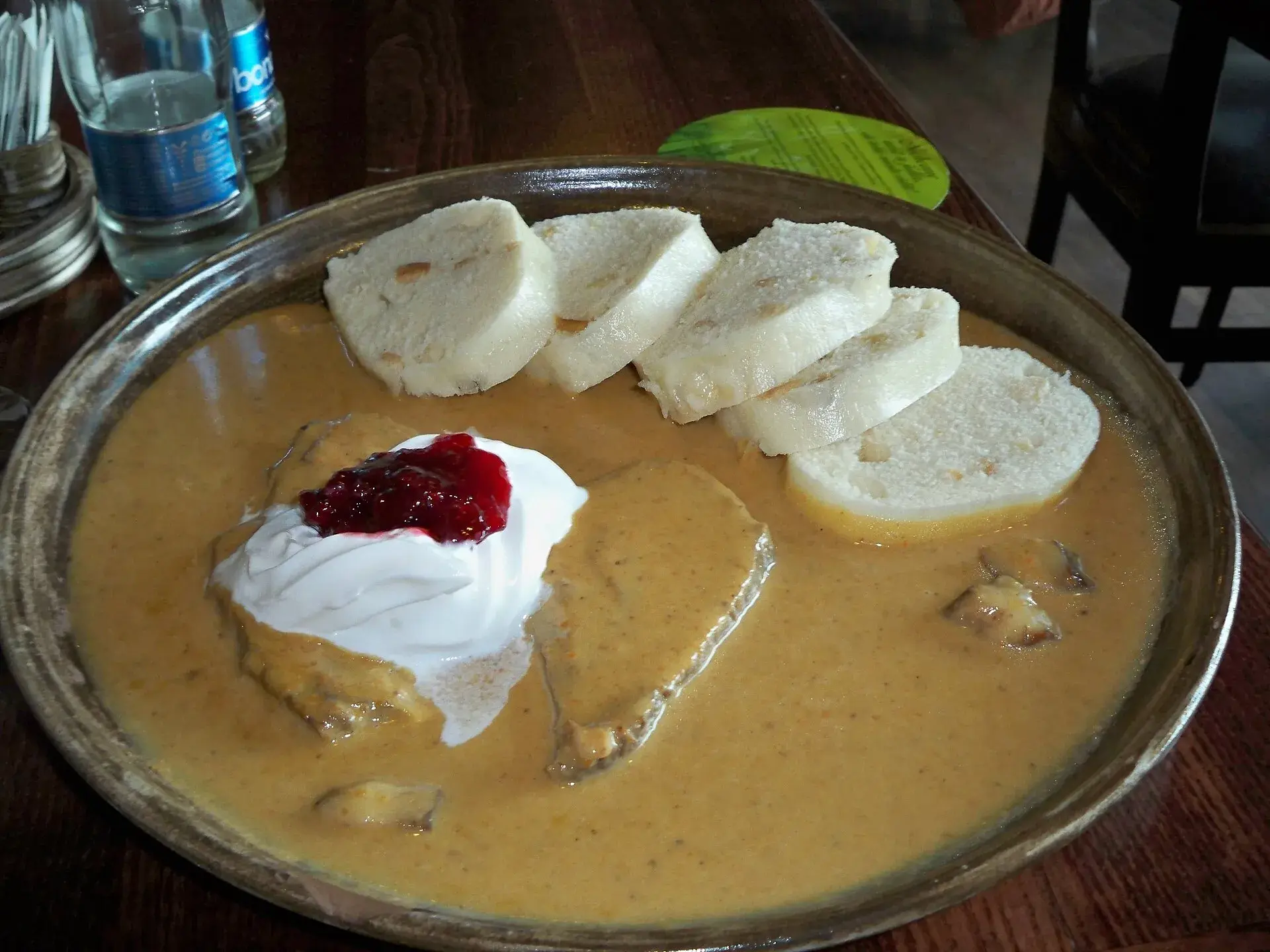
Prague is known for having survived. It escaped the flattening much of Europe suffered in the Second World War, so the medieval street plan, Gothic bridge, Baroque facades and Art Nouveau frontages sit intact in a centre you can cross on foot in 40 minutes. That density of old streets is the real draw, not any single monument: the Clock and the Bridge get the photos because they're the two fixed points everyone can find, not because they're the best of what's here. The other half of the reputation is beer and dumplings: see what to eat in Prague.
📜 The short history behind the layout
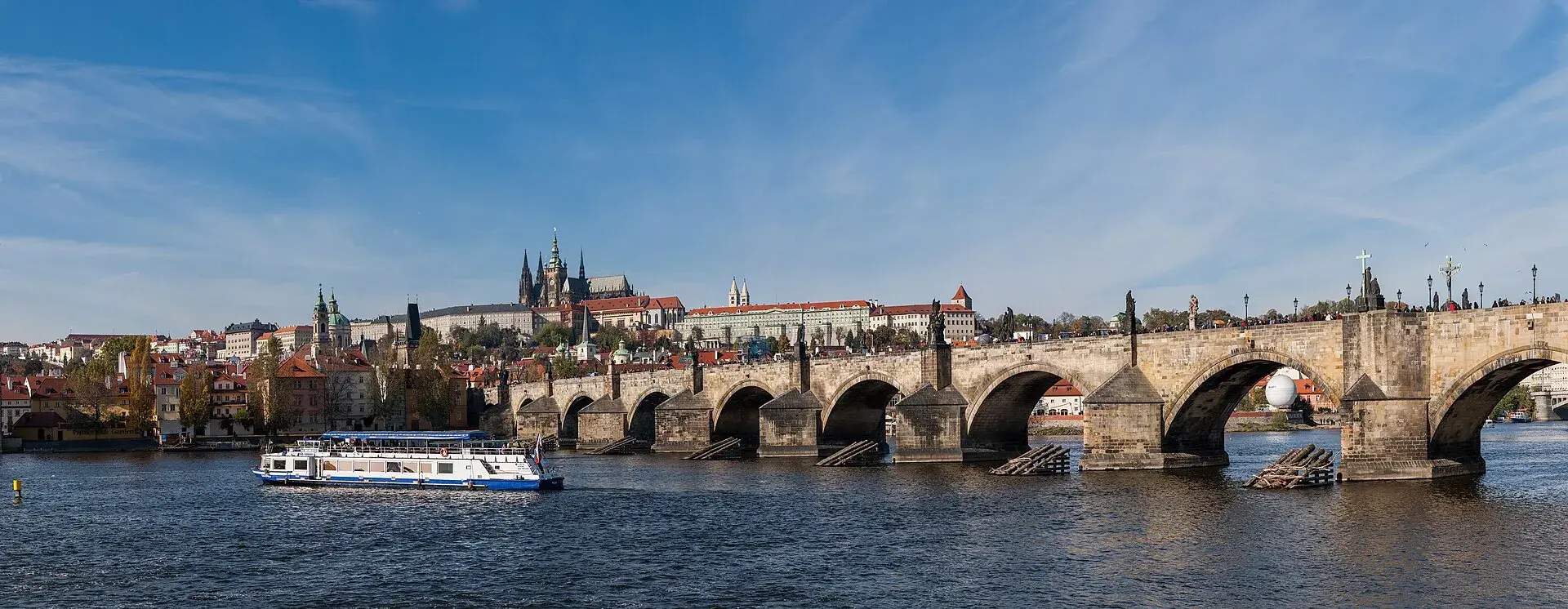
The layout makes sense once you know Prague was several towns, not one. The Castle went up on the left-bank hill in the 9th century. Old Town grew opposite it on the right bank as a merchant town at the river crossing, and Lesser Town (Malá Strana) and Hradčany filled the slopes below the castle. In 1348 Charles IV founded New Town around Old Town to build an imperial capital, which is why Wenceslas Square and Charles Square are so wide. The four towns governed themselves until Joseph II merged them in 1784, and the Jewish town of Josefov joined in 1850. That is why the river still reads as two cities: trade on the right bank, crown and church on the left.
👀 The five places everyone goes (and the honest verdict)
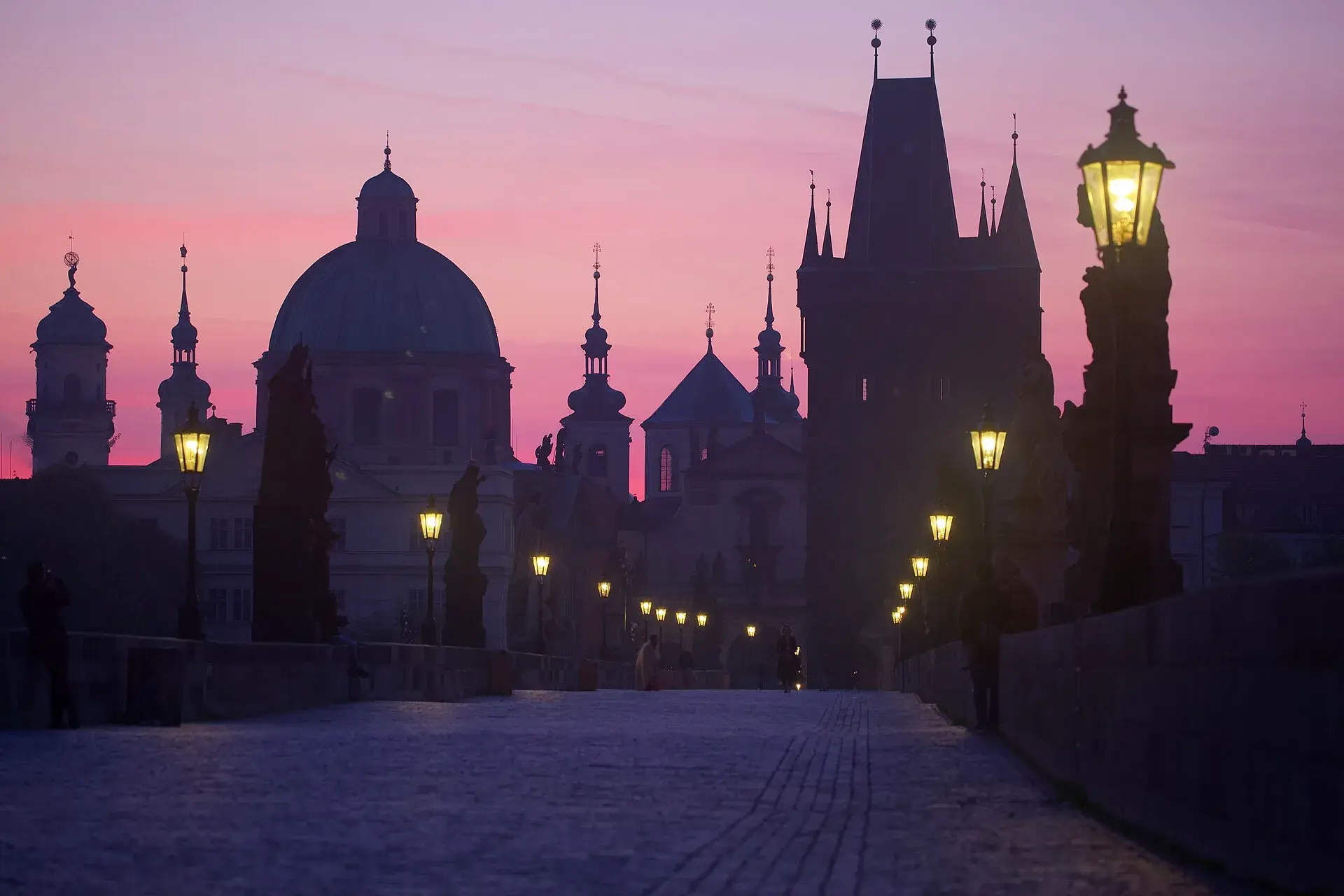
Charles Bridge. Begun in 1357 and worth crossing if you time it right (see below). A long restoration of its stonework is under way, so one stretch may be fenced off on any visit. The bridge stays open throughout.
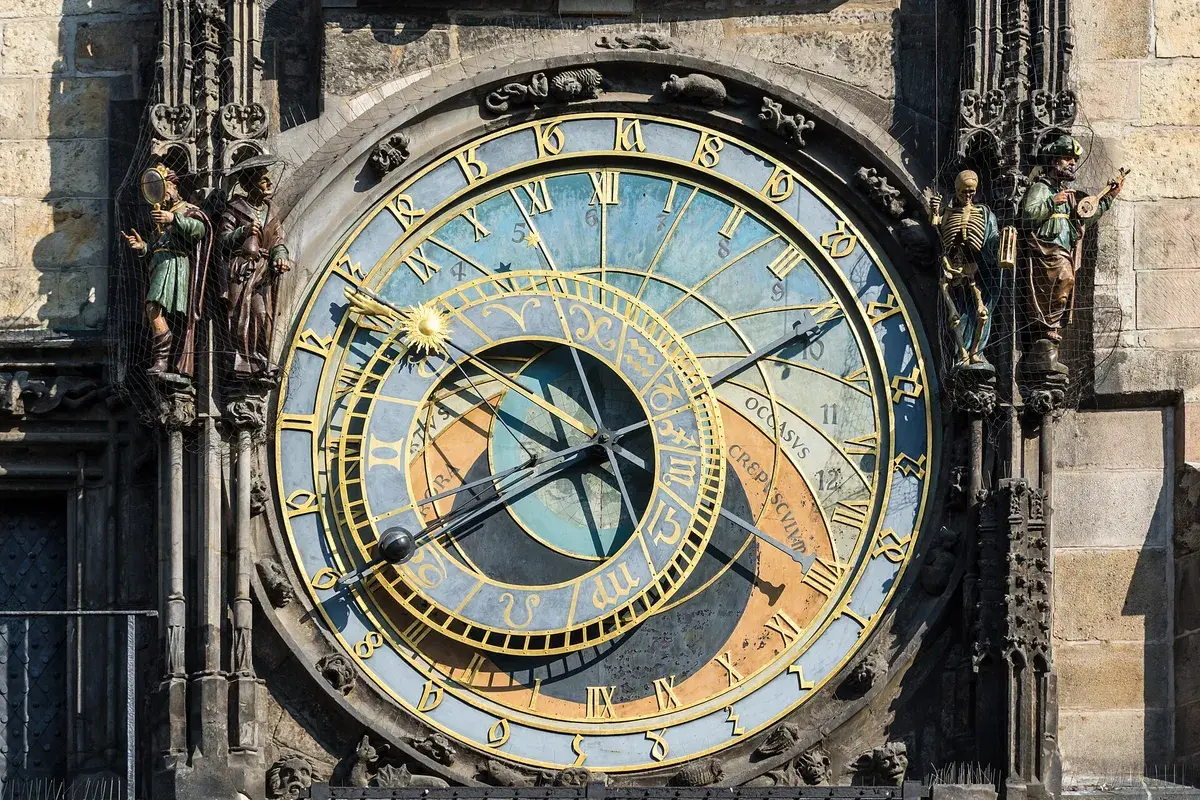
Astronomical Clock. Running since 1410, the oldest of its kind still working. The hourly show, 08:00 to 23:00, is genuinely small: two windows open, the apostles rotate past, a skeleton rings a bell, a cockerel crows, in about 45 seconds. Go for the clock face, not the show. The adjoining tower costs CZK 350 (about €14) plus CZK 100 for the lift, open 09:00 to 20:00 (April to December) or 10:00 to 19:00 (January to March).
Prague Castle. Seat of Czech power since the 9th century. Prices went up in March 2024, so posts quoting CZK 250 are stale: the Main Circuit (cathedral, Old Royal Palace, St George's Basilica, Golden Lane) is CZK 450 (about €18), or CZK 950 for a family. The courtyards are free, 06:00 to 22:00, but the cathedral's free viewing area has been closed since October 2023, so seeing the interior now needs a circuit ticket. Interiors run 09:00 to 17:00 (April to October) or 09:00 to 16:00 (rest of the year). The free courtyards give you the view; pay only if you want the rooms. See Prague on a budget.
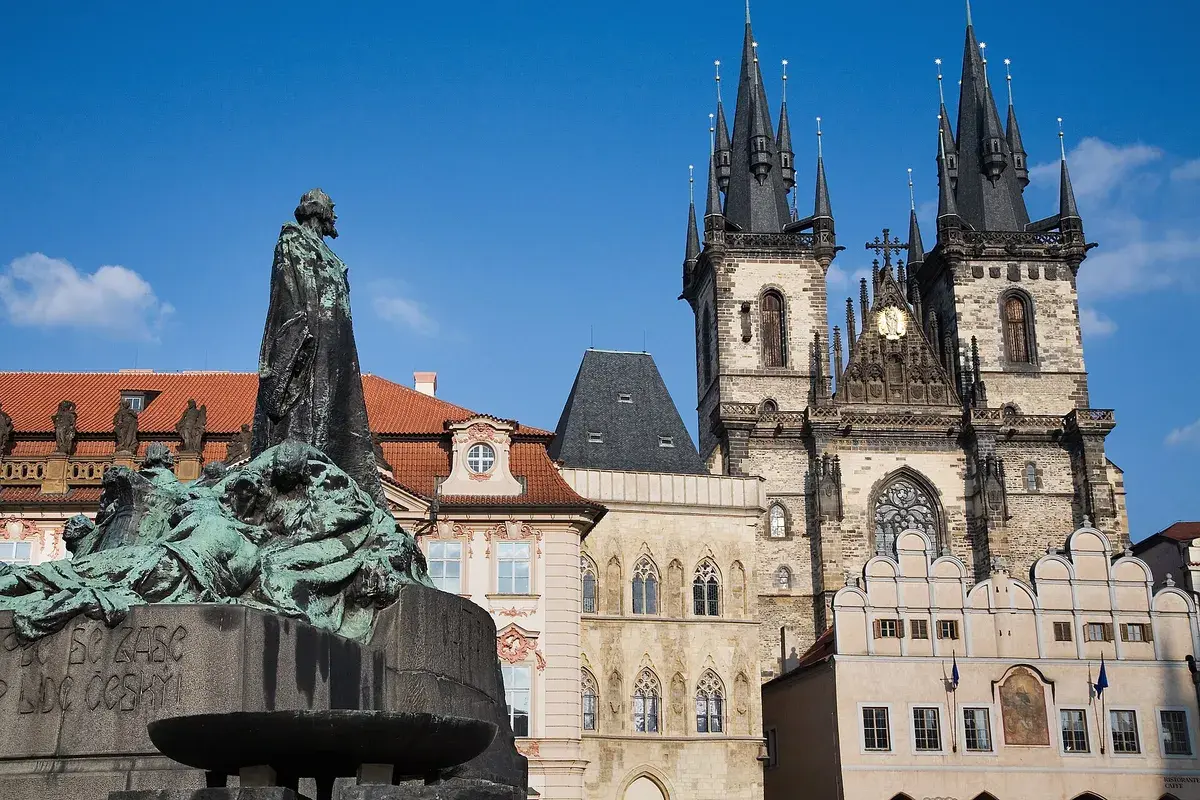
Old Town Square. The city's centre of gravity, ringed by the Týn church and Baroque facades. Lovely early or late; by midday the most crowded spot in the city, with cafés priced accordingly.
Petřín Hill. A green hill topped with a scaled-down Eiffel Tower lookalike from 1891, CZK 250 (about €10) to climb, reduced CZK 170, half price in the first hour after opening. Walk up instead of queuing for the funicular: the climb alone gives most of the view for free.
🙈 Three places tourists skip and shouldn't
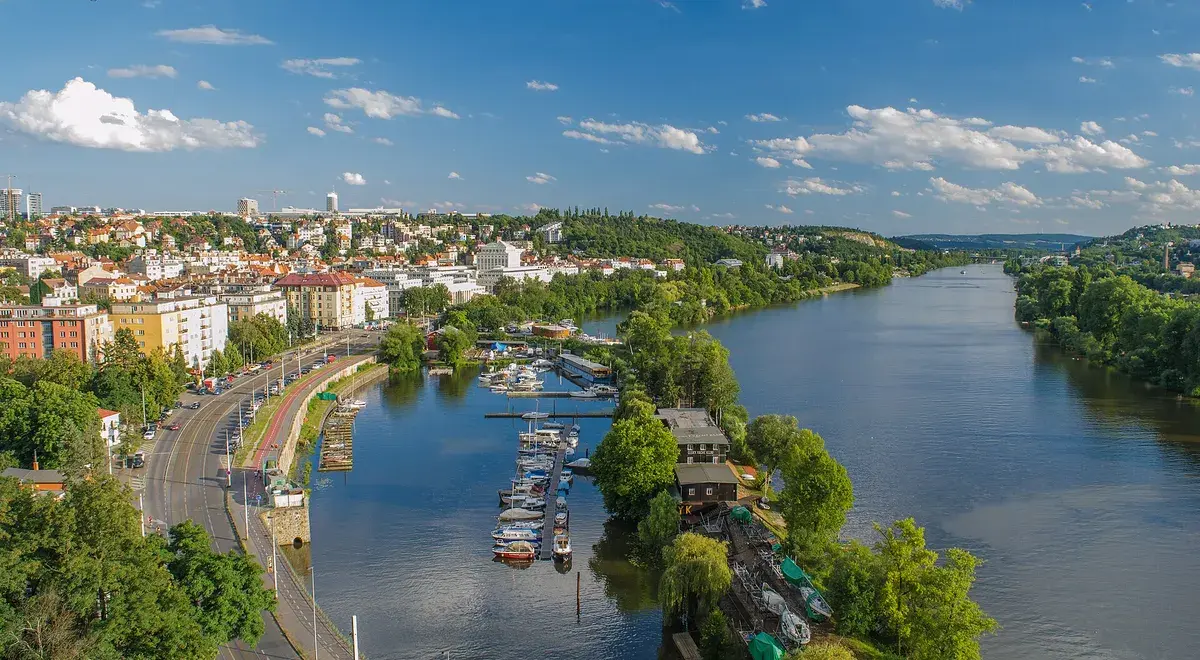
Vyšehrad. An older fortress on a bluff south of the centre, same river views as the castle, a fraction of the people. Grounds, ramparts and the cemetery where Dvořák and Mucha are buried are free; only the casemates cost extra. A 15 minute tram ride keeps most visitors away, which is why it's quiet.
Letná. A flat park above Old Town with the best free skyline view of the castle, plus a giant metronome where a Stalin statue once stood. Its summer beer garden is where Prague actually spends its evenings. See the free things to do in Prague guide.
Vinohrady and Žižkov. Two Art Nouveau residential districts east of New Town, with the city's best café and bar density and no souvenir shops. Žižkov has David Černý's crawling-baby sculptures on the TV tower. Both are a short tram ride away and worth an evening.
🌦️ Weather month by month
- 🌡️ Jan: 3°C / -3°C, ~8 rainy days
- 🌡️ Feb: 4°C / -3°C, ~7 rainy days
- 🌡️ Mar: 9°C / 0°C, ~9 rainy days
- 🌡️ Apr: 15°C / 4°C, ~8 rainy days
- 🌡️ May: 19°C / 9°C, ~9 rainy days
- 🌡️ Jun: 22°C / 13°C, ~9 rainy days
- 🌡️ Jul: 24°C / 15°C, ~10 rainy days, wettest month
- 🌡️ Aug: 24°C / 15°C, ~8 rainy days
- 🌡️ Sep: 20°C / 11°C, ~8 rainy days
- 🌡️ Oct: 14°C / 6°C, ~7 rainy days
- 🌡️ Nov: 8°C / 2°C, ~8 rainy days
- 🌡️ Dec: 4°C / -1°C, ~8 rainy days
📅 Best time to go and how many days you need
Best: May, June, September. Worst: January, with short days and highs around 3°C, though it's also the cheapest and quietest month. Three full days covers the old town, castle side and one neighbourhood; add a fourth or fifth for Vyšehrad, Letná, Vinohrady or a day trip. For getting between sights and to the airport, see getting around Prague.
🚶 A two hour essentials walk
About 3 km on foot: Church of Our Lady before Týn, across Old Town Square past the Astronomical Clock, up the Old Town Hall Tower, trdelník near Charles Bridge, a look into the Klementinum courtyard, across the bridge, past St Nicholas Church, through Lesser Town Square, and up to Prague Castle. This is the order the Ciceru self-guided walk runs, with a story at each of its 10 stops.
Do it before 09:00. Sunrise runs from about 04:49 in mid-June to 06:50 in late September and 07:59 by New Year's Eve, and the bridge is genuinely quiet at that hour: locals, joggers, the odd photographer. By 08:30 to 09:00 the first coach groups and river-cruise passengers arrive, and the crossing becomes a slow shuffle for the rest of the day.
❓ FAQ
Is Prague worth visiting?
Yes, mainly for the old town itself, which rewards walking more than any ticketed sight does.
What is the best time to visit Prague?
May, June and September: reliable daylight either side of the July to August peak. Winter is cold but cheap and quiet.
How many days do you need in Prague?
Three full days for the centre. Add a day or two for Vyšehrad, Letná, the outer neighbourhoods or a day trip.
✅ Before you go
See the old town at street level before chasing any single sight, and do the bridge before 09:00 while it's quiet. Pack for rain most months and real cold from November to February. Working from a laptop? See cheap coworking in Prague and Prague on a budget. For the route above in app form, the Ciceru walking tour covers Týn church to the castle for €5.